Sample Attorney Withdrawal Letter To Client In Houston
Description
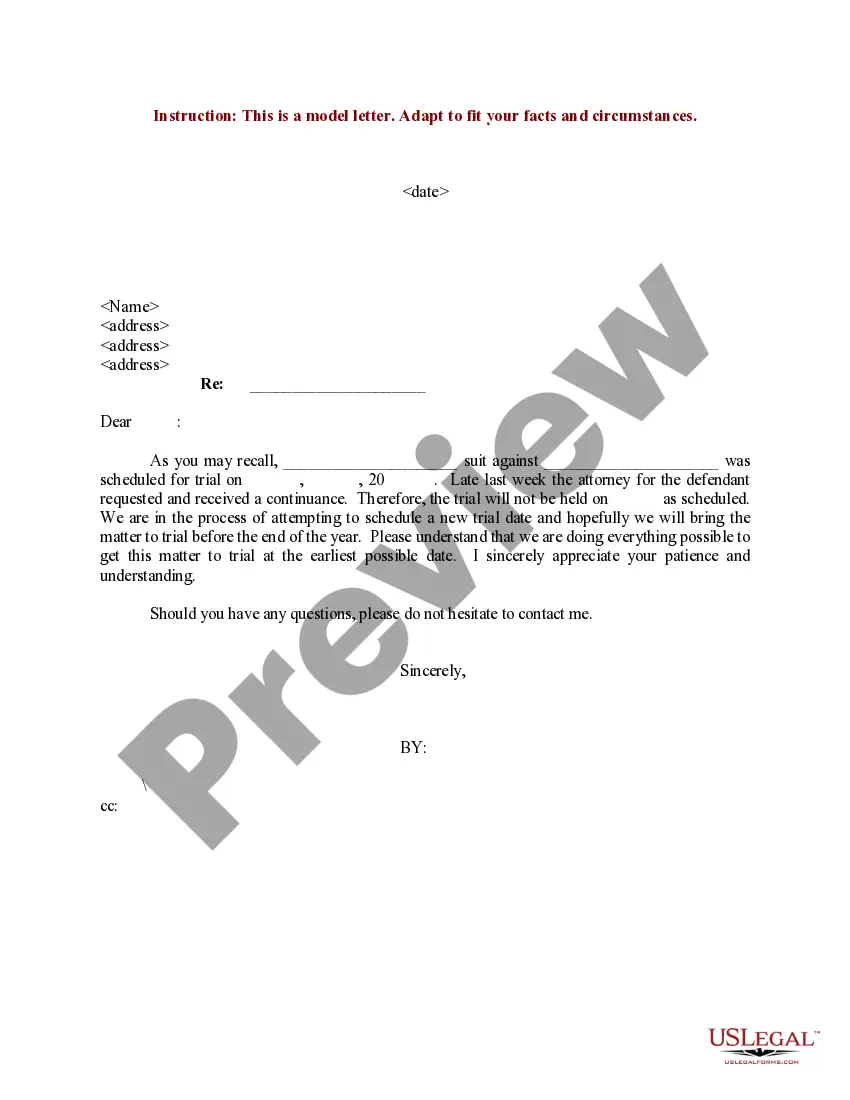
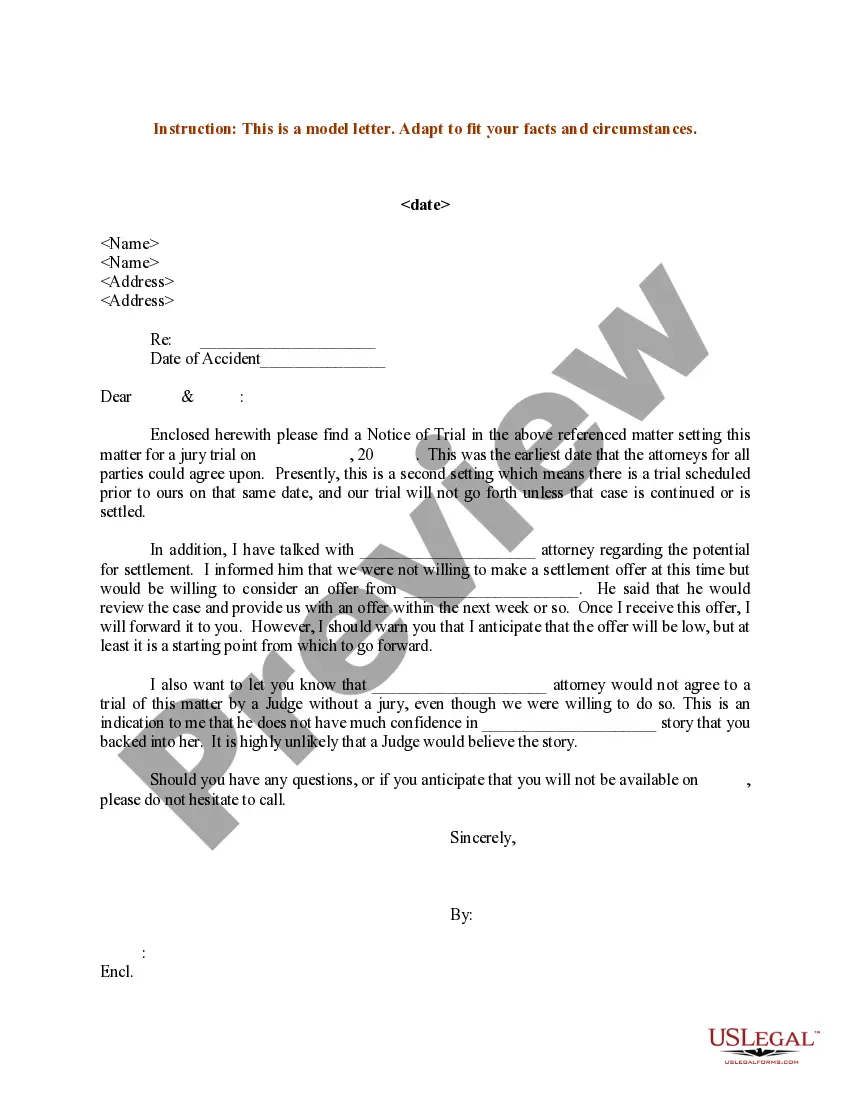
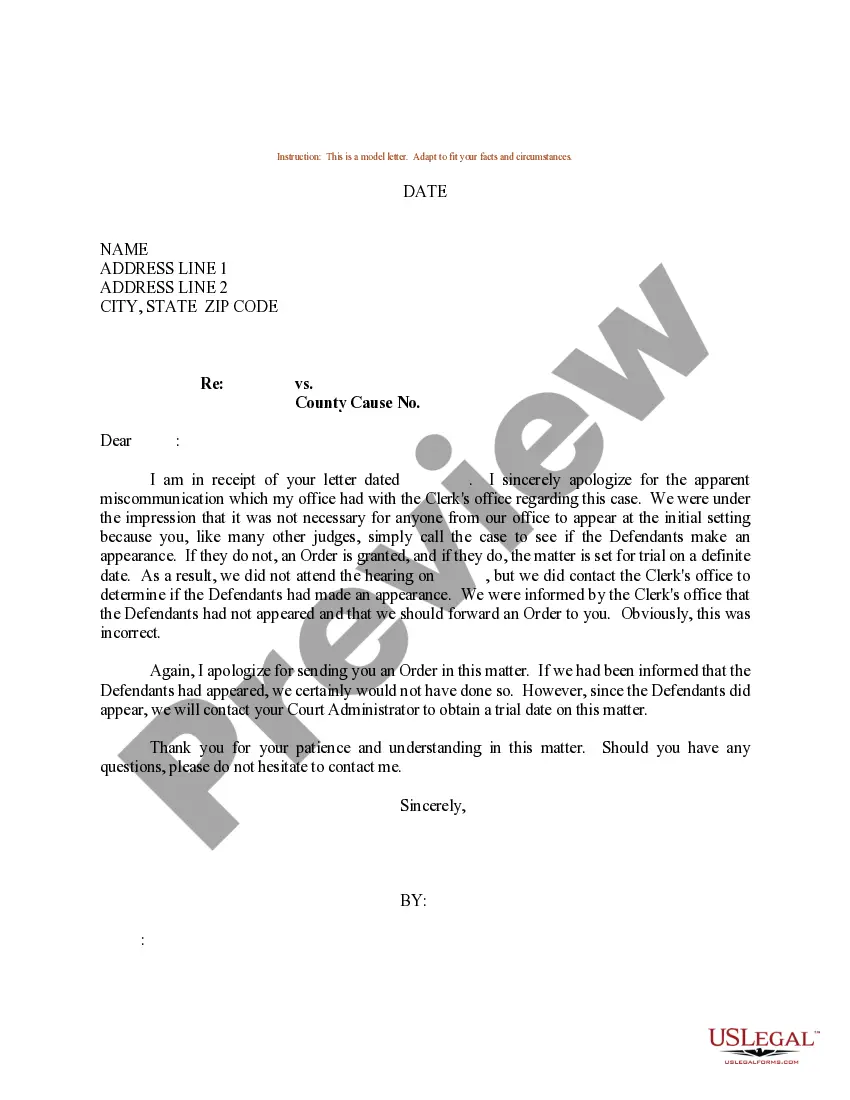
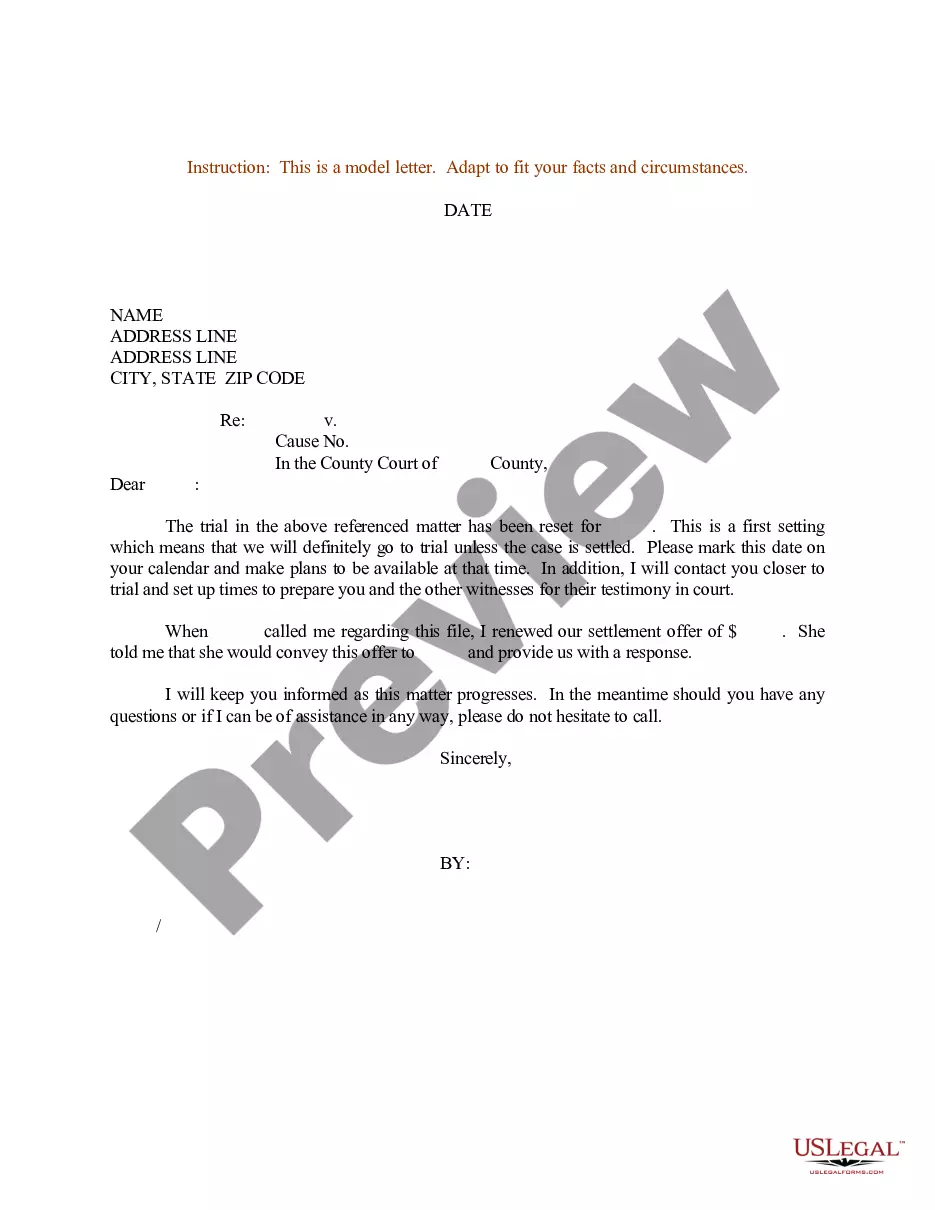
Get your form ready online
Our built-in tools help you complete, sign, share, and store your documents in one place.
Make edits, fill in missing information, and update formatting in US Legal Forms—just like you would in MS Word.
Download a copy, print it, send it by email, or mail it via USPS—whatever works best for your next step.
Sign and collect signatures with our SignNow integration. Send to multiple recipients, set reminders, and more. Go Premium to unlock E-Sign.
If this form requires notarization, complete it online through a secure video call—no need to meet a notary in person or wait for an appointment.
We protect your documents and personal data by following strict security and privacy standards.

Make edits, fill in missing information, and update formatting in US Legal Forms—just like you would in MS Word.

Download a copy, print it, send it by email, or mail it via USPS—whatever works best for your next step.

Sign and collect signatures with our SignNow integration. Send to multiple recipients, set reminders, and more. Go Premium to unlock E-Sign.

If this form requires notarization, complete it online through a secure video call—no need to meet a notary in person or wait for an appointment.

We protect your documents and personal data by following strict security and privacy standards.
Looking for another form?

Form popularity
FAQ
The lawyer should send a disengagement letter to establish that the relationship is no longer continuing, and to refer the client to another lawyer. In the disengagement letter, the lawyer should warn the client of applicable time limitations, deadlines, and uncompleted investigation or casework.
There are two types of withdrawal: mandatory and voluntary. Mandatory withdrawal occurs where a circumstance arises under which an attorney must terminate the representation, while voluntary withdrawal occurs where circumstances permit the attorney to terminate the representation at the attorney's election.
Be Clear: Be direct and get straight to the point. Clearly state that you are terminating the attorney and briefly state the reasons why. Additionally, the termination letter should state that the attorney should immediately stop working on any pending matters.
The lawyer must warn the client before withdrawing under the circumstances. Paragraph (b)(6) permits a lawyer to withdraw with the consent of the client. Paragraph (b)(7) carries forward current rule 3-700(C)(3), which permits withdrawal if a lawyer is unable to work with co-counsel.
City / State / Zip Code Dear Client Name, I regret to inform you that we are terminating our representation of you in the describe matter. Your next step on this legal work should be to acquire the services of another attorney.
Send your lawyer something in writing, such as a letter or an email stating that you no longer need their services. Confirm that your communication was received. Keep a copy of any written correspondence that you send to your lawyer.
The lawyer must warn the client before withdrawing under the circumstances. Paragraph (b)(6) permits a lawyer to withdraw with the consent of the client. Paragraph (b)(7) carries forward current rule 3-700(C)(3), which permits withdrawal if a lawyer is unable to work with co-counsel.
A disengagement letter is especially critical when a lawyer decides not to continue past a specific stage in a case. The lawyer should send a disengagement letter to establish that the relationship is no longer continuing, and to refer the client to another lawyer.
Common reasons clients file a complaint against their attorney: Your lawyer doesn't respond to your attempts at contact and refuses to return telephone calls and emails. You're told a settlement check was sent to your attorney, but your lawyer never informs you of it.

