Wholesale Agreement Contract For Real Estate In Bronx
Description

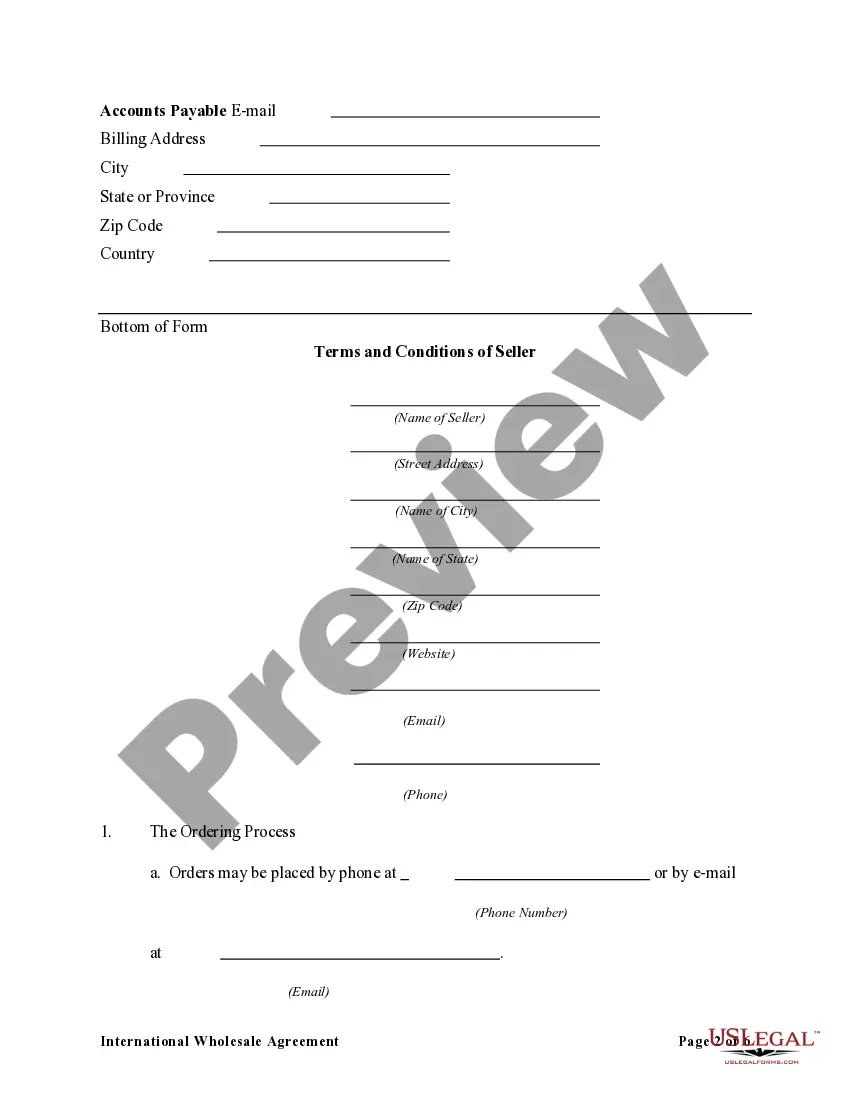
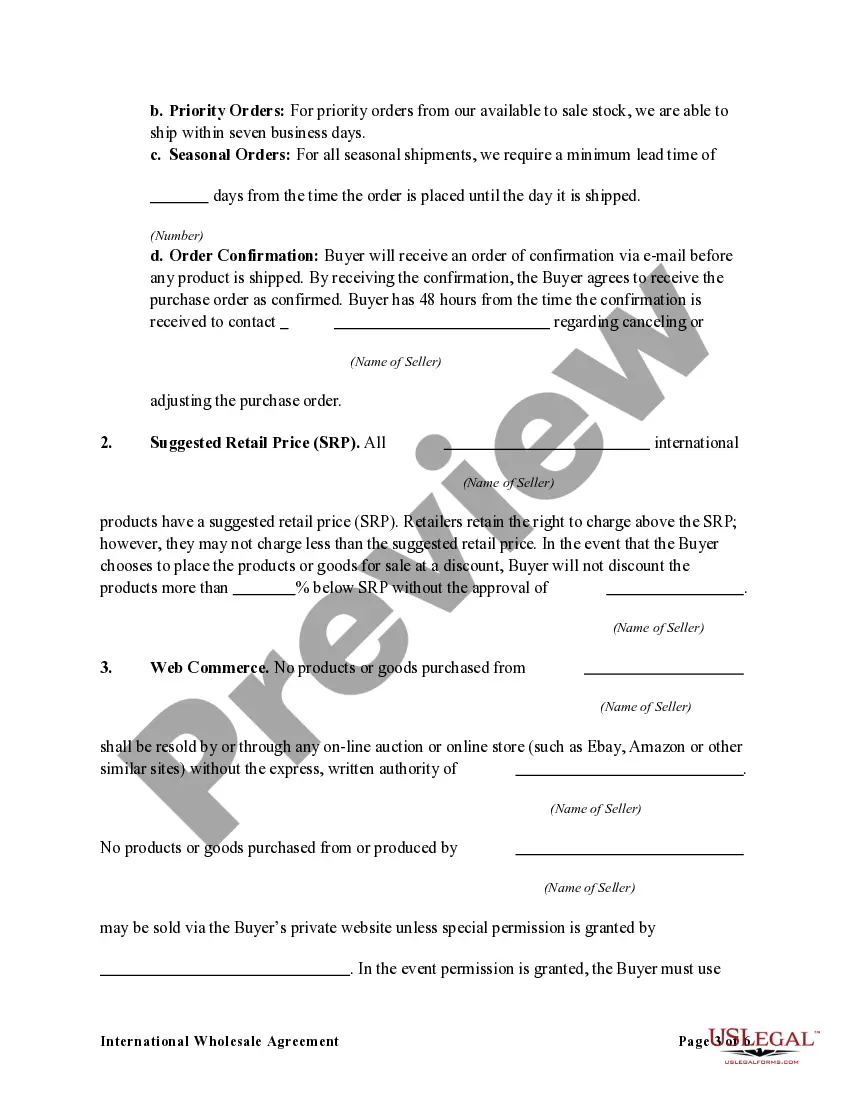
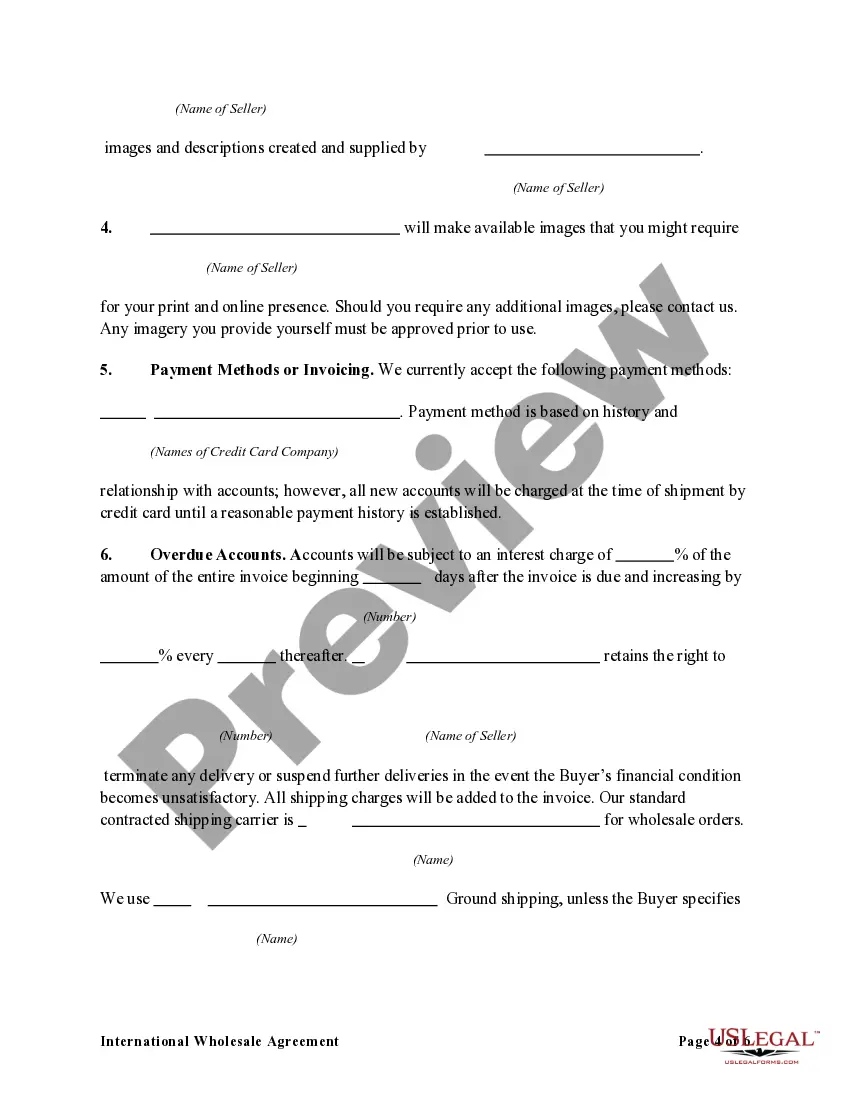
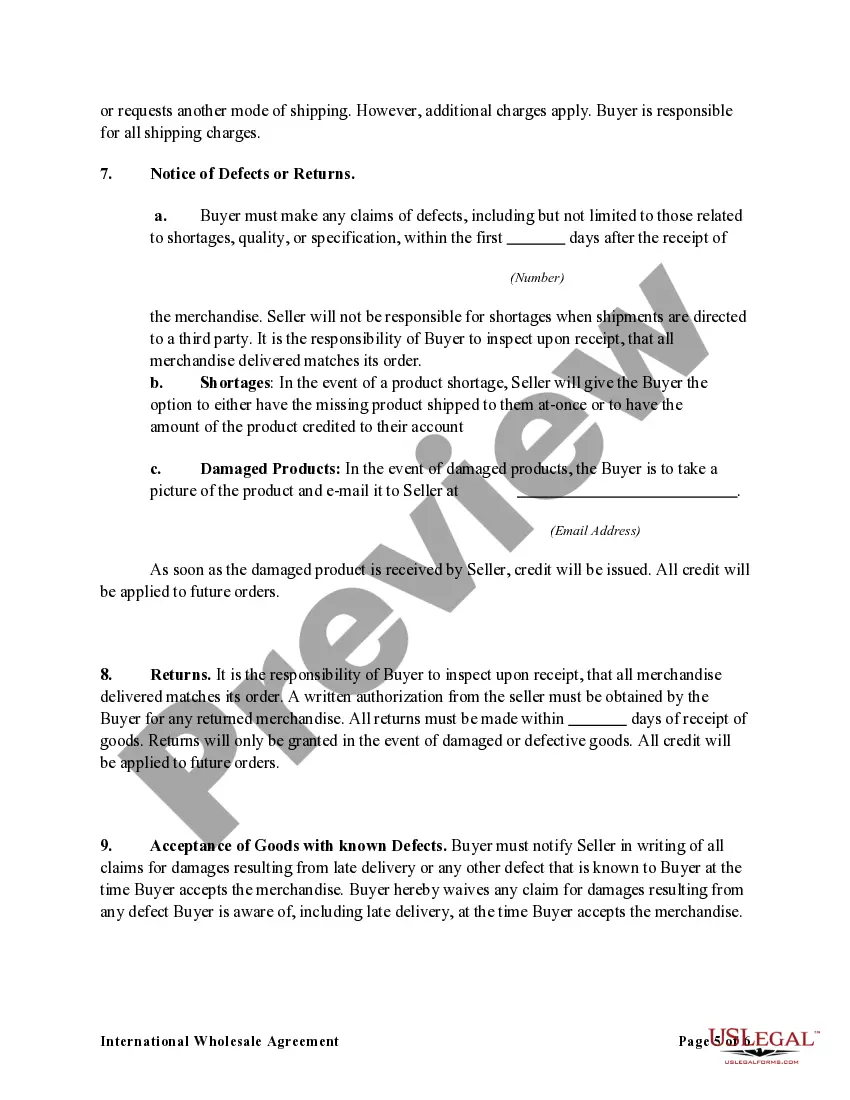
Get your form ready online
Our built-in tools help you complete, sign, share, and store your documents in one place.
Make edits, fill in missing information, and update formatting in US Legal Forms—just like you would in MS Word.
Download a copy, print it, send it by email, or mail it via USPS—whatever works best for your next step.
Sign and collect signatures with our SignNow integration. Send to multiple recipients, set reminders, and more. Go Premium to unlock E-Sign.
If this form requires notarization, complete it online through a secure video call—no need to meet a notary in person or wait for an appointment.
We protect your documents and personal data by following strict security and privacy standards.

Make edits, fill in missing information, and update formatting in US Legal Forms—just like you would in MS Word.

Download a copy, print it, send it by email, or mail it via USPS—whatever works best for your next step.

Sign and collect signatures with our SignNow integration. Send to multiple recipients, set reminders, and more. Go Premium to unlock E-Sign.

If this form requires notarization, complete it online through a secure video call—no need to meet a notary in person or wait for an appointment.

We protect your documents and personal data by following strict security and privacy standards.
Looking for another form?


Form popularity
FAQ
Write the contract in six steps Start with a contract template. Open with the basic information. Describe in detail what you have agreed to. Include a description of how the contract will be ended. Write into the contract which laws apply and how disputes will be resolved. Include space for signatures.
Real estate contracts commonly include the following information: Parties involved: The names and contact information of the buyer(s) and seller(s). Property description: A detailed description of the property, including its address, legal description, and any specific features.
Writing your own contracts is perfectly possible, and legal. But it's also an incredibly bad idea. There's two reasons for this: Property law is complicated. Because it's such a fundamental part of legislation, it's often lots and lots of different laws layered on top of each other.
The wholesaler contracts with the seller and structures the deal as a middleman. The buyer is buying the contract and, ultimately, the property.
Wholesaling real estate in New York is legal as long as wholesalers operate within the state laws and guidelines. There are three different strategies that wholesalers can use to legally operate in New York.
Yes, it is lawful to wholesale real estate in New York if the transaction stays within the legal boundaries set forth by New York law. A contract's assignability is delineated by the contract's intent. This means that a party to a contract must look to the contract's language to determine if it permits an assignment.
You need a New York State license to sell wholesale foods. Apply for a Wholesale Business Registration.
Is wholesaling real estate legal in all states? Yes, wholesaling real estate is legal in all states, but it's important to note that each state has its own specific laws and regulations governing the practice.
Yes, wholesaling is legal in California but there are more regulations for unlicensed wholesalers that you'll need to make yourself aware of.
