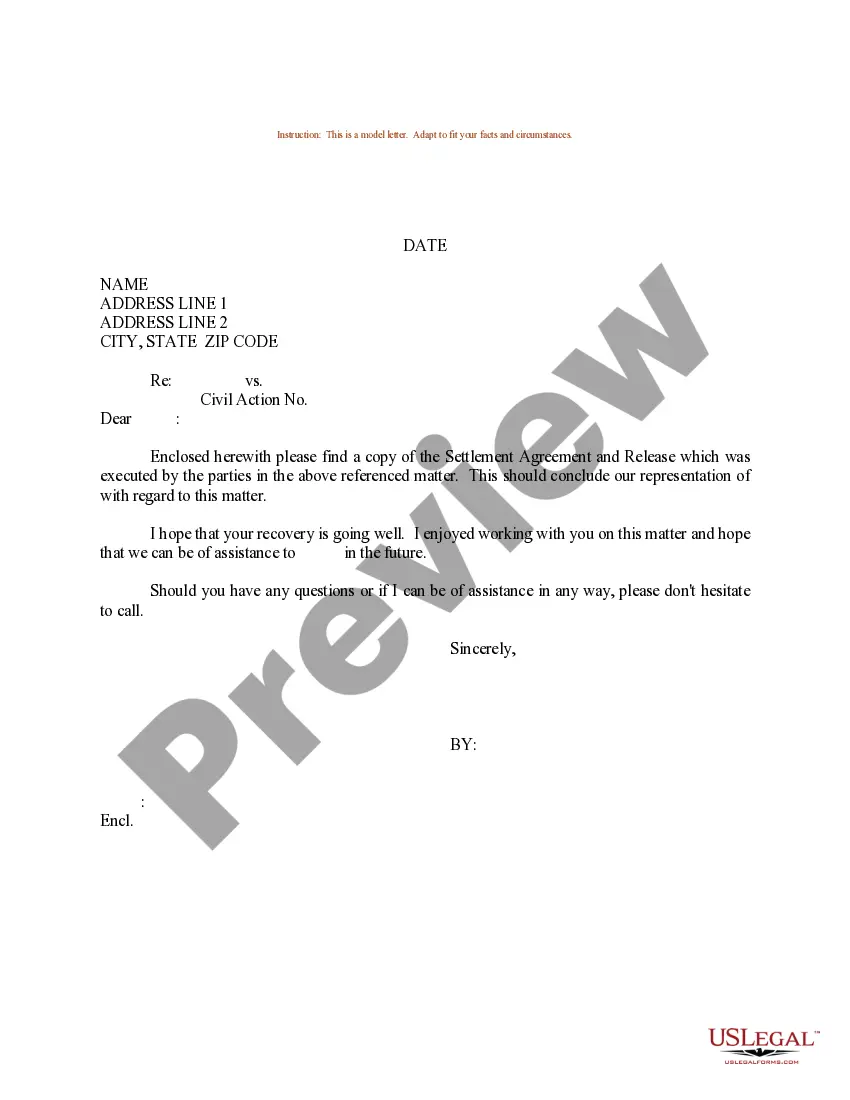
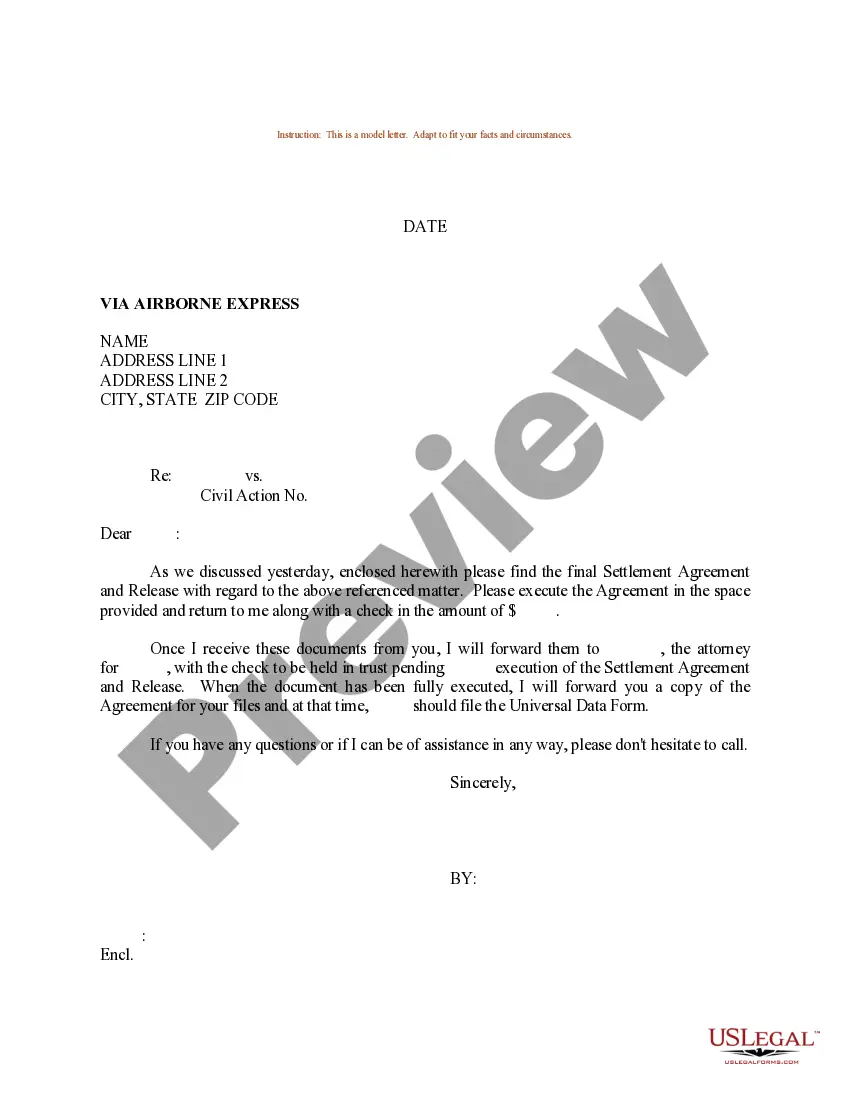
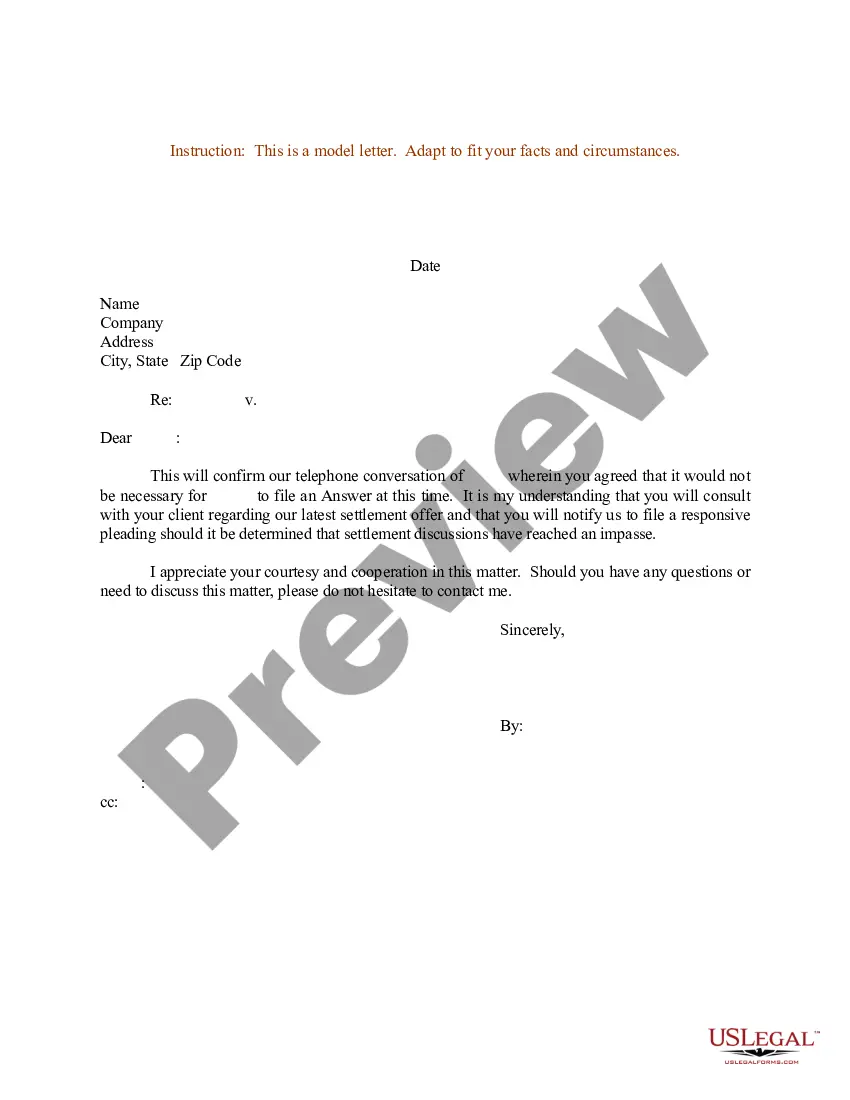
Settlement Confirmation Letter With Salary Requirements In California
Description


Get your form ready online
Our built-in tools help you complete, sign, share, and store your documents in one place.
Make edits, fill in missing information, and update formatting in US Legal Forms—just like you would in MS Word.
Download a copy, print it, send it by email, or mail it via USPS—whatever works best for your next step.
Sign and collect signatures with our SignNow integration. Send to multiple recipients, set reminders, and more. Go Premium to unlock E-Sign.
If this form requires notarization, complete it online through a secure video call—no need to meet a notary in person or wait for an appointment.
We protect your documents and personal data by following strict security and privacy standards.

Make edits, fill in missing information, and update formatting in US Legal Forms—just like you would in MS Word.

Download a copy, print it, send it by email, or mail it via USPS—whatever works best for your next step.

Sign and collect signatures with our SignNow integration. Send to multiple recipients, set reminders, and more. Go Premium to unlock E-Sign.

If this form requires notarization, complete it online through a secure video call—no need to meet a notary in person or wait for an appointment.

We protect your documents and personal data by following strict security and privacy standards.
Looking for another form?








Form popularity
FAQ
Know what to ask and what not to ask during employment... What was the employee's starting salary? ... What was the employee's starting position? ... Please describe your reporting relationship with the candidate? Please describe the key responsibilities of the candidate in his/her current position.
California law restricts employers from inquiring about a prospective employee's salary history during recruitment. Employers are typically allowed to reveal dates of employment, job title, and rehire eligibility during verification.
When you are applying for a job in California, employers cannot ask you about your salary history or the value of your benefits (such as health insurance policy limits). Nor can employers try to track down this information personally or through an agent or recruiter.
DATE. APPLICANT. Explain what duties/classification the incumbent is being considered for. Verify the employment information provided by the applicant. How long did you supervise the candidate? ... Please comment on the following: (a) Attendance? ... Do you have any reservations about recommending the candidate for this job?
What Income should I Include on my Covered California Health Insurance Application? Generally, the projected annual income on your Covered California application should match your Adjusted Gross Income (line 11 of Form 1040) from your most recent Federal Tax Return.
Questions to applicant's race, color, or sexual orientation. complexion, color of eyes, hair or sexual orientation. information which is otherwise illegal to ask, e.g , marital status, age, residency, etc.
Employment Verification Dates of employment, Title (job classification), Employment history (all position, dates and salary since date of hire), Gross salary for the past two years, Year to date salary, and. Annual salary.
California does not require employers to use E-Verify. California actually limits the use of E-Verify in several ways, including: The employer may not use E-Verify before an offer of employment is made. The employer cannot use E-Verify on existing employees.
Covered California will accept a clear, legible copy from the allowable document proof list from the following categories which you can click on for more details: Proof of Income, Proof of Citizenship or Lawful Presence, Proof of California Residency, and Proof of Minimum Essential Coverage.