Termination Of Contract For Breach In Ohio
Description
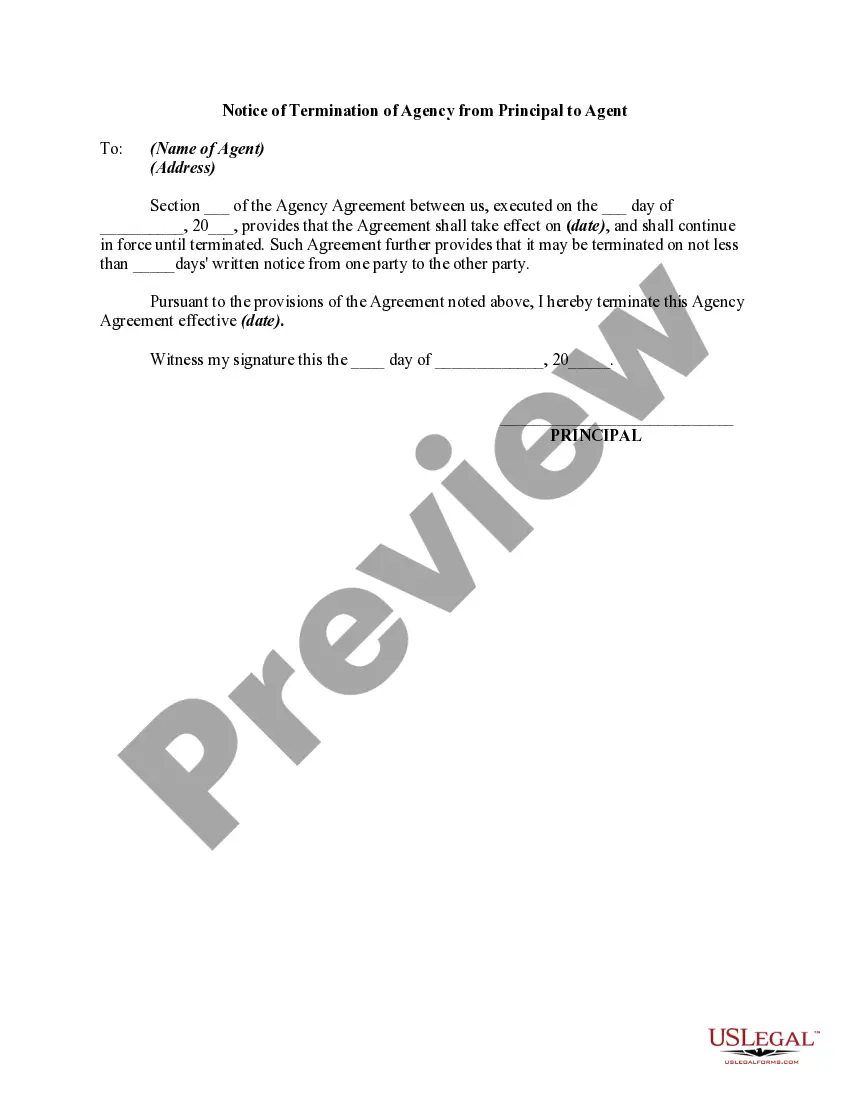
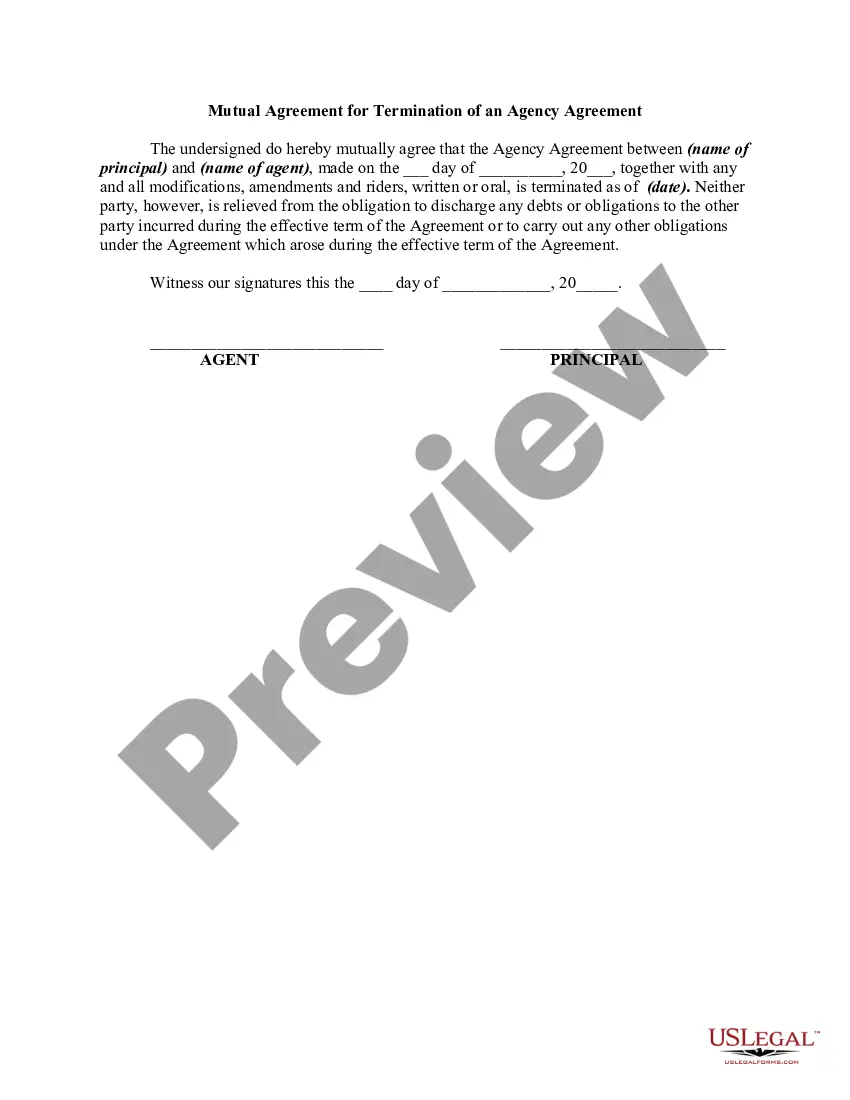
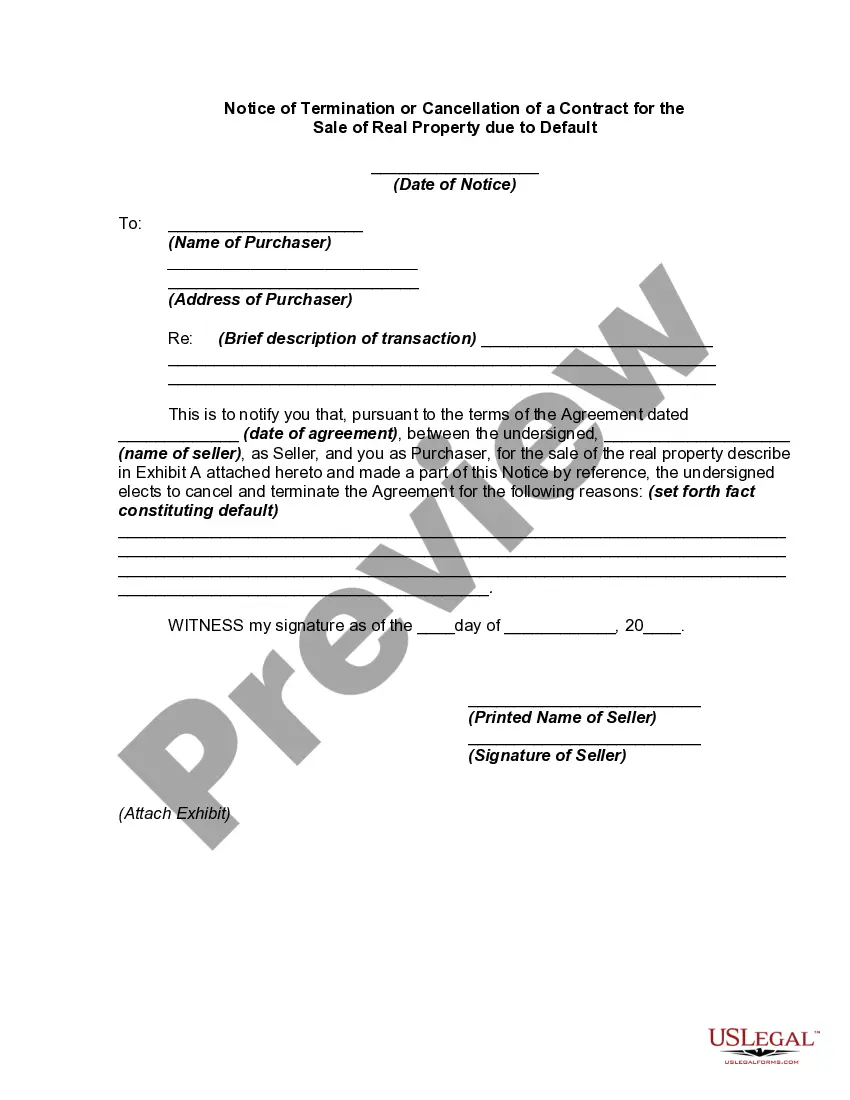

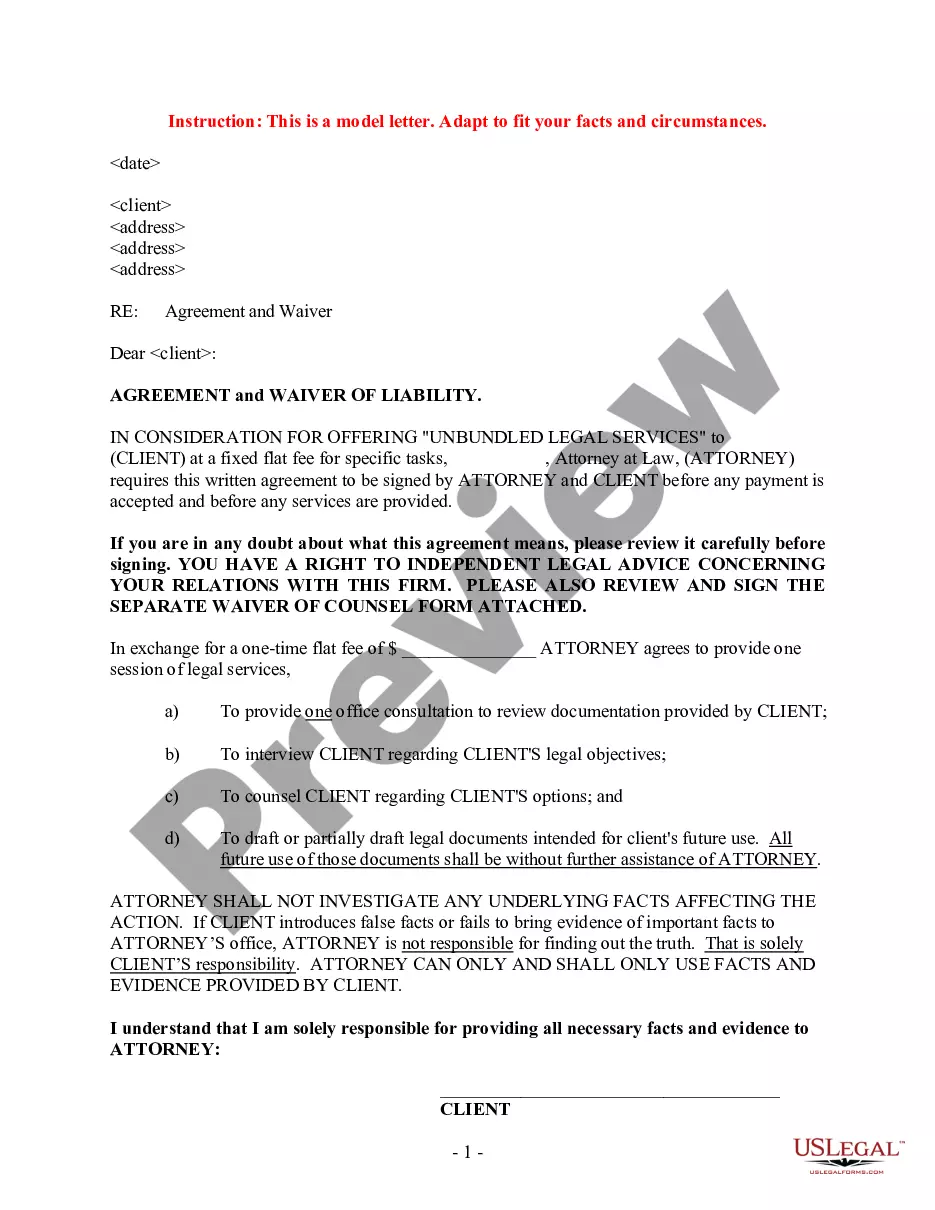
Get your form ready online
Our built-in tools help you complete, sign, share, and store your documents in one place.
Make edits, fill in missing information, and update formatting in US Legal Forms—just like you would in MS Word.
Download a copy, print it, send it by email, or mail it via USPS—whatever works best for your next step.
Sign and collect signatures with our SignNow integration. Send to multiple recipients, set reminders, and more. Go Premium to unlock E-Sign.
If this form requires notarization, complete it online through a secure video call—no need to meet a notary in person or wait for an appointment.
We protect your documents and personal data by following strict security and privacy standards.

Make edits, fill in missing information, and update formatting in US Legal Forms—just like you would in MS Word.

Download a copy, print it, send it by email, or mail it via USPS—whatever works best for your next step.

Sign and collect signatures with our SignNow integration. Send to multiple recipients, set reminders, and more. Go Premium to unlock E-Sign.

If this form requires notarization, complete it online through a secure video call—no need to meet a notary in person or wait for an appointment.

We protect your documents and personal data by following strict security and privacy standards.
Looking for another form?




Form popularity
FAQ
If one party neglects to fulfill the obligations outlined in the document, the non-breaching party may elect to terminate the contract. This may occur because the breaching party was unable to fulfill their responsibilities, or they did not fulfill them to the standard outlined and expected by their contract.
These may include the following. Specific performance. The non-breaching party may seek specific performance as a remedy for anticipatory breach of contract. Claim damages. Anticipatory breach of contract can result in financial losses for the non-breaching party. Rescission. Injunction:
Here is an example of a termination clause: “Party A and Party B have the right to terminate the Contract under material breach, change in circumstances, insolvency, and mutual agreement. To terminate the Contract, the terminating party must provide 30 days of written notice to the other party.
When the breach of contract is a serious breach or a breach of an essential term, the other party will have a right to terminate the contract or keep the contract going. However, your contract may require the hirer to provide you with a 'notice to remedy a breach' before it can be terminated.
Breach of the contract: All contract parties have a responsibility to perform obligations ing to the contract. If a party fails to perform them, blocks the other party from performing the same, or violates the terms of the contract, they will have breached the contract, and the contract can be terminated.
By agreement: The parties agree to end the contract by agreement, with another contract. by breach of contract: The innocent party has a right of termination for breach of contract, when party does not deliver what was promised and is in repudiatory breach, or another agreed standard of breach.
Breach of condition The innocent party will be discharged from future performance of the contract if the term breached qualifies as a condition, i.e. a vital term. Provided the term is a condition, the innocent party will be entitled to terminate the contract, no matter how minor the consequences of the breach.
Termination for breach Pursuant to Section applicable section of the Agreement, name of party sending the notice is hereby terminating the Agreement. Termination of the Agreement is effective immediately due to your violation of the terms and conditions of the Agreement.
The Agreement shall be terminated immediately and automatically upon the expiration of this notice period unless the breach has been timely cured by name of breaching party, if provided for in the subject agreement, add: without further notice or action by name of party sending the notice.

