End Of Contract Format In Fairfax
Description
Get your form ready online
Our built-in tools help you complete, sign, share, and store your documents in one place.
Make edits, fill in missing information, and update formatting in US Legal Forms—just like you would in MS Word.
Download a copy, print it, send it by email, or mail it via USPS—whatever works best for your next step.
Sign and collect signatures with our SignNow integration. Send to multiple recipients, set reminders, and more. Go Premium to unlock E-Sign.
If this form requires notarization, complete it online through a secure video call—no need to meet a notary in person or wait for an appointment.
We protect your documents and personal data by following strict security and privacy standards.

Make edits, fill in missing information, and update formatting in US Legal Forms—just like you would in MS Word.

Download a copy, print it, send it by email, or mail it via USPS—whatever works best for your next step.

Sign and collect signatures with our SignNow integration. Send to multiple recipients, set reminders, and more. Go Premium to unlock E-Sign.

If this form requires notarization, complete it online through a secure video call—no need to meet a notary in person or wait for an appointment.

We protect your documents and personal data by following strict security and privacy standards.
Looking for another form?


Form popularity
FAQ
Virginia Code section 36-105.4 states, “The owner or managing agent of a residential dwelling unit may develop and implement occupancy standards restricting the maximum number of occupants permitted to occupy a dwelling unit to two persons per bedroom, which is presumed to be reasonable.”
Laws determining occupancy limits vary from state to state, with some regions having stringent mandates and others having next to none. For example, California law enforces a “two plus one” formula for its occupancy limits, meaning two people can occupy each bedroom, with one additional person in a living space.
Zoning Ordinance and Safety Rules In general, no more than one family, plus two renters, may live in one house, or no more than four unrelated people may live in one house.
Can a home or dwelling unit have multiple renters? Generally, no more than one family, plus two renters, may live together as a single household. Or, no more than four unrelated people may live in one house as a single household.
Occupancy standards for residential dwelling units. The owner or managing agent of a residential dwelling unit may develop and implement occupancy standards restricting the maximum number of occupants permitted to occupy a dwelling unit to two persons per bedroom, which is presumed to be reasonable.
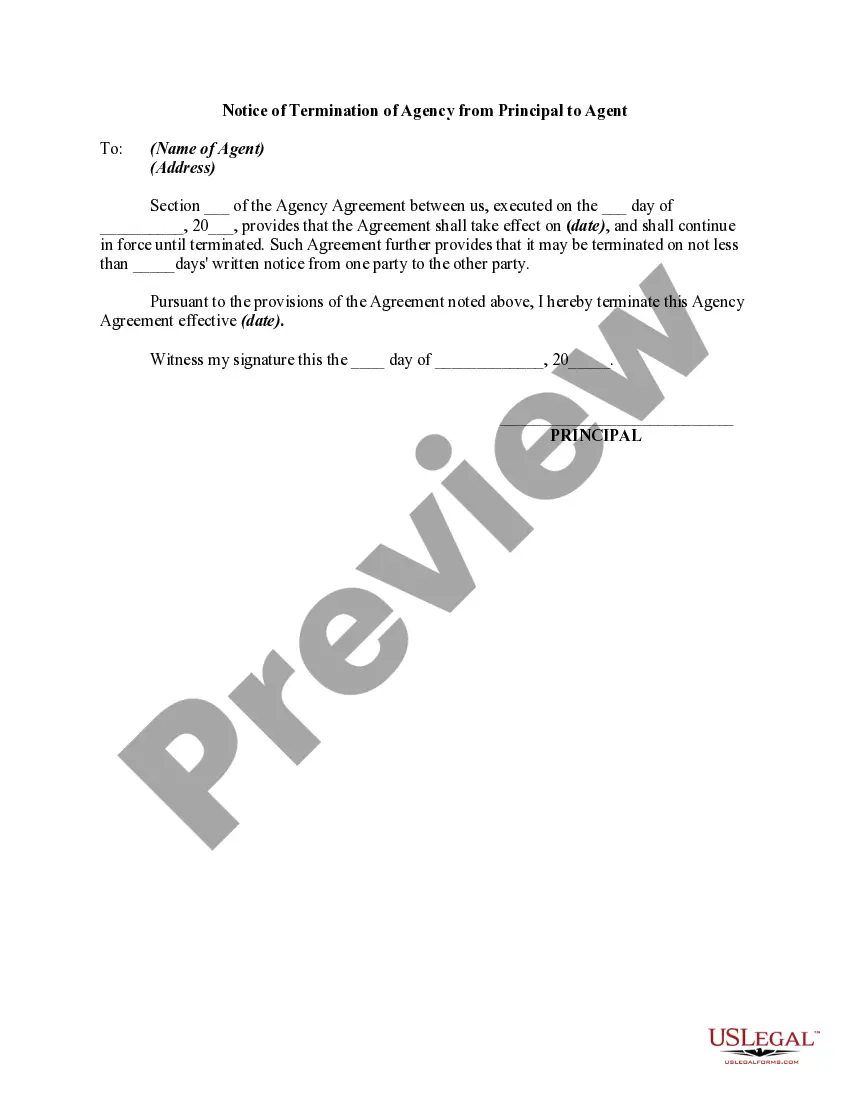
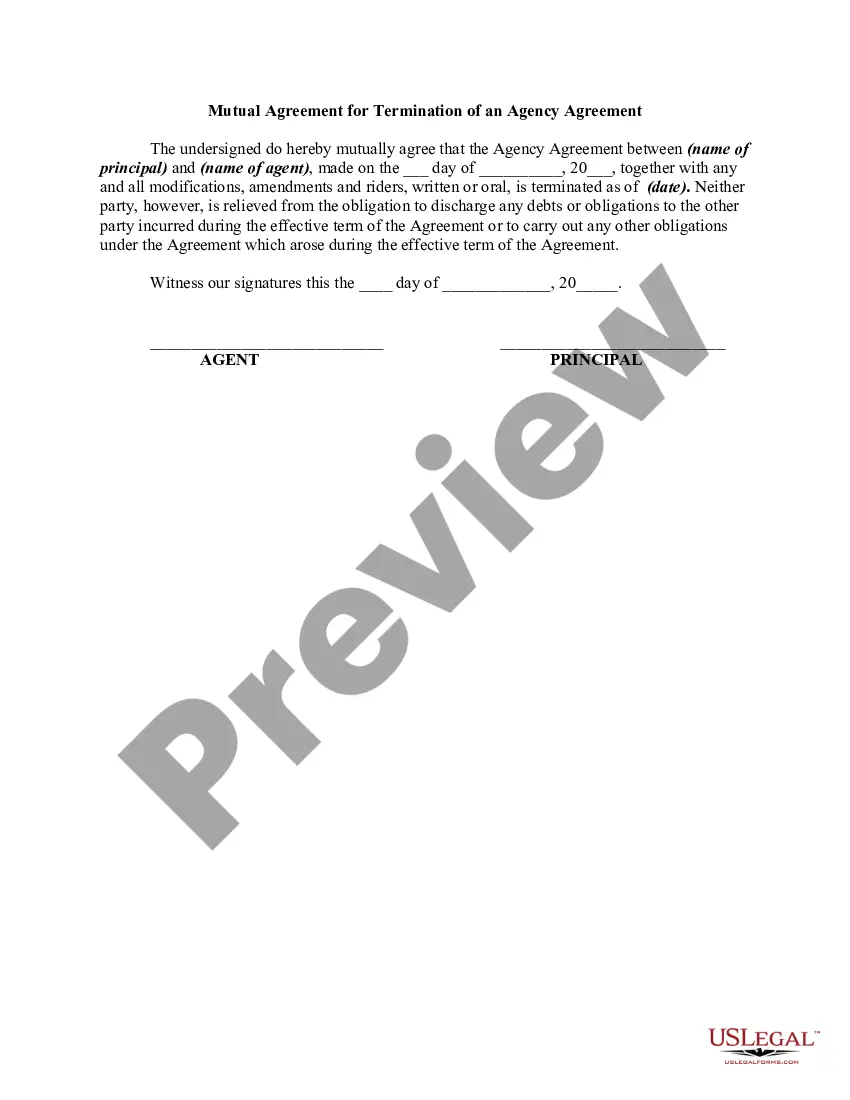
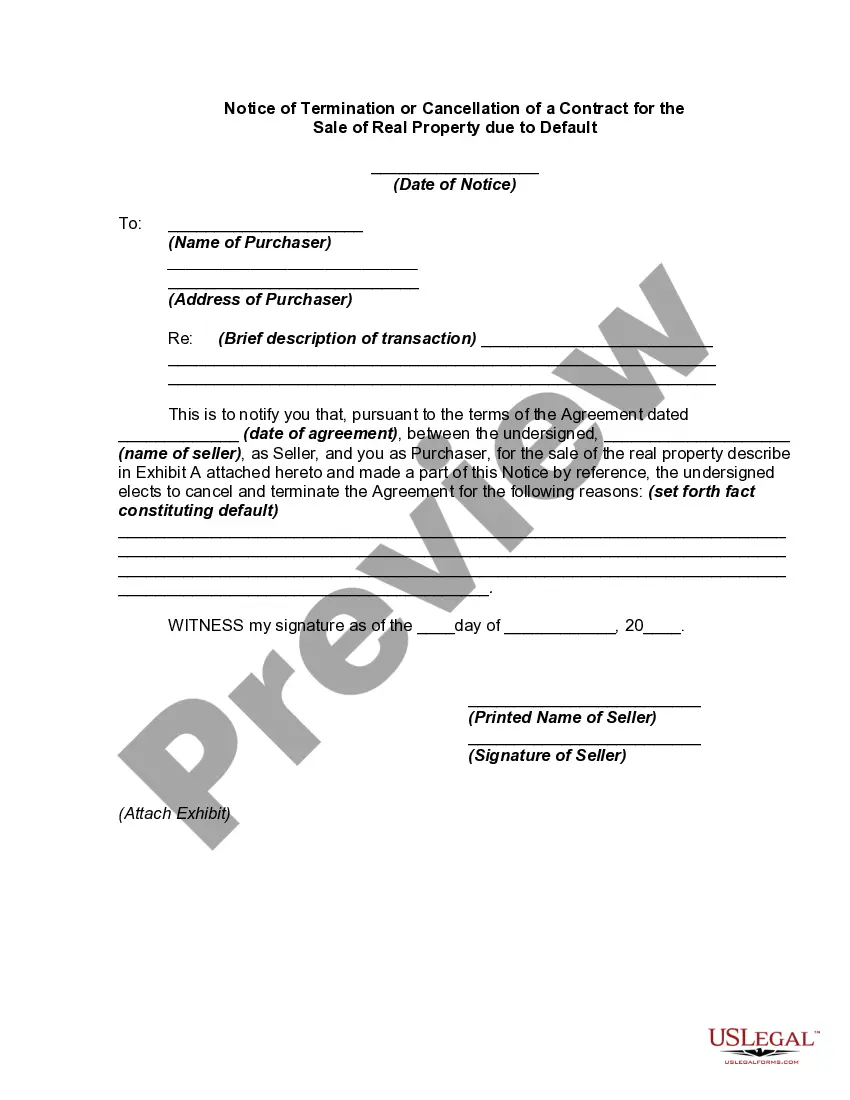
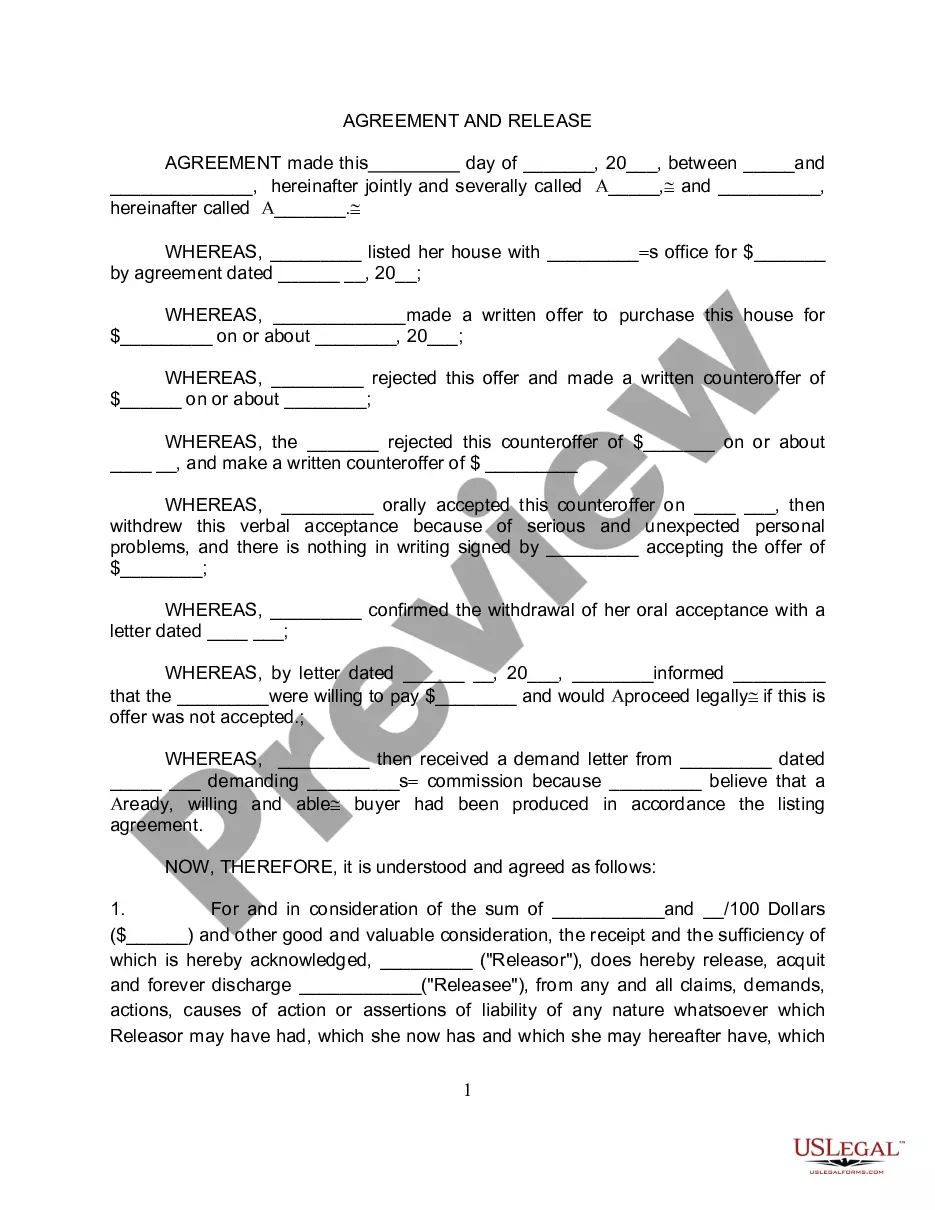
What Is Contract Termination? Contract termination involves ending an active contract before it is entirely performed per both parties' agreed-upon terms and conditions. If a written agreement is terminated before parties perform obligations, the requirement to fulfill these obligations becomes void.
What happens when a contract reaches the end of its lifecycle. Renewal or Extension: One of the most common outcomes when a contract expires is that the parties agree to renew or extend the agreement. Many contracts contain clauses that provide the option for renewal, either automatically or through a mutual decision.
Contract Lifecycle Management (CLM) consists of several key stages: contract creation, where the contract is drafted; review, where approvals are obtained; execution, where the contract is signed; management, where obligations are monitored; amendments, where updates are made as needed; renewal or termination, where ...
The best way to end a contract early is to speak with the party you're in contract with. Simple negotiation is often all it takes to reach a favorable resolution. If they don't agree to ending the contract early, consider getting a lawyer to help you determine your next best step.
What is contract termination? Contract termination is the process of ending a contract before the obligations within it have been fulfilled by all parties. This means that one or more parties have made the decision to conclude the contract earlier than they had originally agreed when drafting and signing it.

