No Breeding Rights Contract For Dogs In Wayne
Description
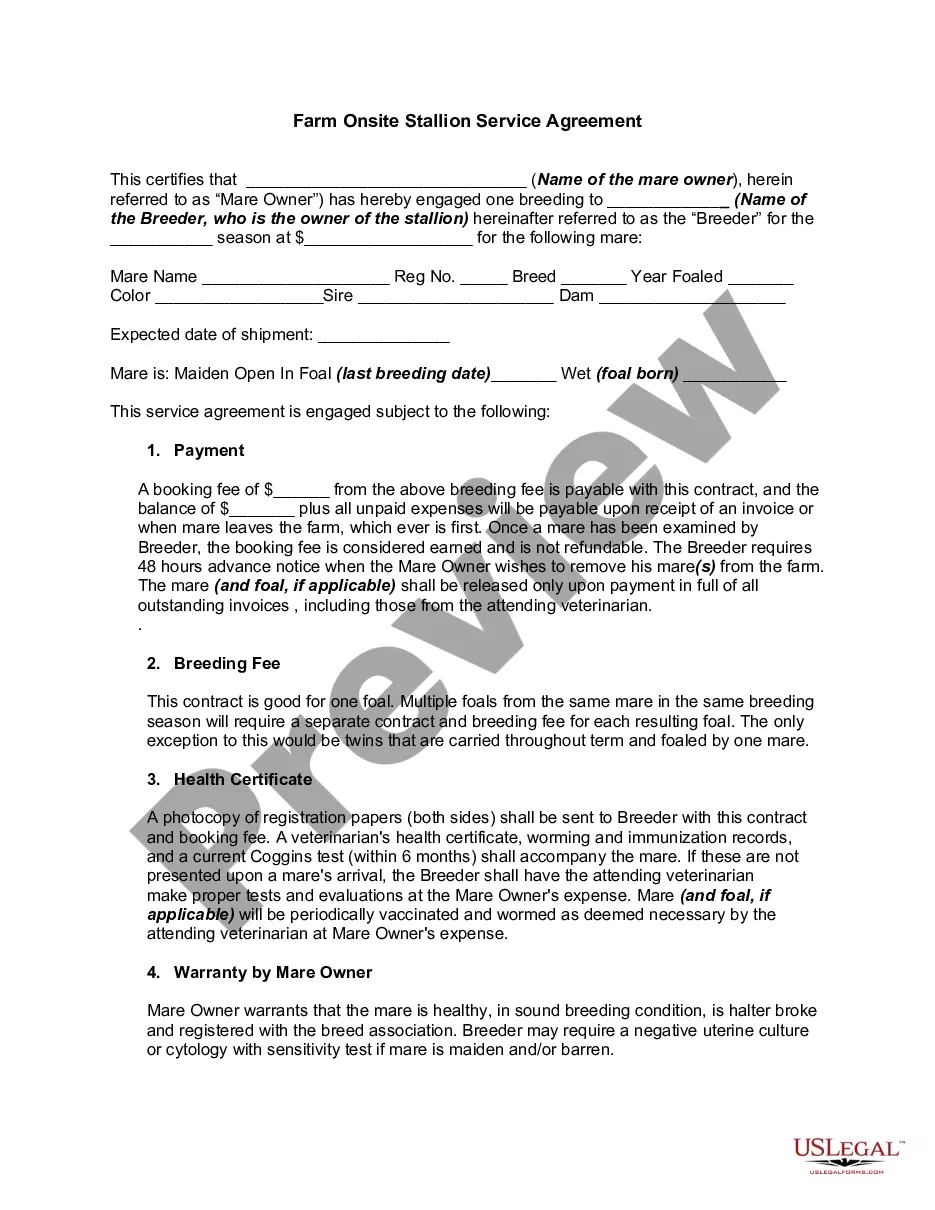
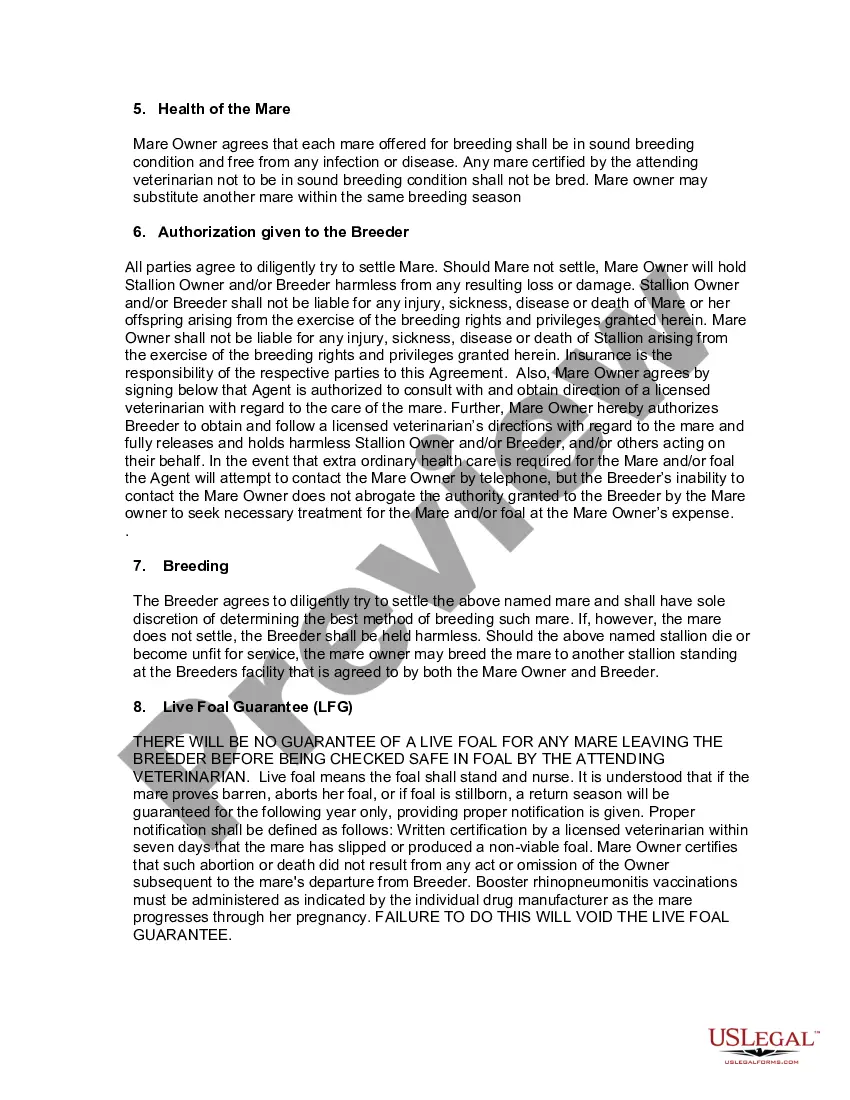
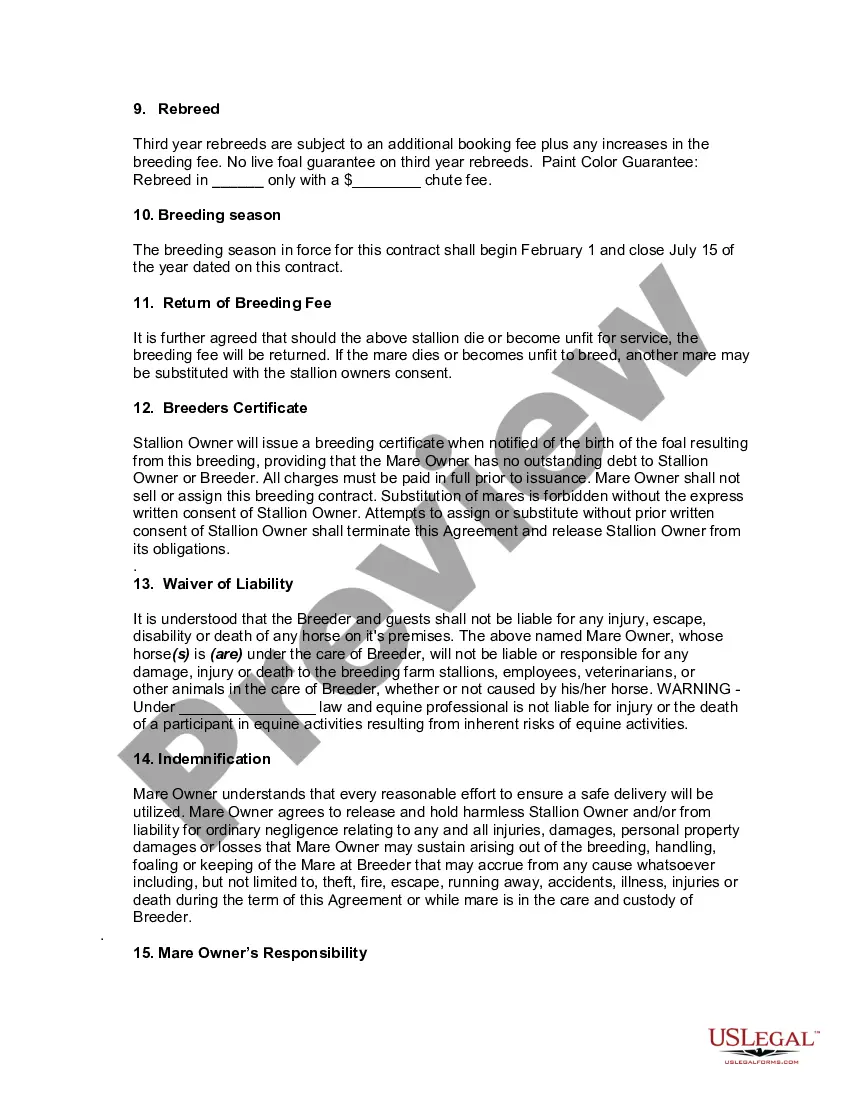
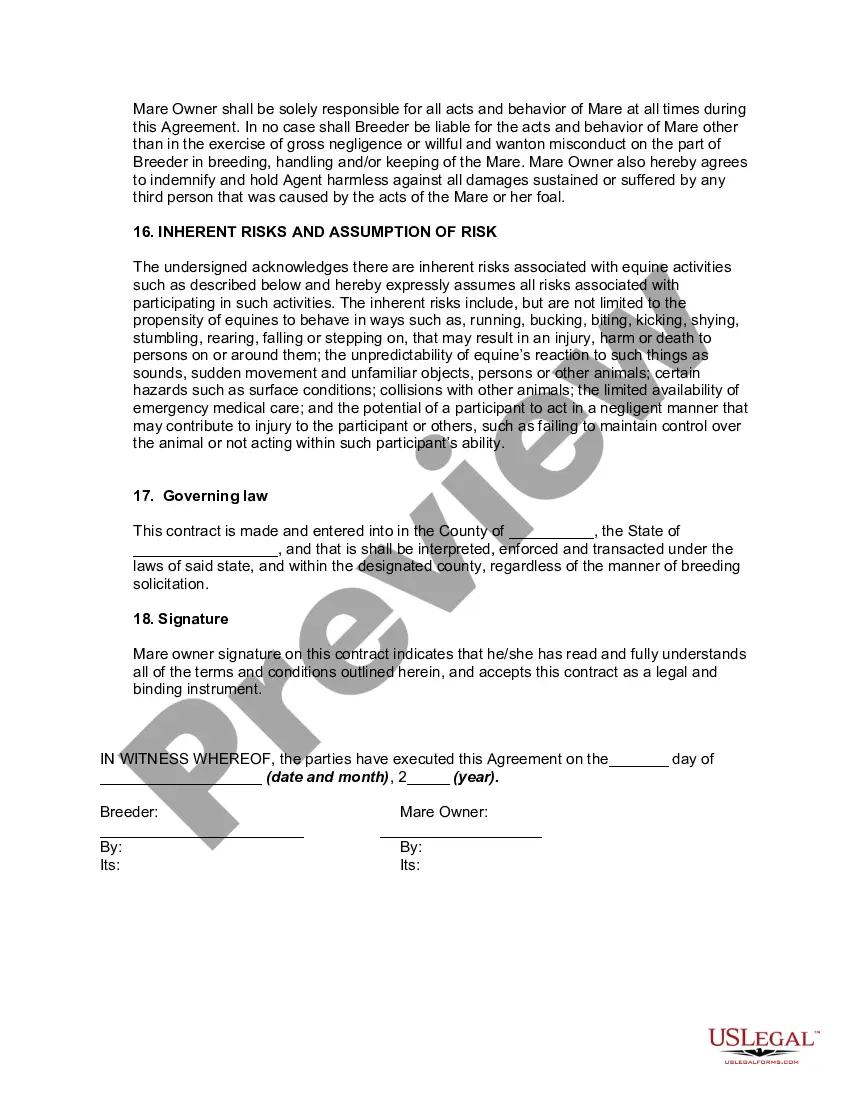
Get your form ready online
Our built-in tools help you complete, sign, share, and store your documents in one place.
Make edits, fill in missing information, and update formatting in US Legal Forms—just like you would in MS Word.
Download a copy, print it, send it by email, or mail it via USPS—whatever works best for your next step.
Sign and collect signatures with our SignNow integration. Send to multiple recipients, set reminders, and more. Go Premium to unlock E-Sign.
If this form requires notarization, complete it online through a secure video call—no need to meet a notary in person or wait for an appointment.
We protect your documents and personal data by following strict security and privacy standards.

Make edits, fill in missing information, and update formatting in US Legal Forms—just like you would in MS Word.

Download a copy, print it, send it by email, or mail it via USPS—whatever works best for your next step.

Sign and collect signatures with our SignNow integration. Send to multiple recipients, set reminders, and more. Go Premium to unlock E-Sign.

If this form requires notarization, complete it online through a secure video call—no need to meet a notary in person or wait for an appointment.

We protect your documents and personal data by following strict security and privacy standards.
Looking for another form?
Form popularity
FAQ
Breeding someone else's dog for profit without their permission and a clear agreement in place is both unethical and possibly illegal. It's crucial to honor the owner's rights and ensure the well-being of the animals involved.
One of the most important factors to consider is your dog's overall health. Not all dogs are suitable for breeding, and it's your responsibility to ensure your dog is in top physical condition. Genetic testing: Many breeds are prone to hereditary health issues such as hip dysplasia, heart disease, or certain cancers.
A limited registration means that the dog is pure-bred, but is not eligible to have its puppies registered. (They're not supposed to have puppies at all.) A full registration comes with breeding rights for the owner.
The short answer is no. One of the stipulations to register a litter of puppies with the AKC is that both parents must be registered with the AKC as purebred.To quote the AKC website:...
Only in the patchwork of laws on the local level is there any regulation of this breeding activity. The only federal law governing dog breeding is the Animal Welfare Act (AWA).
Dog breeders who breed puppies to be sold as pets must be USDA-licensed if they have more than four breeding females and sell puppies wholesale, or sight unseen, to pet stores, brokers and/or online.
Although there are many forms of remedies for a breach of contract, the two most applicable for breeders are damages and specific performance. Damages come in many forms, but the most common for breach of contract are compensatory damages.
In Canada, legislation specifically regulate the breeding and selling of animals. In most cases, the issue is dealt with in animal welfare and animal cruelty legislation. However, provincial laws and municipal bylaws often require operators to acquire permits for breeding animals for sale or for operating kennels.
As part of the new law, the province made it illegal to inbreed, breed a female dog more than three times in a two-year period and breed a female dog younger than a year old. The new law also makes it illegal to be a broker for puppy mills, something the proposed legislation initially missed.
(2) An operator must ensure that animals are not sold or rehomed before 8 weeks of age.
