Wrongful Interference With Goods In Washington
Description


Get your form ready online
Our built-in tools help you complete, sign, share, and store your documents in one place.
Make edits, fill in missing information, and update formatting in US Legal Forms—just like you would in MS Word.
Download a copy, print it, send it by email, or mail it via USPS—whatever works best for your next step.
Sign and collect signatures with our SignNow integration. Send to multiple recipients, set reminders, and more. Go Premium to unlock E-Sign.
If this form requires notarization, complete it online through a secure video call—no need to meet a notary in person or wait for an appointment.
We protect your documents and personal data by following strict security and privacy standards.

Make edits, fill in missing information, and update formatting in US Legal Forms—just like you would in MS Word.

Download a copy, print it, send it by email, or mail it via USPS—whatever works best for your next step.

Sign and collect signatures with our SignNow integration. Send to multiple recipients, set reminders, and more. Go Premium to unlock E-Sign.

If this form requires notarization, complete it online through a secure video call—no need to meet a notary in person or wait for an appointment.

We protect your documents and personal data by following strict security and privacy standards.
Looking for another form?

Form popularity
FAQ
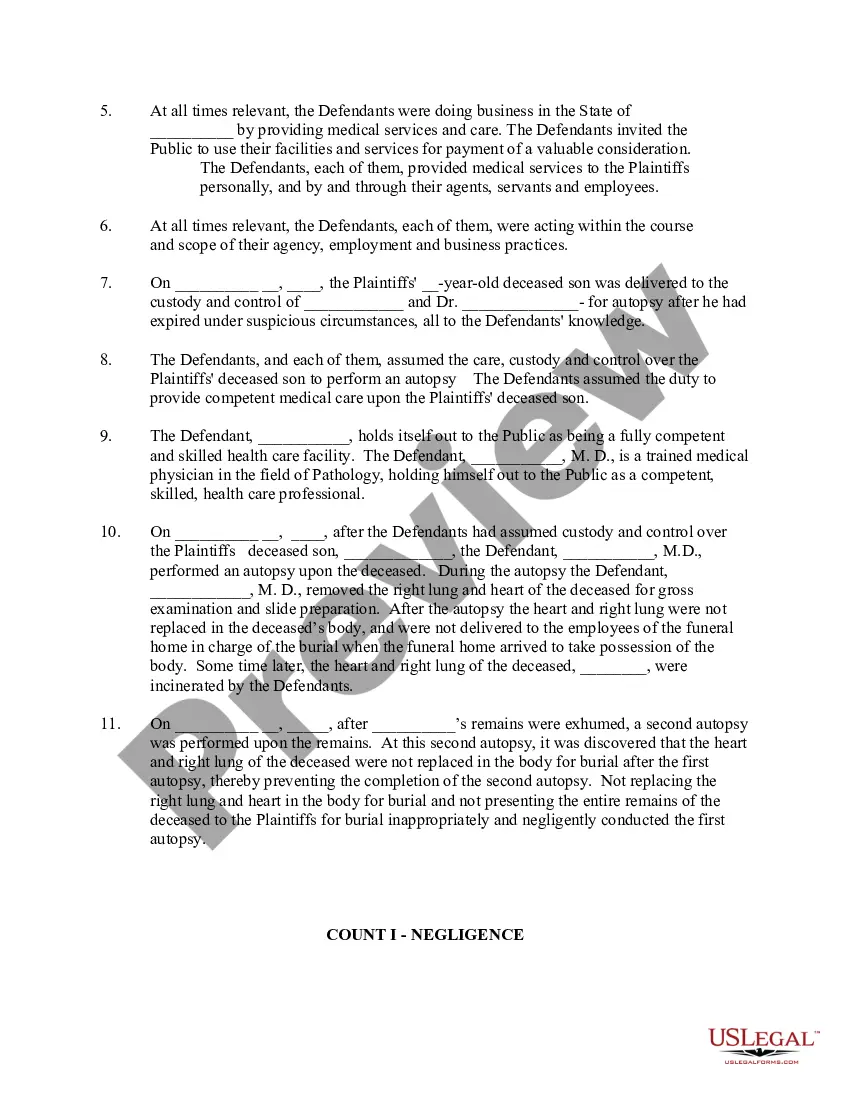
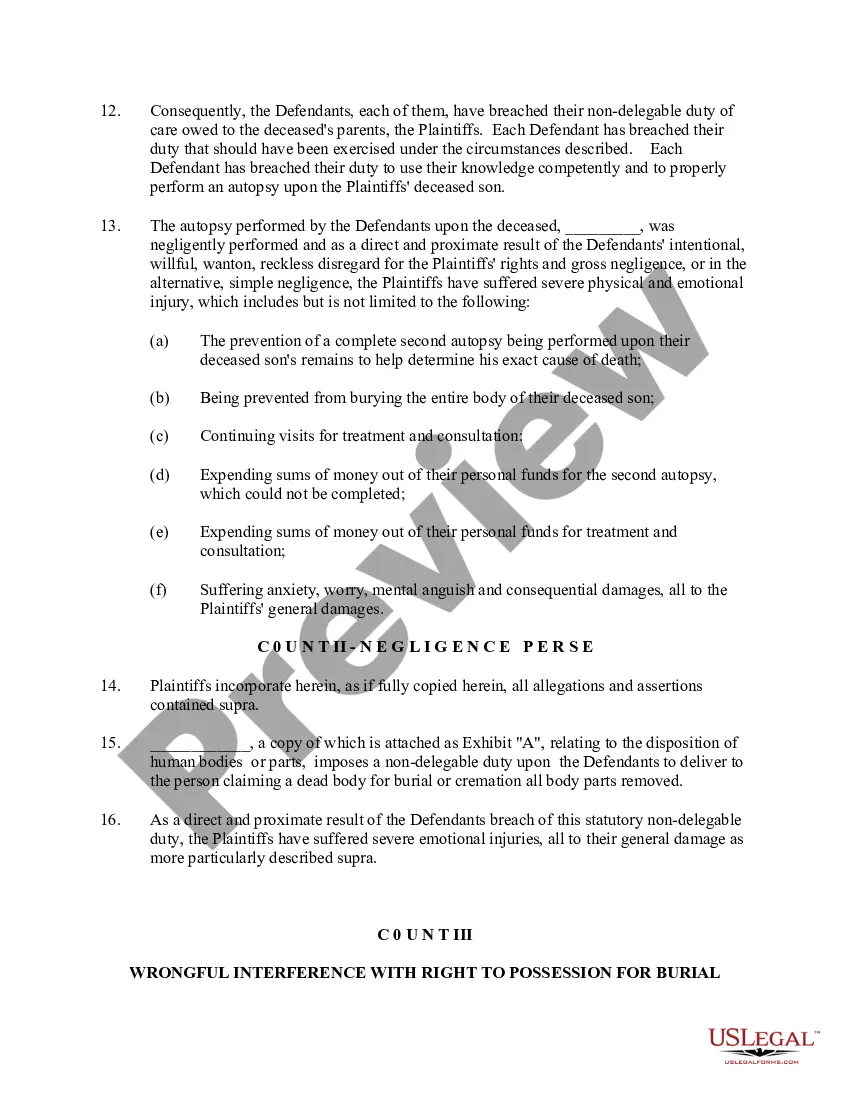
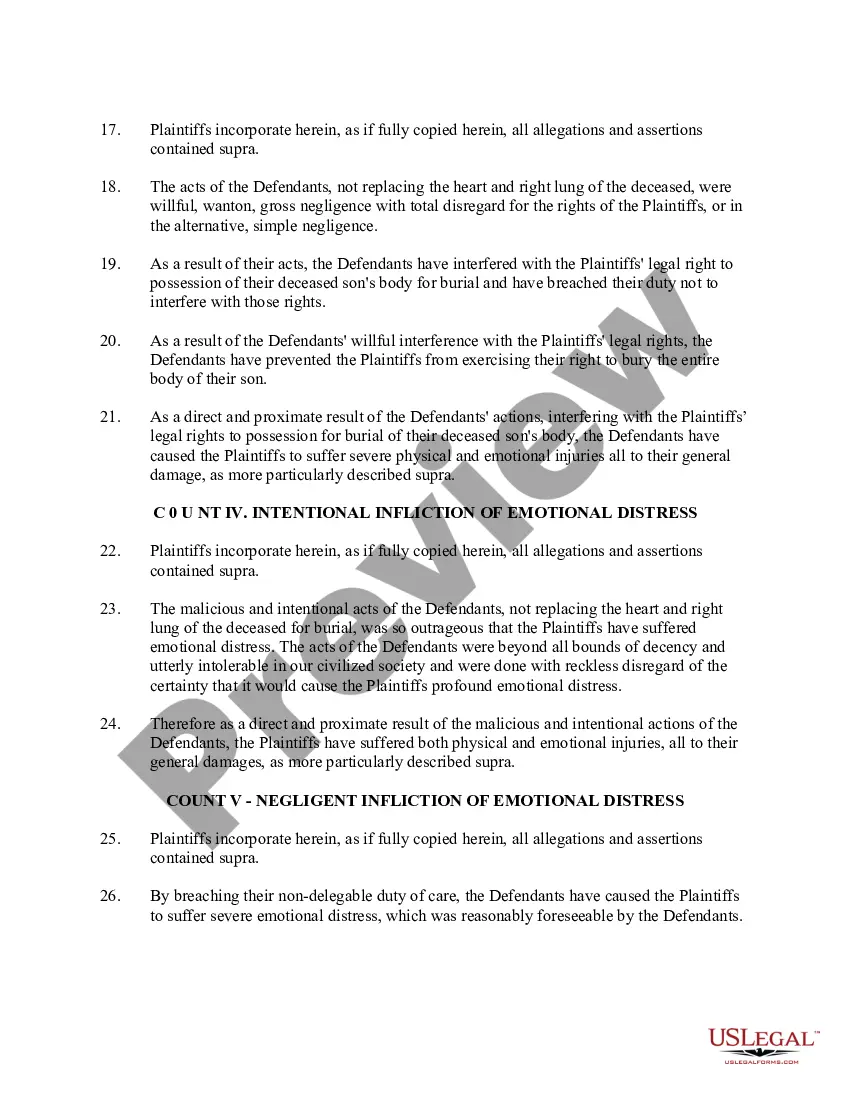
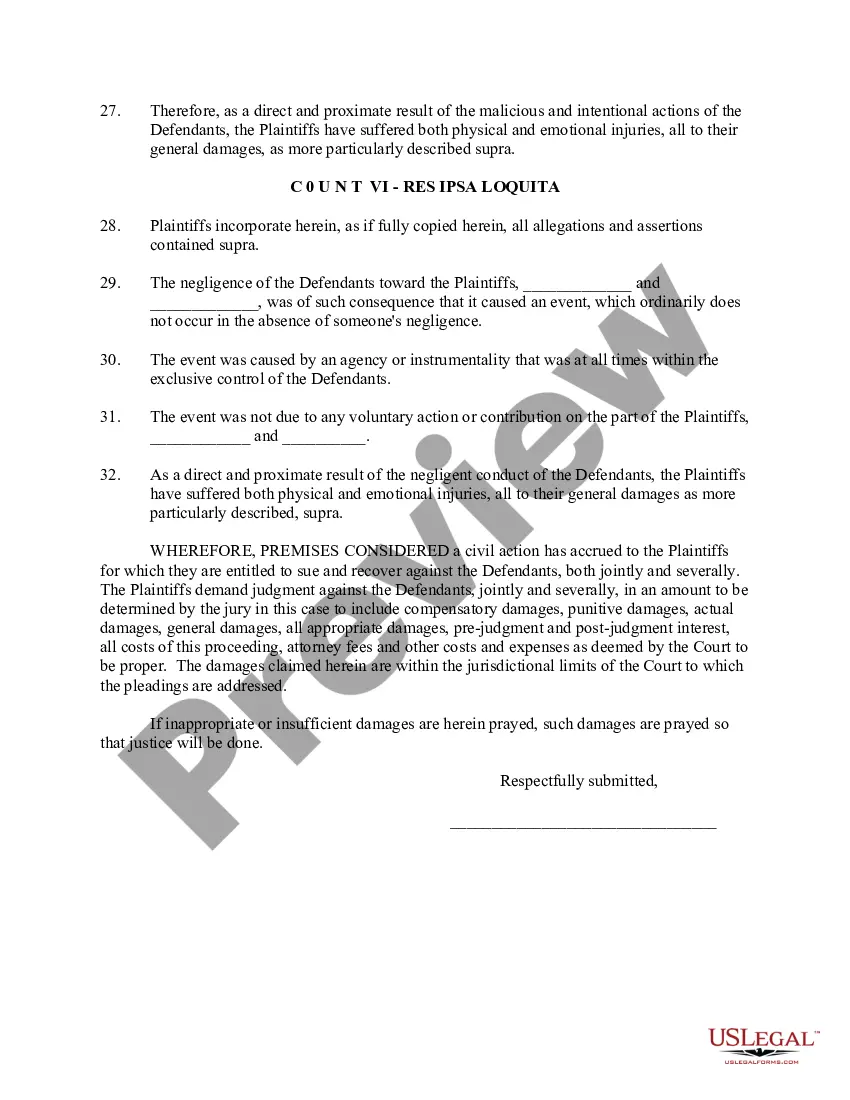
Broadly speaking, interference in a legal setting is wrongful conduct that prevents or disturbs another in the performance of their usual activities, in the conduct of their business or contractual relations, or in the enjoyment of their full legal rights.
3 Form of judgment where goods are detained. (1)In proceedings for wrongful interference against a person who is in possession or in control of the goods relief may be given in ance with this section, so far as appropriate. (c)damages.
Definition of “wrongful interference with goods” (a) conversion of goods (also called trover); (b) trespass to goods; (c) negligence so far as it results in damage to goods or to an interest in goods; (d) subject to section 2, any other tort so far as it results in damage to goods or to an interest in goods.
Tortious interference is when a party outside of a contract or business relationship interferes with your economic advantage or business contracts in a 'wrongful' manner. The law provides recourse through a claim for tortious interference with contractual or economic advantage.
The Torts (Interference with Goods) Act 1977 introduces a collective description ' wrongful interference with goods' to cover conversion, trespass to goods, negligence resulting in damage to goods or to an interest in goods and any other tort in so far as it results in damage to goods or an interest in goods.
The Torts (Interference with Goods) Act 1977 introduces a collective description ' wrongful interference with goods' to cover conversion, trespass to goods, negligence resulting in damage to goods or to an interest in goods and any other tort in so far as it results in damage to goods or an interest in goods.
As an example, someone could use blackmail to induce a contractor into breaking a contract; they could threaten a supplier to prevent them from supplying goods or services to another party; or they could obstruct someone's ability to honor a contract with a client by deliberately refusing to deliver necessary goods.
Example: If a person causes harm to another person or their property due to their negligence or intentional actions, it can be considered tortious conduct. For instance, if a driver runs a red light and hits a pedestrian, causing them injuries, the driver can be held liable for their tortious conduct.
Wrongful interference with property embraces three general categories: (1) damage to the property; (2) interference with the owner's property rights; and (3) interference with the owner's possession of the property.
1 Definition of “wrongful interference with goods”. (a)conversion of goods (also called trover), (b)trespass to goods, (c)negligence so far at it results in damage to goods or to an interest in goods. (d)subject to section 2, any other tort so far as it results in damage to goods or to an interest in goods.
