Wrongful Possession In Hindi Meaning In Chicago
Description

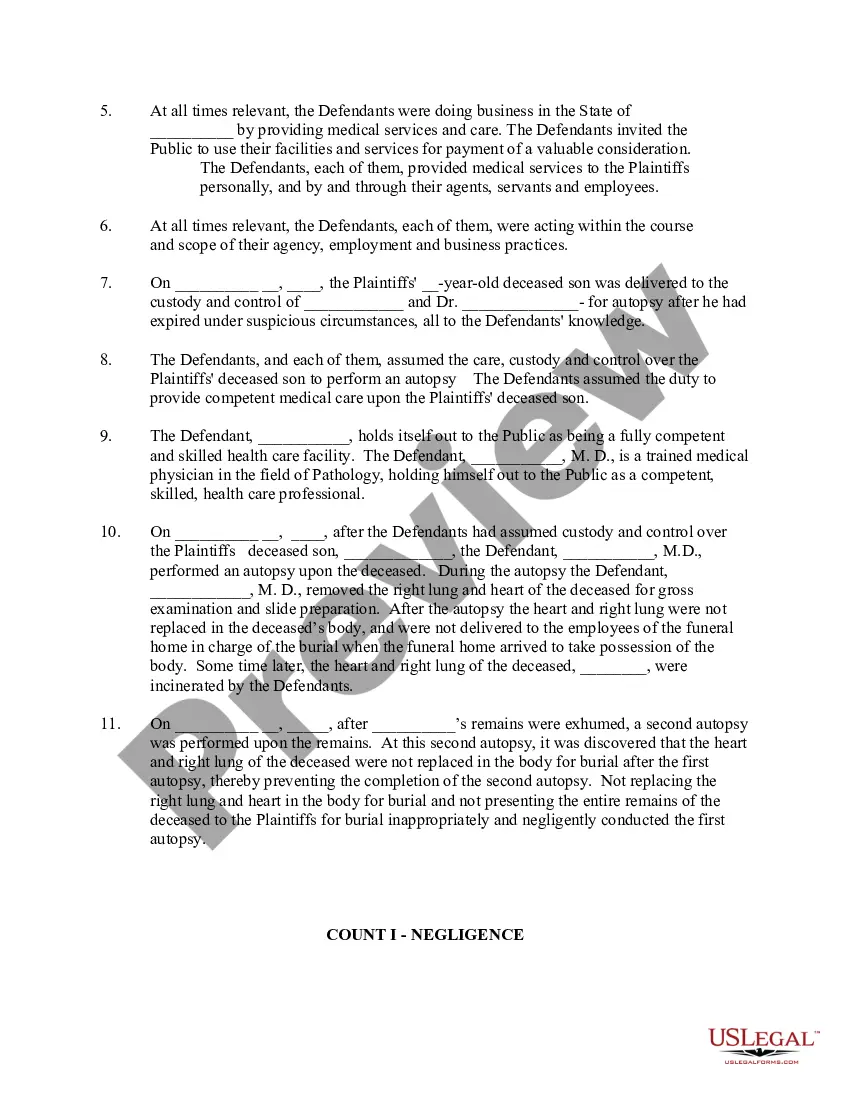
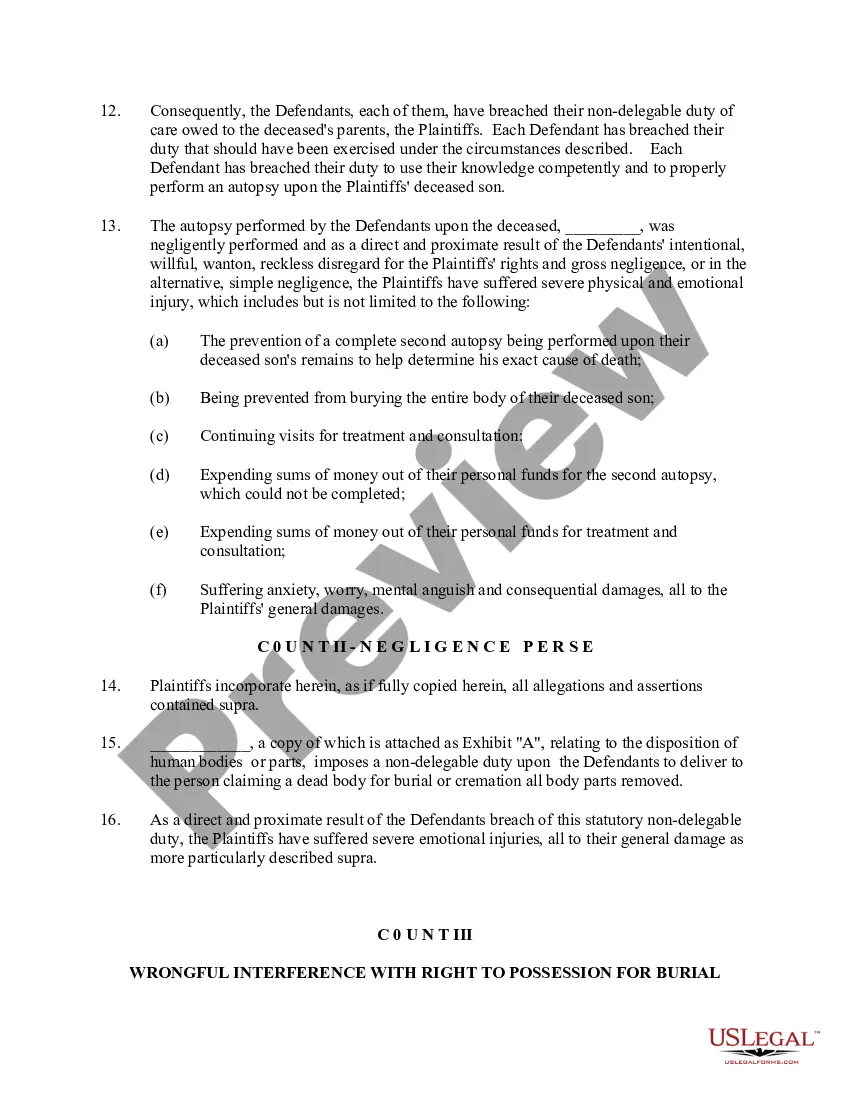
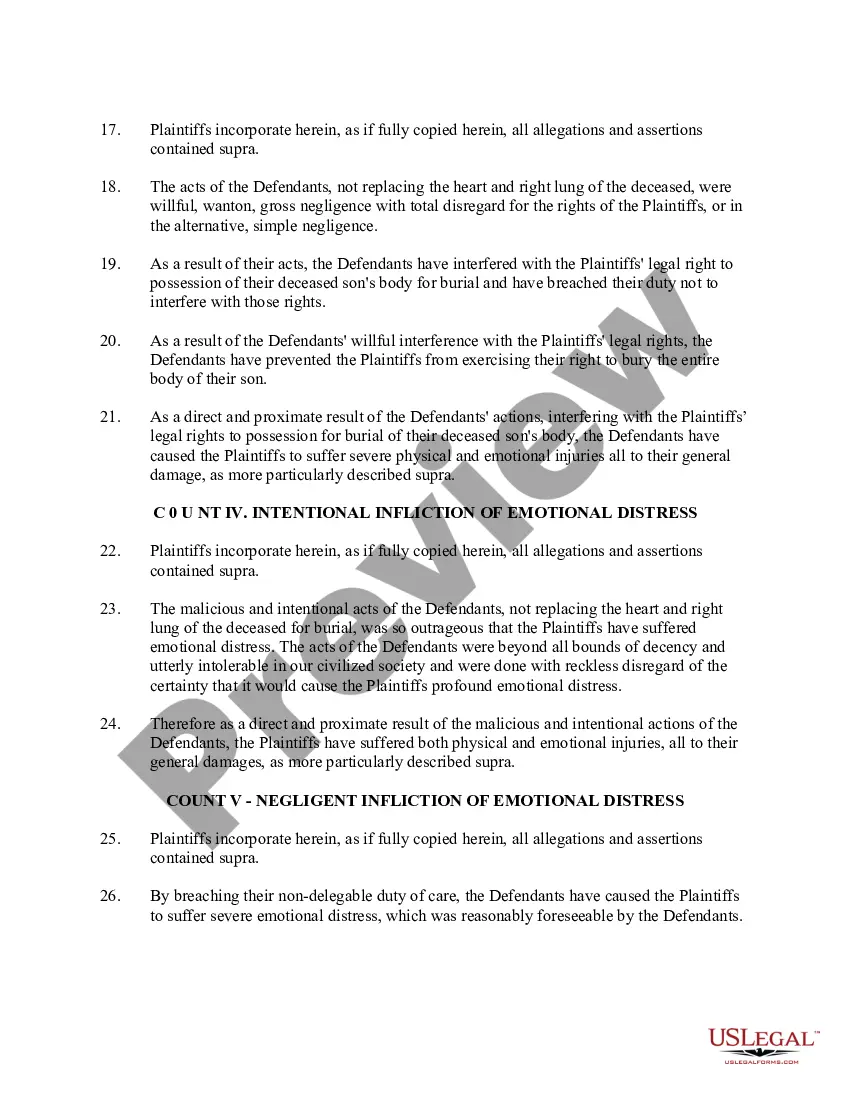
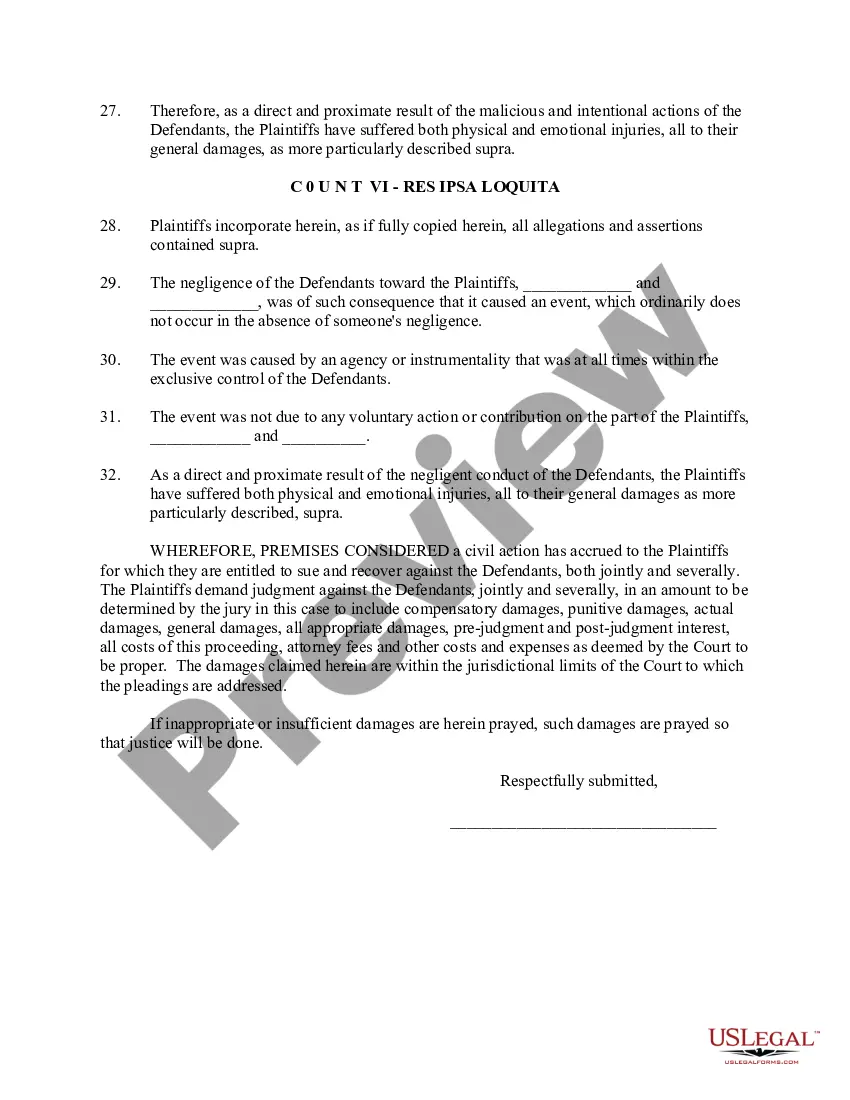

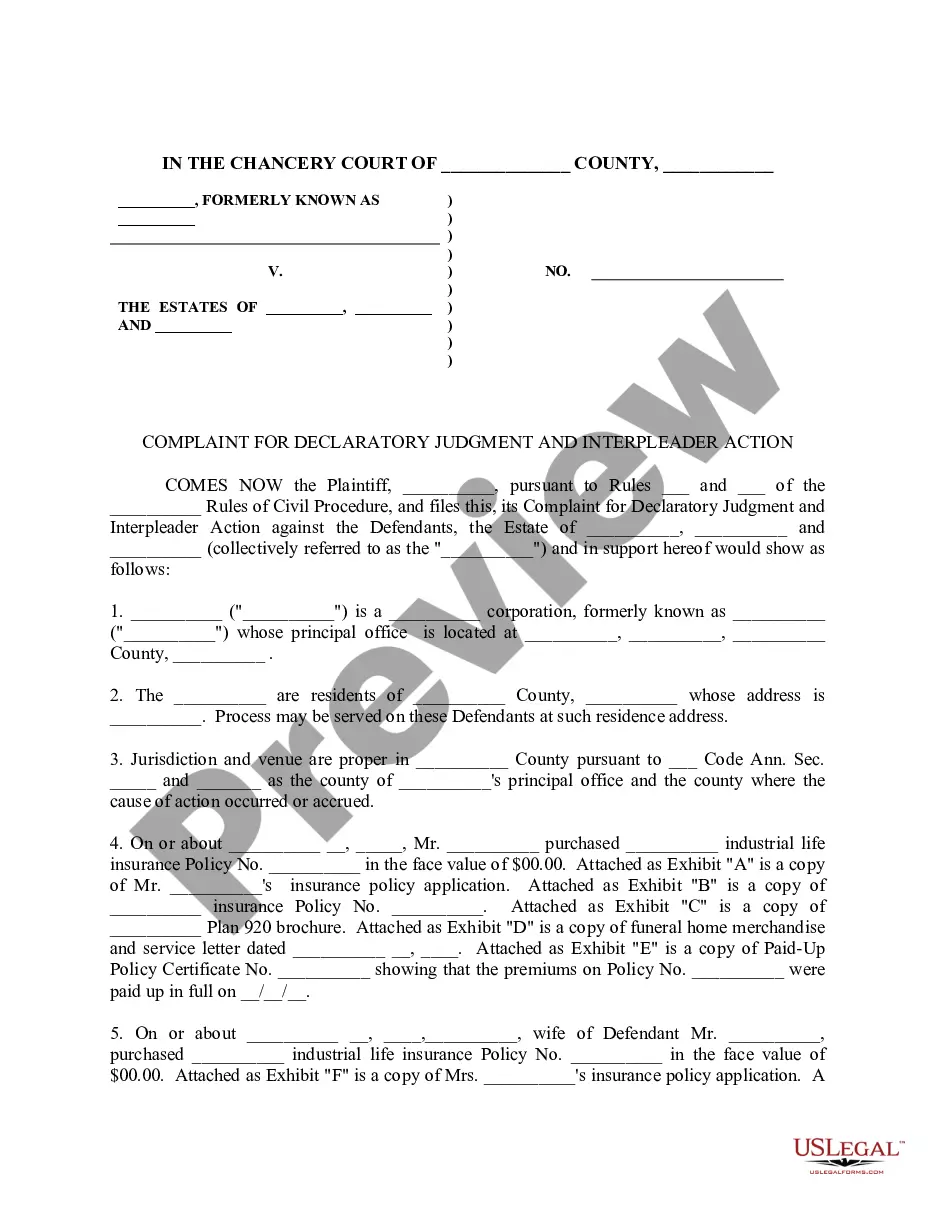
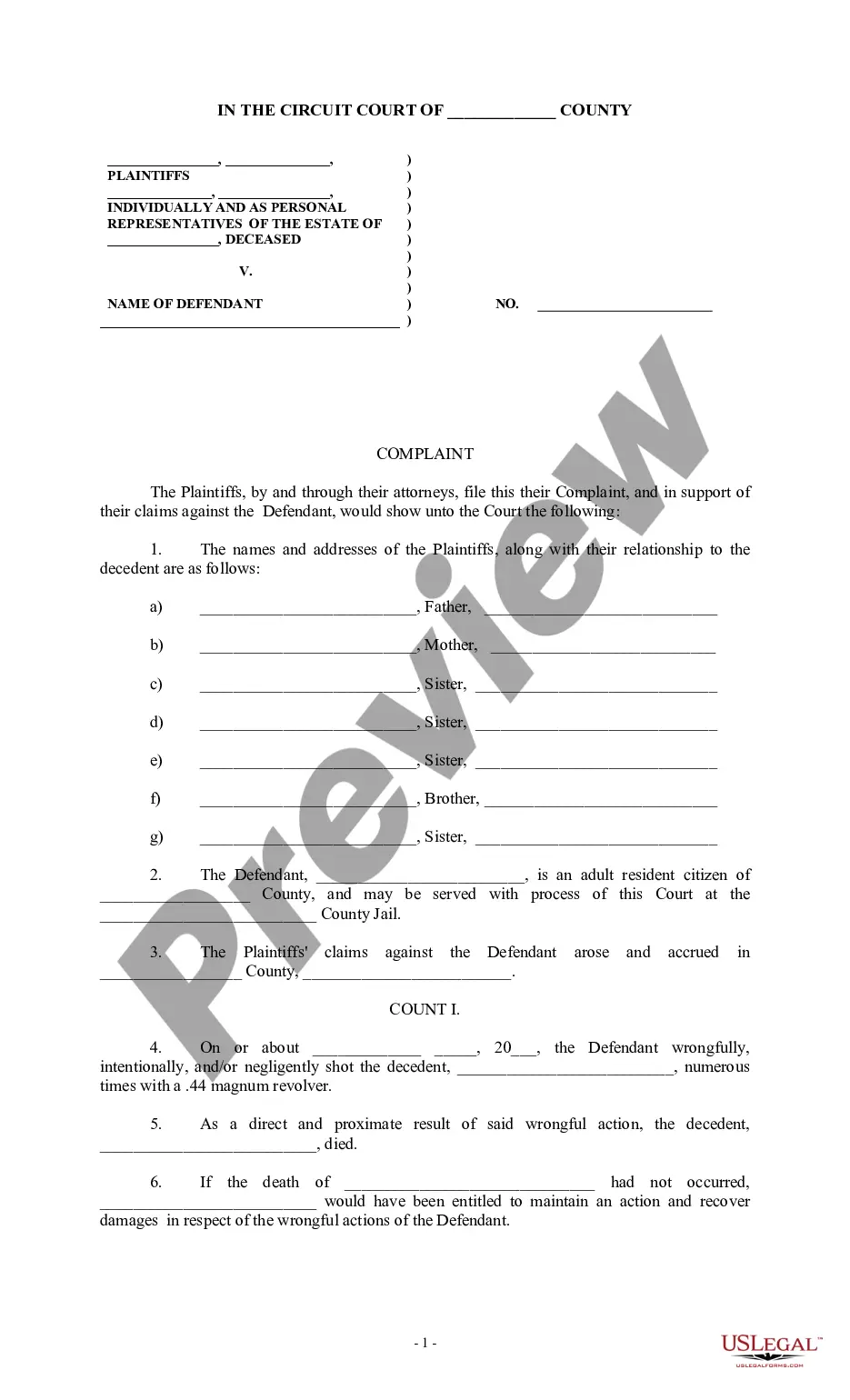
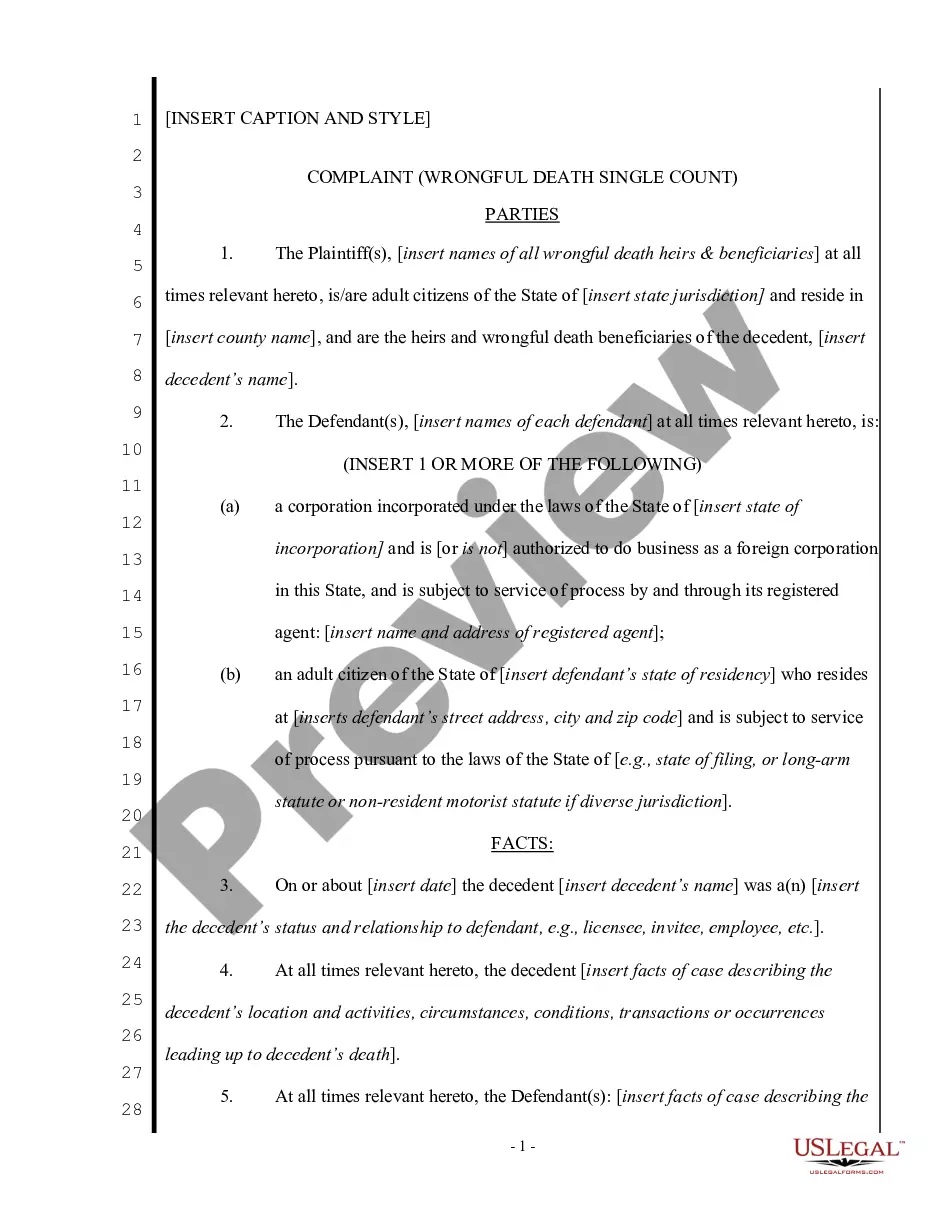
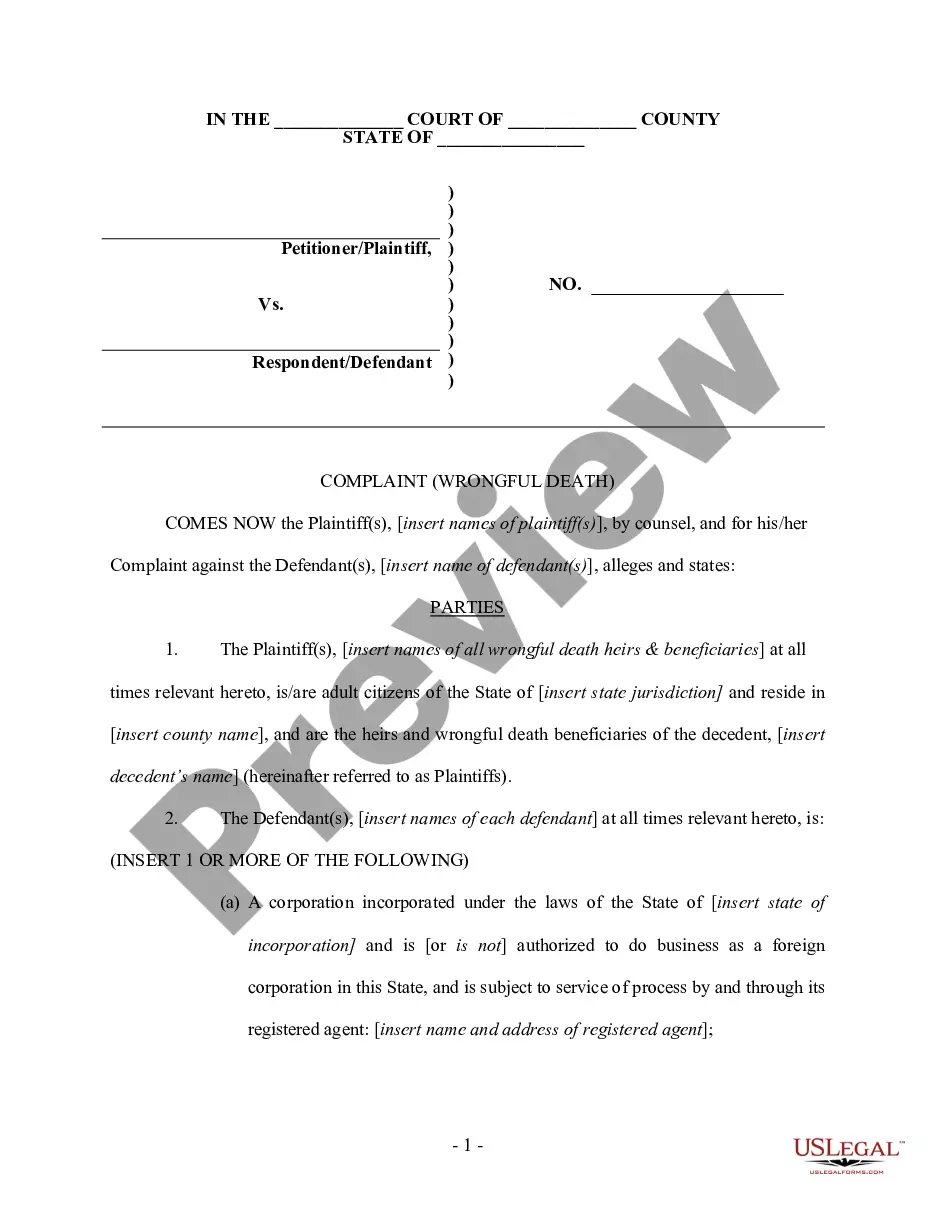
Get your form ready online
Our built-in tools help you complete, sign, share, and store your documents in one place.
Make edits, fill in missing information, and update formatting in US Legal Forms—just like you would in MS Word.
Download a copy, print it, send it by email, or mail it via USPS—whatever works best for your next step.
Sign and collect signatures with our SignNow integration. Send to multiple recipients, set reminders, and more. Go Premium to unlock E-Sign.
If this form requires notarization, complete it online through a secure video call—no need to meet a notary in person or wait for an appointment.
We protect your documents and personal data by following strict security and privacy standards.

Make edits, fill in missing information, and update formatting in US Legal Forms—just like you would in MS Word.

Download a copy, print it, send it by email, or mail it via USPS—whatever works best for your next step.

Sign and collect signatures with our SignNow integration. Send to multiple recipients, set reminders, and more. Go Premium to unlock E-Sign.

If this form requires notarization, complete it online through a secure video call—no need to meet a notary in person or wait for an appointment.

We protect your documents and personal data by following strict security and privacy standards.
Looking for another form?


Form popularity
FAQ
1. uncountable noun. If you are in possession of something, you have it, because you have obtained it or because it belongs to you. formal Those documents are now in the possession of the Guardian.
Possessive cases can be used for singular, plural, multiple, and compound nouns. There is not one set rule about whether nouns naming inanimate objects can become possessive—the opinions of experts on grammar and style vary on this subject, and writers can choose which to follow.
Revised on October 3, 2023. A possessive noun is the special form of a noun that's used to indicate ownership (possession). The possessive noun represents the owner (possessor) of something and usually comes right before another noun representing what they own (e.g., “Jeremy's car”).
March 2020. In linguistics, possession is an asymmetric relationship between two constituents, the referent of one of which (the possessor) in some sense possesses (owns, has as a part, rules over, etc.) the referent of the other (the possessed).
Possession with 's We use apostrophes to show that something belongs to a person or an animal. We use 's for singular nouns and ' for plural nouns ending in s. We don't usually use 's with things. We either use of or a noun modifier.
A possession is something that belongs to you. If you've got a special rubber ducky, that's one of your possessions, and it may even be your prized possession. Possession is all about control: if you have possession of something, you own it, or have your hands on it.
