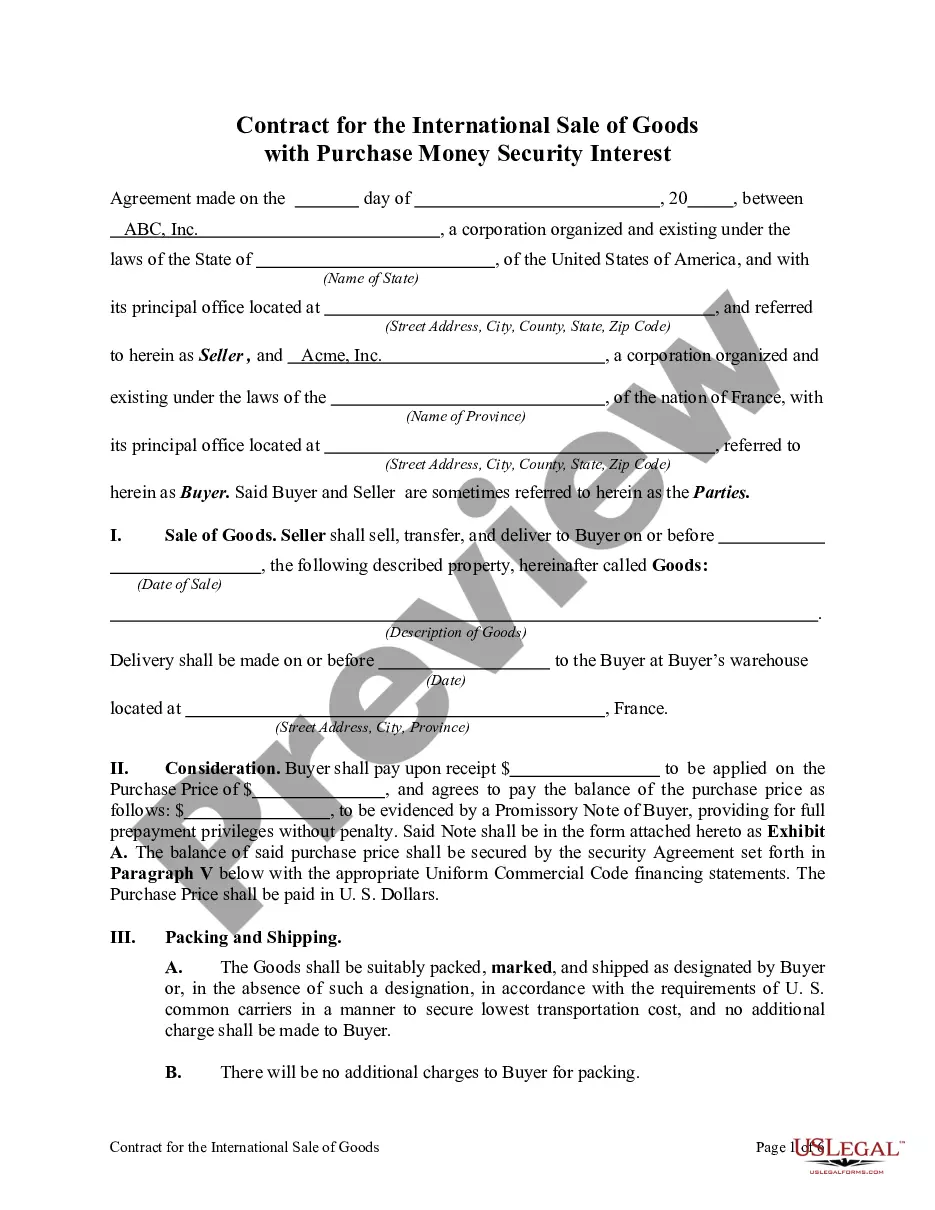
Sale Goods With Forex In Alameda
Description

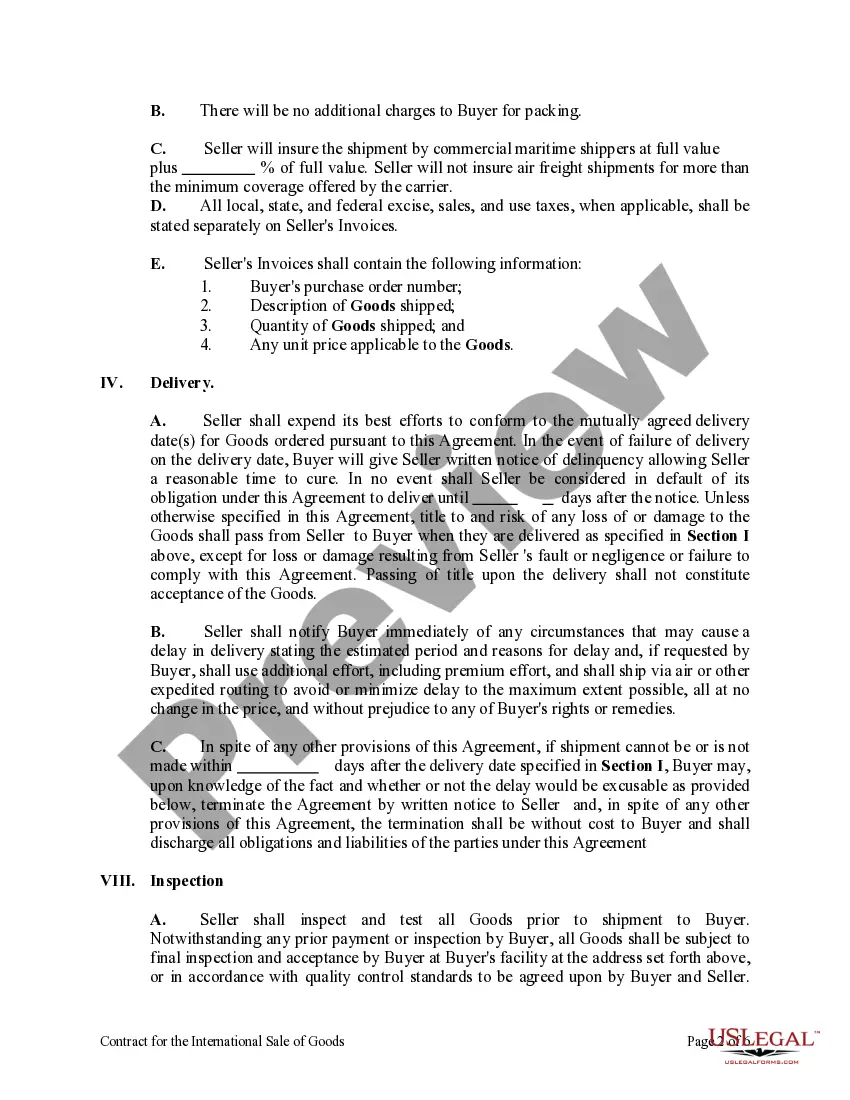
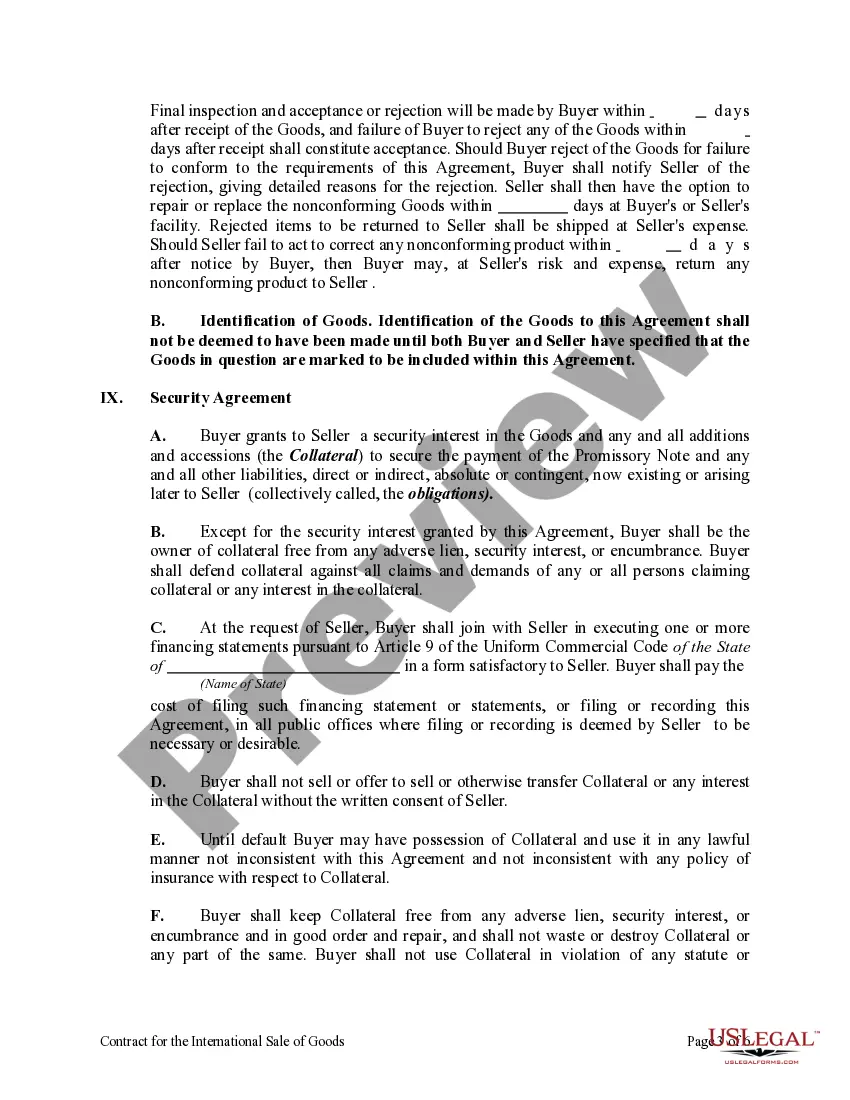
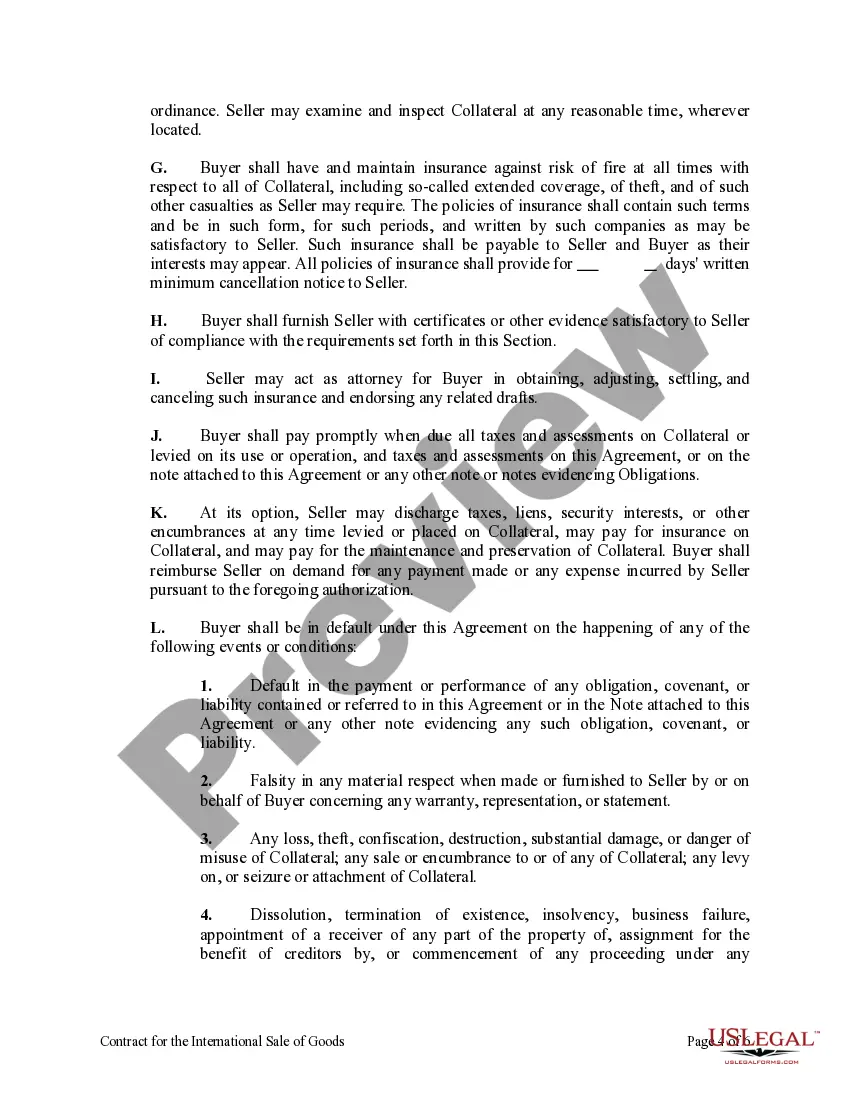

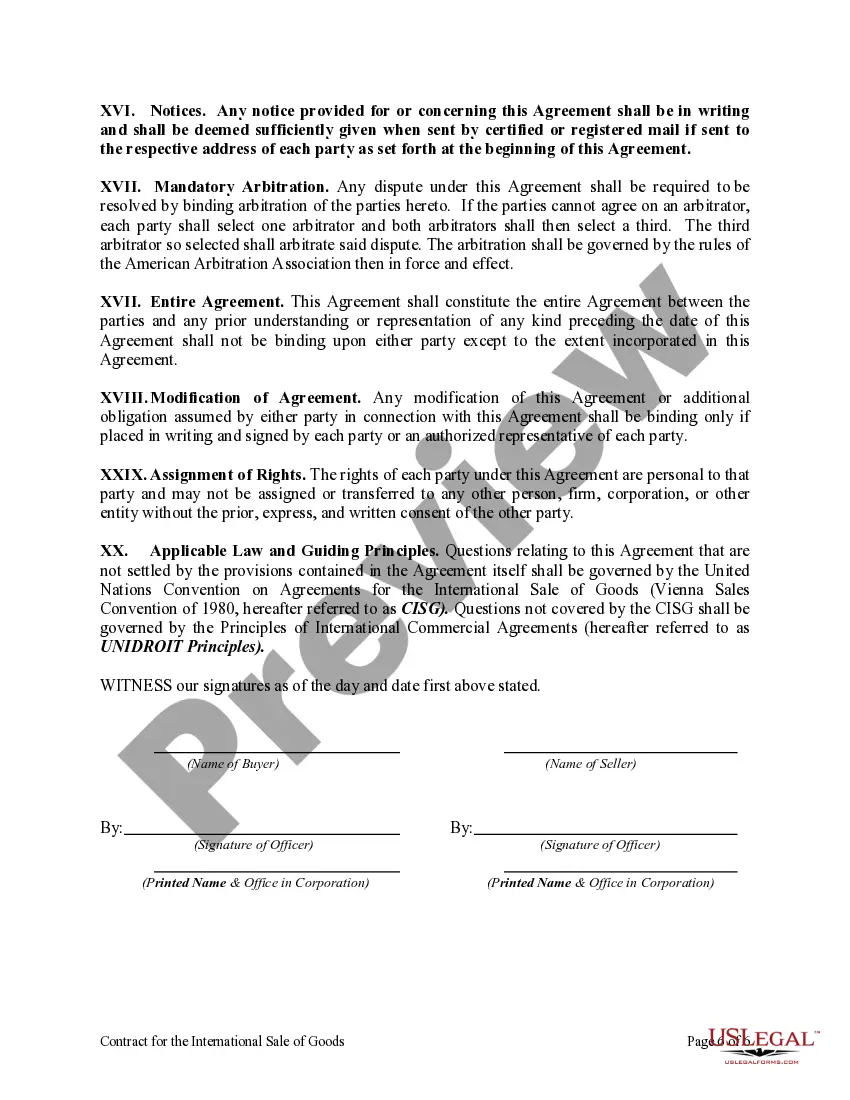
Get your form ready online
Our built-in tools help you complete, sign, share, and store your documents in one place.
Make edits, fill in missing information, and update formatting in US Legal Forms—just like you would in MS Word.
Download a copy, print it, send it by email, or mail it via USPS—whatever works best for your next step.
Sign and collect signatures with our SignNow integration. Send to multiple recipients, set reminders, and more. Go Premium to unlock E-Sign.
If this form requires notarization, complete it online through a secure video call—no need to meet a notary in person or wait for an appointment.
We protect your documents and personal data by following strict security and privacy standards.

Make edits, fill in missing information, and update formatting in US Legal Forms—just like you would in MS Word.

Download a copy, print it, send it by email, or mail it via USPS—whatever works best for your next step.

Sign and collect signatures with our SignNow integration. Send to multiple recipients, set reminders, and more. Go Premium to unlock E-Sign.

If this form requires notarization, complete it online through a secure video call—no need to meet a notary in person or wait for an appointment.

We protect your documents and personal data by following strict security and privacy standards.
Looking for another form?


Form popularity
FAQ
It can be exchanged at banks, bureaux de change, travel agencies and authorized hotels.
Making sales of merchandise, goods, or other items in California without first getting a seller's permit violates the law and subjects you to fines and penalties.
What items are subject to use tax. Generally, if the item would have been taxable if purchased from a California retailer, it is subject to use tax. For example, purchases of clothing, appliances, toys, books, furniture, or CDs would be subject to use tax.
Is a seller's permit/resale license and EIN/Tax ID the same? These are not the same thing. A seller's permit/resale license is the same as a state tax ID, as both are issued by the state for sales tax purposes. An EIN or federal tax ID number, however, is issued by the federal government, not the state.
California is unique. It's an origin-based state where state, county, and city taxes are based on the business location, but district taxes are based on the customer address.
