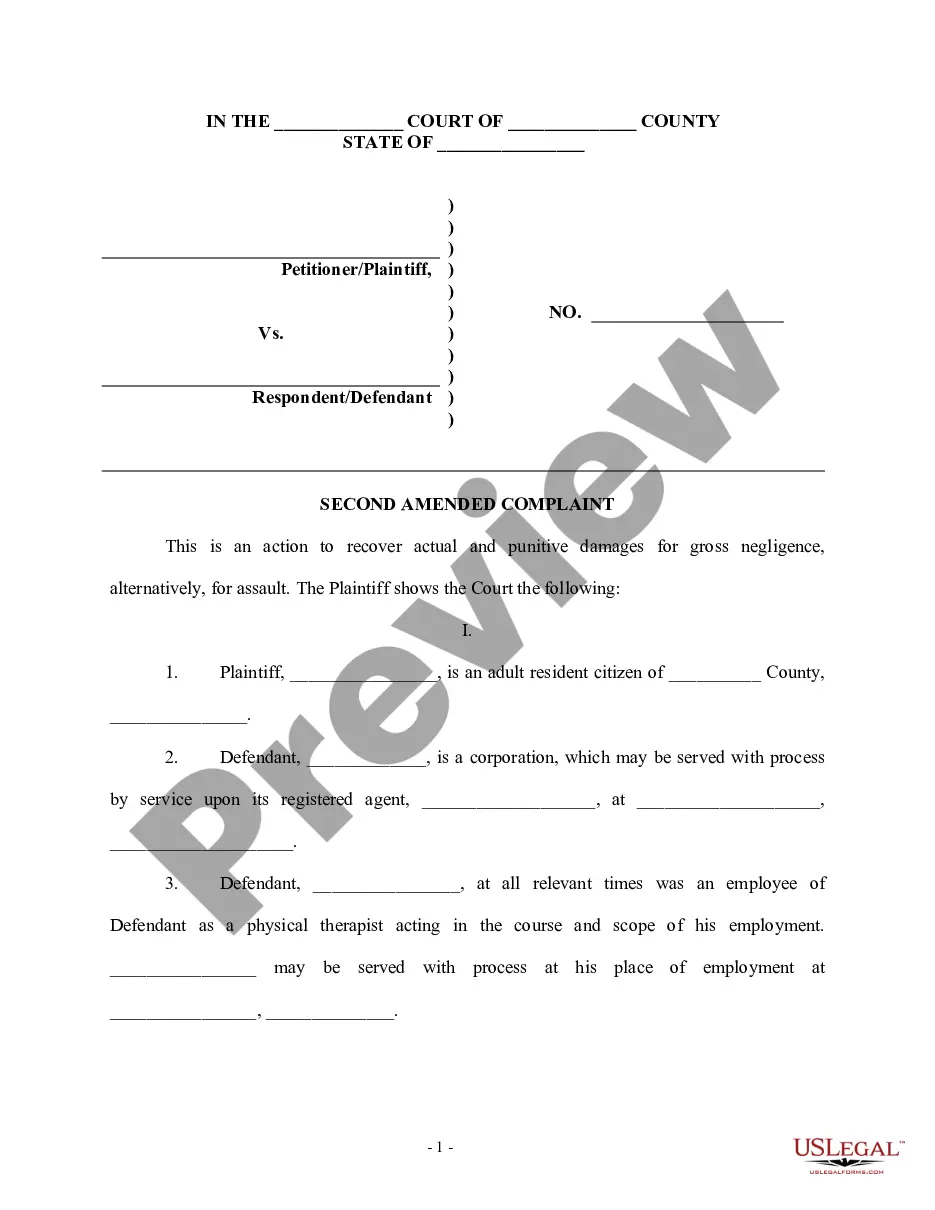
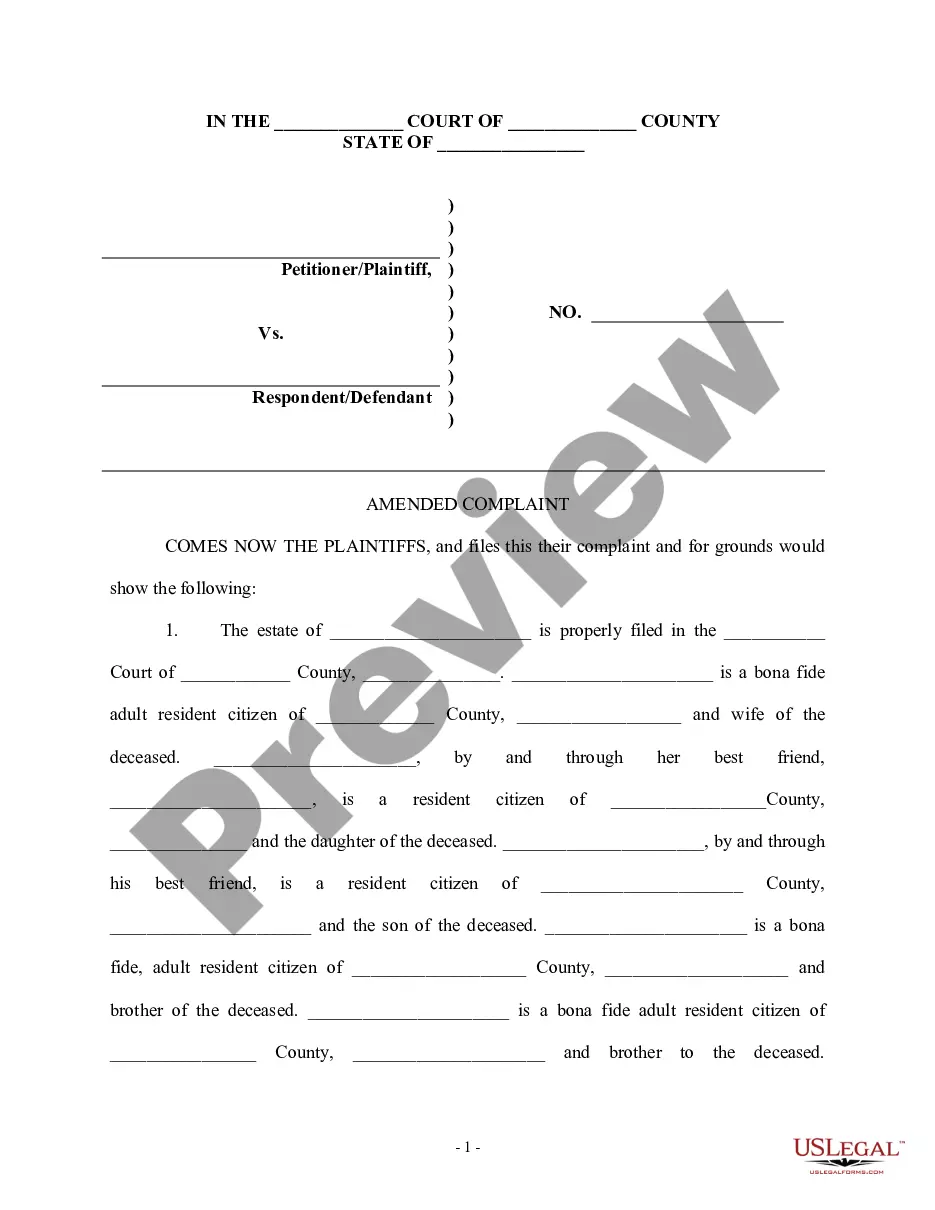
Amended Trial Information In Florida
Description


Get your form ready online
Our built-in tools help you complete, sign, share, and store your documents in one place.
Make edits, fill in missing information, and update formatting in US Legal Forms—just like you would in MS Word.
Download a copy, print it, send it by email, or mail it via USPS—whatever works best for your next step.
Sign and collect signatures with our SignNow integration. Send to multiple recipients, set reminders, and more. Go Premium to unlock E-Sign.
If this form requires notarization, complete it online through a secure video call—no need to meet a notary in person or wait for an appointment.
We protect your documents and personal data by following strict security and privacy standards.
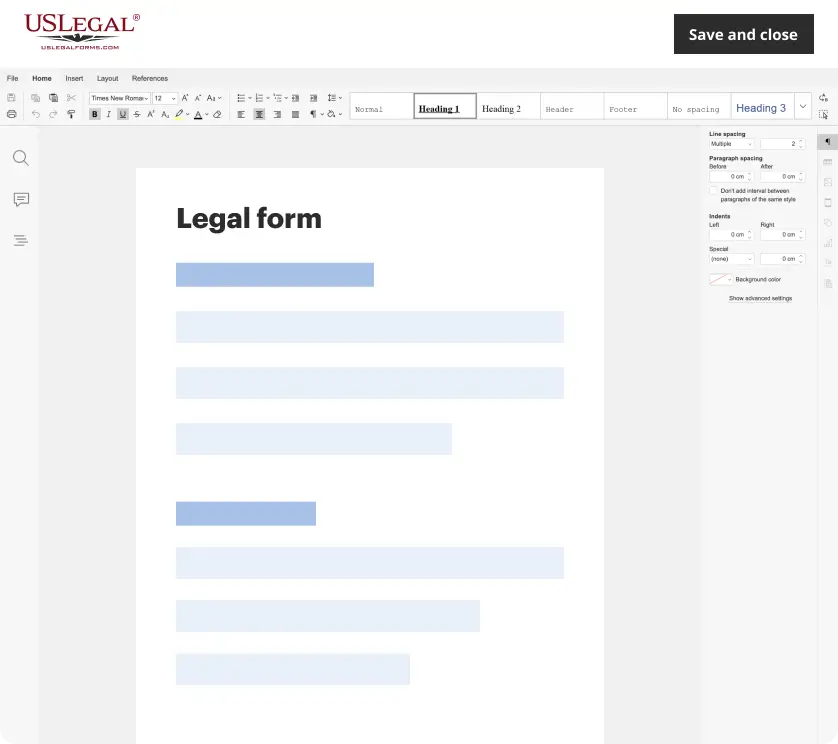
Make edits, fill in missing information, and update formatting in US Legal Forms—just like you would in MS Word.
Download a copy, print it, send it by email, or mail it via USPS—whatever works best for your next step.
Sign and collect signatures with our SignNow integration. Send to multiple recipients, set reminders, and more. Go Premium to unlock E-Sign.
If this form requires notarization, complete it online through a secure video call—no need to meet a notary in person or wait for an appointment.
We protect your documents and personal data by following strict security and privacy standards.
Looking for another form?


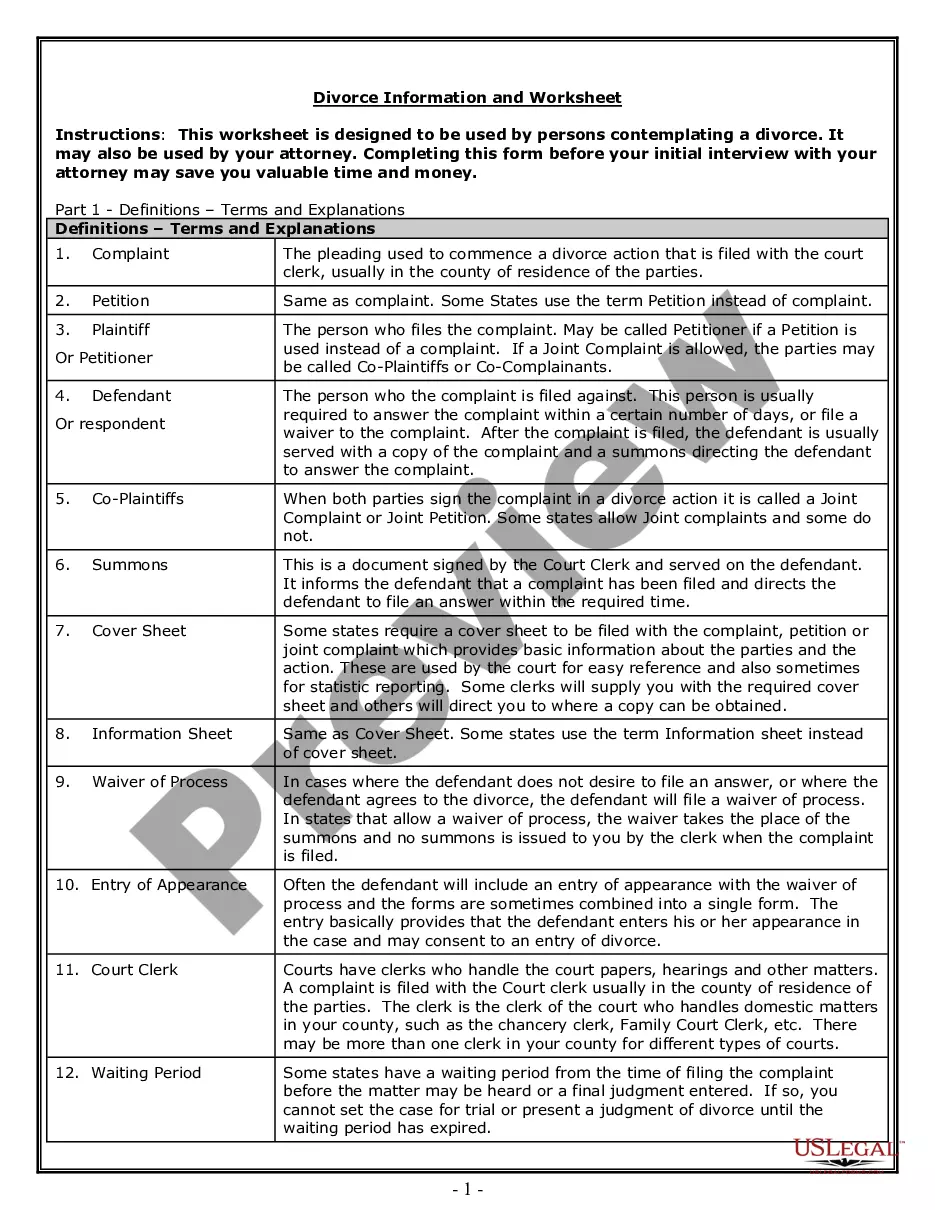
Form popularity
FAQ
The court may permit an information to be amended at any time before verdict or finding if no additional or different offense is charged and if substantial rights of the defendant are not prejudiced. Leave of court is required for the prosecutor to amend.
New rule 1.202 requires parties to confer before filing non-dispositive motions and to include a certificate of conferral with the motion.
The privilege log, appendix and accompanying memorandum of law must be sufficient to establish a prima facie case to support assertion of each privilege or protection. No party may submit documents for the Court's in camera review, unless the Court issues a subsequent order requesting such submissions.
(j) Amendment of Information. An information on which the defendant is to be tried that charges an offense may be amended on the motion of the prosecuting attorney or defendant at any time prior to trial because of formal defects.
1.270(a), “(w)hen actions involving a common question of law or fact are pending before the court, it may order a joint hearing or trial of any or all the matters in issue in the actions; it may order all the actions consolidated; and it may make such orders concerning proceedings therein as may tend to avoid ...
Initial Discovery Disclosures: Rule 1.280(a) now requires parties to provide initial discovery disclosures without awaiting a discovery request unless the case is exempt under Rule 1.280(a)(2) or the court orders otherwise.
Under the rules, once charges have formally been filed, the State has a period of fifteen days to turn over their initial discovery submission.
(1) Unless a different time is prescribed in a statute of Florida, a defendant must serve an answer within 20 days after service of original process and the initial pleading on the defendant, or not later than the date fixed in a notice by publication.
