Workplace Discrimination In India
Description




Get your form ready online
Our built-in tools help you complete, sign, share, and store your documents in one place.
Make edits, fill in missing information, and update formatting in US Legal Forms—just like you would in MS Word.
Download a copy, print it, send it by email, or mail it via USPS—whatever works best for your next step.
Sign and collect signatures with our SignNow integration. Send to multiple recipients, set reminders, and more. Go Premium to unlock E-Sign.
If this form requires notarization, complete it online through a secure video call—no need to meet a notary in person or wait for an appointment.
We protect your documents and personal data by following strict security and privacy standards.

Make edits, fill in missing information, and update formatting in US Legal Forms—just like you would in MS Word.

Download a copy, print it, send it by email, or mail it via USPS—whatever works best for your next step.

Sign and collect signatures with our SignNow integration. Send to multiple recipients, set reminders, and more. Go Premium to unlock E-Sign.

If this form requires notarization, complete it online through a secure video call—no need to meet a notary in person or wait for an appointment.

We protect your documents and personal data by following strict security and privacy standards.
Looking for another form?


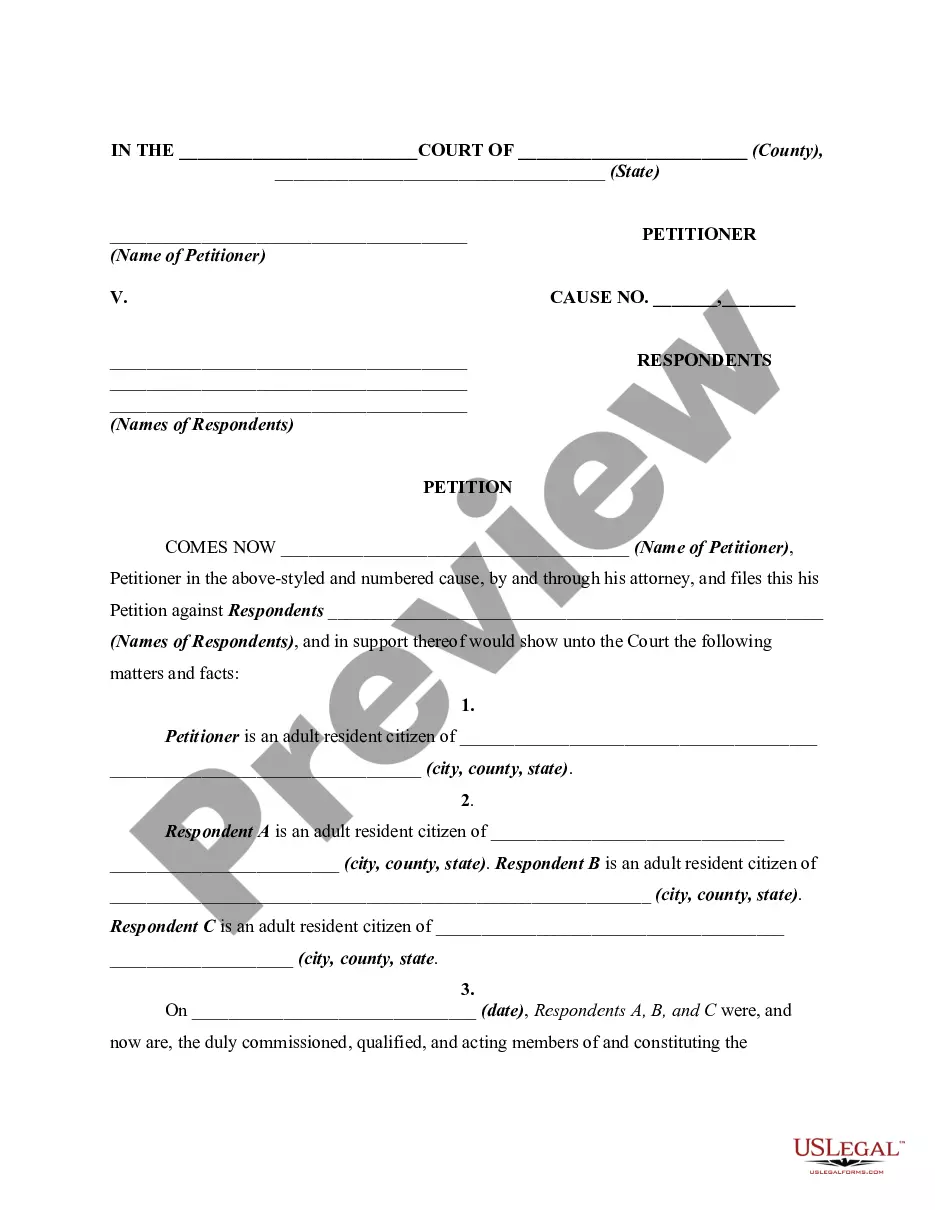


How to fill out Complaint For Employment Or Workplace Discrimination And Sexual Harassment - Title VII Civil Rights Act?
Whether for commercial purposes or personal issues, everyone eventually encounters legal circumstances at some point in their lives.
Filling out legal documentation requires meticulous attention, starting from choosing the appropriate form template.
With an extensive US Legal Forms collection available, you will never need to waste time searching for the right template online. Utilize the library’s easy navigation to find the correct form for any situation.
- Obtain the template you require by utilizing the search bar or browsing the catalog.
- Review the document’s description to confirm it aligns with your circumstances, state, and region.
- Click on the preview of the document to inspect it.
- If it does not match, return to the search tool to locate the Workplace Discrimination In India template you need.
- Download the template if it suits your needs.
- If you already possess a US Legal Forms account, simply click Log in to access previously saved documents in My documents.
- If you do not yet have an account, you can download the document by clicking Buy now.
- Choose the appropriate pricing option.
- Complete the account registration form.
- Select your payment method: you can use a credit card or PayPal.
- Choose the file format you prefer and download the Workplace Discrimination In India.
- After saving, you will be able to fill out the form using editing software or print it and complete it by hand.
Form popularity
FAQ
To prove workplace discrimination in India, gather evidence that shows a pattern of unfair treatment. This could include emails, performance reviews, and witness statements. Additionally, it's helpful to compare your treatment with that of others in similar roles who might not share your characteristics. Using platforms like US Legal Forms can assist you in understanding the legal documents and processes involved in addressing workplace discrimination.
If you believe your employer is engaging in workplace discrimination in India, start by documenting any incidents. Keep records of specific events, dates, and witnesses. Next, consider raising your concerns with your human resources department or a trusted manager. If the issue persists, you might need to seek legal advice or explore filing a complaint with the relevant authorities to protect your rights.
The eight types of workplace discrimination include race, gender, age, religion, disability, sexual orientation, national origin, and marital status. Recognizing these categories is vital for employees facing unfair treatment. By understanding these forms, individuals can better advocate for their rights and seek assistance, such as through platforms like USLegalForms that provide resources and legal guidance.
In India, laws governing workplace discrimination include the Equal Remuneration Act, the Sexual Harassment of Women at Workplace Act, and provisions under the Indian Constitution. These laws aim to prevent discrimination based on gender, caste, and religion, ensuring a fair working environment. Employees should be aware of these regulations to safeguard their rights against workplace discrimination.
To demonstrate that you are facing unfair treatment at work, maintain a detailed record of events, including dates and specific incidents of discrimination. Collect testimonials from coworkers who may have witnessed the behavior. Providing consistent and clear evidence will strengthen your case against workplace discrimination in India.
Workplace discrimination in India can manifest in various forms, including race, gender, age, disability, and sexual orientation discrimination. These types can create a toxic work environment and hinder professional growth. Recognizing these forms is essential for employees to take appropriate action against unfair treatment.
To prove workplace discrimination in India, gather documentation that supports your claims, such as emails and performance reviews. Take note of specific incidents and how they deviate from company policies or treatment of other employees. A well-organized account of your experiences strengthens your position. Utilizing platforms like uslegalforms can also guide you through filing formal complaints and understanding your legal rights.
To report workplace discrimination in India, begin by collecting evidence such as emails, messages, or witness statements. Then, schedule a meeting with HR to discuss your concerns in a clear manner. It’s beneficial to prepare your points in advance so you can communicate effectively. Remember, HR is there to assist you, so approach the conversation with an aim for resolution.
Yes, workplace discrimination in India is illegal under various laws. The Constitution of India and labor laws protect individuals from discrimination based on caste, religion, gender, and more. These regulations empower employees to seek justice and hold employers accountable. If you experience discrimination, consult a legal expert to understand your rights.
Yes, you should report workplace discrimination in India to HR if you encounter it. Reporting is a crucial step in addressing the issue and fostering a healthier work environment. It can also provide you with documentation that may be necessary if the situation escalates. Your company has a responsibility to investigate claims of discrimination, helping protect your rights.