Title Vii Regulations
Description




Get your form ready online
Our built-in tools help you complete, sign, share, and store your documents in one place.
Make edits, fill in missing information, and update formatting in US Legal Forms—just like you would in MS Word.
Download a copy, print it, send it by email, or mail it via USPS—whatever works best for your next step.
Sign and collect signatures with our SignNow integration. Send to multiple recipients, set reminders, and more. Go Premium to unlock E-Sign.
If this form requires notarization, complete it online through a secure video call—no need to meet a notary in person or wait for an appointment.
We protect your documents and personal data by following strict security and privacy standards.

Make edits, fill in missing information, and update formatting in US Legal Forms—just like you would in MS Word.

Download a copy, print it, send it by email, or mail it via USPS—whatever works best for your next step.

Sign and collect signatures with our SignNow integration. Send to multiple recipients, set reminders, and more. Go Premium to unlock E-Sign.

If this form requires notarization, complete it online through a secure video call—no need to meet a notary in person or wait for an appointment.

We protect your documents and personal data by following strict security and privacy standards.
Looking for another form?

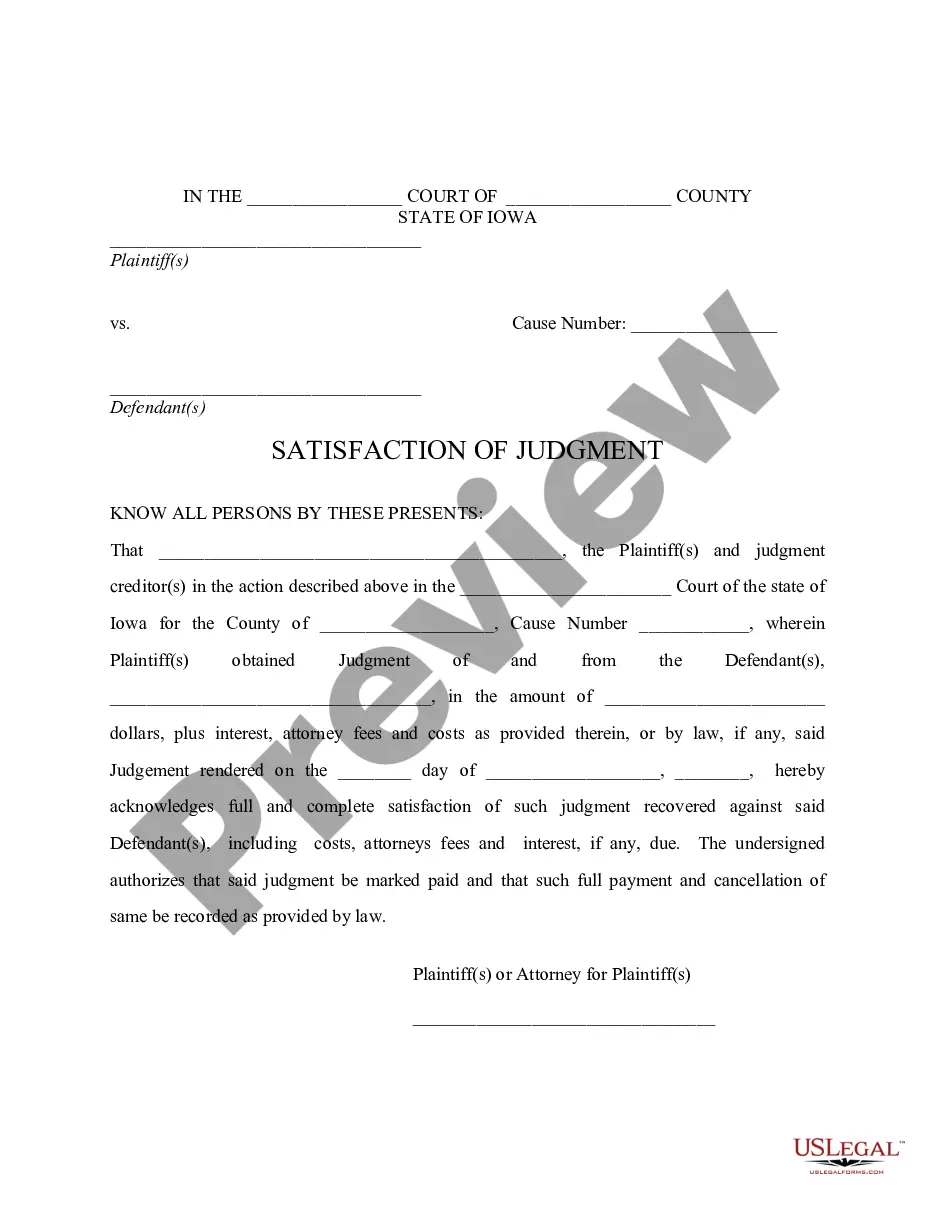
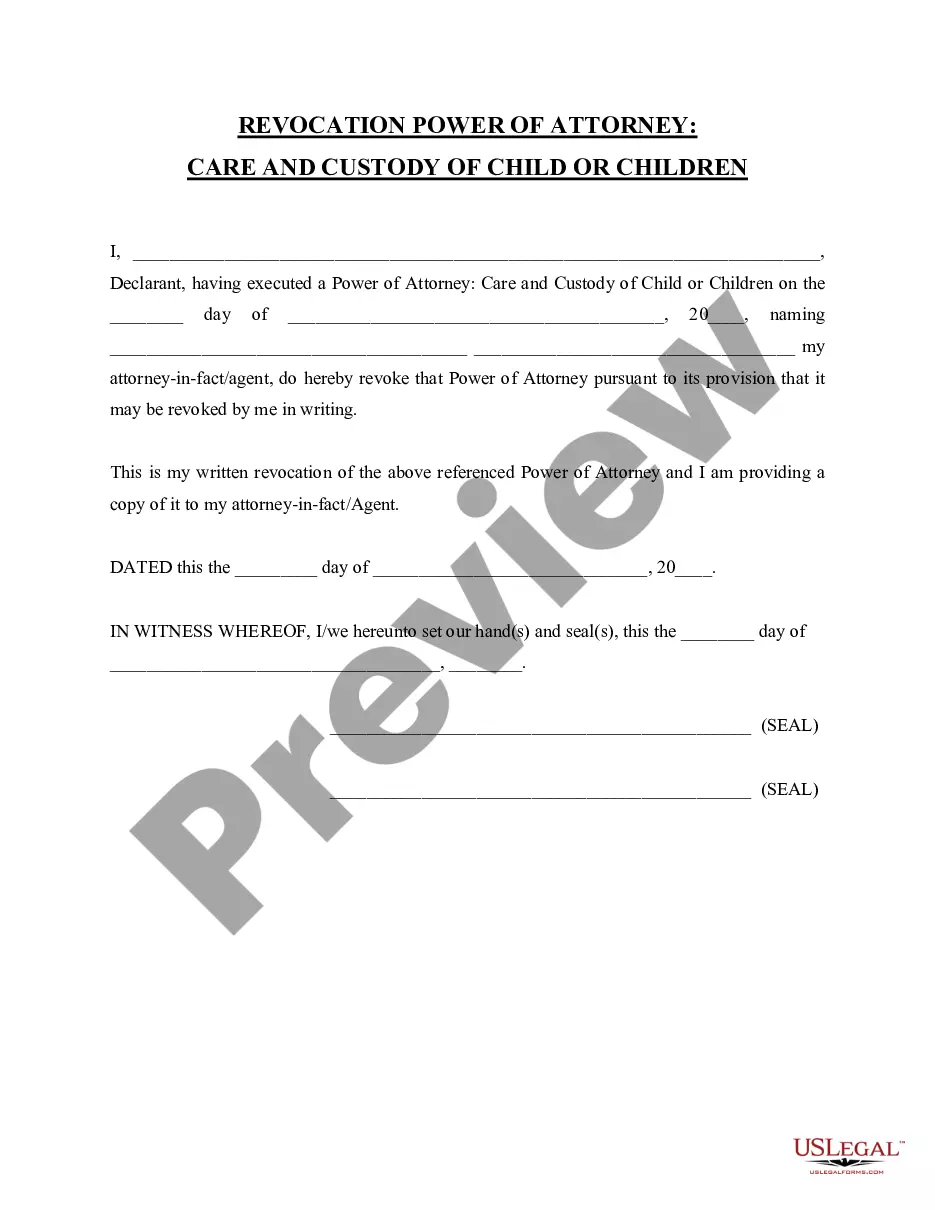
How to fill out Complaint For Employment Or Workplace Discrimination And Sexual Harassment - Title VII Civil Rights Act?
Managing legal documents and tasks can be an exhausting addition to your whole day.
Title VII Regulations and similar forms frequently require you to search for them and grasp how to fill them out correctly.
Thus, regardless of whether you are handling financial, legal, or personal issues, utilizing a comprehensive and convenient online repository of forms at your fingertips will be extremely beneficial.
US Legal Forms is the premier online resource for legal templates, featuring over 85,000 state-specific documents and a variety of tools to assist you in completing your paperwork with ease.
Is it your first time using US Legal Forms? Register and establish a free account in just a few moments to gain access to the form library and Title VII Regulations. Then, follow these steps to fill out your form.
- Browse the library of relevant documents available with just a single click.
- US Legal Forms provides you with state- and county-specific documents accessible anytime for download.
- Safeguard your document management processes by utilizing a reliable service that enables you to create any form in minutes without unforeseen or hidden fees.
- Simply Log In to your account, locate Title VII Regulations and obtain it instantly from the My documents section.
- You can also access previously downloaded forms.
Form popularity
FAQ
For example, typically under Federal exemptions, you can have approximately $20,000.00 cash on hand or in the bank on the day you file bankruptcy. The vast majority of my clients have considerable less than $20,000.00 in the bank the day I file their bankruptcy.
Chapter 7 does not involve the filing of a plan of repayment as in chapter 13 and is sometimes referred to as "straight bankruptcy". Instead, a trustee is appointed in the case and sells the debtor's nonexempt assets and uses the proceeds to pay the creditors of the debtor.
You can file twice or even three times, even if you have received a discharge.
Filing bankruptcy without an attorney is called "Pro Se" - meaning to represent oneself in legal proceedings. With limited exceptions, Section 109(h) of the Bankruptcy Code requires that all individual debtors receive credit counseling from an approved provider within 180 days before the bankruptcy filing.
Applying the Means Test The first part of the means test consists of determining whether your income is more or less than the median income for a household of your size in Alabama. If you earn less than the median income, you are eligible to file for Chapter 7 bankruptcy.
Each state has a different dollar amount as a threshold for qualifying under the means test. In the State of Alabama: If you are single, live alone, and earn less than $39,768 per year ? you automatically qualify under the means test to file for Chapter 7 bankruptcy protection.
A chapter 7 bankruptcy case does not involve the filing of a plan of repayment as in chapter 13. Instead, the bankruptcy trustee gathers and sells the debtor's nonexempt assets and uses the proceeds of such assets to pay holders of claims (creditors) in ance with the provisions of the Bankruptcy Code.
You usually must have less monthly income than most Alabamians. If you have more income than most Alabamians, and you can afford to pay $100 per month toward debt, you must use Chapter 13 instead. The court looks at your monthly income, expenses, and your total debt to decide whether you can file Chapter 7.