Advocate For Client In Ohio
Description



Get your form ready online
Our built-in tools help you complete, sign, share, and store your documents in one place.
Make edits, fill in missing information, and update formatting in US Legal Forms—just like you would in MS Word.
Download a copy, print it, send it by email, or mail it via USPS—whatever works best for your next step.
Sign and collect signatures with our SignNow integration. Send to multiple recipients, set reminders, and more. Go Premium to unlock E-Sign.
If this form requires notarization, complete it online through a secure video call—no need to meet a notary in person or wait for an appointment.
We protect your documents and personal data by following strict security and privacy standards.
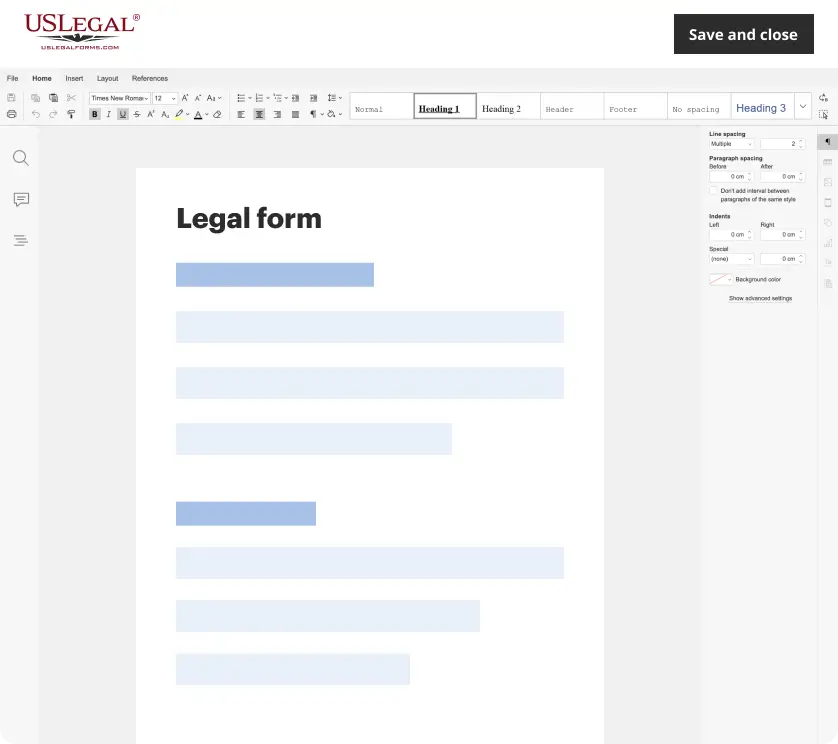
Make edits, fill in missing information, and update formatting in US Legal Forms—just like you would in MS Word.
Download a copy, print it, send it by email, or mail it via USPS—whatever works best for your next step.
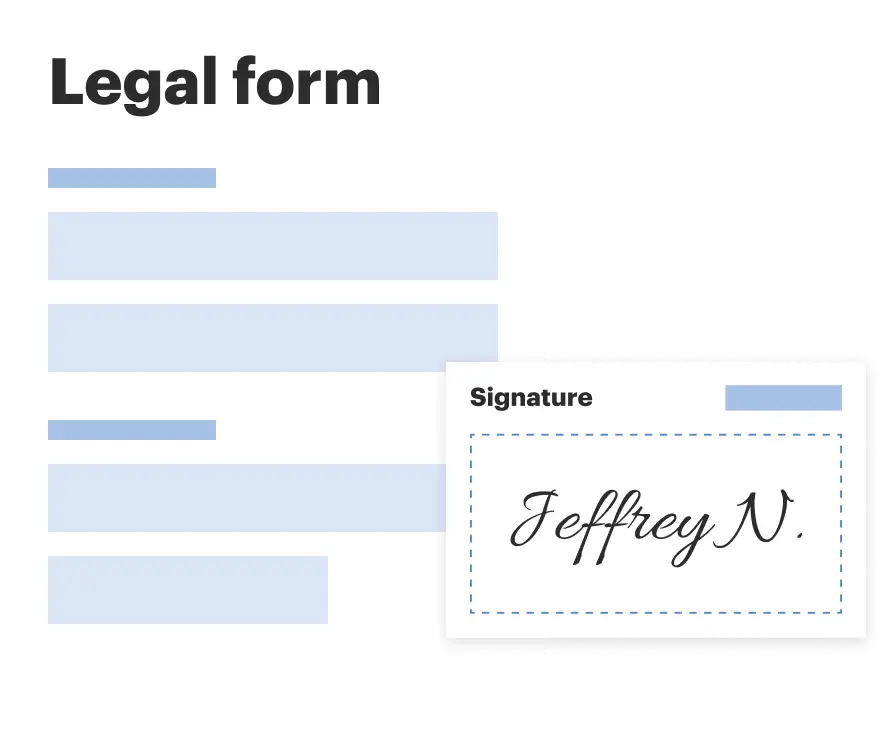
Sign and collect signatures with our SignNow integration. Send to multiple recipients, set reminders, and more. Go Premium to unlock E-Sign.
If this form requires notarization, complete it online through a secure video call—no need to meet a notary in person or wait for an appointment.
We protect your documents and personal data by following strict security and privacy standards.
Looking for another form?



Form popularity
FAQ
Through patient advocacy, you might: Facilitate open dialogue. Deliver competent care. Uphold moral values and ethics. Review care and treatment plans. Explain medical language or procedures. Clarify or challenge guidance or treatment. Share counterpoints to medical philosophies. Mediate between patients and doctors.
Once you have completed the Cleveland State University Online Patient Advocacy Certificate Program you will be fully prepared to take the Patient Advocate Certification Board Exam. If the certification is earned you will join a group of compassionate professionals who seek to better the healthcare field.
Once you have completed the Cleveland State University Online Patient Advocacy Certificate Program you will be fully prepared to take the Patient Advocate Certification Board Exam. If the certification is earned you will join a group of compassionate professionals who seek to better the healthcare field.
Nursing, health-related programs, business, social work, and social science tend to be the preferred degrees by employers looking for patient advocate candidates.
How to get an advocate. Contact social care services at your local council and ask about advocacy services. Find your local social care services. POhWER is a charity that helps people to be involved in decisions being made about their care.
To find a patient advocate you can try the following approaches: 1. Ask your healthcare provider. Doctors, nurses and hospital staff often have recommendations for patient advocates. 2. Hospital or Clinic Resources: Many hospitals and clinics have patient advocacy departments or staff. 3. Insurance Company.
These groups typically keep a list of available advocates. Council of Parent Attorneys and Advocates. Your state's Parent Training and Information Center. Your school district's Special Education PTA or PAC.
You have the right to dignity, privacy, and humane care. You also have the right to treatment services that pro- mote your potential to function independently. Treatment must be provided in ways that are least restrictive to you.
(2) "Grievance" means a written complaint initiated either verbally or in writing by a client or by any other person or provider on behalf of a client regarding denial or abuse of any client's rights. (3) "Reasonable" means a standard for what is fair and appropriate under usual and ordinary circumstances.
You have the right to dignity, privacy, and humane care. You also have the right to treatment services that pro- mote your potential to function independently. Treatment must be provided in ways that are least restrictive to you.