Advocate For Client Rights And Needs In Kings
Description



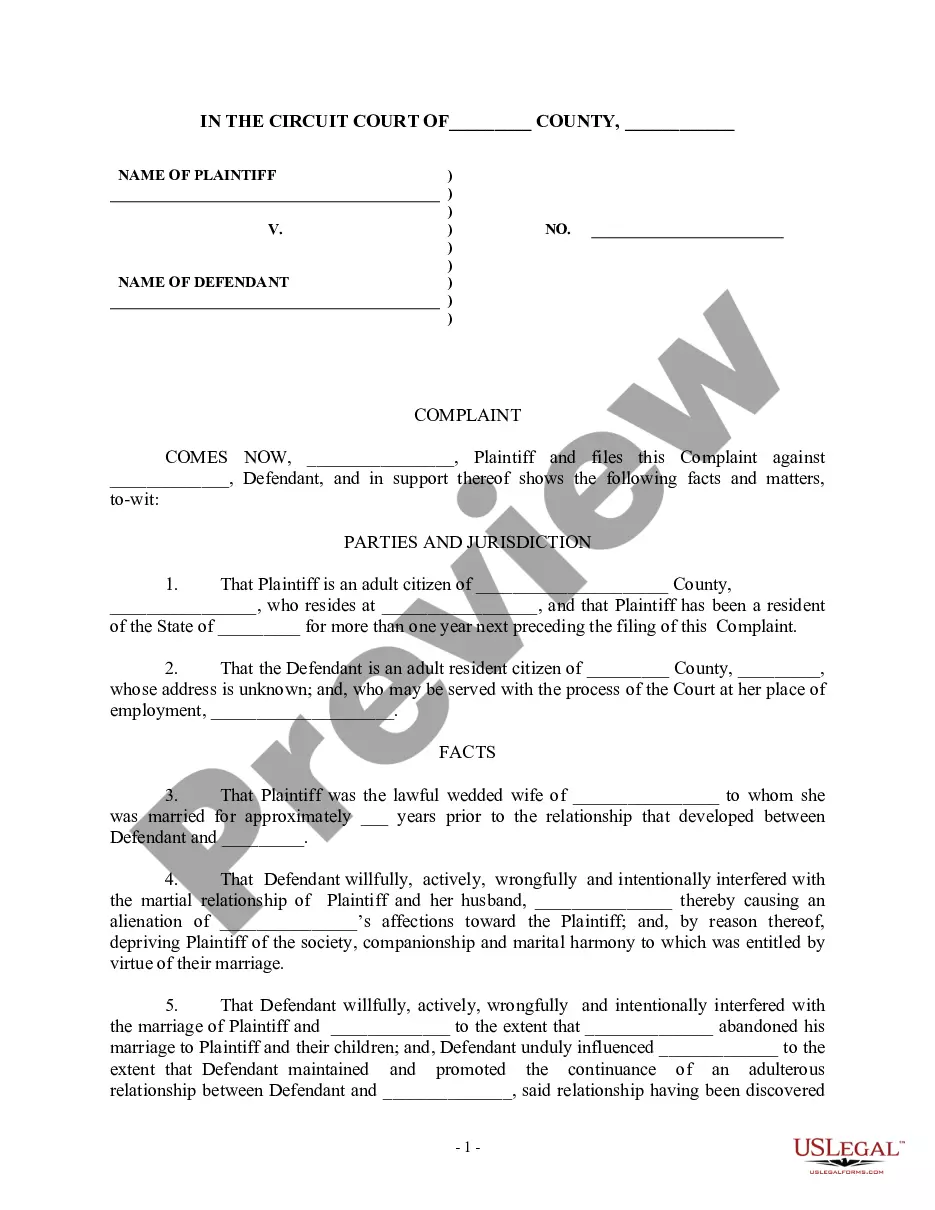

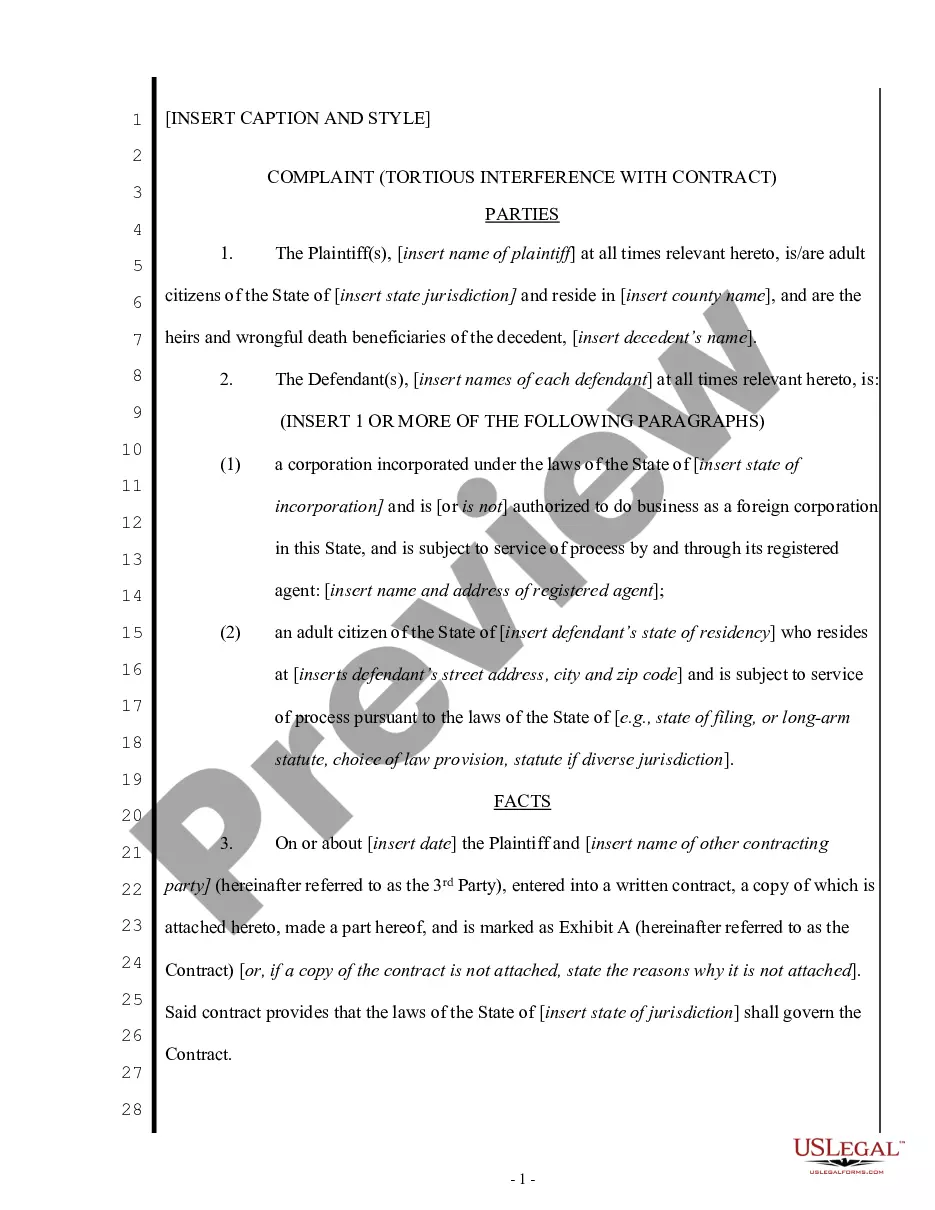
Get your form ready online
Our built-in tools help you complete, sign, share, and store your documents in one place.
Make edits, fill in missing information, and update formatting in US Legal Forms—just like you would in MS Word.
Download a copy, print it, send it by email, or mail it via USPS—whatever works best for your next step.
Sign and collect signatures with our SignNow integration. Send to multiple recipients, set reminders, and more. Go Premium to unlock E-Sign.
If this form requires notarization, complete it online through a secure video call—no need to meet a notary in person or wait for an appointment.
We protect your documents and personal data by following strict security and privacy standards.

Make edits, fill in missing information, and update formatting in US Legal Forms—just like you would in MS Word.

Download a copy, print it, send it by email, or mail it via USPS—whatever works best for your next step.

Sign and collect signatures with our SignNow integration. Send to multiple recipients, set reminders, and more. Go Premium to unlock E-Sign.

If this form requires notarization, complete it online through a secure video call—no need to meet a notary in person or wait for an appointment.

We protect your documents and personal data by following strict security and privacy standards.
Looking for another form?



Form popularity
FAQ
1st Paragraph: Let the reader know what your concern is. 2nd Paragraph: You need to let the reader know the importance of your concerns and any impact the concern may have on the community. 3rd Paragraph: Thank your reader for taking the time to read your letter and make sure you re-state your concern.
9 Steps to Writing an Advocacy Letter Identify Yourself. Identify and Address the Issue. Explain What You Would Like the Elected Official to Do. Include the Facts. Personalize Your Letter. Address the Elected Official. Ask for a Response. Edit Your Letter.
As an example, parents often advocate for their child's needs at school. Formal individual advocacy often goes through organizations like government agencies or nonprofits. When someone is escaping domestic violence, organizations help with shelter, medical care, mental healthcare, financial assistance, and more.
9 Steps to Writing an Advocacy Letter Identify Yourself. Identify and Address the Issue. Explain What You Would Like the Elected Official to Do. Include the Facts. Personalize Your Letter. Address the Elected Official. Ask for a Response. Edit Your Letter.
Ing to the dictionary, advocate means “to speak in favor of, one who supports a cause, or one who speaks in another's behalf” (Webster's New College Dictionary, 1999). There are several roles or functions that an advocate may play in supporting a child with a disability and his or her family.
Human rights advocacy relies on: Credible research and documentation of patterns of abuse. Skillful messaging. Diverse, broad-based alliances and coalitions. Careful preparation for strategic action. Focusing pressure on multiple points of leverage. Persistent organizing. Painstaking effort. Long-term commitment.
For example, you might help a client fill out an application for housing assistance, accompany a client to a court hearing, or negotiate with a landlord on behalf of a client. Micro-level advocacy requires skills such as communication, negotiation, problem-solving, and empathy.
You'll need at least an associate or a bachelor's degree in a field like criminal justice, social work, human rights or psychology. There are certificates available, too, which when combined with a degree, can open up more job opportunities.
As advisor, a lawyer provides a client with an informed understanding of the client's legal rights and obligations and explains their practical implications. As advocate, a lawyer zealously asserts the client's position under the rules of the adversary system.
Step 1: Identify the goal of your advocacy. What are you hoping to accomplish?