Advocate Client Relationship In Kenya In Collin
Description

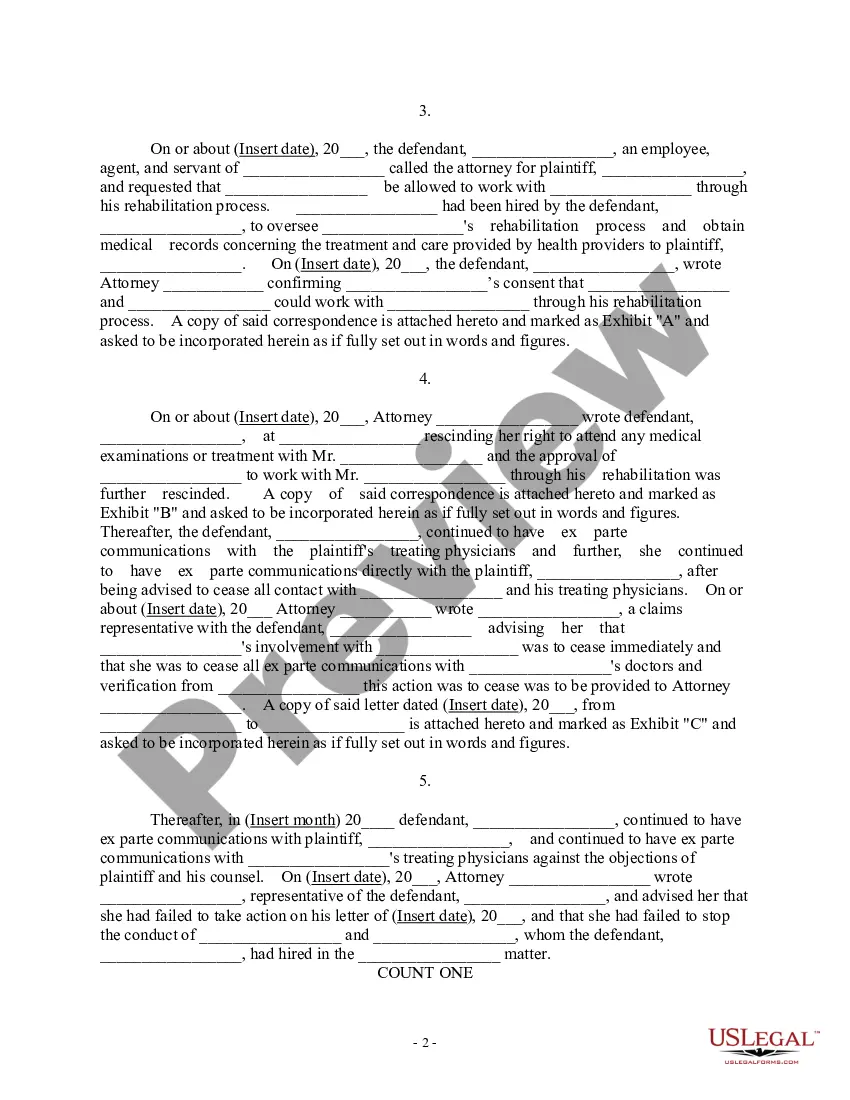
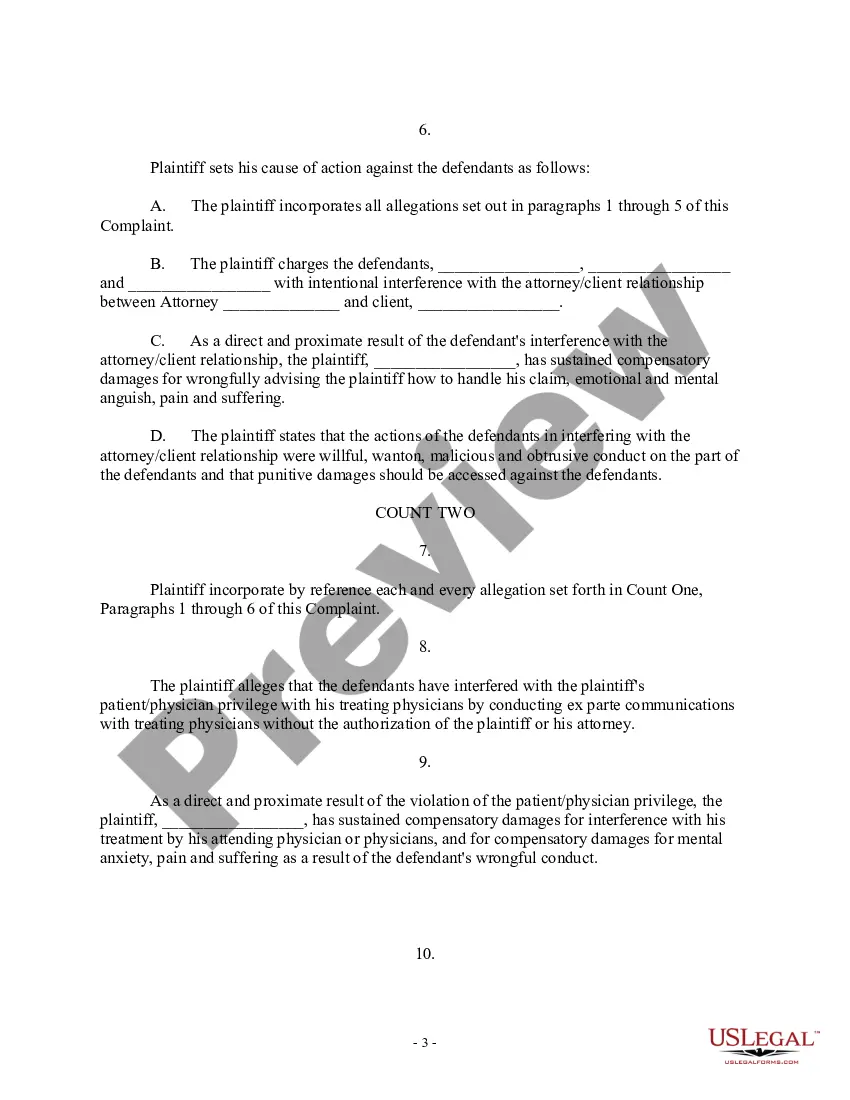
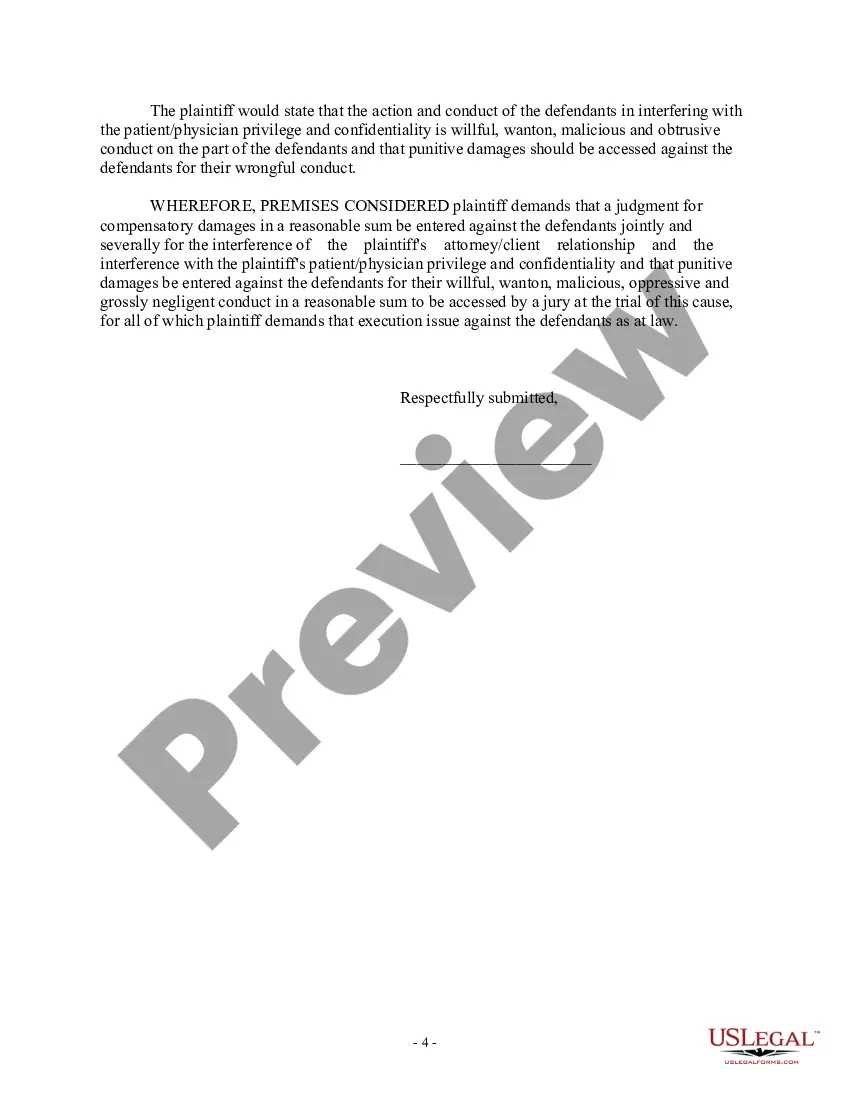

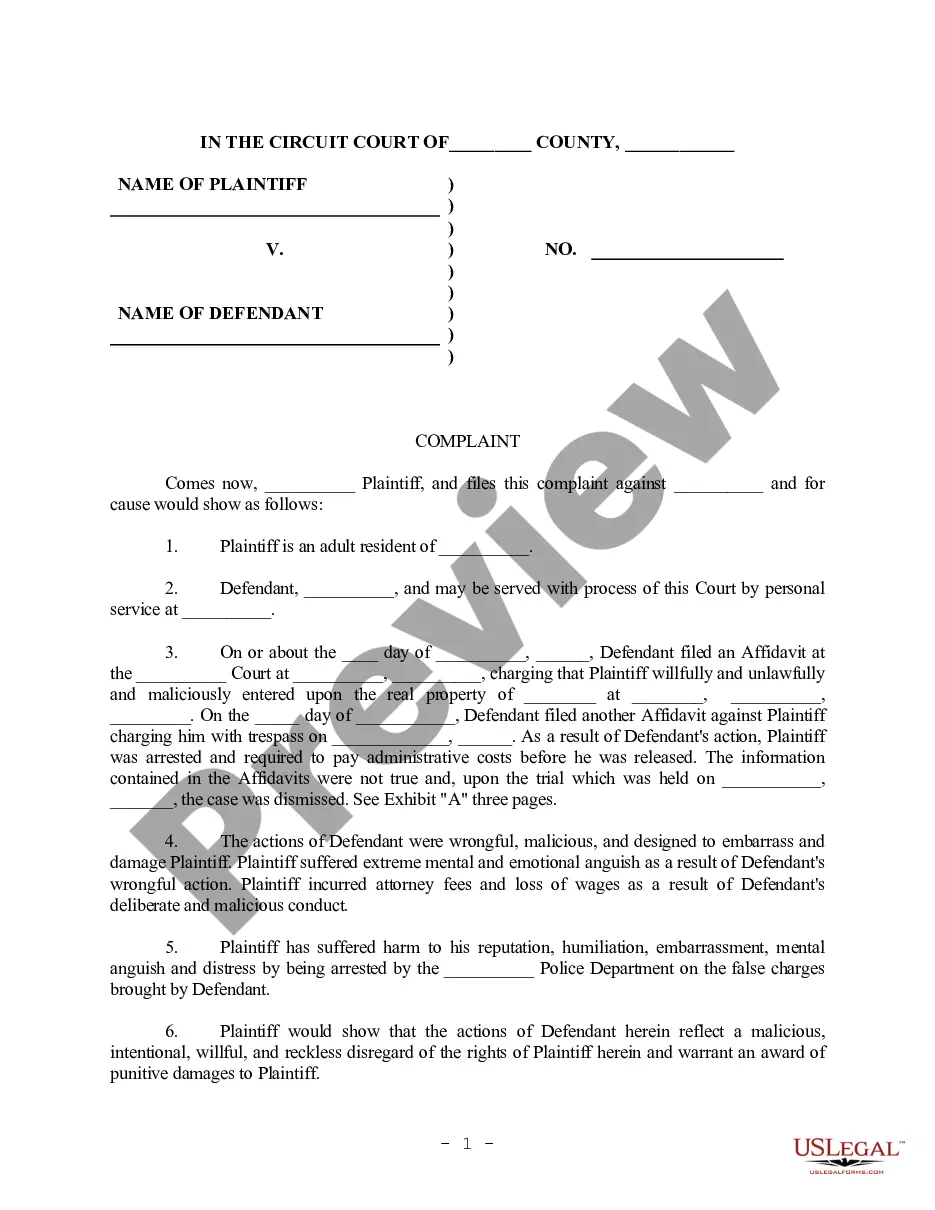
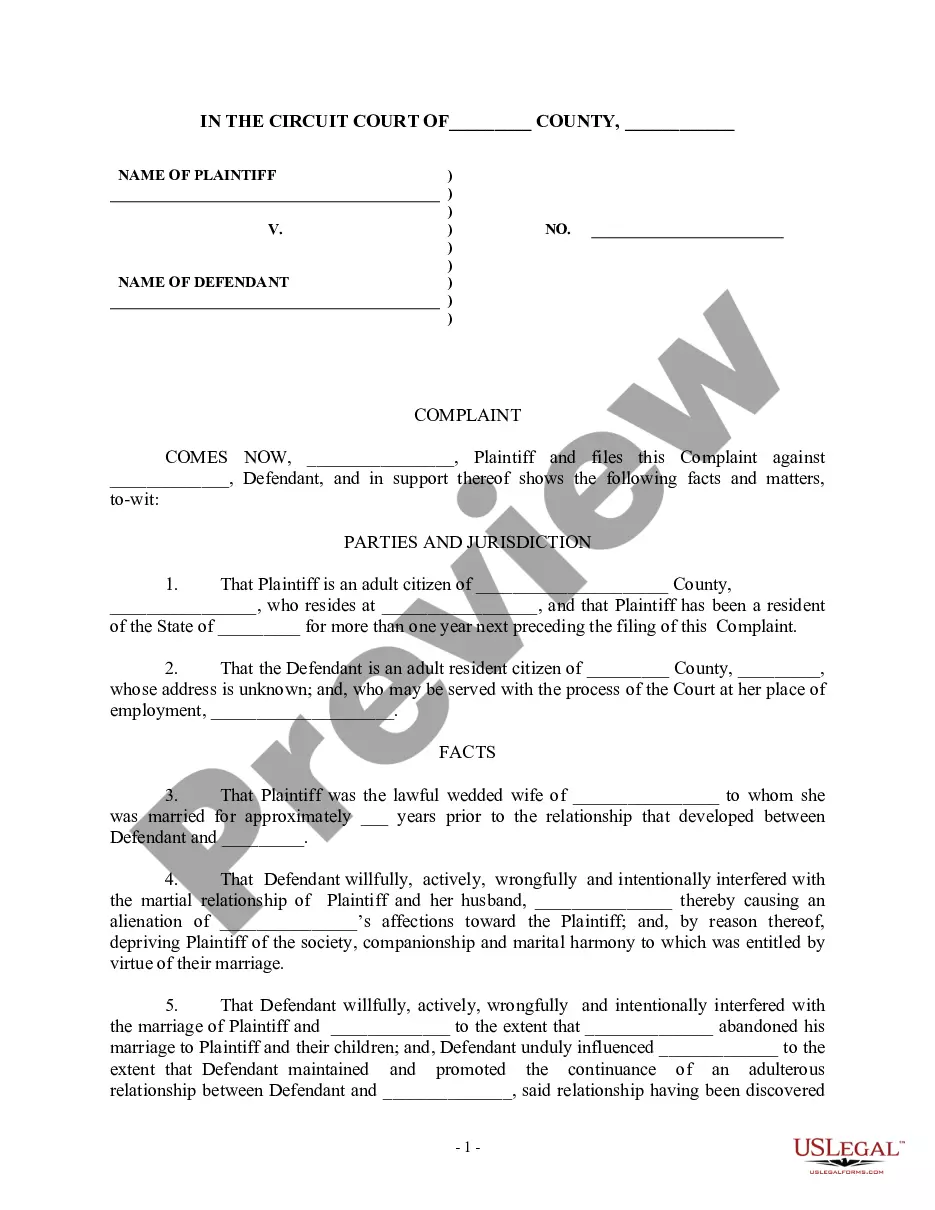

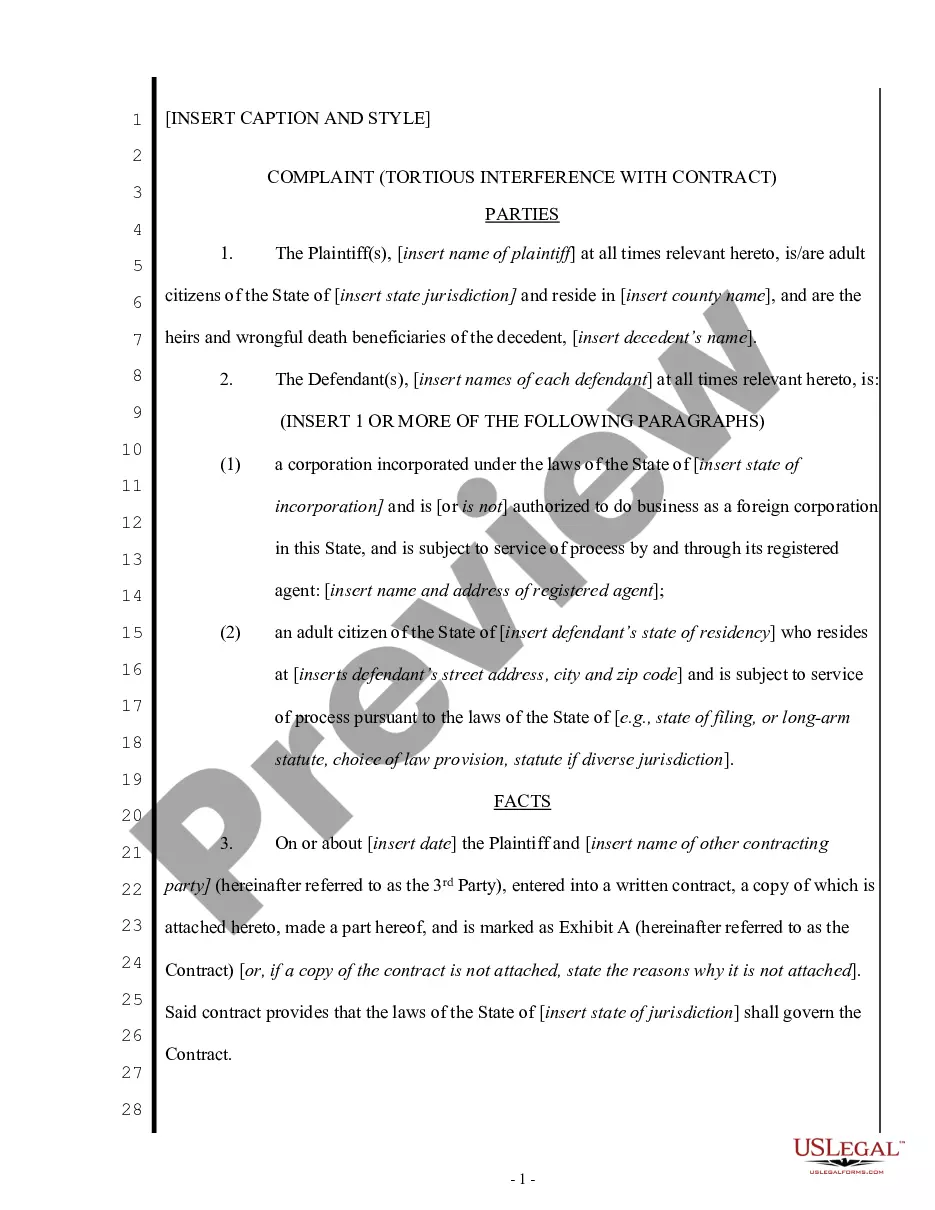
Get your form ready online
Our built-in tools help you complete, sign, share, and store your documents in one place.
Make edits, fill in missing information, and update formatting in US Legal Forms—just like you would in MS Word.
Download a copy, print it, send it by email, or mail it via USPS—whatever works best for your next step.
Sign and collect signatures with our SignNow integration. Send to multiple recipients, set reminders, and more. Go Premium to unlock E-Sign.
If this form requires notarization, complete it online through a secure video call—no need to meet a notary in person or wait for an appointment.
We protect your documents and personal data by following strict security and privacy standards.
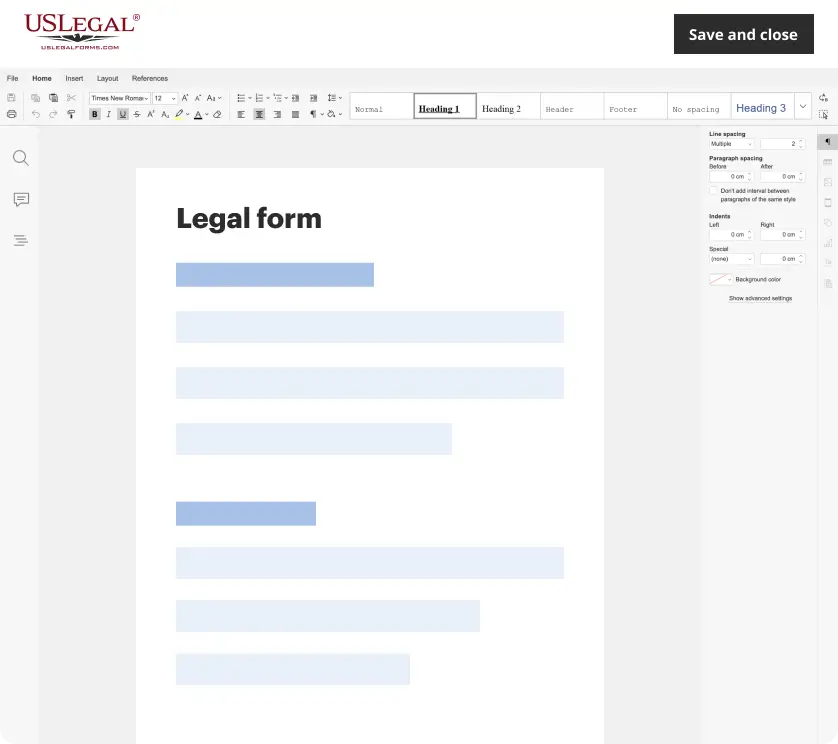
Make edits, fill in missing information, and update formatting in US Legal Forms—just like you would in MS Word.
Download a copy, print it, send it by email, or mail it via USPS—whatever works best for your next step.
Sign and collect signatures with our SignNow integration. Send to multiple recipients, set reminders, and more. Go Premium to unlock E-Sign.
If this form requires notarization, complete it online through a secure video call—no need to meet a notary in person or wait for an appointment.
We protect your documents and personal data by following strict security and privacy standards.
Looking for another form?

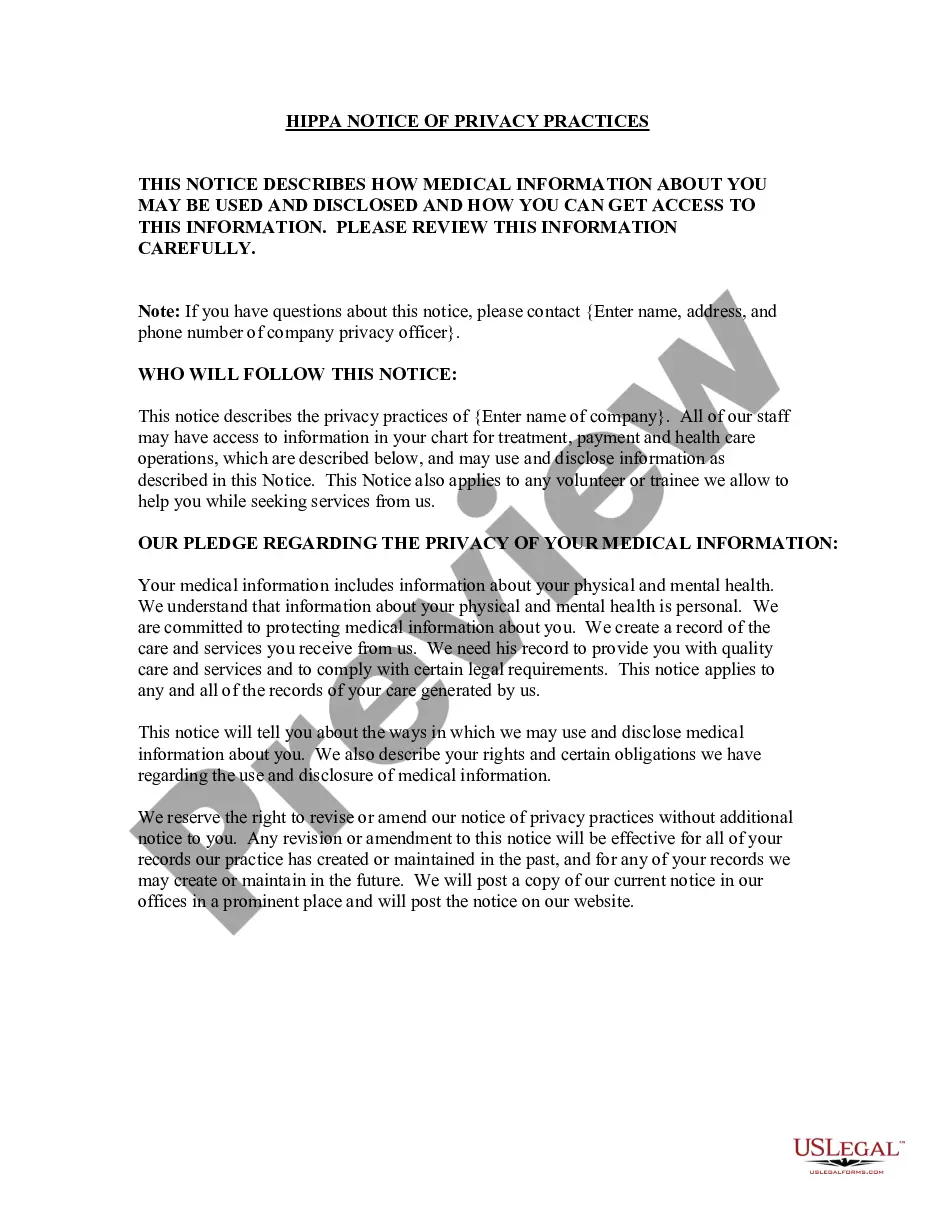
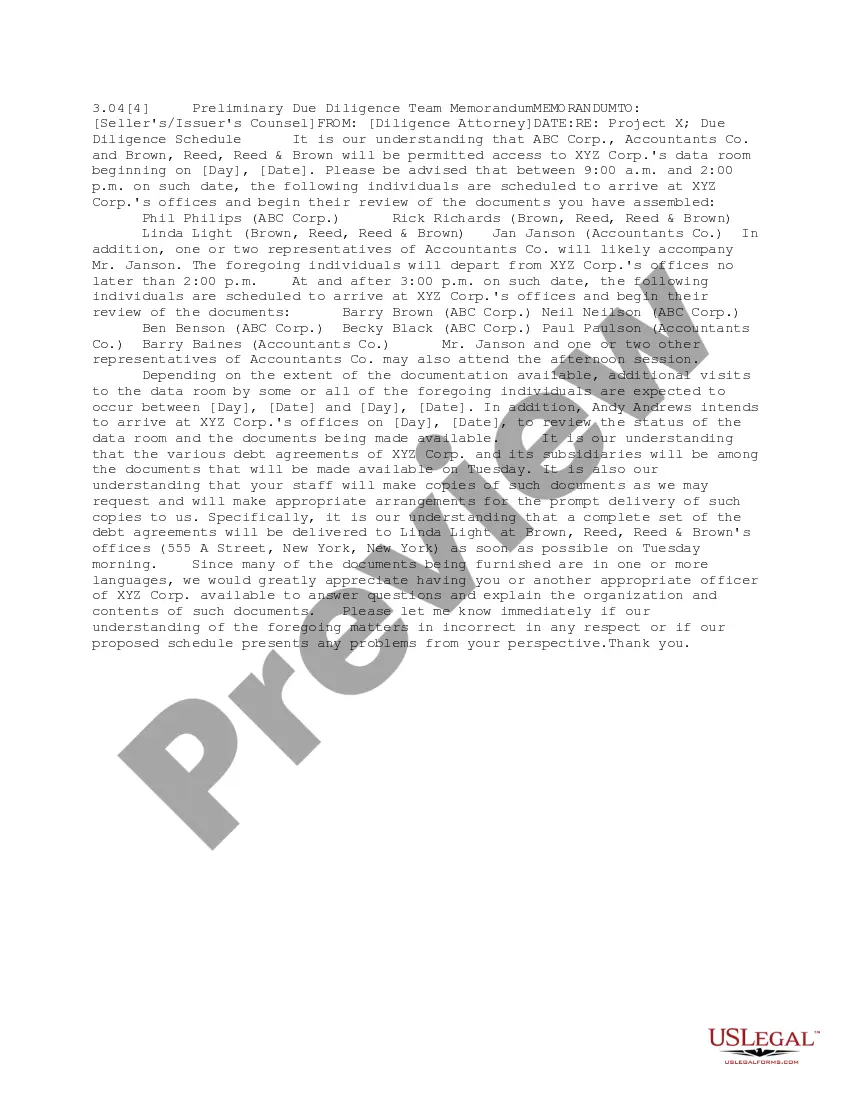
Form popularity
FAQ
The ADT is established under Section 57 of the Advocates Act, Cap 16 and is mandated to hear and determine complaints against advocates. The Advocates Disciplinary Tribunal adjudicates on matters brought before it.
The Advocate is an officer of the court and has a duty of fidelity to the law. Therefore the Advocate shall discharge his/her duty to represent the client in adversarial proceedings as well as in non- contentious matters by fair and honourable means and without illegality or subversion of the due processes of the law.
Client privilege The Advocate has a duty to keep confidential the information received from and advice given to the client. Unauthorised disclosure of client confidential information is professional misconduct.
Complaints are received by way of a designated form, the Help Form - Kiswahili, Help Form - English. The Help Form should be completed by the person who wishes to lodge a complaint and duly signed.
The Public Interest and Litigation Department works closely with the Law Society of Kenya (LSK) Committee on Public Interest Legal Aid and Human Rights that advises the Council on matters of Public Interest Litigation, handles access to justice matters and pro bono matters as well.
Advocates Training Program is conducted in 18 months; 12 months in-house and 6 months pupilage. Teaching in the Advocates' Training Programme (the ATP) is conducted on a clinical basis.
Client privilege The Advocate has a duty to keep confidential the information received from and advice given to the client. Unauthorised disclosure of client confidential information is professional misconduct.
Advocates work within the Social Services sector and fight for the needs and rights of other people. This can include jobs such as lawyers, mental health counselors, and patients' rights advocates in the medical field. Often social workers are advocates for people with psychological, legal, or addiction issues.
A lawyer is a person that has successfully completed an LLB degree, on the other hand, an advocate is a person who has attained admission to the bar.