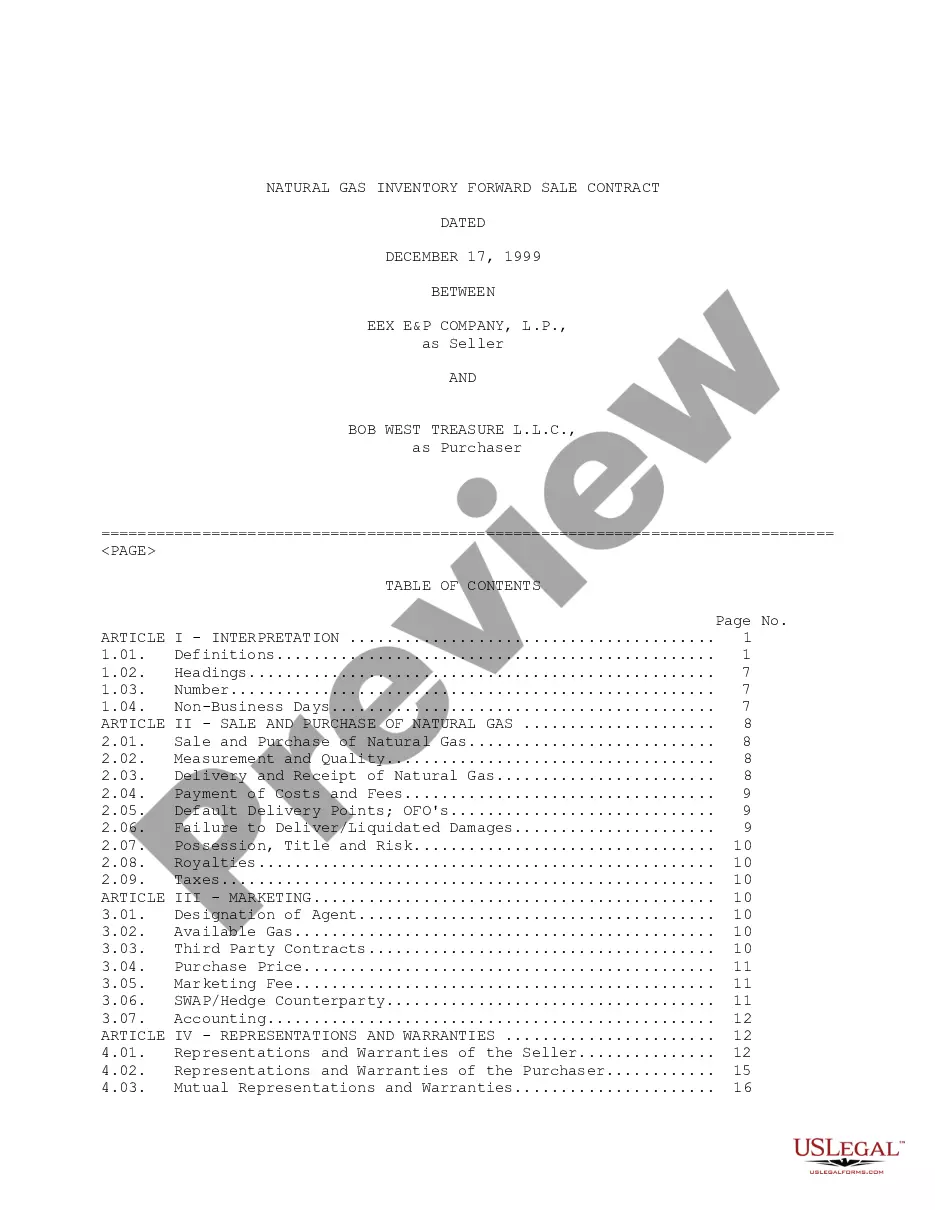
This is a multi-state form covering the subject matter of the title.
Wrongful Termination Court For Medical Reasons In Ohio
Category:
State:
Multi-State
Control #:
US-000291
Format:
Word;
Rich Text
Instant download
Description
Free preview

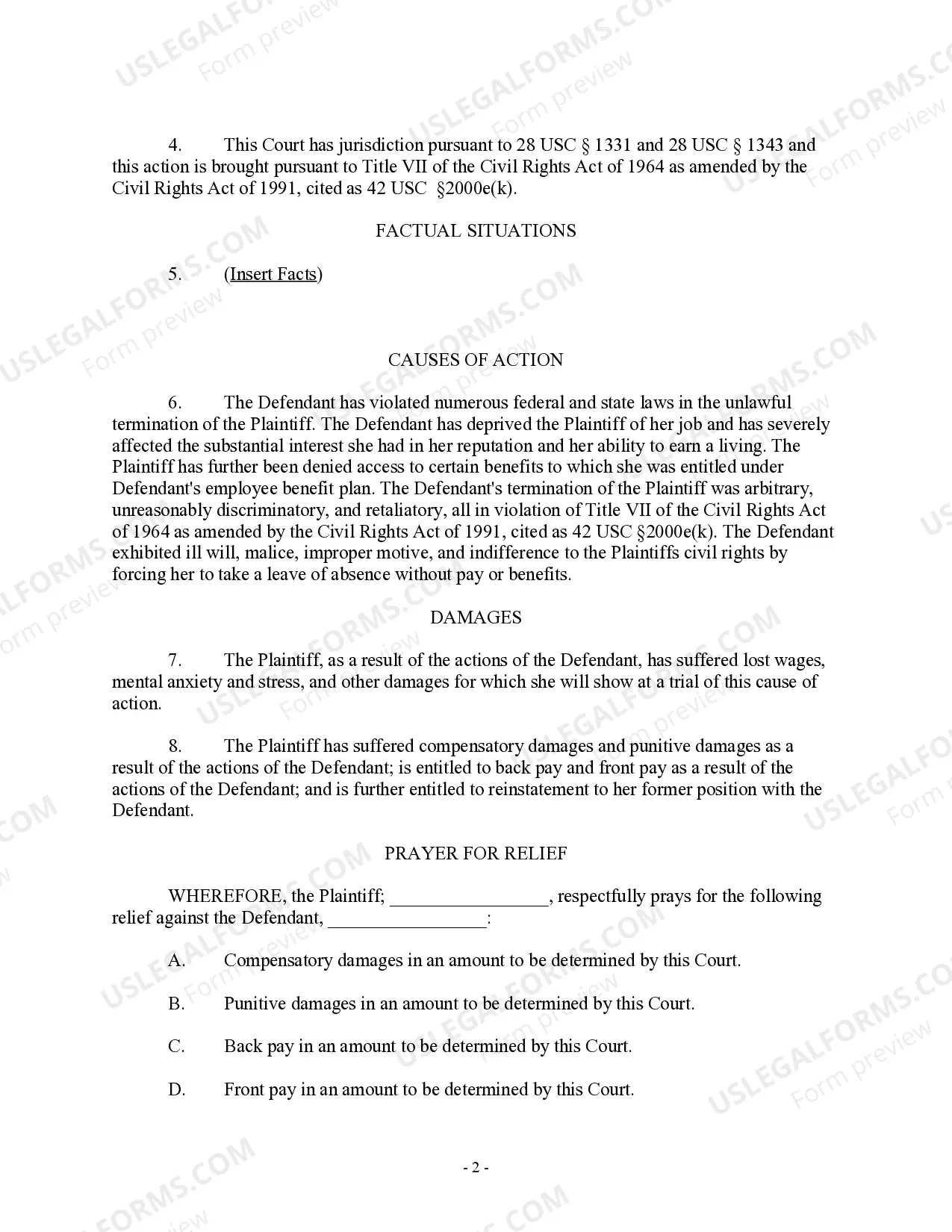




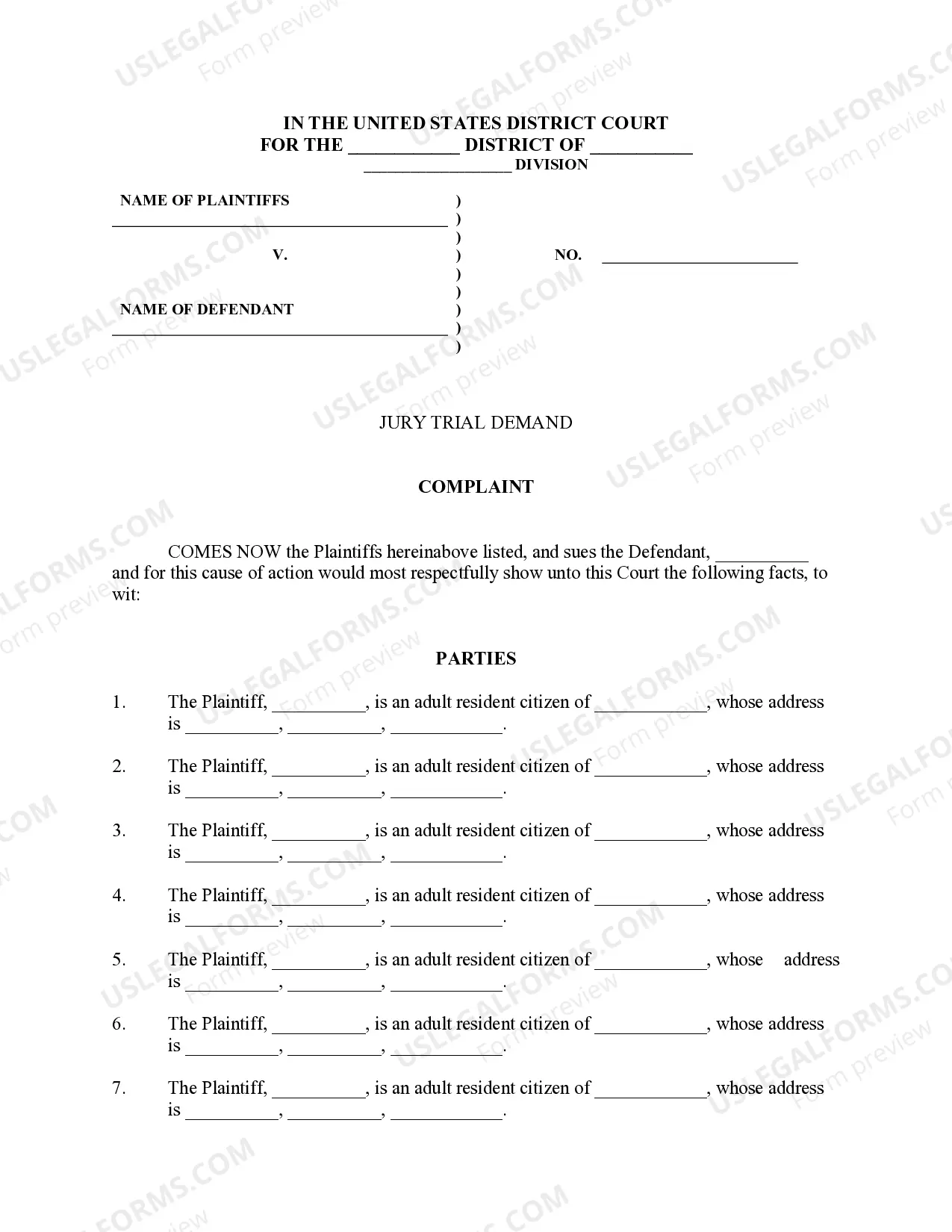
Get your form ready online
Our built-in tools help you complete, sign, share, and store your documents in one place.
Built-in online Word editor
Make edits, fill in missing information, and update formatting in US Legal Forms—just like you would in MS Word.
Export easily
Download a copy, print it, send it by email, or mail it via USPS—whatever works best for your next step.
E-sign your document
Sign and collect signatures with our SignNow integration. Send to multiple recipients, set reminders, and more. Go Premium to unlock E-Sign.
Notarize online 24/7
If this form requires notarization, complete it online through a secure video call—no need to meet a notary in person or wait for an appointment.
Store your document securely
We protect your documents and personal data by following strict security and privacy standards.

Make edits, fill in missing information, and update formatting in US Legal Forms—just like you would in MS Word.

Download a copy, print it, send it by email, or mail it via USPS—whatever works best for your next step.

Sign and collect signatures with our SignNow integration. Send to multiple recipients, set reminders, and more. Go Premium to unlock E-Sign.

If this form requires notarization, complete it online through a secure video call—no need to meet a notary in person or wait for an appointment.

We protect your documents and personal data by following strict security and privacy standards.
Looking for another form?




Form popularity
FAQ
While multimillion awards are possible, it is crucial to keep in mind that federal laws limit the amount of punitive and compensatory damages awarded in cases involving wrongful termination. They cannot exceed $50,000 – $300,000, depending on the number of employees working for the employer's business.
This means that unless you have an employment contract that controls your rights or you are a public employee, your employment is considered “at-will,” which means that an employer can fire, discipline, or demote you at any time, for any reason, including a bad or unfair reason or even no reason at all, as long as the ...
Ohio's At-Will Employment Rule Employers cannot fire someone based on certain protected traits like race, gender, religion, pregnancy, or disabilities. Also, employees cannot be fired for speaking up about issues at work or for taking legal rights, like taking a necessary medical leave.
Some common examples of wrongful termination include: Retaliation – for example, if an employee is fired after they complain about discrimination based on a protected class or sexual harassment, report illegal activities, or report discrimination. Violation of public policies. Breach of contract.
Ohio's At-Will Employment Rule This means that employers have a lot of power to let go of employees. However, there are laws in place that protect workers who need time off for health reasons. Employers cannot fire someone based on certain protected traits like race, gender, religion, pregnancy, or disabilities.
First, employers may not fire employees for a discriminatory reason. Various Ohio and federal employment laws protect employees from termination based on age, disability, gender, race, religion, color, national origin, pregnancy, military status, or genetic information.
Employers cannot have rigid attendance policies that discipline employees for medical-related absences. If your employer has an attendance policy that issues points or occurrences for medical leave or medical-related absences, you need to speak with our Ohio ADA lawyers immediately.
How to Negotiate a Settlement in a Wrongful Termination Case Understand Your Rights. Before entering negotiations, it's essential to understand your legal rights. Gather Evidence. Consult with an Attorney. Calculate Your Damages. Be Prepared to Compromise. Stay Calm and Professional.