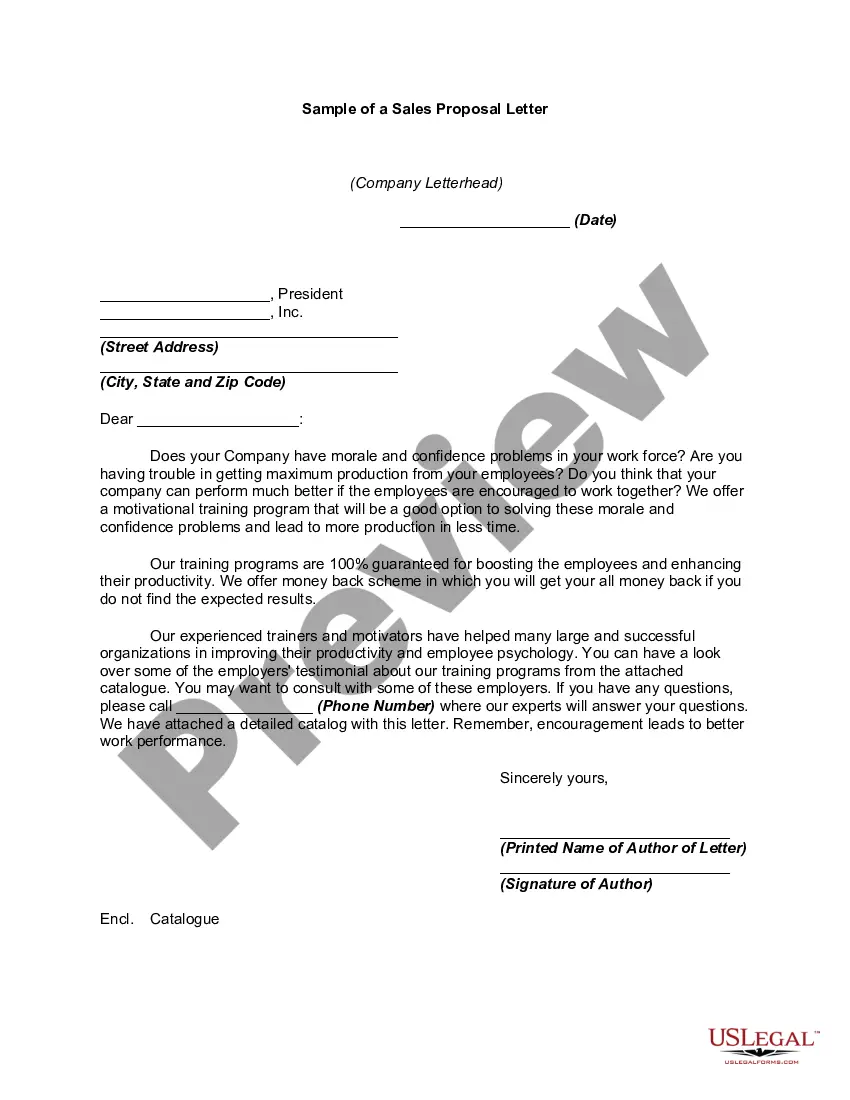
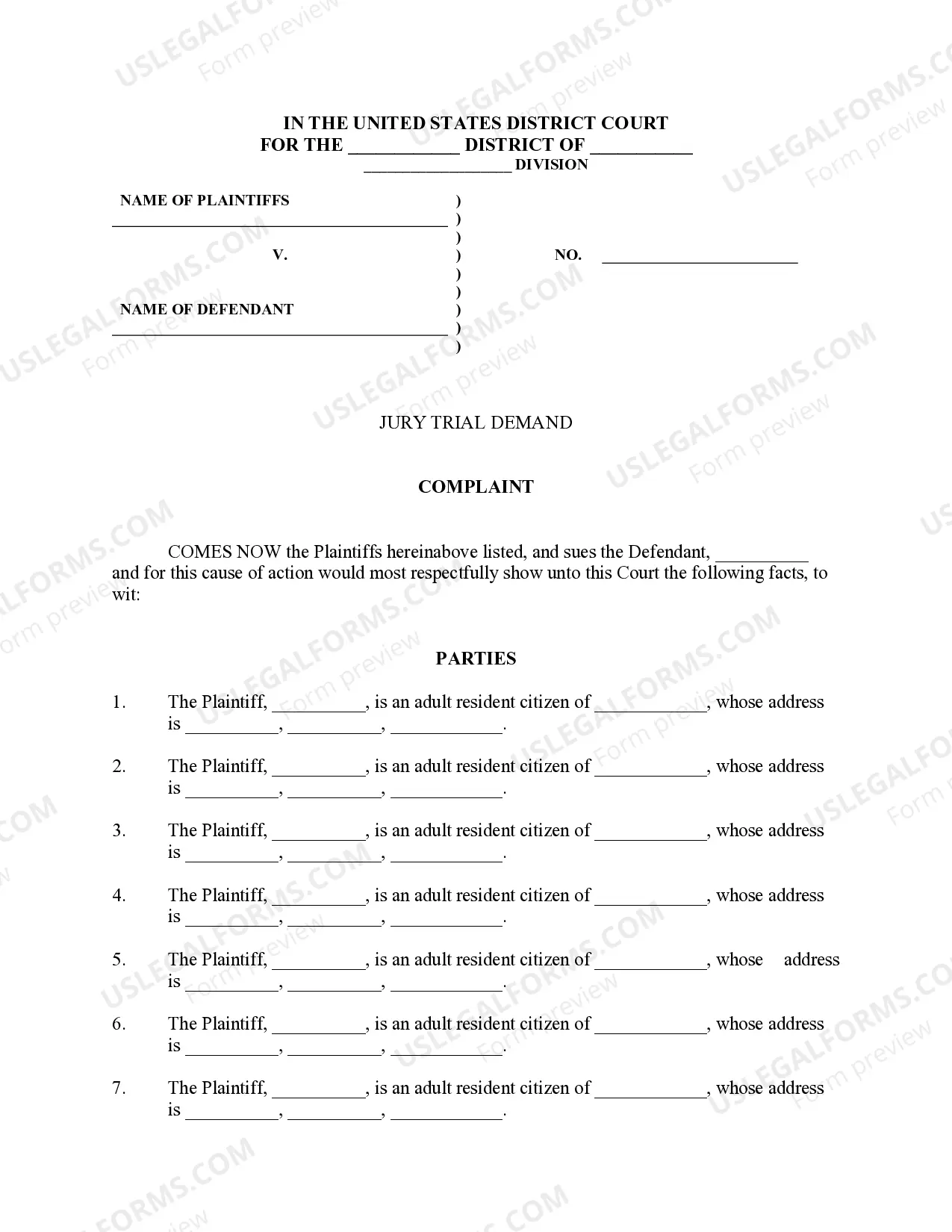
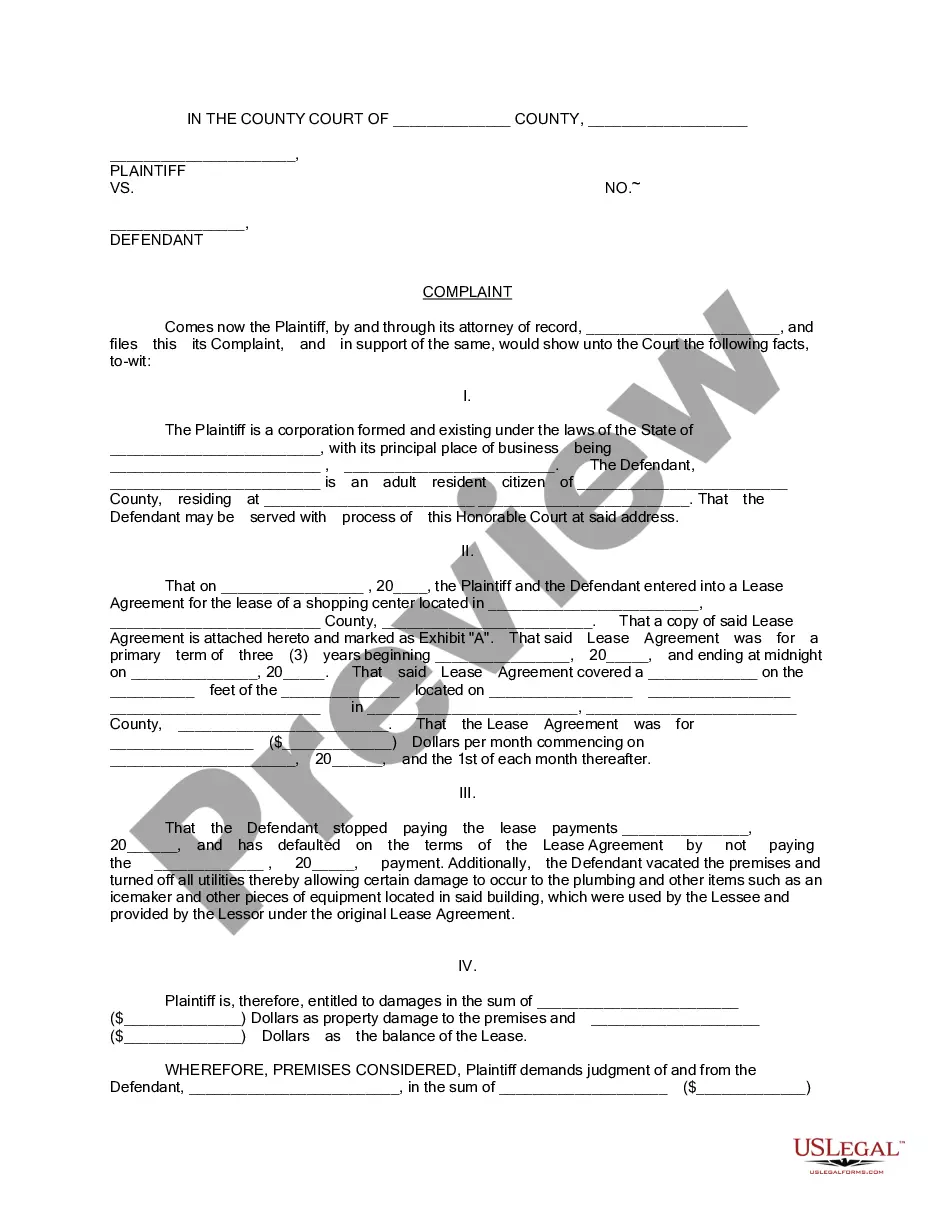
This is a multi-state form covering the subject matter of the title.
Trial On Demand In Ohio
Category:
State:
Multi-State
Control #:
US-000291
Format:
Word;
Rich Text
Instant download
Description
Free preview





Get your form ready online
Our built-in tools help you complete, sign, share, and store your documents in one place.
Built-in online Word editor
Make edits, fill in missing information, and update formatting in US Legal Forms—just like you would in MS Word.
Export easily
Download a copy, print it, send it by email, or mail it via USPS—whatever works best for your next step.
E-sign your document
Sign and collect signatures with our SignNow integration. Send to multiple recipients, set reminders, and more. Go Premium to unlock E-Sign.
Notarize online 24/7
If this form requires notarization, complete it online through a secure video call—no need to meet a notary in person or wait for an appointment.
Store your document securely
We protect your documents and personal data by following strict security and privacy standards.

Make edits, fill in missing information, and update formatting in US Legal Forms—just like you would in MS Word.

Download a copy, print it, send it by email, or mail it via USPS—whatever works best for your next step.

Sign and collect signatures with our SignNow integration. Send to multiple recipients, set reminders, and more. Go Premium to unlock E-Sign.

If this form requires notarization, complete it online through a secure video call—no need to meet a notary in person or wait for an appointment.

We protect your documents and personal data by following strict security and privacy standards.
Looking for another form?

Form popularity
FAQ
If you are in jail while your case is pending then each day in jail counts as 3 days for speedy trial time. Eg if you are charged with a felony and are in jail unable to post bond, then your case has be tried in 90 days not 270 days.
Any party may demand a trial by jury on any issue triable of right by a jury by serving upon the other parties a demand therefor at any time after the commencement of the action and not later than fourteen days after the service of the last pleading directed to such issue.
Section 2945.71 | Time for trial. (2) Within ninety days after the person's arrest or the service of summons, if the offense charged is a misdemeanor of the first or second degree, or other misdemeanor for which the maximum penalty is imprisonment for more than sixty days.
Except for motions made during a hearing or during trial, motions are required to be in writing. They must also be filed in court and served on the opposing party's attorney (or the party if not represented by counsel). If the motion is contested, the opposing attorneys will also file papers opposing the motion.
The Speedy Trial Act, in contrast, sets forth two clear time limits: an information or indictment must follow within 30 days of arrest, and a trial must begin within 70 days of indictment or arraignment.
Pursuant to R.C. 2945.71(C)(2), the state must bring a defendant arrested on felony charges to trial within 270 days of his arrest.
Any party may demand a trial by jury of any issue triable of right by a jury by (1) serving upon the other parties a demand therefor in writing at any time after the commencement of the action and not later than 10 days after the service of the last pleading directed to such issue, and (2) filing the demand as required ...
Ohio has the same two-court system that is used by every other state in the nation. This means that Ohio has state courts and federal courts. However, there are multiple levels and specific types of these courts. The type of court that a person appears in depends on the specific matter of law that is being heard.
Courts of Common Pleas are the only trial court created by the Ohio Constitution. They are established by Article IV, Section 1, of the Constitution and their duties are outlined in Article IV, Section 4. There is a court of common pleas in each of Ohio's 88 counties.