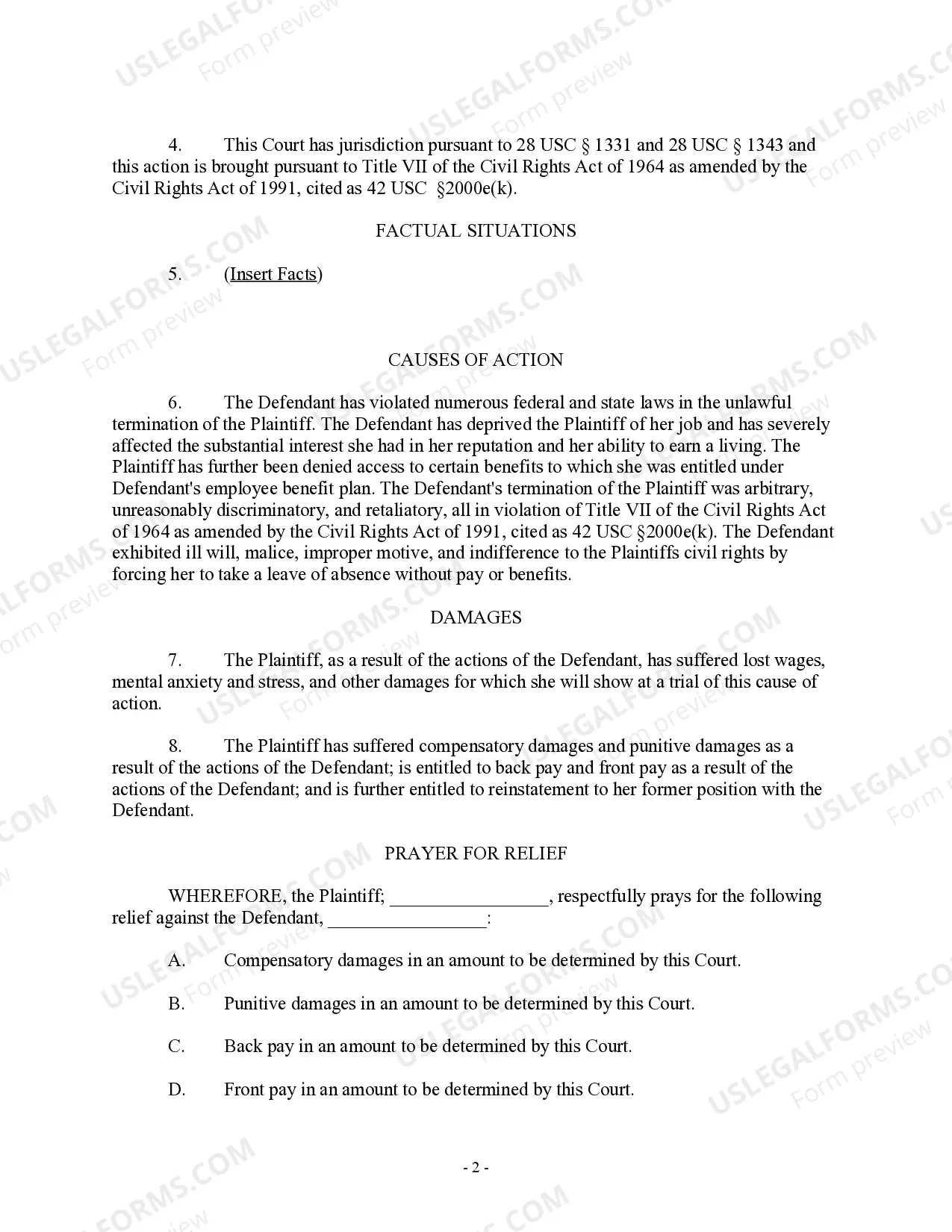
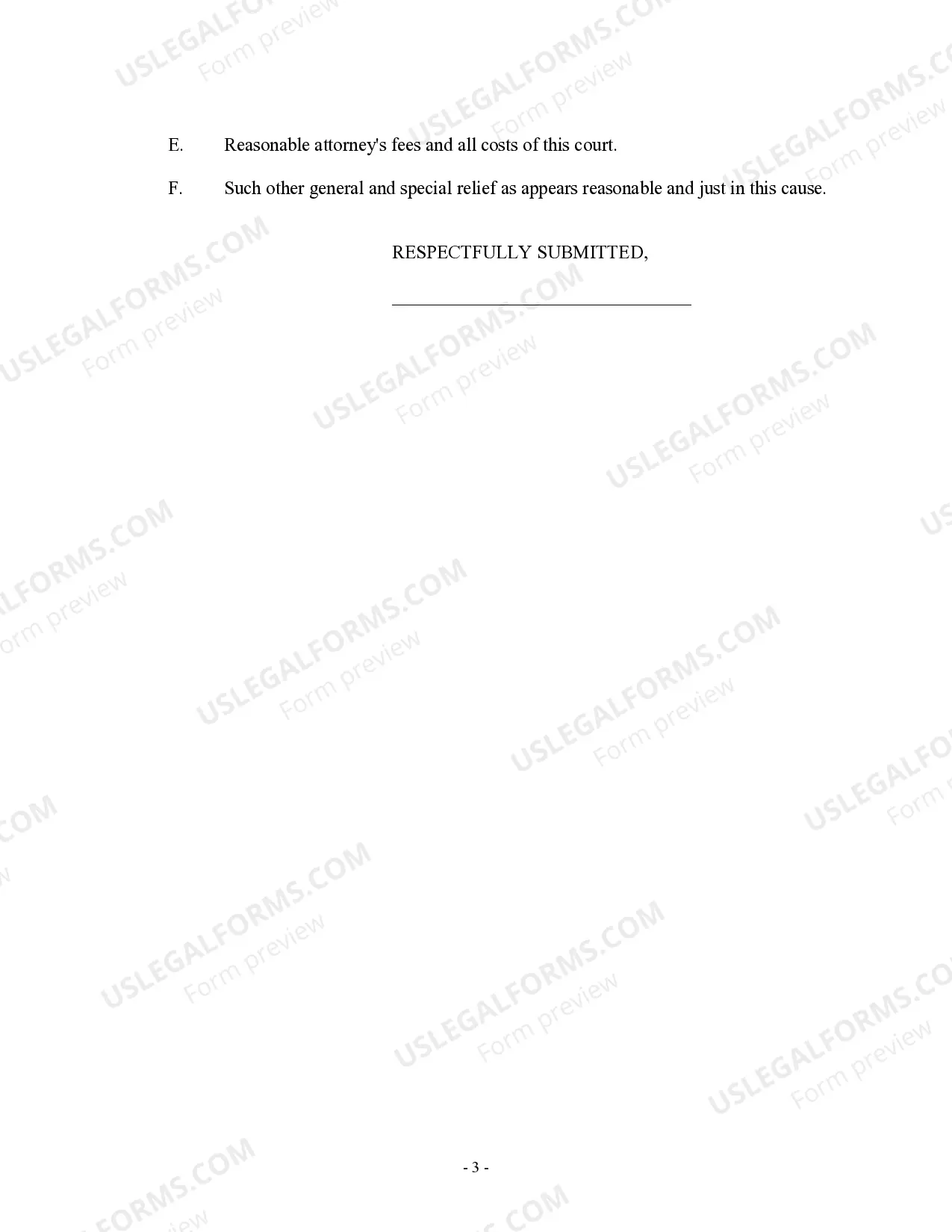
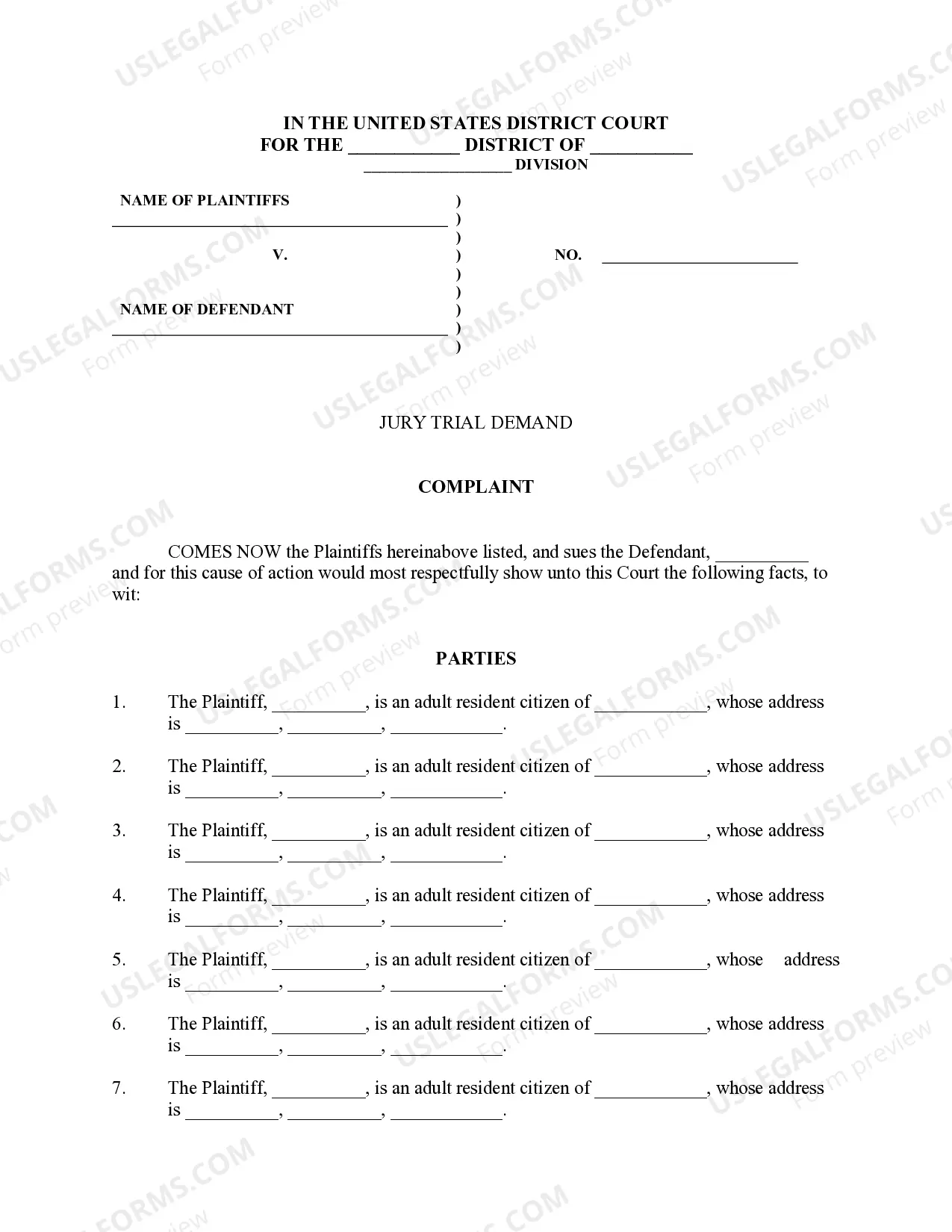
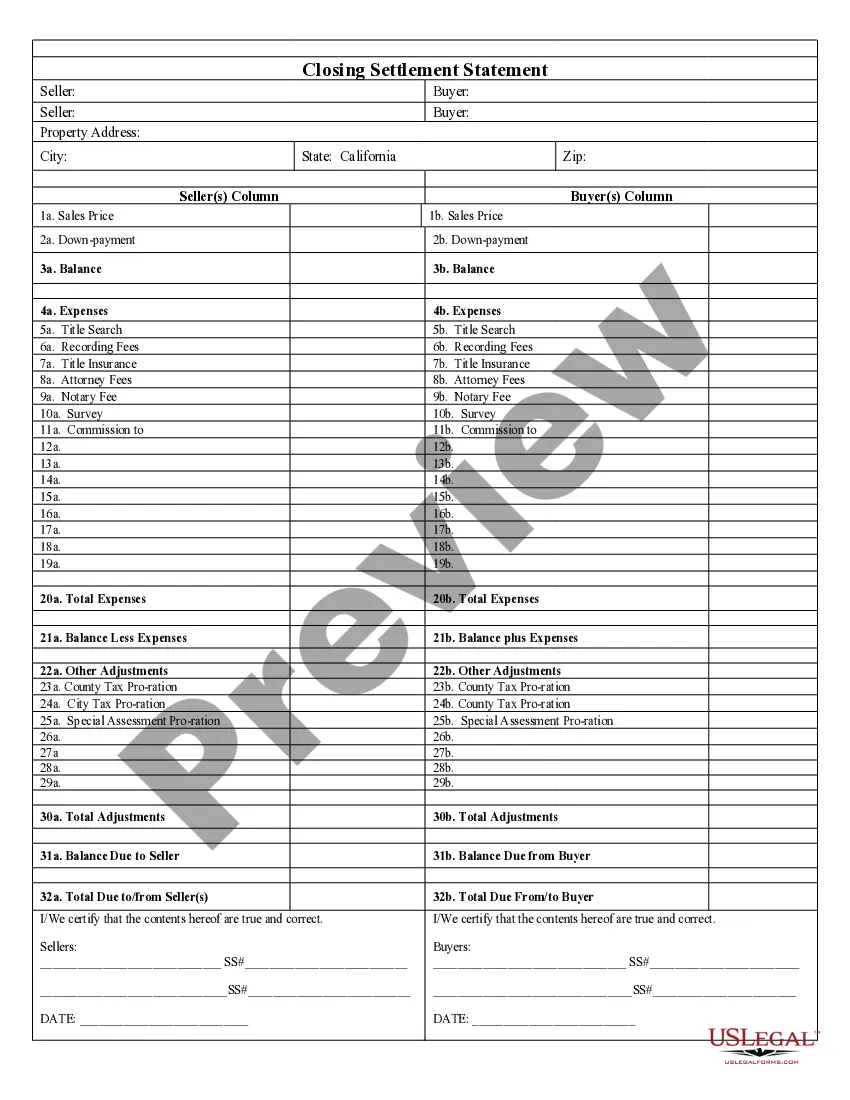
This is a multi-state form covering the subject matter of the title.
Trial On Demand In Oakland
Category:
State:
Multi-State
County:
Oakland
Control #:
US-000291
Format:
Word;
Rich Text
Instant download
Description
Free preview




Get your form ready online
Our built-in tools help you complete, sign, share, and store your documents in one place.
Built-in online Word editor
Make edits, fill in missing information, and update formatting in US Legal Forms—just like you would in MS Word.
Export easily
Download a copy, print it, send it by email, or mail it via USPS—whatever works best for your next step.
E-sign your document
Sign and collect signatures with our SignNow integration. Send to multiple recipients, set reminders, and more. Go Premium to unlock E-Sign.
Notarize online 24/7
If this form requires notarization, complete it online through a secure video call—no need to meet a notary in person or wait for an appointment.
Store your document securely
We protect your documents and personal data by following strict security and privacy standards.

Make edits, fill in missing information, and update formatting in US Legal Forms—just like you would in MS Word.

Download a copy, print it, send it by email, or mail it via USPS—whatever works best for your next step.

Sign and collect signatures with our SignNow integration. Send to multiple recipients, set reminders, and more. Go Premium to unlock E-Sign.

If this form requires notarization, complete it online through a secure video call—no need to meet a notary in person or wait for an appointment.

We protect your documents and personal data by following strict security and privacy standards.
Looking for another form?

Form popularity
FAQ
Generally, you can only sue for up to $12,500 in small claims court (or up to $6,250 if you're a business). You can ask a lawyer for advice before you go to court, but you can't have one with you in court.
In Alameda small claims, the maximum you can sue for is: $12,500 if you are an individual. $6,250 if you are a business.
In California, small claims court is designed for resolving disputes involving amounts up to $12,500 for individuals, making it a suitable venue for your case involving $2,000 in damages.
Superior Court of Alameda County.
Monetary Limits for Small Claims Court: The amount in dispute may not exceed $10,000 for a natural person. If you are filing on behalf of a business the limit of your claim may not exceed $5,000.
The materials that you'll need to gather during trial prep include: Evidence, depositions, and requests for admission. Pre-trial briefs and motions. Jury instructions to submit to the court at the beginning of the trial. An opening statement that outlines the case for the jury.
Good Demand Letter Copies (not the originals) of the documents that support your story are enclosed. You are polite. You show how the amount that you want was calculated. You point out why it makes sense to settle.
Although notarization is not legally required for demand letters, there are certain advantages to notarizing such a document: Strengthening the Evidence: A notarized document carries more weight in legal proceedings.
Frequently Asked Questions (FAQ) Type your letter. Concisely review the main facts. Be polite. Write with your goal in mind. Ask for exactly what you want. Set a deadline. End the letter by stating you will promptly pursue legal remedies if the other party does not meet your demand. Make and keep copies.
The United States Court of Appeals for the Sixth Circuit is based in the Potter Stewart U.S. Courthouse in Cincinnati, Ohio.
