Nebraska Bar Association Withdrawal Of Counsel In Florida
Description
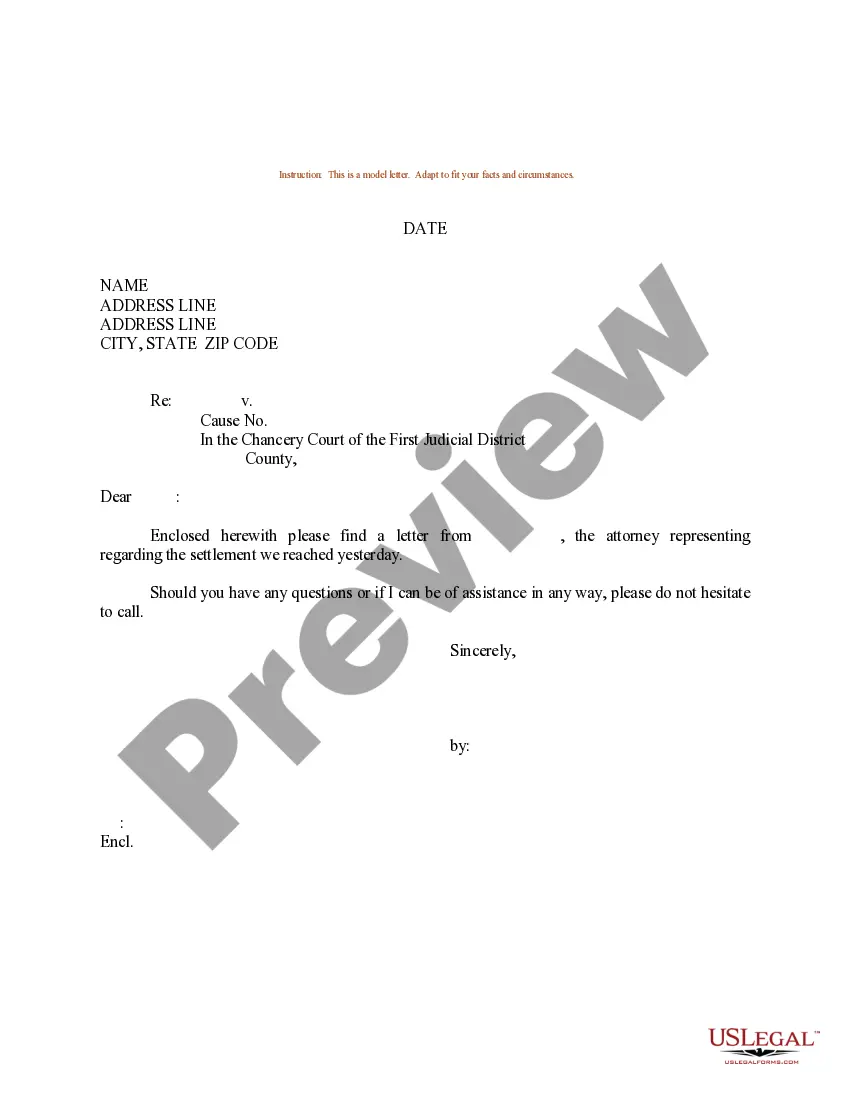
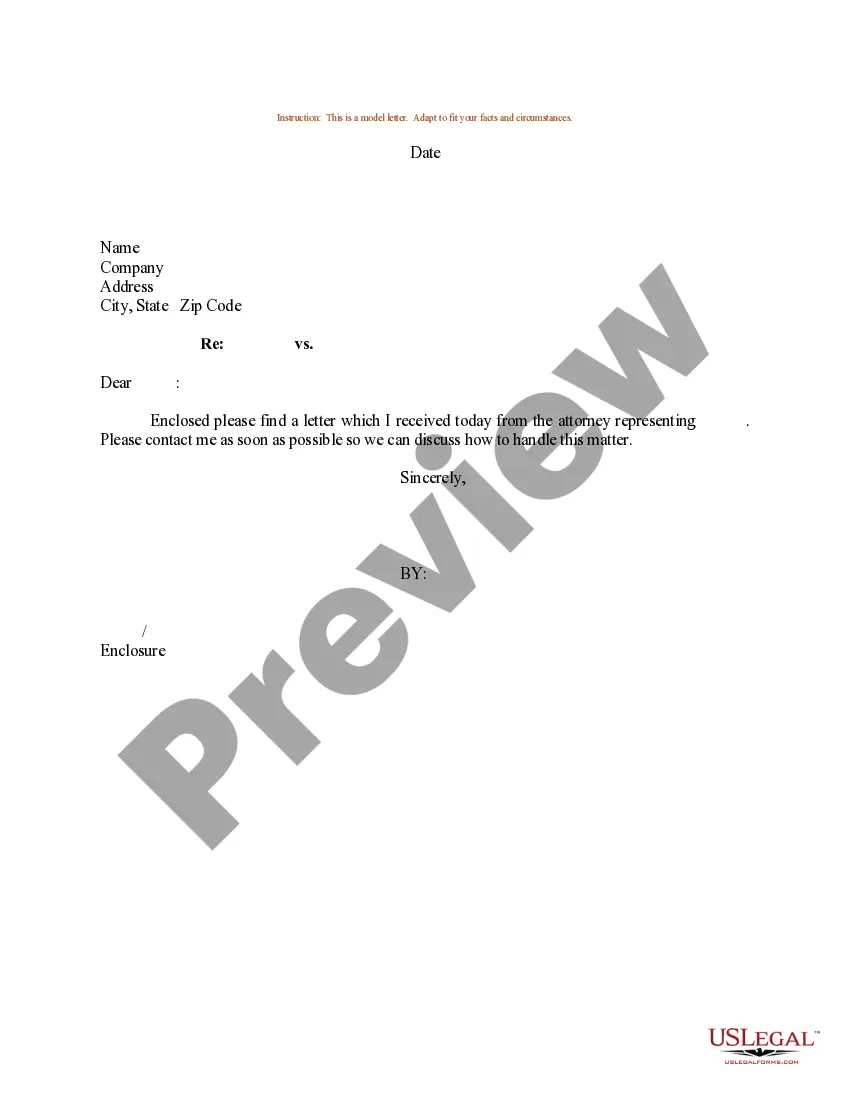
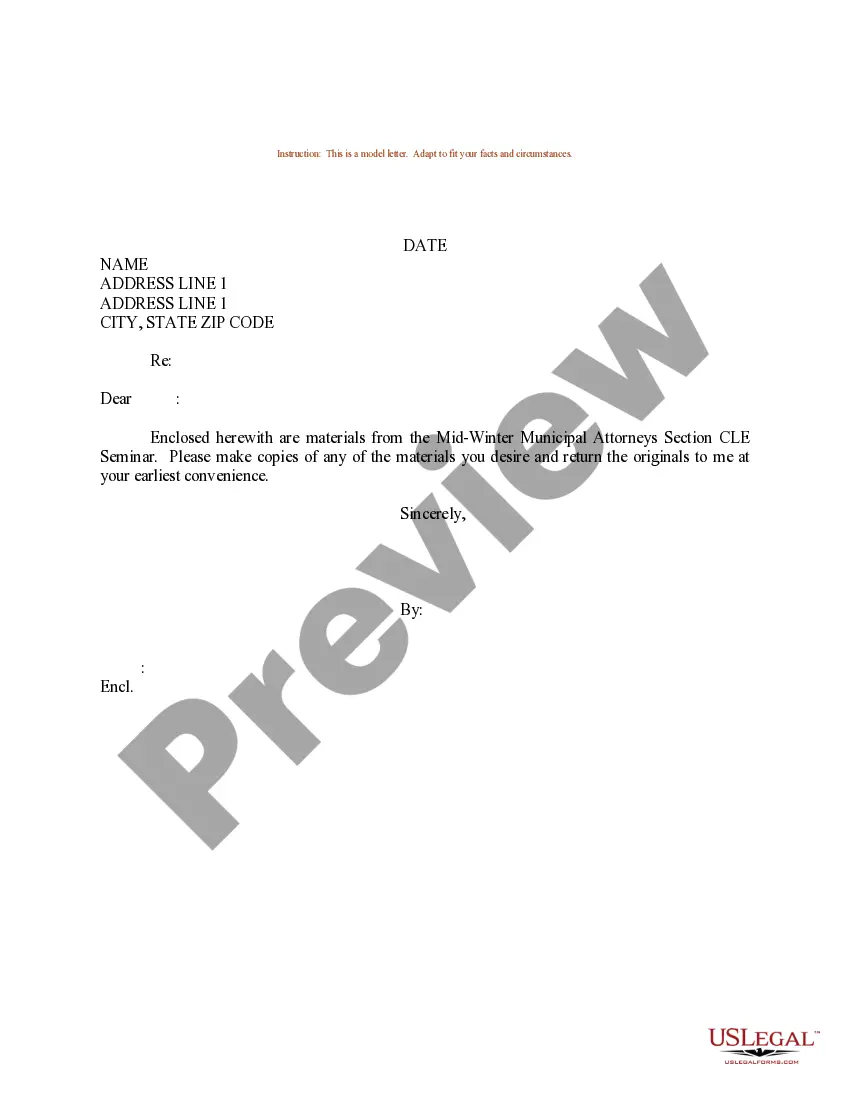
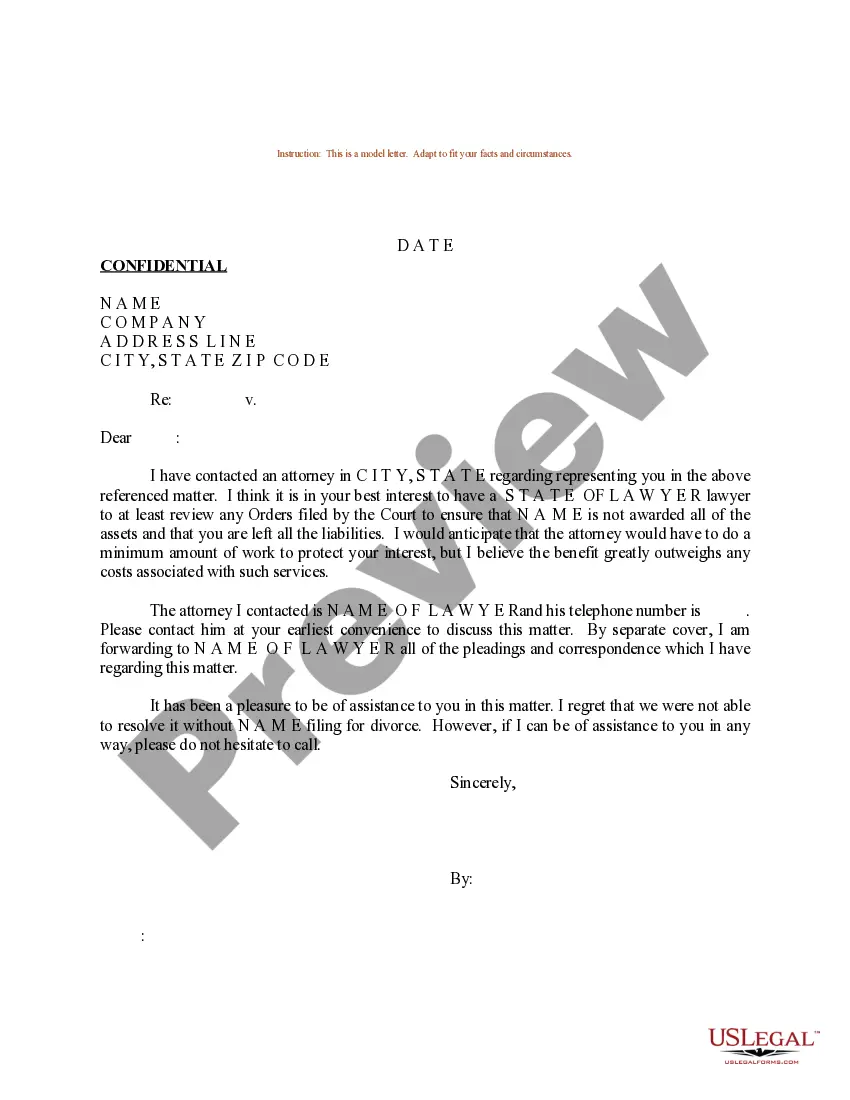
Get your form ready online
Our built-in tools help you complete, sign, share, and store your documents in one place.
Make edits, fill in missing information, and update formatting in US Legal Forms—just like you would in MS Word.
Download a copy, print it, send it by email, or mail it via USPS—whatever works best for your next step.
Sign and collect signatures with our SignNow integration. Send to multiple recipients, set reminders, and more. Go Premium to unlock E-Sign.
If this form requires notarization, complete it online through a secure video call—no need to meet a notary in person or wait for an appointment.
We protect your documents and personal data by following strict security and privacy standards.

Make edits, fill in missing information, and update formatting in US Legal Forms—just like you would in MS Word.

Download a copy, print it, send it by email, or mail it via USPS—whatever works best for your next step.

Sign and collect signatures with our SignNow integration. Send to multiple recipients, set reminders, and more. Go Premium to unlock E-Sign.

If this form requires notarization, complete it online through a secure video call—no need to meet a notary in person or wait for an appointment.

We protect your documents and personal data by following strict security and privacy standards.
Looking for another form?
Form popularity
FAQ
Except as stated in subdivision (c), a lawyer may withdraw from representing a client if: (1) withdrawal can be accomplished without material adverse effect on the interests of the client; (2) the client insists upon taking action that the lawyer considers repugnant, imprudent, or with which the lawyer has a ...
The attorney is not relieved of his or her duties to represent the client unless and until an order granting the withdrawal is signed by the judge and filed with the clerk of court. Clients are also allowed to terminate the attorney-client relationship. Clients can fire their attorneys at will.
(d) Stipulations. No private agreement or consent between parties or their attorneys concerning the practice or procedure in an action shall be of any force unless the evidence of it is in writing, subscribed by the party or the party's attorney against whom it is alleged.
Rule 4-4.2, Rules of Professional Conduct, provides that, in representing a client, a lawyer cannot communicate with a person the lawyer knows to be represented by another lawyer in the matter unless the other lawyer gives consent.
Can lawyers refuse to defend someone? Yes, under certain circumstances, lawyers have the right to decline representation, including conflicts of interest, lack of expertise, or personal beliefs. However, they cannot deny representation based on whether the client is guilty or innocent.
A lawyer may withdraw from representation in some circumstances. The lawyer has the option to withdraw if it can be accomplished without material adverse effect on the client's interests.
You can always reject a prospective client for any reason, but you must let the client know why immediately. If a decision to deny a client was made during the consultation, you can give them a paper statement outlining your reasons for the denial before the client leaves the office.
The client's failure to fulfill her financial obligations to the attorney can furnish grounds for the attorney to withdraw from the representation after notifying his client of his intent to do so if the client fails to satisfy her obligations: Except as stated in paragraph (c), a lawyer may withdraw from representing ...
An attorney appearing in a case or adversary proceeding may request to withdraw as counsel of record for his or her client. Unless a court order or Local Rule 2091-2 provides otherwise, an attorney must file a motion and obtain Court approval to be removed as counsel.
Signing Pleadings, Motions, and Other Papers; Representations to the Court; Sanctions. (a) Signature. Every pleading, written motion, and other paper must be signed by at least one attorney of record in the attorney's name – or by a party personally if the party is unrepresented.

