State Bar Of Texas In Cook
Description
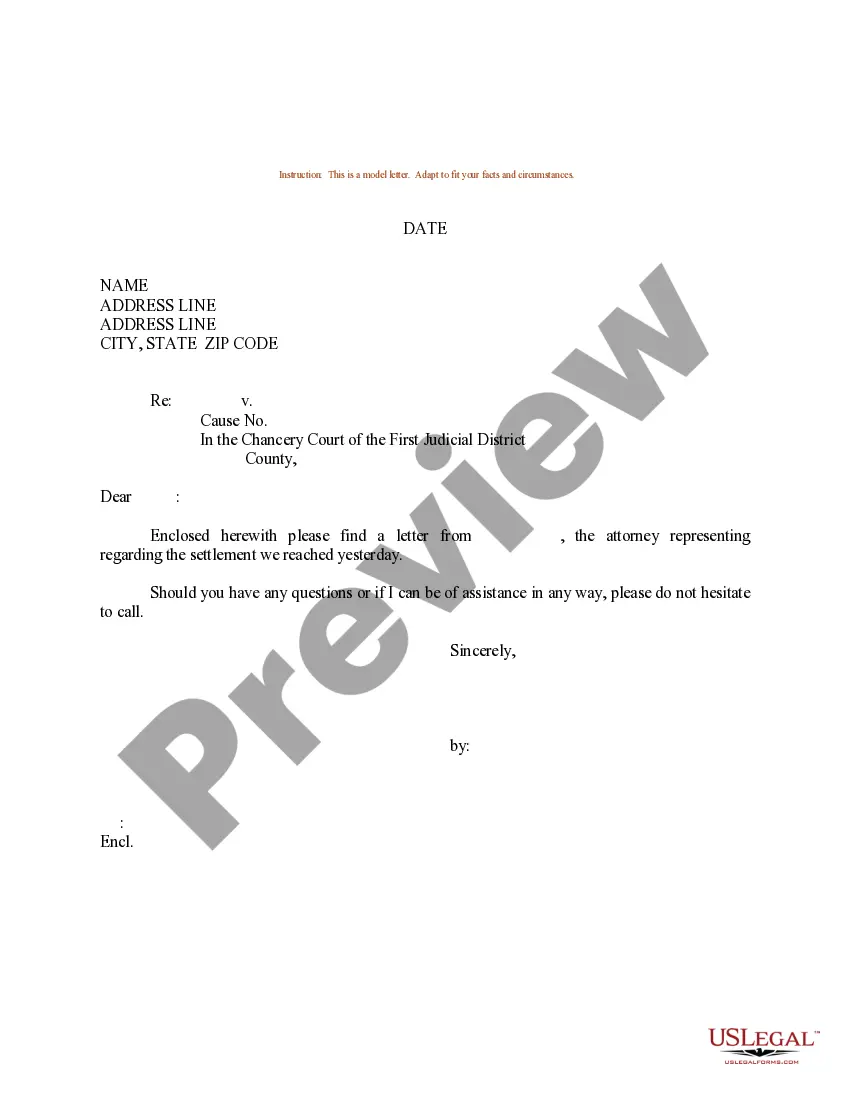
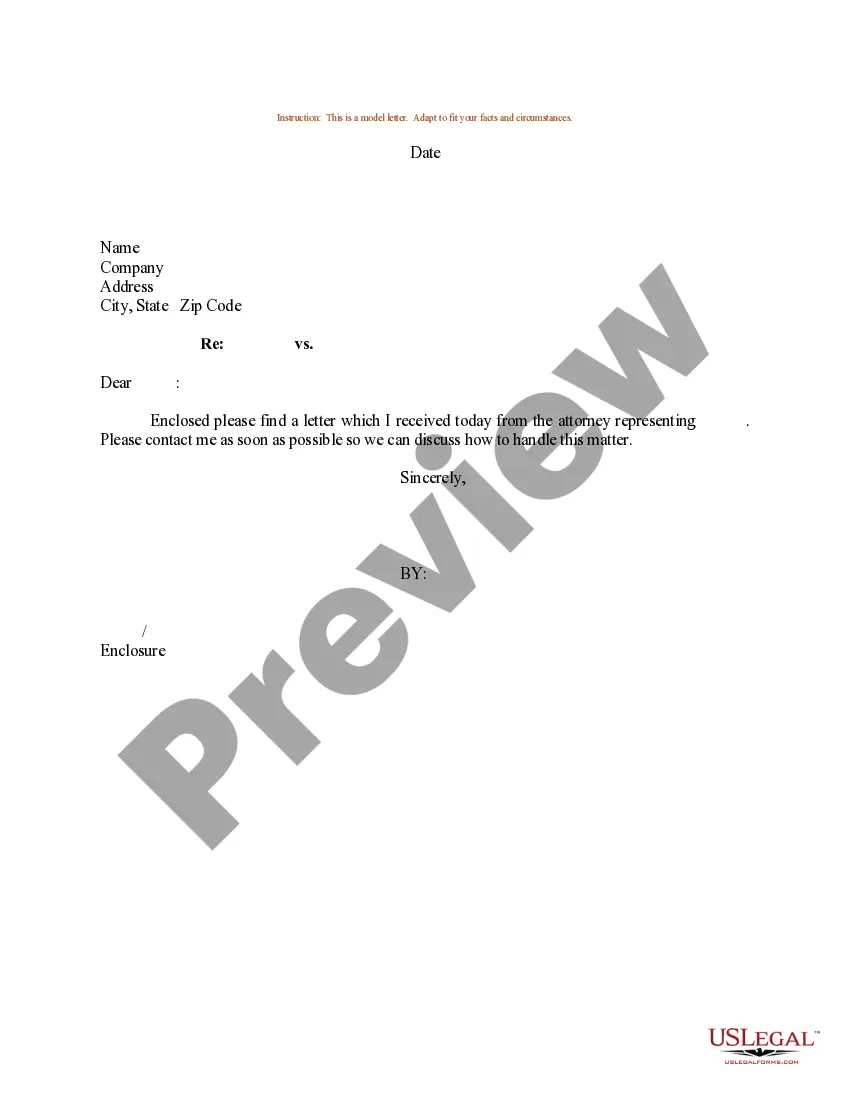
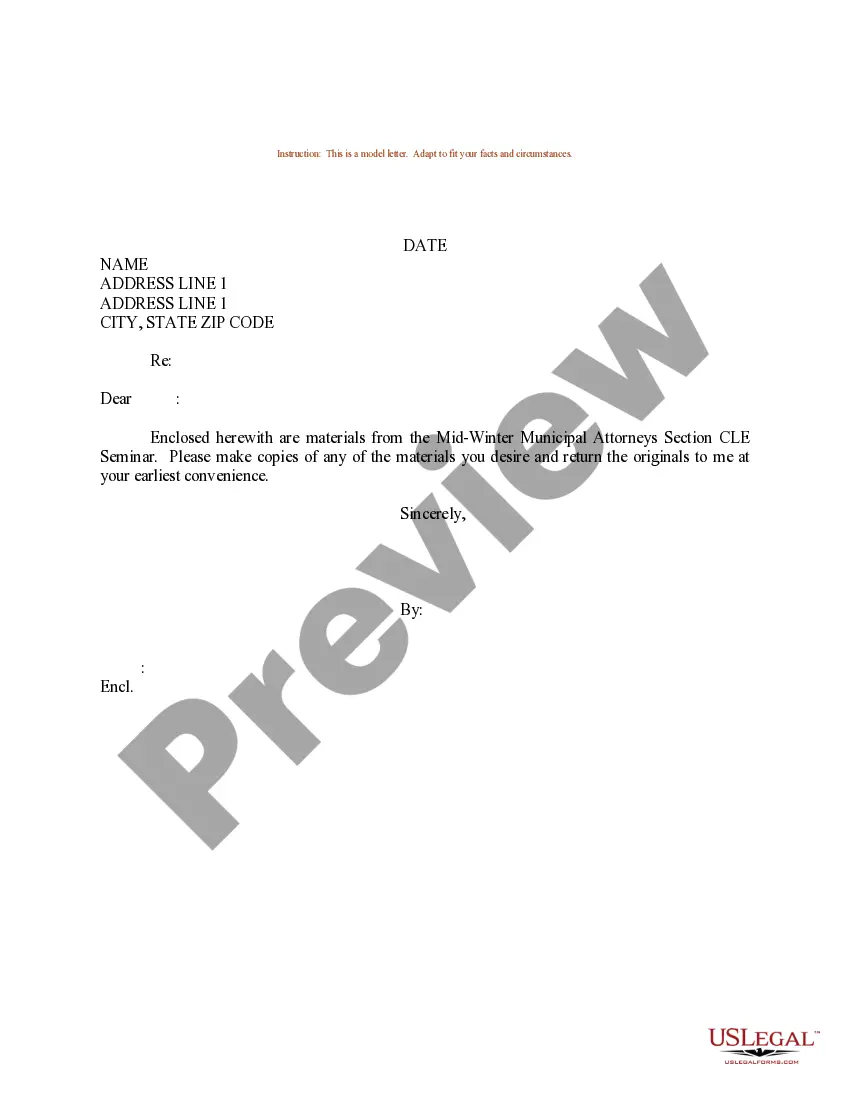
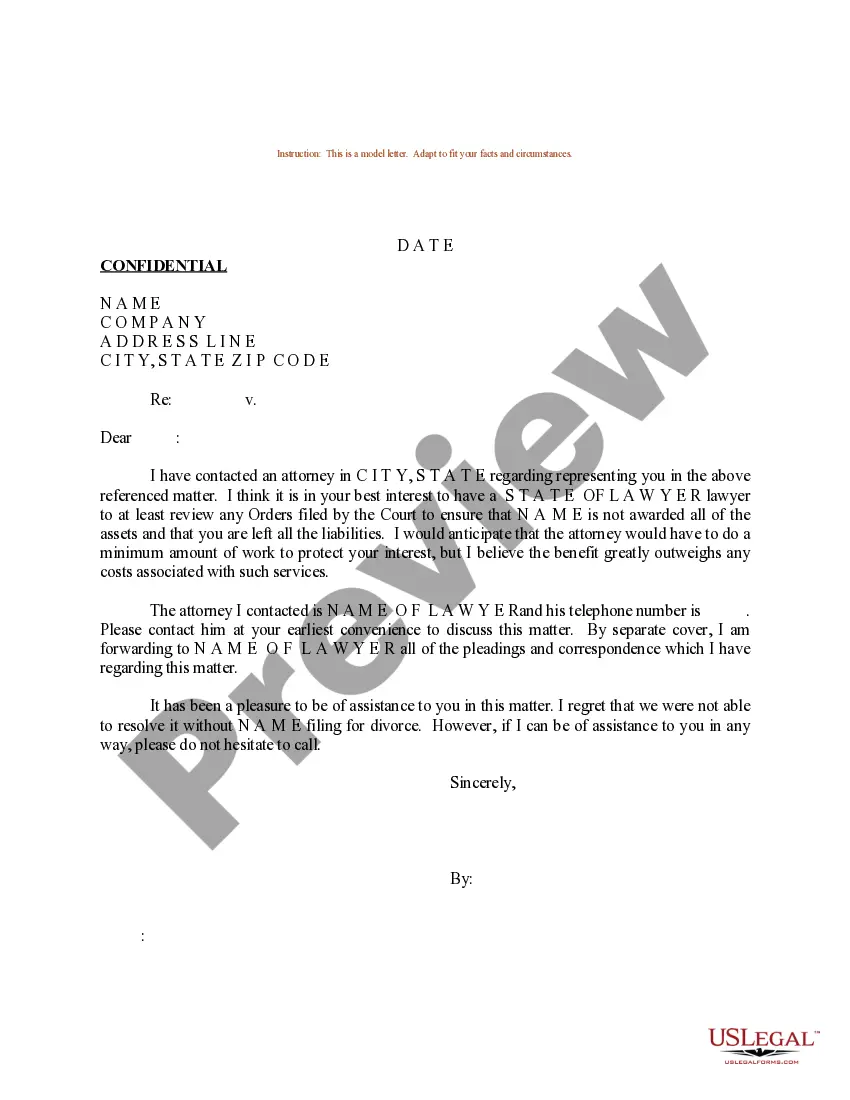
Get your form ready online
Our built-in tools help you complete, sign, share, and store your documents in one place.
Make edits, fill in missing information, and update formatting in US Legal Forms—just like you would in MS Word.
Download a copy, print it, send it by email, or mail it via USPS—whatever works best for your next step.
Sign and collect signatures with our SignNow integration. Send to multiple recipients, set reminders, and more. Go Premium to unlock E-Sign.
If this form requires notarization, complete it online through a secure video call—no need to meet a notary in person or wait for an appointment.
We protect your documents and personal data by following strict security and privacy standards.

Make edits, fill in missing information, and update formatting in US Legal Forms—just like you would in MS Word.

Download a copy, print it, send it by email, or mail it via USPS—whatever works best for your next step.

Sign and collect signatures with our SignNow integration. Send to multiple recipients, set reminders, and more. Go Premium to unlock E-Sign.

If this form requires notarization, complete it online through a secure video call—no need to meet a notary in person or wait for an appointment.

We protect your documents and personal data by following strict security and privacy standards.
Looking for another form?

Form popularity
FAQ
For first-time test-takers, the pass rate was 83%, compared with 30% for repeat test-takers, ing to statistics made public on Wednesday by the Texas Board of Law Examiners. A total of 2,459 passed the exam, while 840 failed. The pass list is here.
STATE BAR STAFF CONTACTS Telephone (800) 204-2222 or (512) 427-1463 and the extension number, as noted for each department, unless another telephone number is given.
Complainants are required to use the State Bar's current grievance form, effective September 1, 2023, to report attorney misconduct. A grievance can be submitted electronically at , or the current grievance form can be downloaded from there.
The Texas State Bar Exam is a formidable hurdle for law school graduates, encompassing not only the challenge of mastering extensive legal knowledge but also the need for psychological resilience and effective preparation strategies.
Though failing the exam multiple times doesn't prohibit someone from practicing law once they pass, it might be something prospective employers consider during the hiring process. The reality is, however, you may have very legitimate reasons for not passing.
Out of everyone who took the Texas Bar exam, only 48.36% of people passed. What's worse is that people who take the Texas bar have the best chance of passing the test the first time they take it.
Kennedy earned a Juris Doctor degree from the New York University School of Law in 1989. He then failed the New York bar exam twice before passing on his third try in July 1990. After failing the exam for a second time Kennedy vowed that he would continue to take it until he was ninety-five years old or passed.
Other Licensing Requirements. Be certified by the Board as having present good moral character and fitness. Score 85 or higher on the MPRE. Satisfy the requirements of Rule 2(a)(5). Complete the Texas Law Course. Be willing to take the required Oath.
After graduating from a law school approved by the American Bar Association with a doctor of jurisprudence degree, candidates must then take the bar examination – a comprehensive test of knowledge in many areas of law. After passing this test, the person is licensed to practice law.
Admission on Motion (Reciprocity) To become licensed in Texas without examination, applicants must: Hold a J.D. from an ABA-approved U.S. law school. Have practiced law as a primary occupation for at least 5 of the last 7 years. Demonstrate good moral character.

