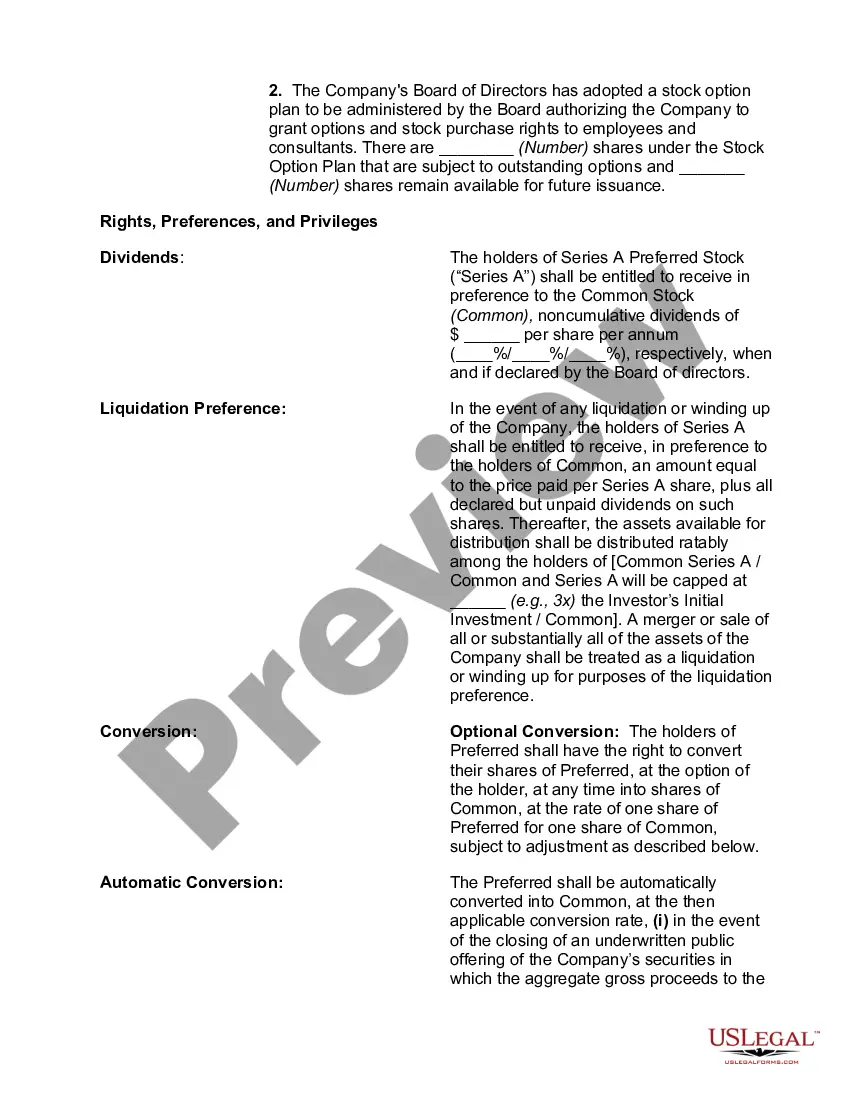
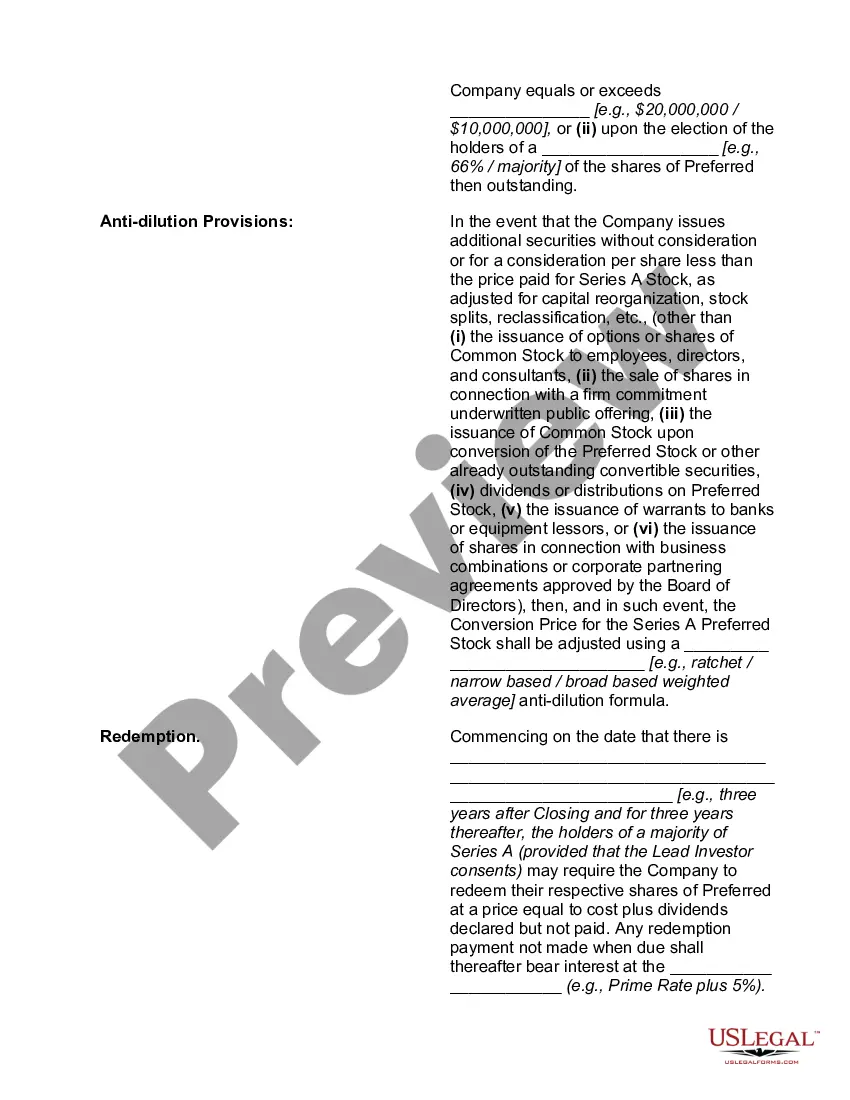
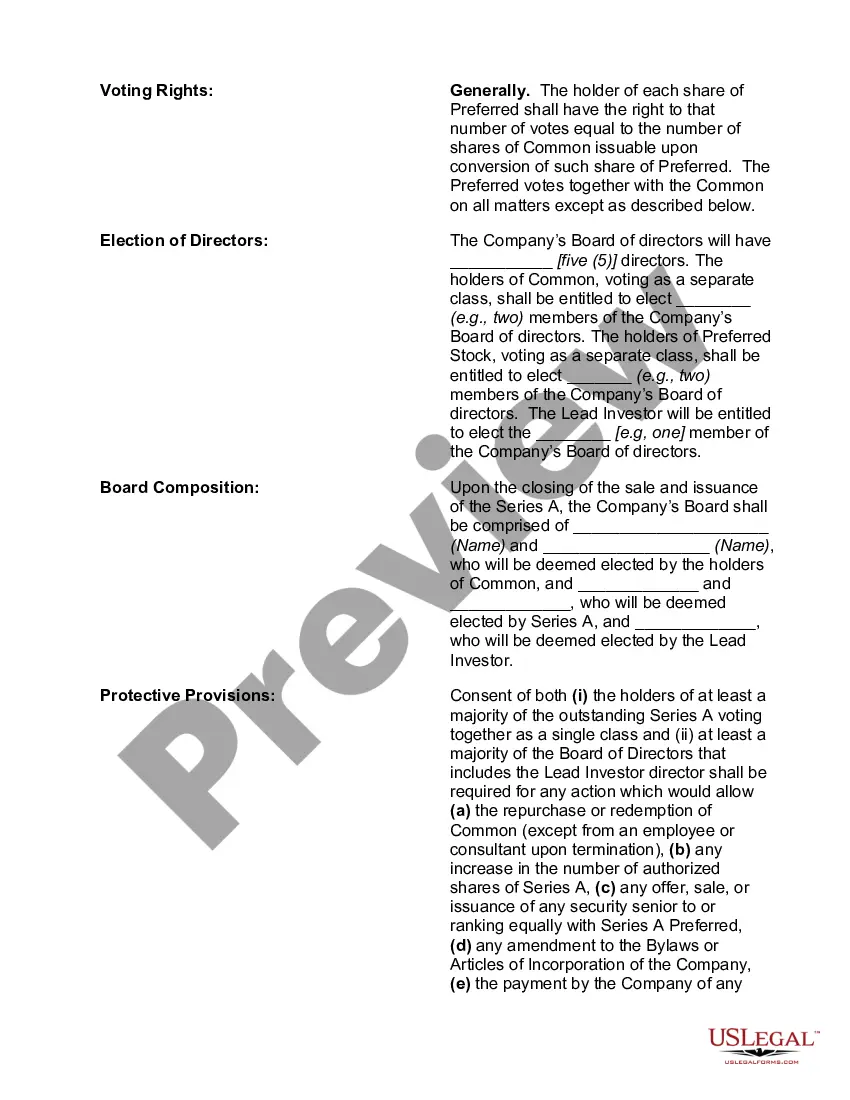
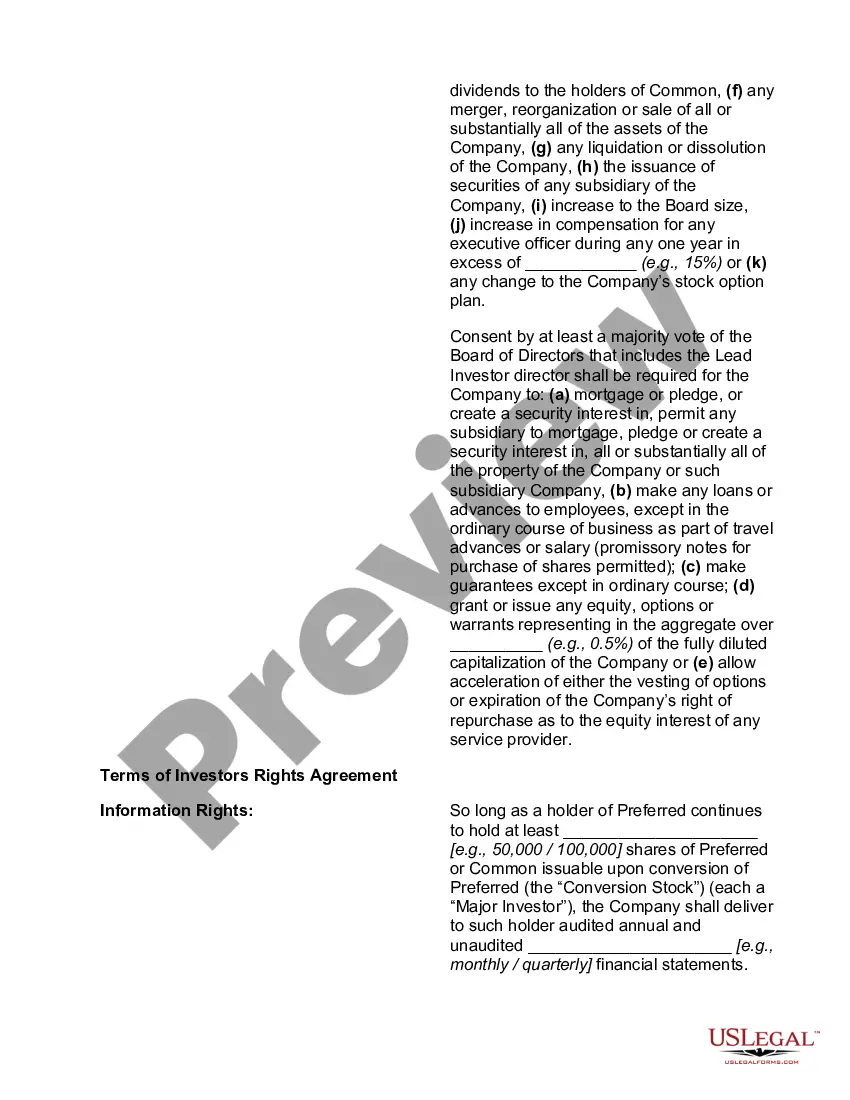
Angel Investment Form Forum In Phoenix
Description

Get your form ready online
Our built-in tools help you complete, sign, share, and store your documents in one place.
Make edits, fill in missing information, and update formatting in US Legal Forms—just like you would in MS Word.
Download a copy, print it, send it by email, or mail it via USPS—whatever works best for your next step.
Sign and collect signatures with our SignNow integration. Send to multiple recipients, set reminders, and more. Go Premium to unlock E-Sign.
If this form requires notarization, complete it online through a secure video call—no need to meet a notary in person or wait for an appointment.
We protect your documents and personal data by following strict security and privacy standards.

Make edits, fill in missing information, and update formatting in US Legal Forms—just like you would in MS Word.

Download a copy, print it, send it by email, or mail it via USPS—whatever works best for your next step.

Sign and collect signatures with our SignNow integration. Send to multiple recipients, set reminders, and more. Go Premium to unlock E-Sign.

If this form requires notarization, complete it online through a secure video call—no need to meet a notary in person or wait for an appointment.

We protect your documents and personal data by following strict security and privacy standards.
Looking for another form?


Form popularity
FAQ
However, this figure is likely distorted by larger angel investments, which can go as high as $1 million and typically come from angel investing syndicates. Individual angel investors usually invest more modestly, between $10,000 and $200,000 in funding.
Hi There - If completely worthless, then you can write off stocks as if sold by completing IRS form Schedule D, calculating loss (Cost less Sales Price $0) and deducting a capital loss of up to $3000 per year and carrying over any remainder of loss (if applicable).
The program provides a taxpayer investor a credit of 20% of the qualifying investment, or 30% if the business is located in a gateway municipality, in a business that has no more than $500,000 in gross revenues in the year prior to eligibility.
Disadvantages of using angel investors Equity dilution: In exchange for funding, business angels usually get a portion of your company's ownership. Loss of control: Angel investors have vested interests in your company's growth. They may request board seats and take an active role in business decision-making.
How to pitch angel investors Understand your business and market. Know your business, your market, and how they intersect—in as much detail as possible. Craft your pitch. When crafting your pitch for angel investors, balance brevity with information richness. Showcase your financials. Highlight your team. Know your ask.
THE FIRST REQUIREMENT FOR BEING AN ANGEL INVESTOR IS YOU HAVE TO BE AN ACCREDITED INVESTOR. The Securities and Exchange Commission (SEC) first developed these accredited investor rules back in 1933 to protect potential investors.
Most angel investors invest anywhere from $25,000 to $100,000 per deal, with the average return being somewhere in the range of 20–30%.
The amount invested during an angel round typically ranges from $25,000 to $1 million. This funding is crucial for startups as it helps them move from the idea phase to a stage where they can develop their products or services, build a team, and start generating revenue.
You can find Angel investors on Linkedin, Angellist and Crunchbase. You can also go to Angel networks such as Keiretsu (search on Google based on your location). Another method is to participate in startup incubation, acceleration programs and competitions, angels are invited to these programs.
An angel investor is an individual who provides capital for a business startup, typically in exchange for convertible debt or ownership equity. Angel investors are often friends, family or accredited investors who believe in the business idea and want to support its growth.
