Angel Investment Form With 2 Points In Franklin
Description

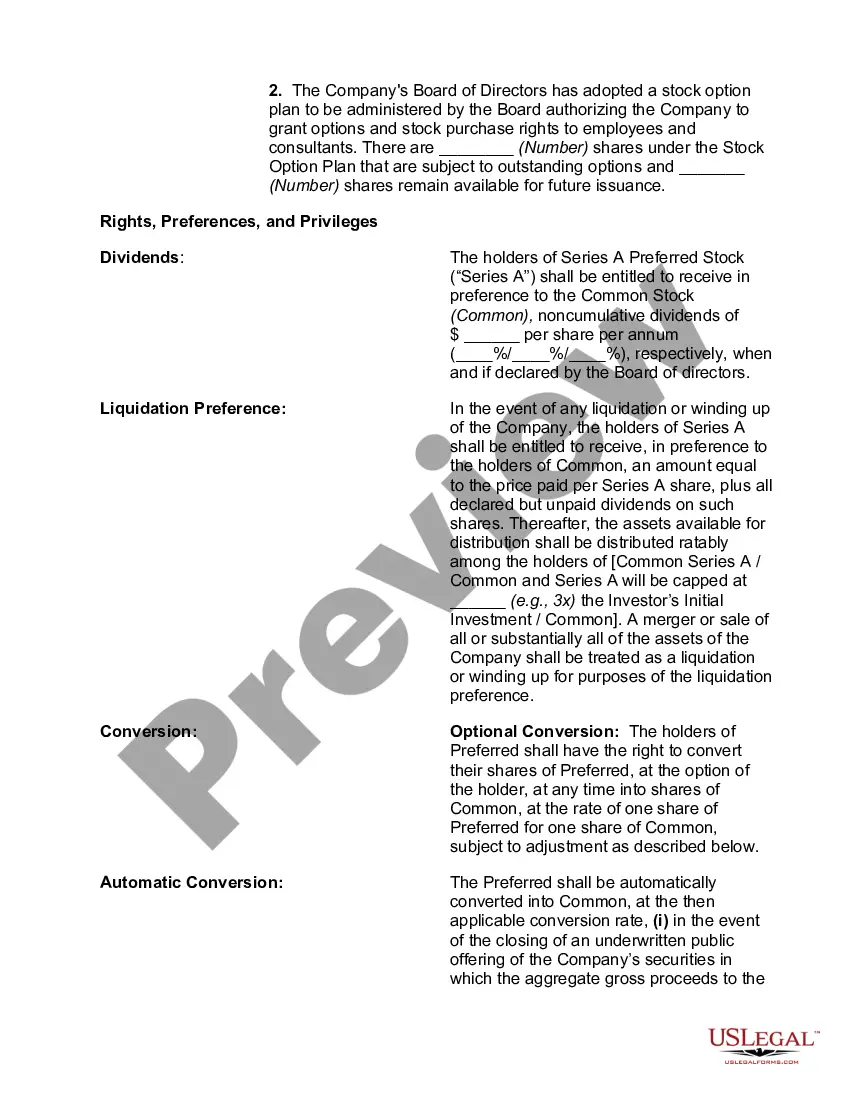
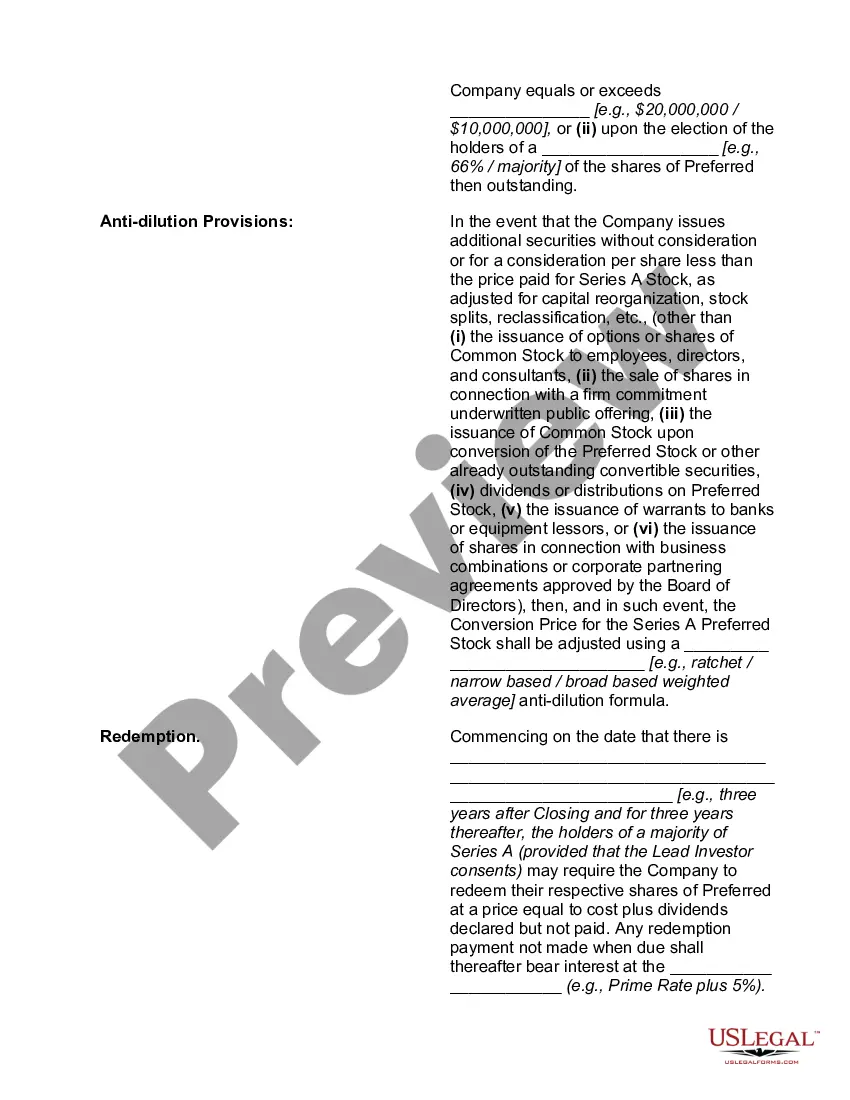
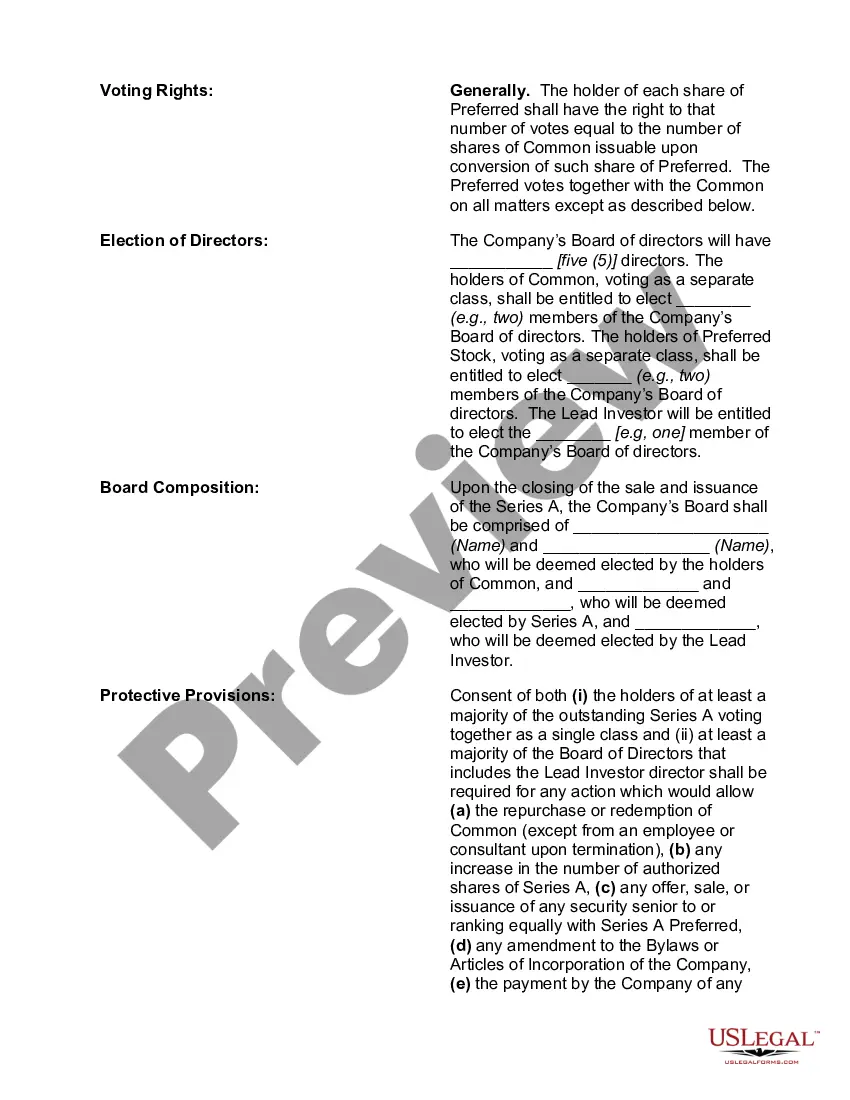
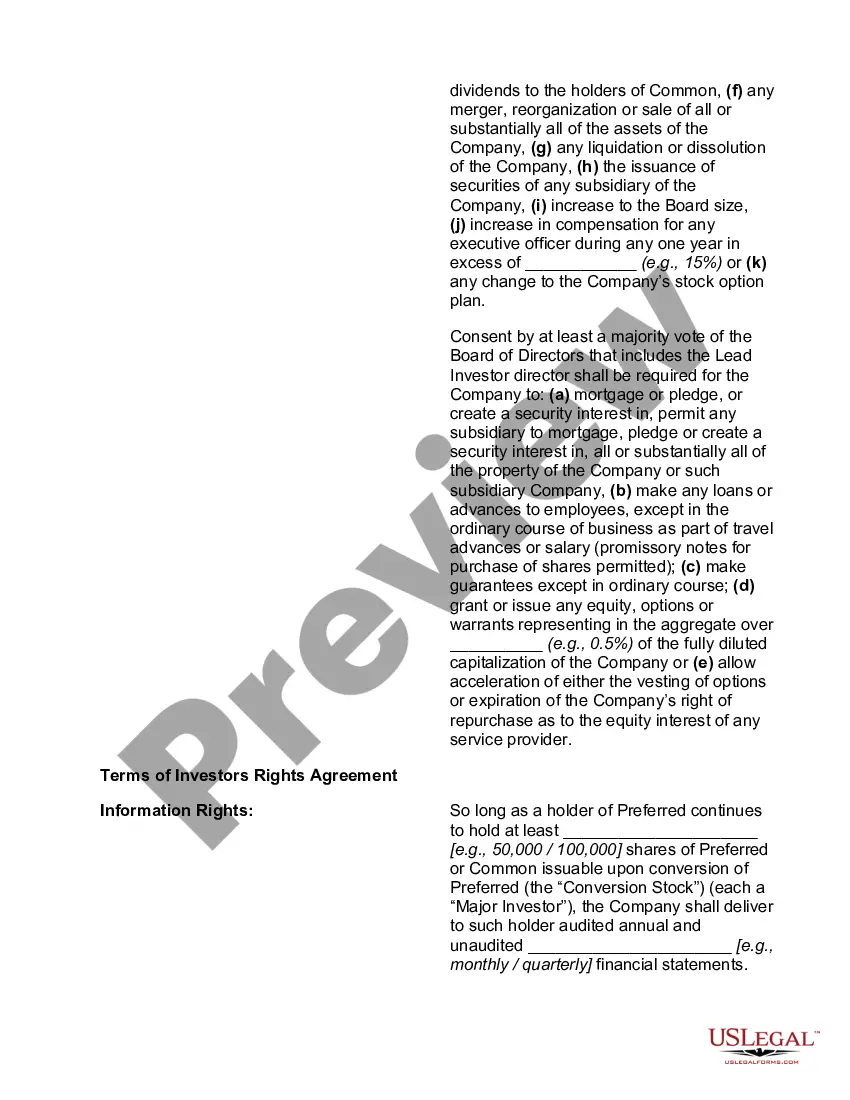
Get your form ready online
Our built-in tools help you complete, sign, share, and store your documents in one place.
Make edits, fill in missing information, and update formatting in US Legal Forms—just like you would in MS Word.
Download a copy, print it, send it by email, or mail it via USPS—whatever works best for your next step.
Sign and collect signatures with our SignNow integration. Send to multiple recipients, set reminders, and more. Go Premium to unlock E-Sign.
If this form requires notarization, complete it online through a secure video call—no need to meet a notary in person or wait for an appointment.
We protect your documents and personal data by following strict security and privacy standards.

Make edits, fill in missing information, and update formatting in US Legal Forms—just like you would in MS Word.

Download a copy, print it, send it by email, or mail it via USPS—whatever works best for your next step.

Sign and collect signatures with our SignNow integration. Send to multiple recipients, set reminders, and more. Go Premium to unlock E-Sign.

If this form requires notarization, complete it online through a secure video call—no need to meet a notary in person or wait for an appointment.

We protect your documents and personal data by following strict security and privacy standards.
Looking for another form?


Form popularity
FAQ
SBI Funds Management has completed the sale of assets in the six suspended debt scheme of Franklin Templeton Mutual Fund as directed by the Supreme Court and distributed ₹27,508 crore to the unit holders.
To be an angel, you need to qualify as an accredited investor, defined by the SEC as $1 million of net worth or annual income over $200,000. (I'm simplifying – the real definition is a bit more complex – but it gives you the idea.)
Hi There - If completely worthless, then you can write off stocks as if sold by completing IRS form Schedule D, calculating loss (Cost less Sales Price $0) and deducting a capital loss of up to $3000 per year and carrying over any remainder of loss (if applicable).
The amount invested during an angel round typically ranges from $25,000 to $1 million. This funding is crucial for startups as it helps them move from the idea phase to a stage where they can develop their products or services, build a team, and start generating revenue.
Disadvantages of using angel investors Equity dilution: In exchange for funding, business angels usually get a portion of your company's ownership. Loss of control: Angel investors have vested interests in your company's growth. They may request board seats and take an active role in business decision-making.
Angel investors typically take a 10% to 25% share of your business, which leaves you firmly in control. Some venture capital schemes (see below) also stipulate that an investor cannot take larger than a 30% stake in a business, ensuring founders retain control of their business.
The program provides a taxpayer investor a credit of 20% of the qualifying investment, or 30% if the business is located in a gateway municipality, in a business that has no more than $500,000 in gross revenues in the year prior to eligibility.
Angel investing is only suitable for those with stable income streams and minimum investable assets of $1 million — $2 million. Consider if: You have at least six months of living expenses set aside in savings as an emergency cushion. Investing surplus minimizes financial disruption if some startups fail.
