Angel Invest Form Without Being Accredited In Contra Costa
Description

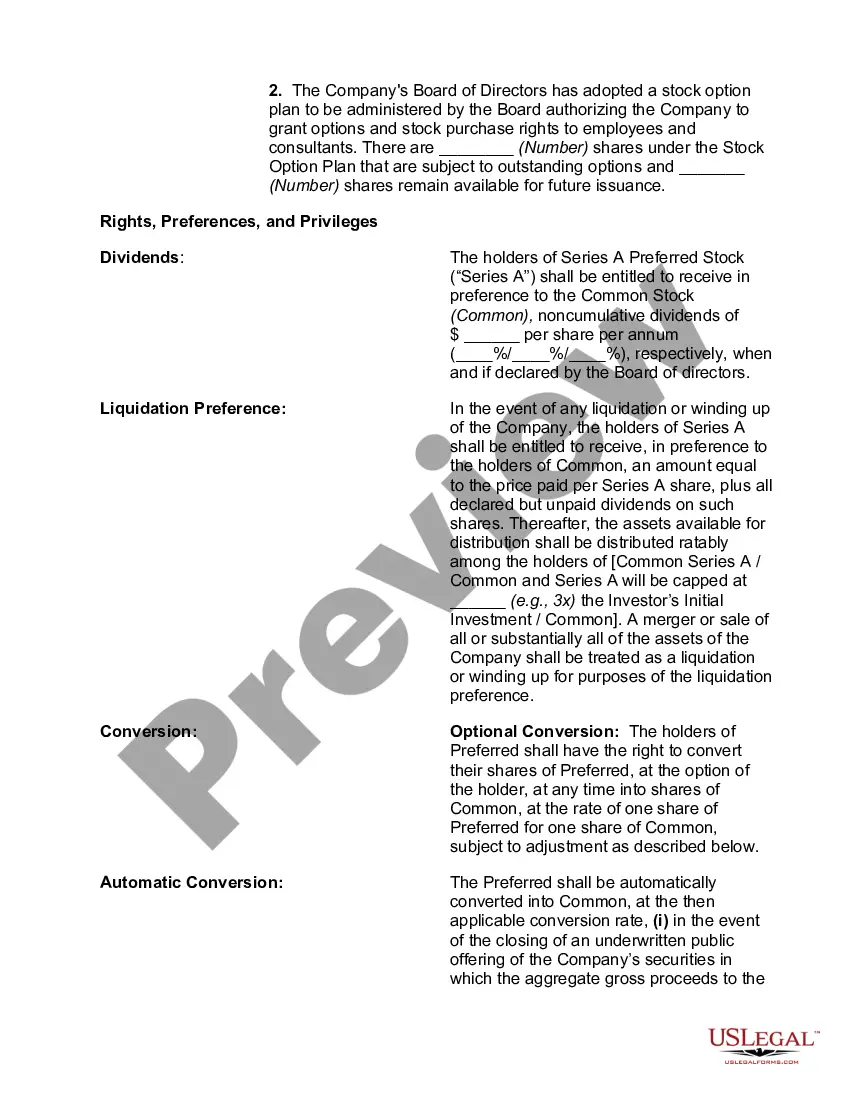
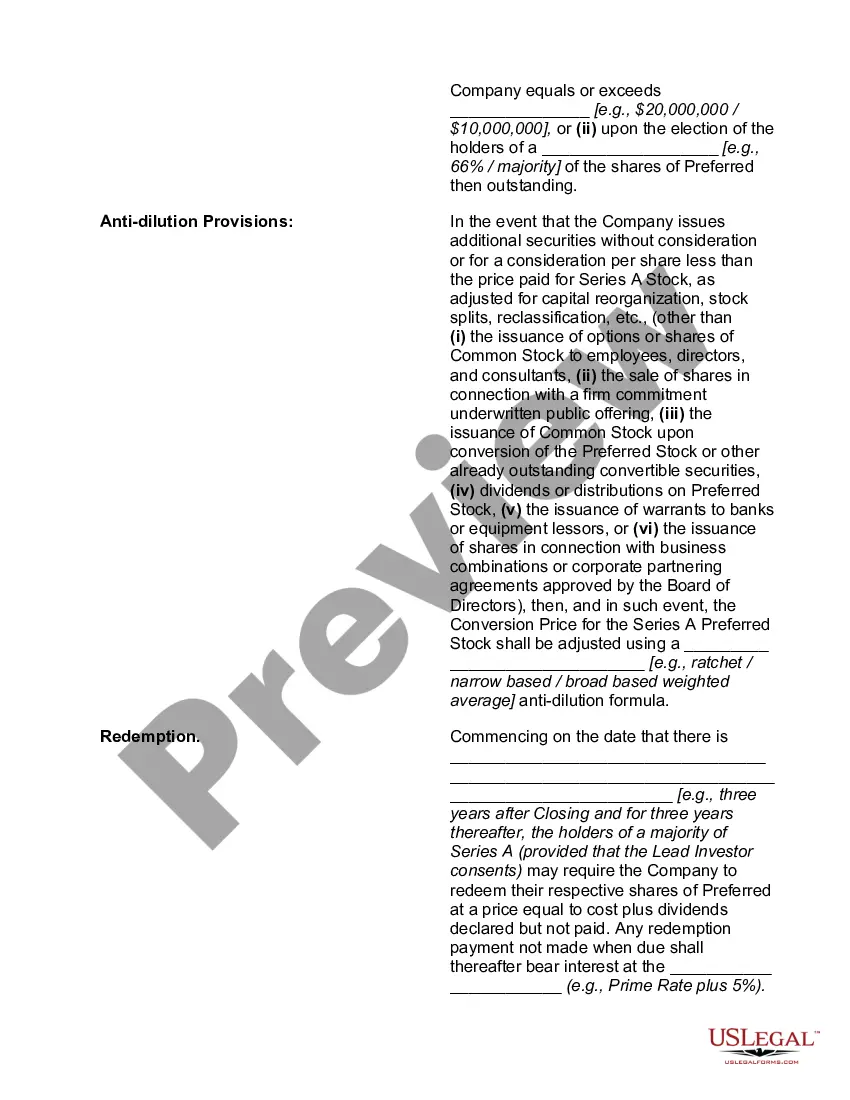
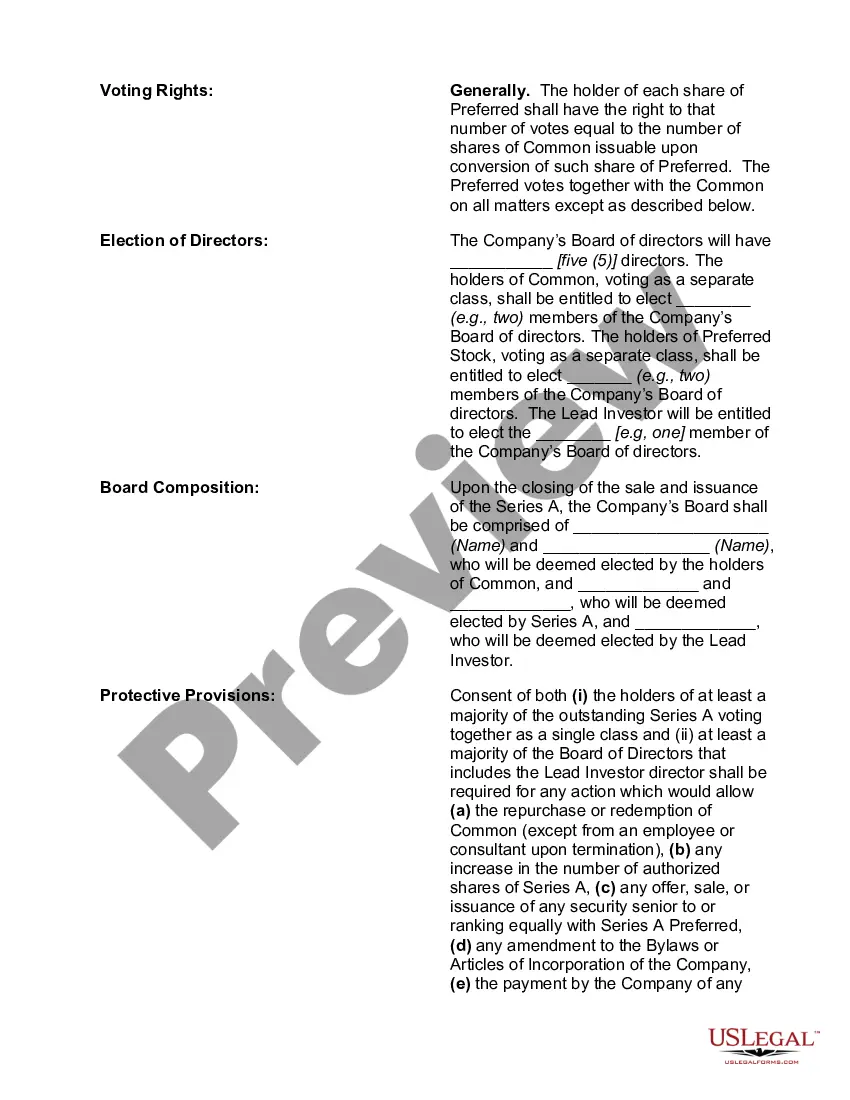
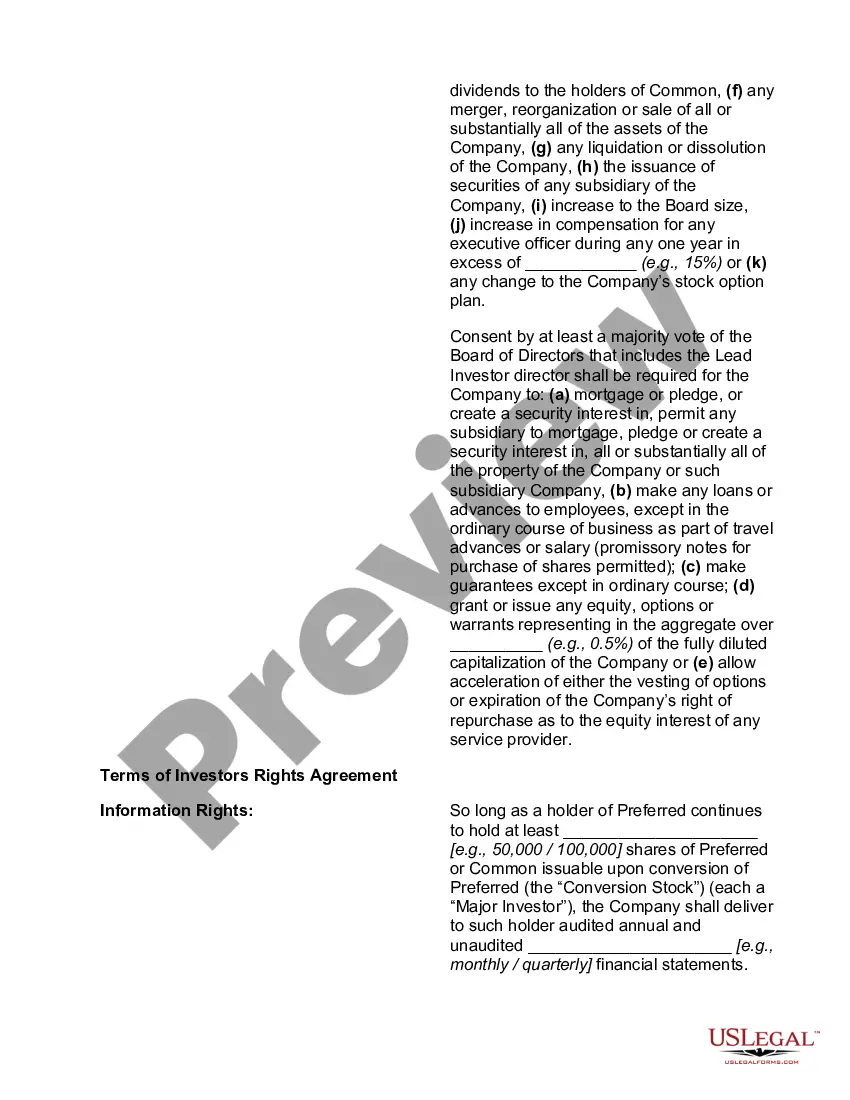
Get your form ready online
Our built-in tools help you complete, sign, share, and store your documents in one place.
Make edits, fill in missing information, and update formatting in US Legal Forms—just like you would in MS Word.
Download a copy, print it, send it by email, or mail it via USPS—whatever works best for your next step.
Sign and collect signatures with our SignNow integration. Send to multiple recipients, set reminders, and more. Go Premium to unlock E-Sign.
If this form requires notarization, complete it online through a secure video call—no need to meet a notary in person or wait for an appointment.
We protect your documents and personal data by following strict security and privacy standards.

Make edits, fill in missing information, and update formatting in US Legal Forms—just like you would in MS Word.

Download a copy, print it, send it by email, or mail it via USPS—whatever works best for your next step.

Sign and collect signatures with our SignNow integration. Send to multiple recipients, set reminders, and more. Go Premium to unlock E-Sign.

If this form requires notarization, complete it online through a secure video call—no need to meet a notary in person or wait for an appointment.

We protect your documents and personal data by following strict security and privacy standards.
Looking for another form?



Form popularity
FAQ
4 Opportunities for Non-Accredited Investors Regulation Crowdfunding (Title III) ... Regulation A Offerings. Real Estate Crowdfunding. Interval and Closed-End Funds.
Non-accredited investors face some restrictions designed to protect them from high-risk investments. These include: Investment Limits: Under Regulation Crowdfunding (Reg CF), non-accredited investors can invest a maximum of: 5% of the lesser of their annual income or net worth if either is below $107,000.
Non-accredited investors are limited by the SEC from some investment opportunities for their own financial safety. The SEC also set regulations on the disclosure and documentation of the investments available to the investors. For example, non-accredited investors are eligible to invest in mutual funds.
accredited investor, therefore, is anyone making less than $200,000 annually (less than $300,000 including a spouse) that also has a total net worth of less than $1 million when their primary residence is excluded.
There is no course or requirement to become an angel investor. Many Angel investors are accredited investors, but ing to the SEC, angel investors do not have to be accredited.
Companies must give non-accredited investors disclosure documents that are generally the same as those used in Regulation A or registered offerings, including financial statements, which in some cases may need to be certified or audited by an accountant.
THE FIRST REQUIREMENT FOR BEING AN ANGEL INVESTOR IS YOU HAVE TO BE AN ACCREDITED INVESTOR. The Securities and Exchange Commission (SEC) first developed these accredited investor rules back in 1933 to protect potential investors.
Is there a loophole to becoming an accredited investor? Because there is no formal vetting process, anyone can technically claim to be an accredited investor in a 506(b) offering—which is why issuers of unregistered securities should be sure to run a background check on all their investors.
Our accreditation verification process allows you to trigger an automated email to your verifier that is pre-populated with the required confirmation language for them to complete the verification.
