Wife Alimony For In Fulton
Description

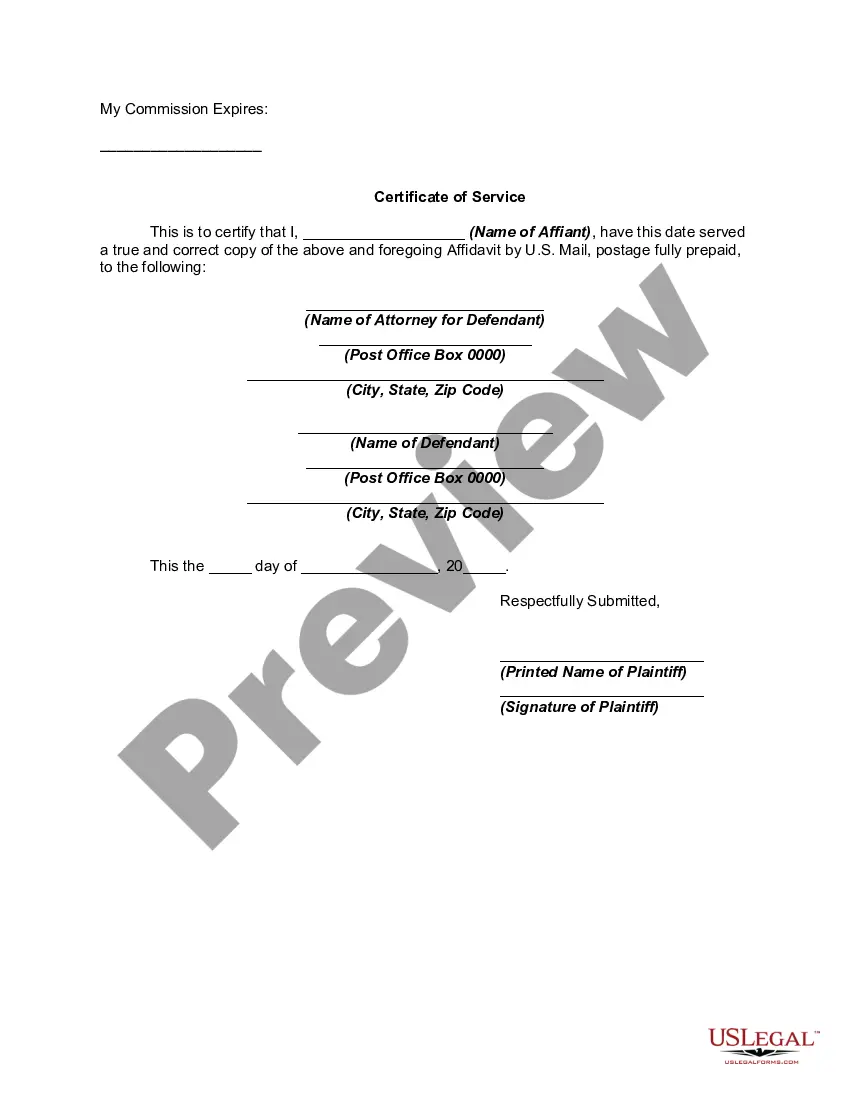




Get your form ready online
Our built-in tools help you complete, sign, share, and store your documents in one place.
Make edits, fill in missing information, and update formatting in US Legal Forms—just like you would in MS Word.
Download a copy, print it, send it by email, or mail it via USPS—whatever works best for your next step.
Sign and collect signatures with our SignNow integration. Send to multiple recipients, set reminders, and more. Go Premium to unlock E-Sign.
If this form requires notarization, complete it online through a secure video call—no need to meet a notary in person or wait for an appointment.
We protect your documents and personal data by following strict security and privacy standards.

Make edits, fill in missing information, and update formatting in US Legal Forms—just like you would in MS Word.

Download a copy, print it, send it by email, or mail it via USPS—whatever works best for your next step.

Sign and collect signatures with our SignNow integration. Send to multiple recipients, set reminders, and more. Go Premium to unlock E-Sign.

If this form requires notarization, complete it online through a secure video call—no need to meet a notary in person or wait for an appointment.

We protect your documents and personal data by following strict security and privacy standards.
Looking for another form?
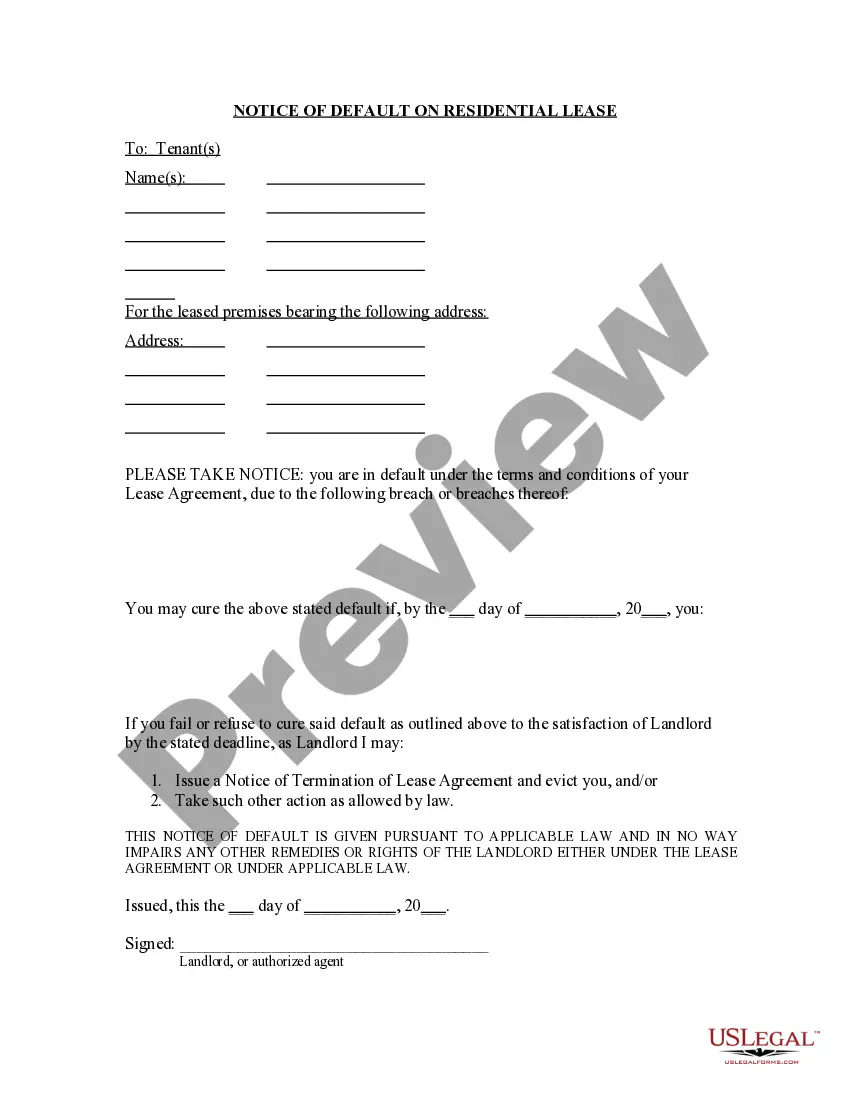
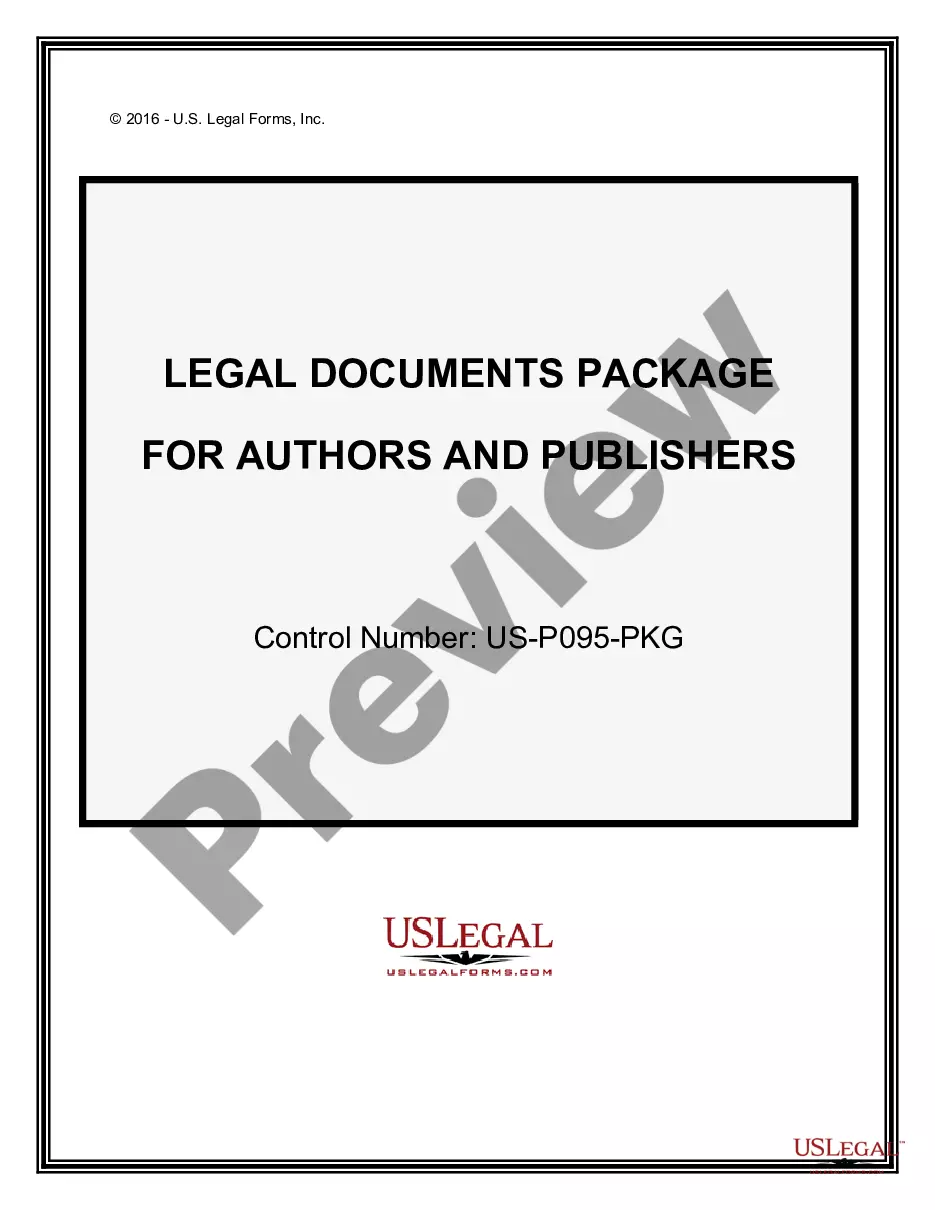
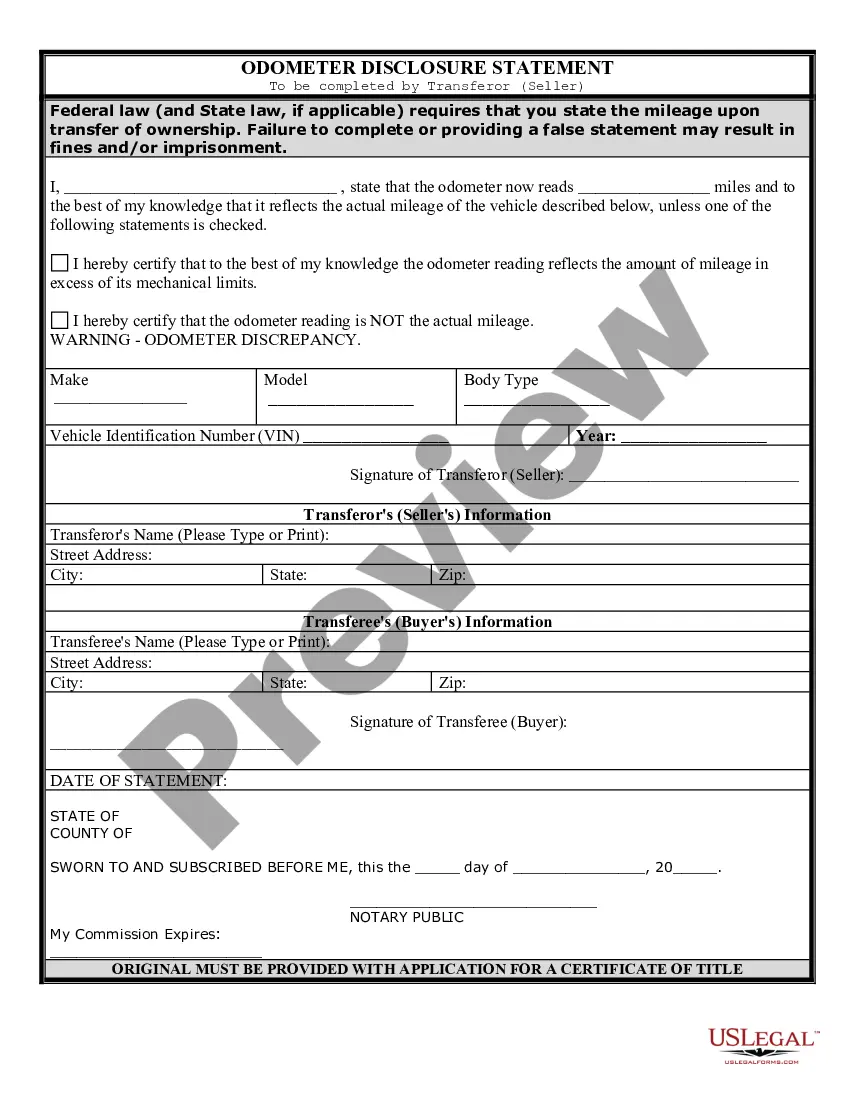


Form popularity
FAQ
What do I do if I want alimony? You can ask for alimony as part of a divorce proceeding. If you and your spouse reach an agreement about alimony, you can ask the judge to make the agreement a part of the court order. If you cannot reach an agreement, the judge will decide whether you are entitled to alimony.
Alimony is usually around 40% of the paying party's income. This number is different in different states and different situations. The court also looks at how much the other party makes or could make and how much they need to maintain their standard of living.
You may qualify for alimony payments from your ex-spouse if you do not have sufficient income or property. Before being approved for payments, the judge will examine the information and the marital lifestyle. It will also depend on if the person paying can afford to support themselves after the payments.
What is a spouse entitled to in a divorce in Georgia? Under Georgia law, each spouse is entitled to an “equitable” share of the marital property. This does not equate to an equal division, but instead a “fair” split between the parties.
Unlike child support, there are no State requirements for spousal support awards in divorce. In general, it is intended to take into account the contributions of spouses, either male or female, who have cared for the children or supported the careers of their working spouses.
Alimony in Georgia is not a guaranteed part of the your divorce. Circumstances such as adultery or abandonment nullify the spouses rights to request spousal support. Typically spousal support is awarded for a spouse ending a long term marriage (10+ years) where one spouse has minimal income earning potential.
If one spouse can prove that marital misconduct, such as infidelity, led to the marriage's breakdown, the court may deny alimony. However, it's essential to understand that both spouses' conduct will be examined, and the court seeks to ensure a fair outcome for both parties.
California determines alimony based on the recipient's “marital standard of living,” which aims to allow the spouse to continue living in a similar manner as during the marriage.
Alimony in Georgia is not a guaranteed part of the your divorce. Circumstances such as adultery or abandonment nullify the spouses rights to request spousal support. Typically spousal support is awarded for a spouse ending a long term marriage (10+ years) where one spouse has minimal income earning potential.
