Spousal Support For Canada In Santa Clara
Description

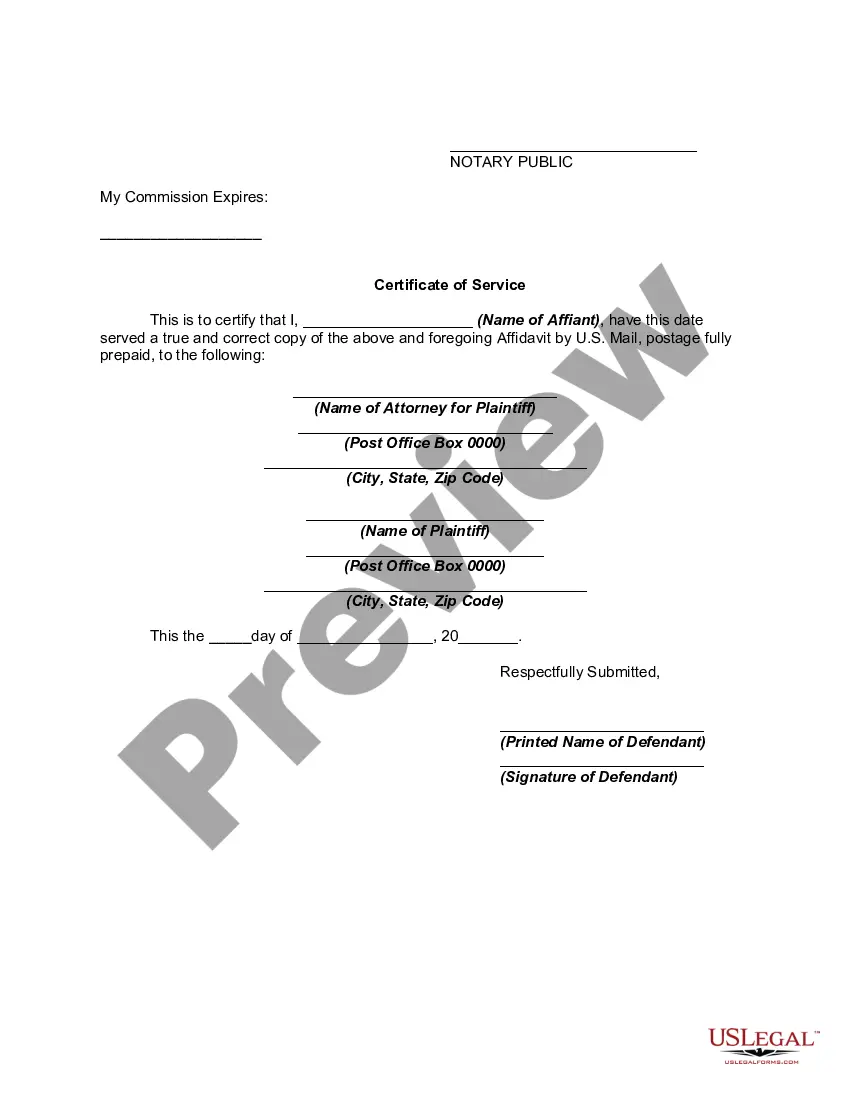




Get your form ready online
Our built-in tools help you complete, sign, share, and store your documents in one place.
Make edits, fill in missing information, and update formatting in US Legal Forms—just like you would in MS Word.
Download a copy, print it, send it by email, or mail it via USPS—whatever works best for your next step.
Sign and collect signatures with our SignNow integration. Send to multiple recipients, set reminders, and more. Go Premium to unlock E-Sign.
If this form requires notarization, complete it online through a secure video call—no need to meet a notary in person or wait for an appointment.
We protect your documents and personal data by following strict security and privacy standards.

Make edits, fill in missing information, and update formatting in US Legal Forms—just like you would in MS Word.

Download a copy, print it, send it by email, or mail it via USPS—whatever works best for your next step.

Sign and collect signatures with our SignNow integration. Send to multiple recipients, set reminders, and more. Go Premium to unlock E-Sign.

If this form requires notarization, complete it online through a secure video call—no need to meet a notary in person or wait for an appointment.

We protect your documents and personal data by following strict security and privacy standards.
Looking for another form?
Form popularity
FAQ
Both forms of support are critical in ensuring a fair and equitable resolution following a separation or divorce. There exist two distinct types of spousal support: compensatory and non-compensatory.
In a divorce in Canada, a wife is entitled to certain rights and considerations, including a fair share of marital property, potential spousal support, and involvement in child custody arrangements. The process involves legal negotiations, financial adjustments, and emotional challenges.
Formula Used When There Is No Child Support After you calculate the difference in gross income between the partners, the amount of support will generally be 1.5 to 2 percent of this difference for each year of the marriage (up to 25 years).
Without Child Support Formula The amount of support ranges from 1.5 to 2 per cent of the difference between the spouses' gross income amounts for each year of marriage or cohabitation, up to a maximum of 50 percent, (where 50 percent represents an equalization in income).
The simplest way to initiate spousal support is by way of a separation agreement under the guidance of a family lawyer. Lawyers use specialized software to calculate spousal support obligations that contemplate both current and future need.
This may depend on how long the couple lived together before they separated. For example, in some provinces and territories a common-law couple must live together for two or three years before either partner is eligible for spousal support. Provincial and territorial rules vary across Canada.
California doesn't use a "calculator" for determining the amount of long-term spousal support. Instead, judges must decide how much to award after they've considered all of the following circumstances: each spouse's needs, based on the standard of living they had during the marriage.
For example, common law partners are entitled to share property rights and benefits, such as pensions and insurance, and are also entitled to spousal support if the relationship ends. In Ontario, the Family Law Act outlines guidelines for determining spousal support in common-law relationships.
Though the laws vary by province, the principle is that each spouse gets 50% of the wealth generated during the course of the marriage. What you had before the marriage is yours The primary matrimonial home is always split 50/50 even if it was acquired prior to the marriage.
