Motion To Strike Form With Decimals In Minnesota
Description

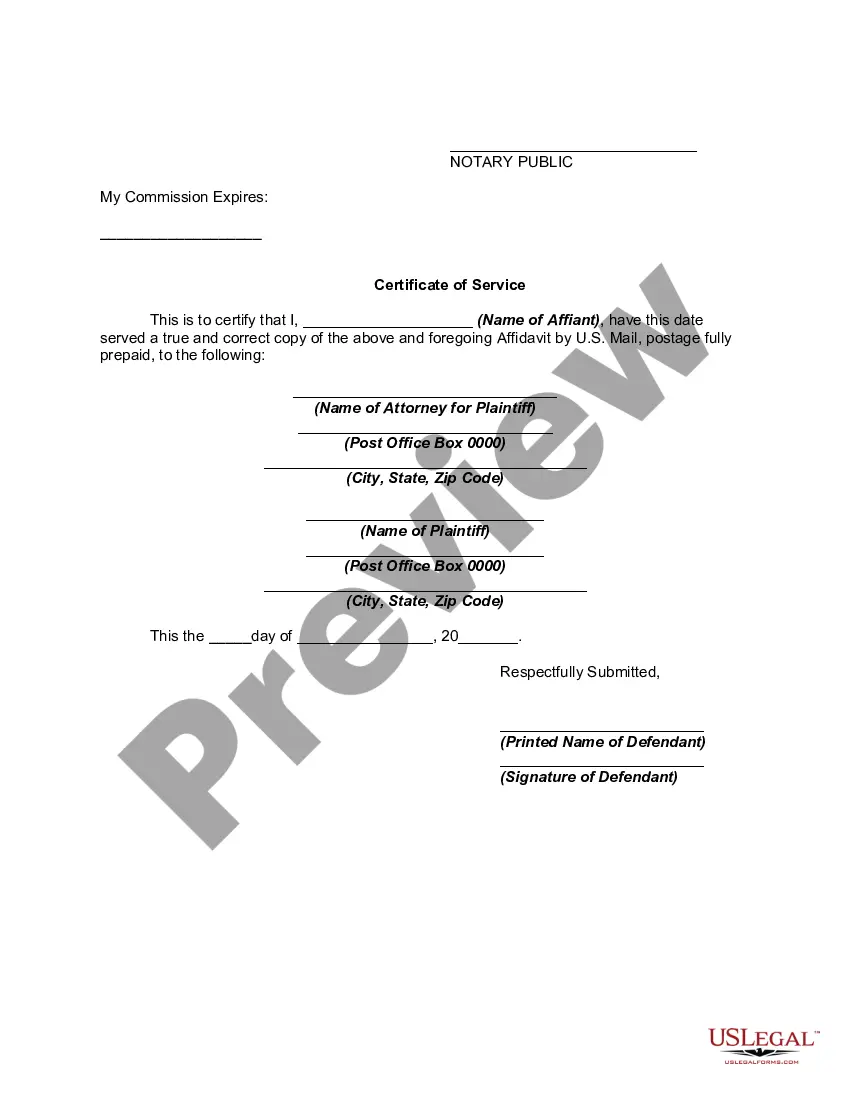




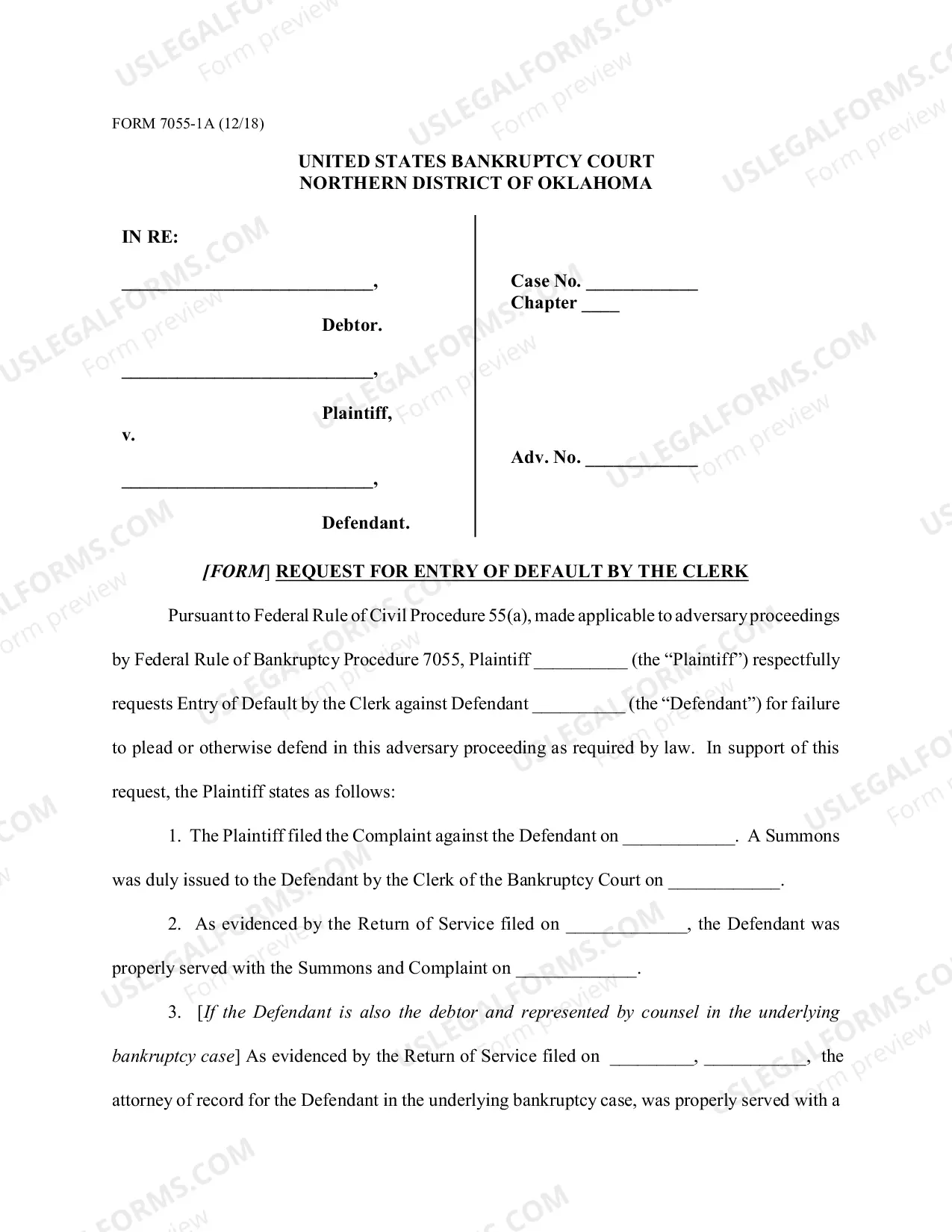
Get your form ready online
Our built-in tools help you complete, sign, share, and store your documents in one place.
Make edits, fill in missing information, and update formatting in US Legal Forms—just like you would in MS Word.
Download a copy, print it, send it by email, or mail it via USPS—whatever works best for your next step.
Sign and collect signatures with our SignNow integration. Send to multiple recipients, set reminders, and more. Go Premium to unlock E-Sign.
If this form requires notarization, complete it online through a secure video call—no need to meet a notary in person or wait for an appointment.
We protect your documents and personal data by following strict security and privacy standards.

Make edits, fill in missing information, and update formatting in US Legal Forms—just like you would in MS Word.

Download a copy, print it, send it by email, or mail it via USPS—whatever works best for your next step.

Sign and collect signatures with our SignNow integration. Send to multiple recipients, set reminders, and more. Go Premium to unlock E-Sign.

If this form requires notarization, complete it online through a secure video call—no need to meet a notary in person or wait for an appointment.

We protect your documents and personal data by following strict security and privacy standards.
Looking for another form?
Form popularity
FAQ
Rule 69. In aid of the judgment or execution, the judgment creditor, or successor in interest when that interest appears of record, may obtain discovery from any person, including the judgment debtor, in the manner provided by these rules.
Rule 57. The existence of another adequate remedy does not preclude a judgment for declaratory relief in cases where it is appropriate. The court may order a speedy hearing of an action for a declaratory judgment and may advance it on the calendar.
Rule 63. Disability or Disqualification of Judge; Notice to Remove; Assignment of a Judge.
Defendant shall serve an answer within 21 days after service of the summons upon that defendant unless the court directs otherwise pursuant to Rule 4.043. A party served with a pleading stating a cross-claim against that party shall serve an answer thereto within 21 days after the service upon that party.
Rule 56. The court shall grant summary judgment if the movant shows that there is no genuine issue as to any material fact and the movant is entitled to judgment as a matter of law. The court shall state on the record or in a written decision the reasons for granting or denying the motion.
Rule 26.05 is amended to adopt in Minnesota the same supplementation requirement as exists in federal court. It is a more stringent and more explicit standard, and reflects a sounder analysis of when supplementation is necessary. It states affirmatively the duty to disclose.
(a) The court must determine whether probable cause exists to believe that an offense has been committed and that the defendant committed it. (b) The prosecutor and defendant may offer evidence at the probable cause hearing.
The defendant must be brought before a judge without unnecessary delay, and not more than 36 hours after the arrest, exclusive of the day of arrest, Sundays, and legal holidays, or as soon as a judge is available.
Rule 11. Signing of Pleadings, Motions, and Other Documents; Representations to Court; Sanctions.
Rule 11.06Procedure for Requesting Access to Confidential Financial Source Documents. (a) Motion. Any person may file a motion, supported by affidavit showing good cause, for access to Confidential Financial Source Documents or portions of the documents. Written notice of the motion to all parties is required.
