Divorce Modification Without A Lawyer In Los Angeles
Description





Get your form ready online
Our built-in tools help you complete, sign, share, and store your documents in one place.
Make edits, fill in missing information, and update formatting in US Legal Forms—just like you would in MS Word.
Download a copy, print it, send it by email, or mail it via USPS—whatever works best for your next step.
Sign and collect signatures with our SignNow integration. Send to multiple recipients, set reminders, and more. Go Premium to unlock E-Sign.
If this form requires notarization, complete it online through a secure video call—no need to meet a notary in person or wait for an appointment.
We protect your documents and personal data by following strict security and privacy standards.

Make edits, fill in missing information, and update formatting in US Legal Forms—just like you would in MS Word.

Download a copy, print it, send it by email, or mail it via USPS—whatever works best for your next step.

Sign and collect signatures with our SignNow integration. Send to multiple recipients, set reminders, and more. Go Premium to unlock E-Sign.

If this form requires notarization, complete it online through a secure video call—no need to meet a notary in person or wait for an appointment.

We protect your documents and personal data by following strict security and privacy standards.
Looking for another form?


Form popularity
FAQ
In practice, California's divorce laws equally apply to couples who are married any length of time, meaning even short marriages will likely require the equal and fair division of assets through the courts.
There is no minimum marriage length to qualify for alimony, but the easier it is for the lower-earning spouse to become self-sufficient, the less support they may receive.
A wife in California can be entitled to up to half of the assets in the marriage along with up to 40% of their partner's income for child support, spousal support, and primary child custody.
If you've been married less than five years and have no children, you may qualify for a simpler way to get divorced (summary dissolution).
Parenting time and child support, which are also part of a final decree, may also be modifiable. At the time a divorce is finalized by court order, so are visitation and custody agreements.
Understanding Court Order Modifications in California Just because a judge was the one who issued your court order does not mean that it is permanent. Divorce orders, whether custody orders or support orders, can be modified if you have experienced a change in circumstance and can prove it in court.
How to ask to change long-term spousal support Fill out the Request for Order form. Request for Order (form FL-300) ... Fill out the Income and Expense Declaration. Income and Expense Declaration (form FL-150) ... Attach documents to support your case. Make copies of your forms. File your forms.
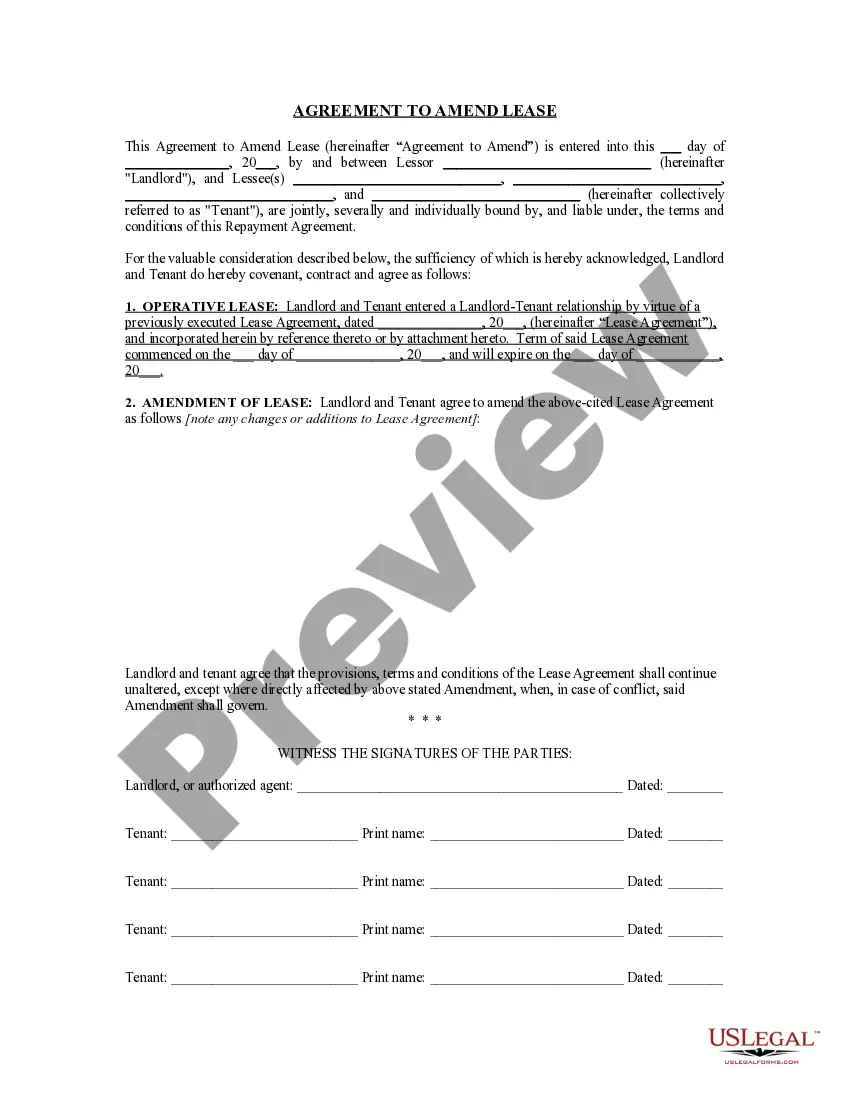
Yes, you can amend a marital settlement, with both parties agreeing.
If a full appeal of a Final Judgment of the Dissolution of Marriage is not the best legal course of action, it might be possible for one party to seek a modification of some or all of the terms of the decree. This is done by the party seeking the change filing a motion with the judge who signed off on the order.
