Motion To Strike Form For Untimely Filing In Cook
Description

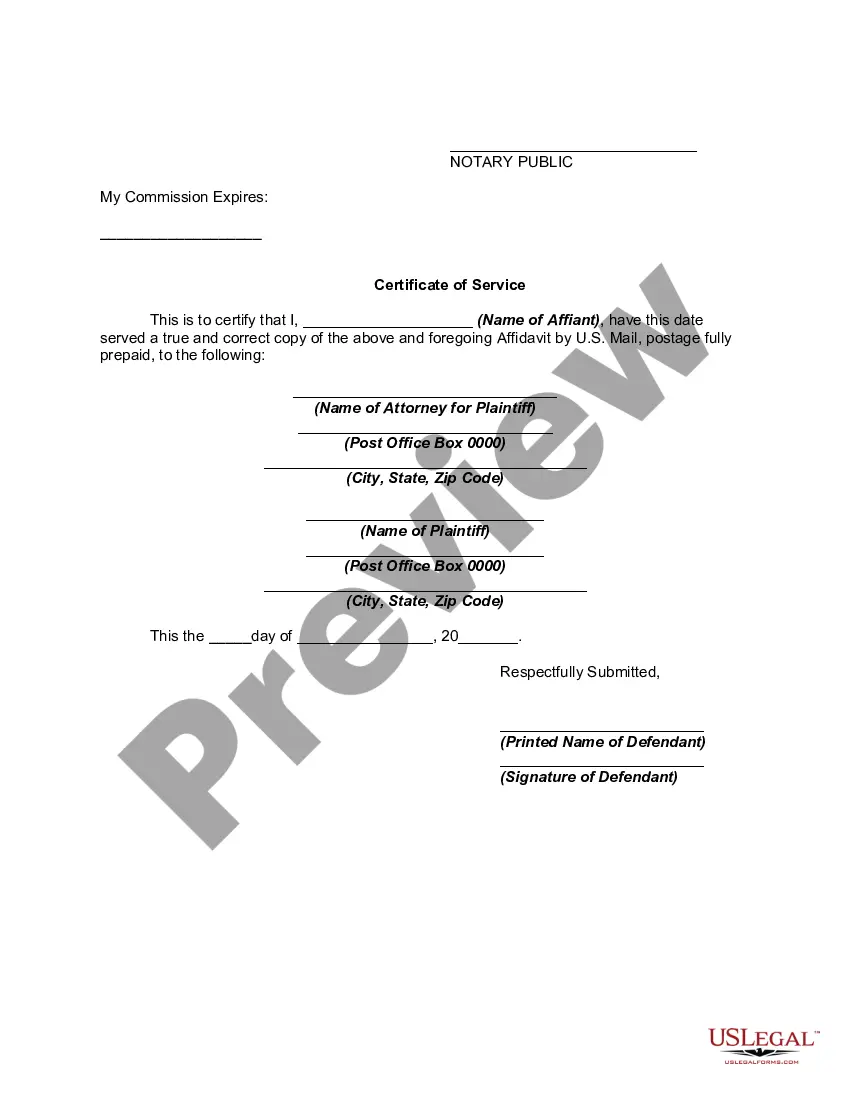




Get your form ready online
Our built-in tools help you complete, sign, share, and store your documents in one place.
Make edits, fill in missing information, and update formatting in US Legal Forms—just like you would in MS Word.
Download a copy, print it, send it by email, or mail it via USPS—whatever works best for your next step.
Sign and collect signatures with our SignNow integration. Send to multiple recipients, set reminders, and more. Go Premium to unlock E-Sign.
If this form requires notarization, complete it online through a secure video call—no need to meet a notary in person or wait for an appointment.
We protect your documents and personal data by following strict security and privacy standards.

Make edits, fill in missing information, and update formatting in US Legal Forms—just like you would in MS Word.

Download a copy, print it, send it by email, or mail it via USPS—whatever works best for your next step.

Sign and collect signatures with our SignNow integration. Send to multiple recipients, set reminders, and more. Go Premium to unlock E-Sign.

If this form requires notarization, complete it online through a secure video call—no need to meet a notary in person or wait for an appointment.

We protect your documents and personal data by following strict security and privacy standards.
Looking for another form?
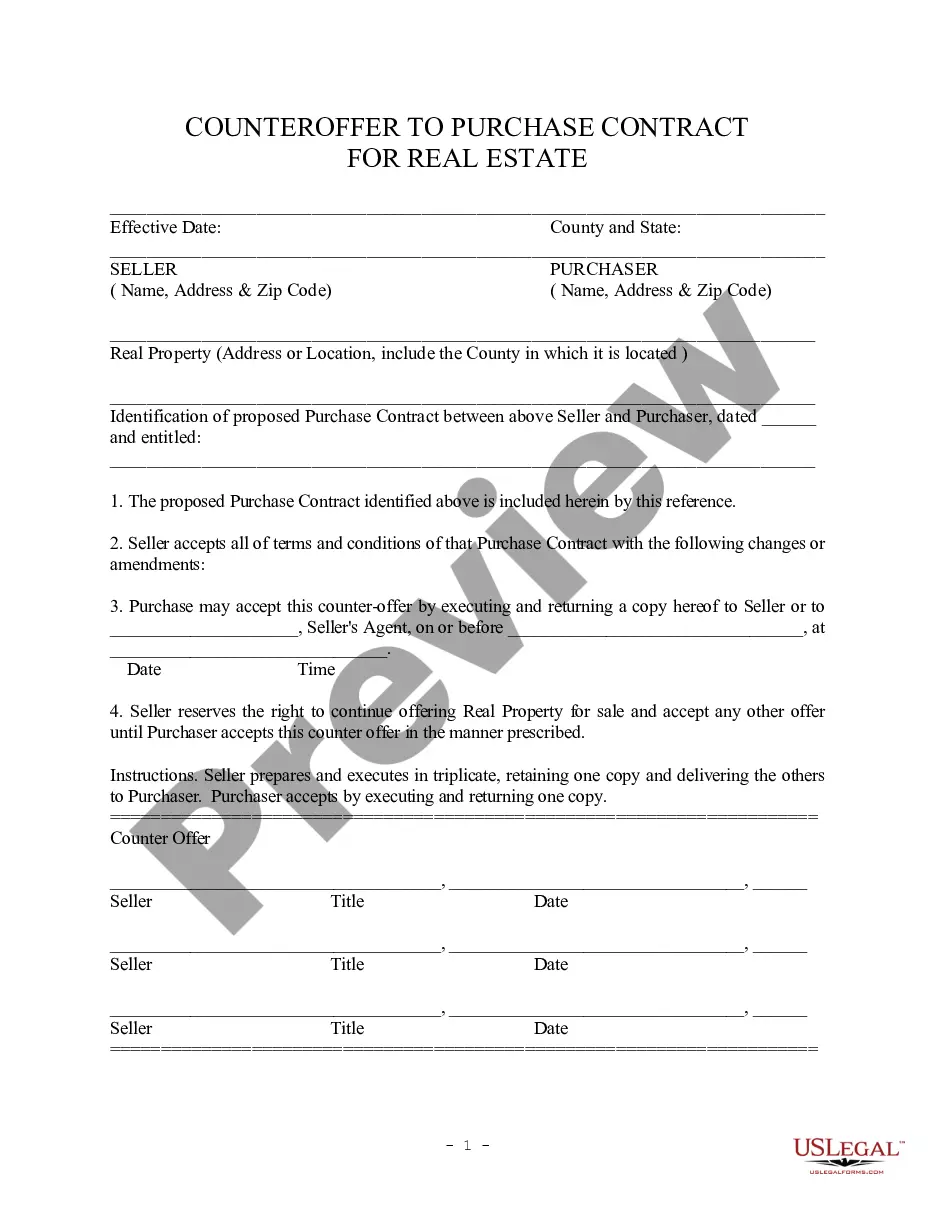

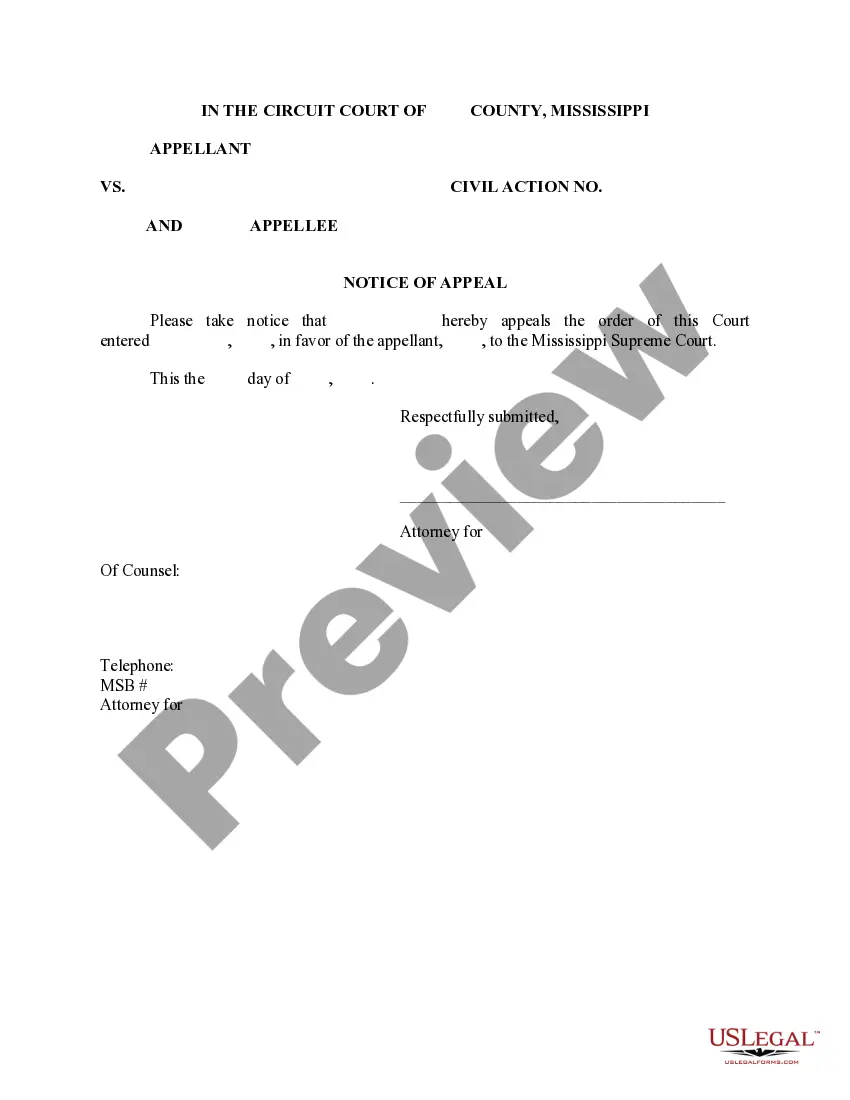


Form popularity
FAQ
Your request via email and/or letter will need to include the original filing dates, new proposed filing dates, the number of previous requests (if any), and whether the other party consents to the extension. Email a copy of the letter you file to the other party (usually it's an attorney).
Common reasons include needing more time to prepare, scheduling conflicts, waiting for important evidence, or health issues. Courts are more likely to grant a continuance for valid, substantiated reasons. Timing of the Request: Request the continuance as soon as you realize you need it.
There is no set number because there are any number of reasons a continuance could be asked for.
As with all motions, a motion to strike must state with particularity the grounds for seeking the order to strike, as well as the relief sought. FRCP 7(b); Smart Code®. Under FRCP 12(f), the court may strike from a pleading an insufficient defense or any redundant, immaterial, impertinent, or scandalous matter.
Grounds for a motion to strike include the following: The pleading is false; that is, untrue. The pleading is filed without the required leave of court. The form of pleading is in violation of a court order. The pleading is filed late. The pleading is barred by the statute of limitations. The pleading must be verified.
A “motion for a continuance” is a request asking the judge to make an order changing your hearing date. If the judge grants your motion, your court date will be postponed to a later time. For most requests for continuances, you must provide the judge with a suitable reason (“good cause”) for postponing your court date.
Your request via email and/or letter will need to include the original filing dates, new proposed filing dates, the number of previous requests (if any), and whether the other party consents to the extension. Email a copy of the letter you file to the other party (usually it's an attorney).
If the two sides cannot reach an agreement, the defendant has to file and serve the demurrer or motion to strike within the deadline (usually 30 days) for responding to the Complaint. The other side then gets a chance to file a response before a court date where the judge will make a decision.
Filing a Motion via E-filing You can e-file using a personal computer or at one of the public access eFile workstations offered at the Daley Center and in suburban courthouses. You must have an email address to e-file.
