Alimony Spouse Support Withholding In Fairfax
Description

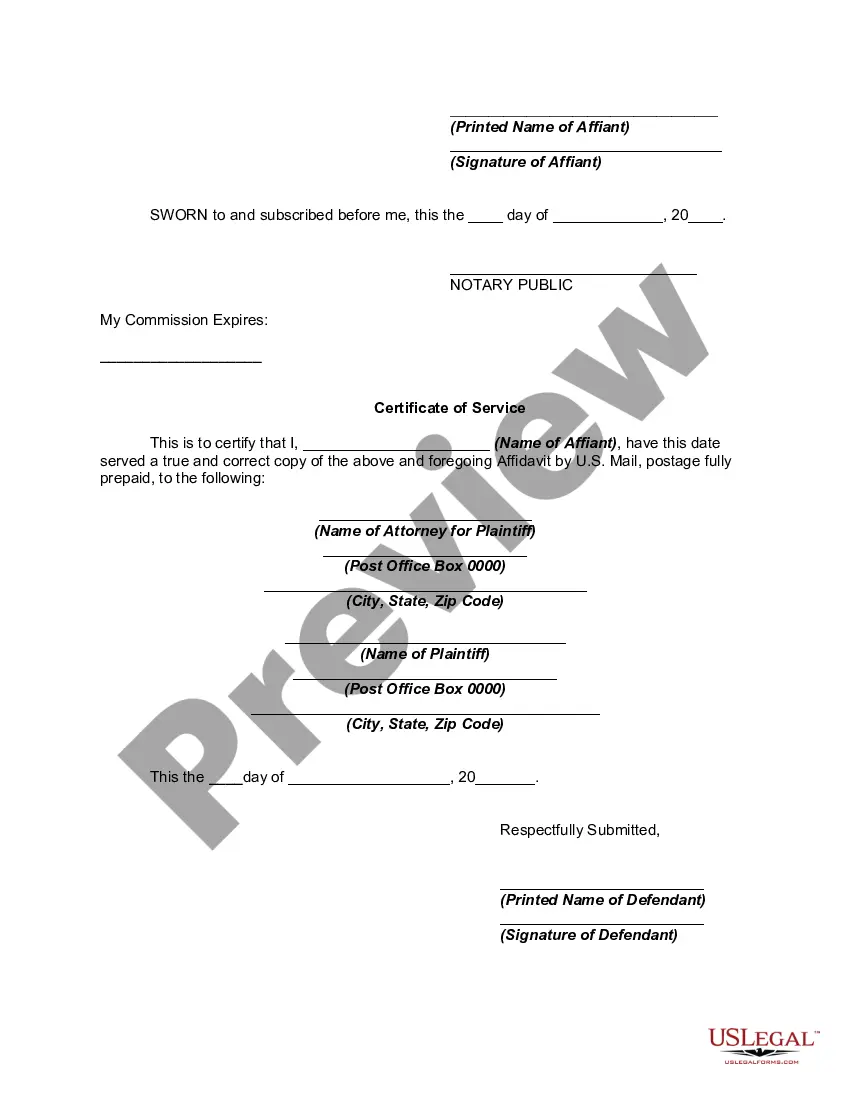




Get your form ready online
Our built-in tools help you complete, sign, share, and store your documents in one place.
Make edits, fill in missing information, and update formatting in US Legal Forms—just like you would in MS Word.
Download a copy, print it, send it by email, or mail it via USPS—whatever works best for your next step.
Sign and collect signatures with our SignNow integration. Send to multiple recipients, set reminders, and more. Go Premium to unlock E-Sign.
If this form requires notarization, complete it online through a secure video call—no need to meet a notary in person or wait for an appointment.
We protect your documents and personal data by following strict security and privacy standards.

Make edits, fill in missing information, and update formatting in US Legal Forms—just like you would in MS Word.

Download a copy, print it, send it by email, or mail it via USPS—whatever works best for your next step.

Sign and collect signatures with our SignNow integration. Send to multiple recipients, set reminders, and more. Go Premium to unlock E-Sign.

If this form requires notarization, complete it online through a secure video call—no need to meet a notary in person or wait for an appointment.

We protect your documents and personal data by following strict security and privacy standards.
Looking for another form?



Form popularity
FAQ
The formula stated in § 16.1-278. is: (a) 30% of the gross income of the payor less 50% of the gross income of the payee in cases with no minor children and (b) 28% of the gross income of the payor less 58% of the gross income of the payee in cases where the parties have minor children in common.
California and the federal government have different tax laws about spousal support (also known as alimony). For California income taxes, the person paying support can deduct the payments. The person receiving support must report the payments as income.
The formula stated in § 16.1-278. is: (a) 30% of the gross income of the payor less 50% of the gross income of the payee in cases with no minor children and (b) 28% of the gross income of the payor less 58% of the gross income of the payee in cases where the parties have minor children in common.
Alimony Tax Deduction For individuals participating in alimony payments, it is helpful to know that, unlike other provisions of the legislation, this change is a permanent one. In other words, once the TCJA expires at the end of 2025, there will be no reversions back to the pre-TCJA deductibility of alimony payments.
Alimony (Spousal Support) Is Not Tax-deductible in Virginia For any divorce after December 31, 2018, payor spouses can no longer claim alimony as a tax deduction, and recipient spouses don't have to claim spousal support as taxable income.
Virginia Code § 20-107.1 gives courts the authority to award post-divorce spousal support. The court can award rehabilitative support or permanent support. Rehabilitative support is temporary, and it ends upon completion of the duration set by the court.
You can start a spousal support case in Virginia Juvenile & Domestic Relations district courts by filing a petition. Find your local J&DR district court at this page, with links to each local court. The local J&DR district court can provide you more information about how to file a spousal support petition.
One of the most significant disqualifying factors for alimony in Virginia is adultery. If you've been unfaithful during your marriage, you may lose your right to receive spousal support. Other fault-based grounds for divorce, such as cruelty or desertion, can also impact alimony decisions.
