Mortgage Holder Lender Forum
Description
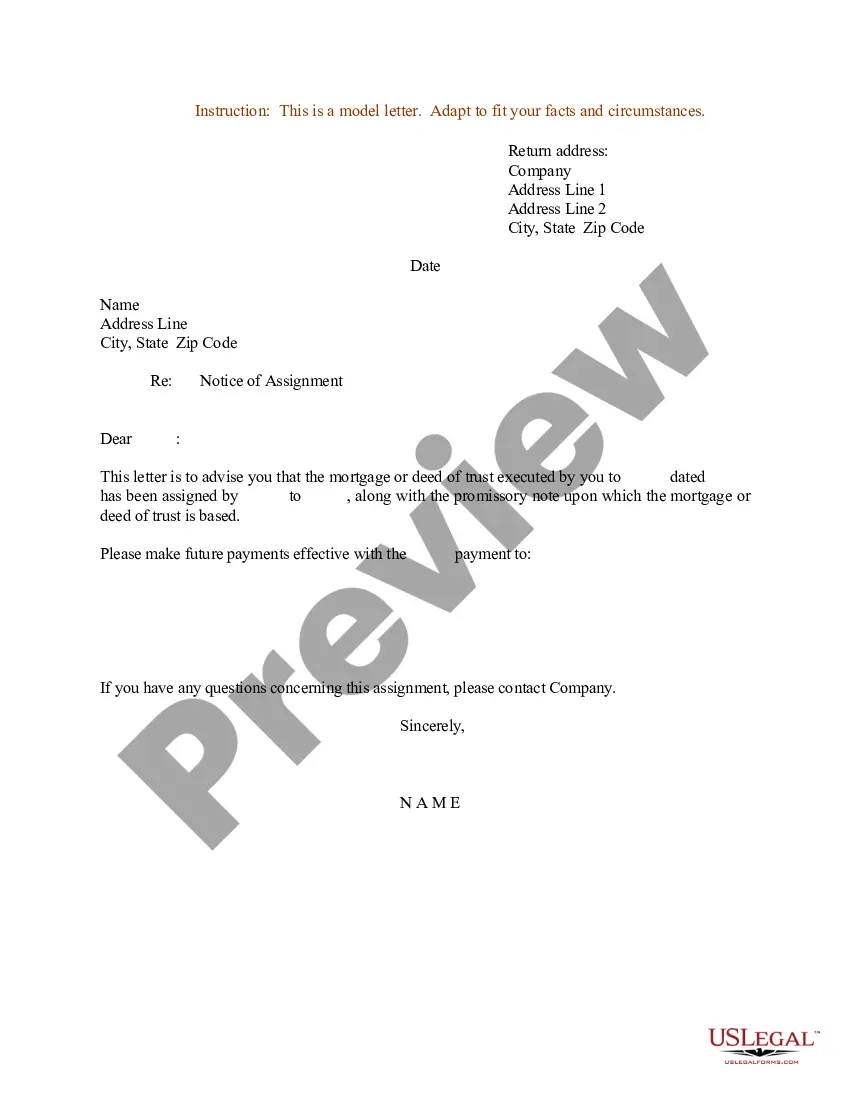
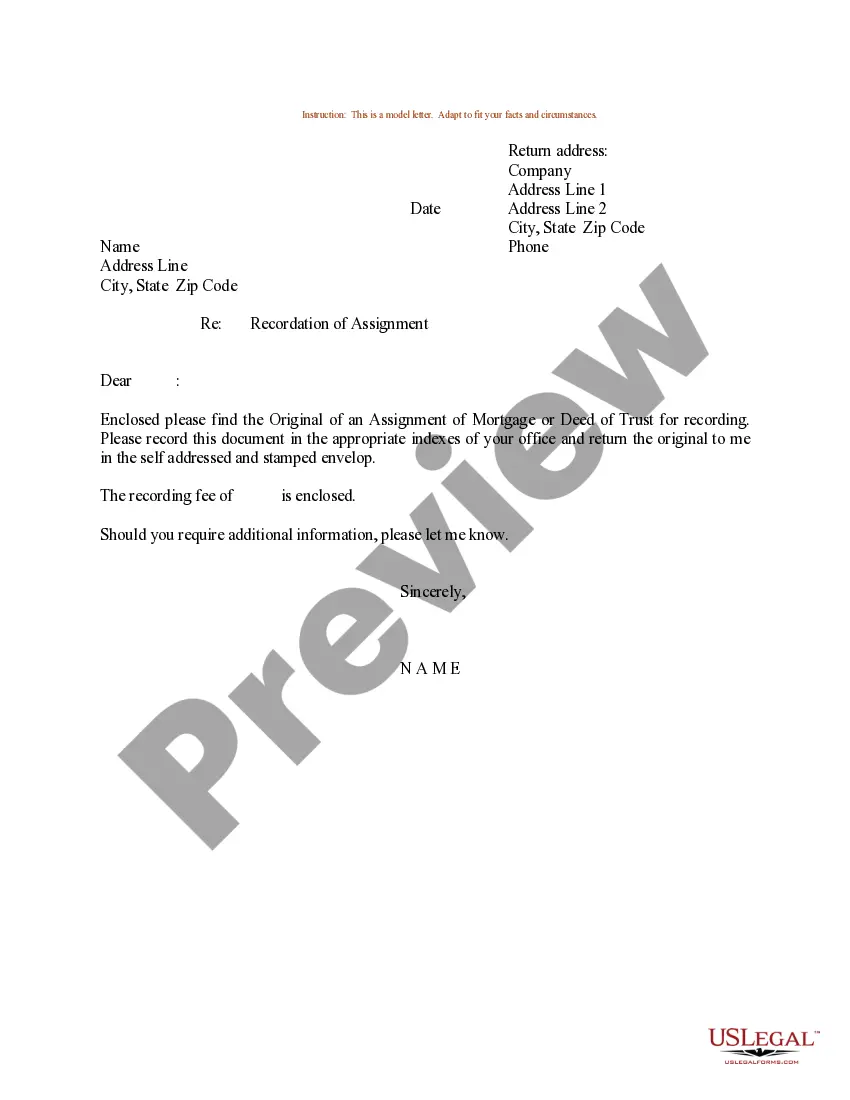
Get your form ready online
Our built-in tools help you complete, sign, share, and store your documents in one place.
Make edits, fill in missing information, and update formatting in US Legal Forms—just like you would in MS Word.
Download a copy, print it, send it by email, or mail it via USPS—whatever works best for your next step.
Sign and collect signatures with our SignNow integration. Send to multiple recipients, set reminders, and more. Go Premium to unlock E-Sign.
If this form requires notarization, complete it online through a secure video call—no need to meet a notary in person or wait for an appointment.
We protect your documents and personal data by following strict security and privacy standards.

Make edits, fill in missing information, and update formatting in US Legal Forms—just like you would in MS Word.

Download a copy, print it, send it by email, or mail it via USPS—whatever works best for your next step.

Sign and collect signatures with our SignNow integration. Send to multiple recipients, set reminders, and more. Go Premium to unlock E-Sign.

If this form requires notarization, complete it online through a secure video call—no need to meet a notary in person or wait for an appointment.

We protect your documents and personal data by following strict security and privacy standards.
Looking for another form?

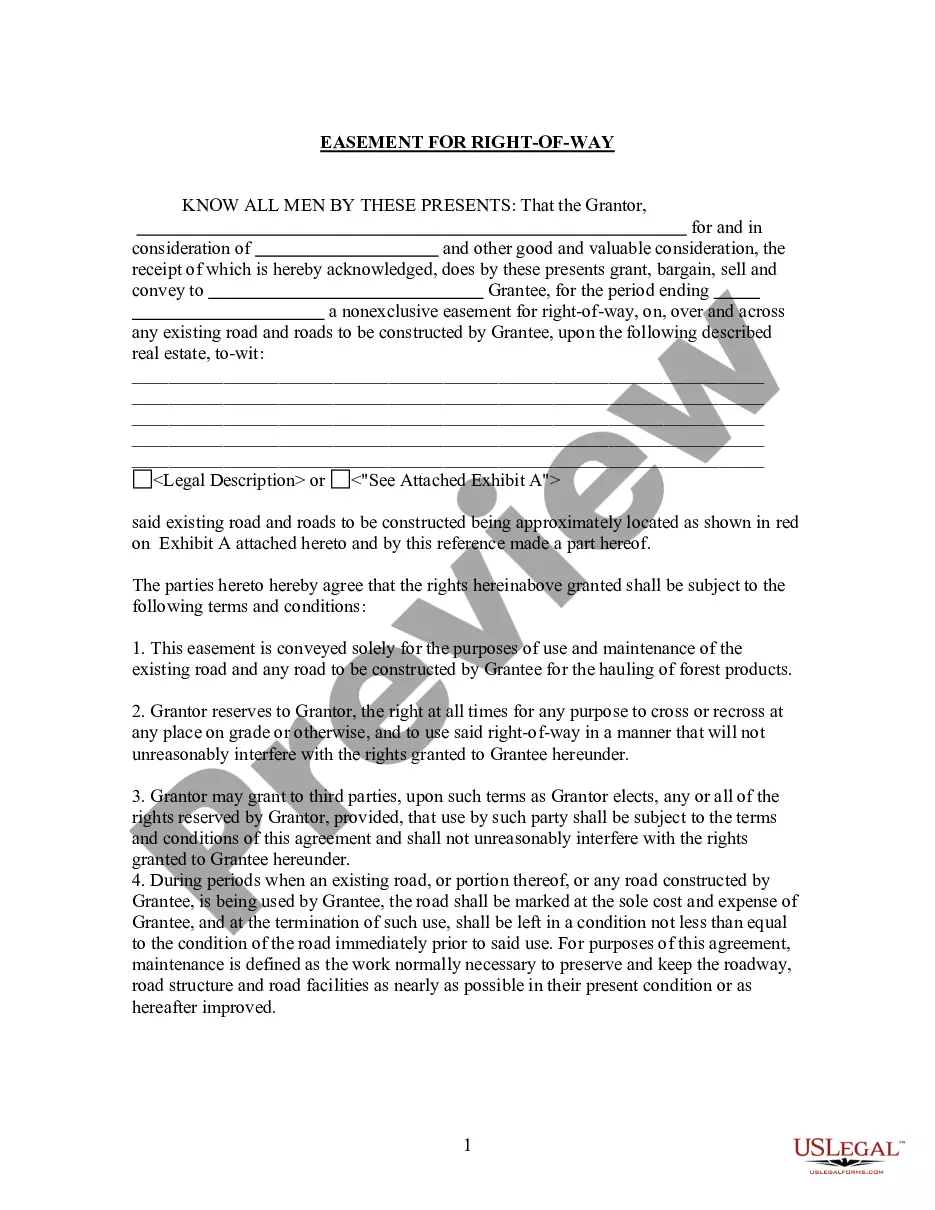




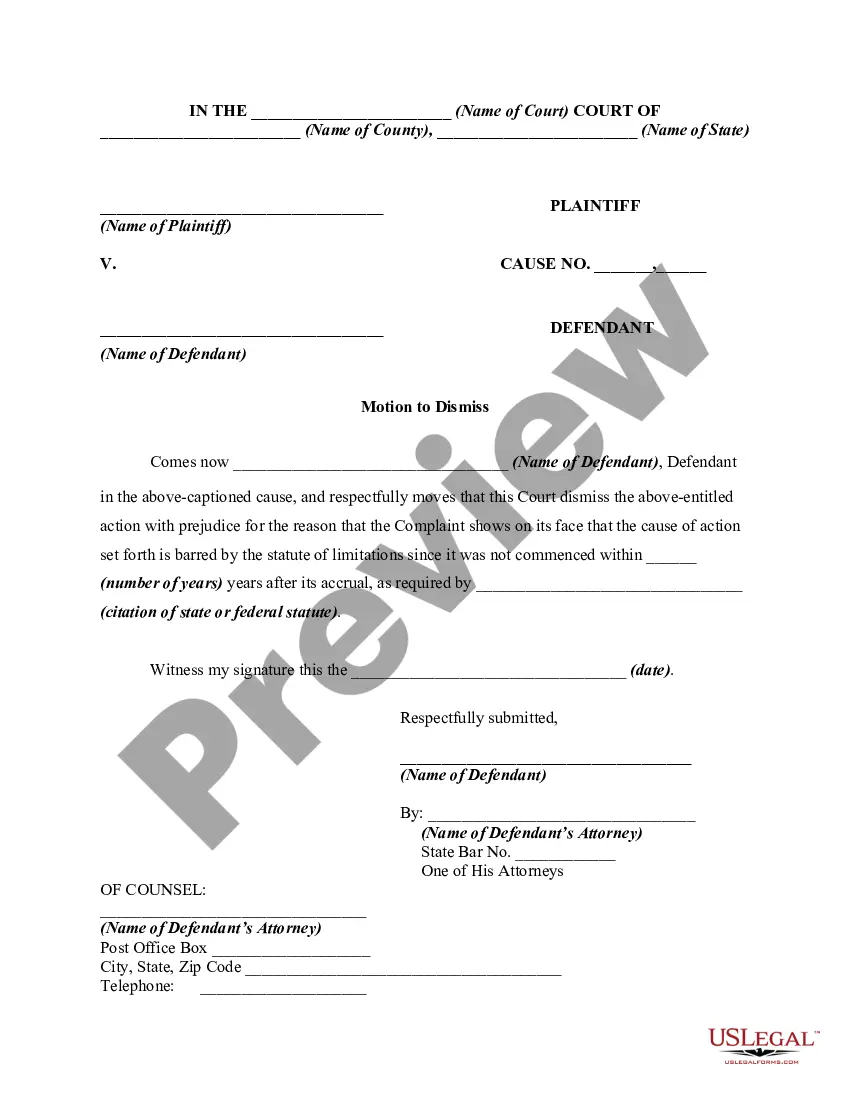

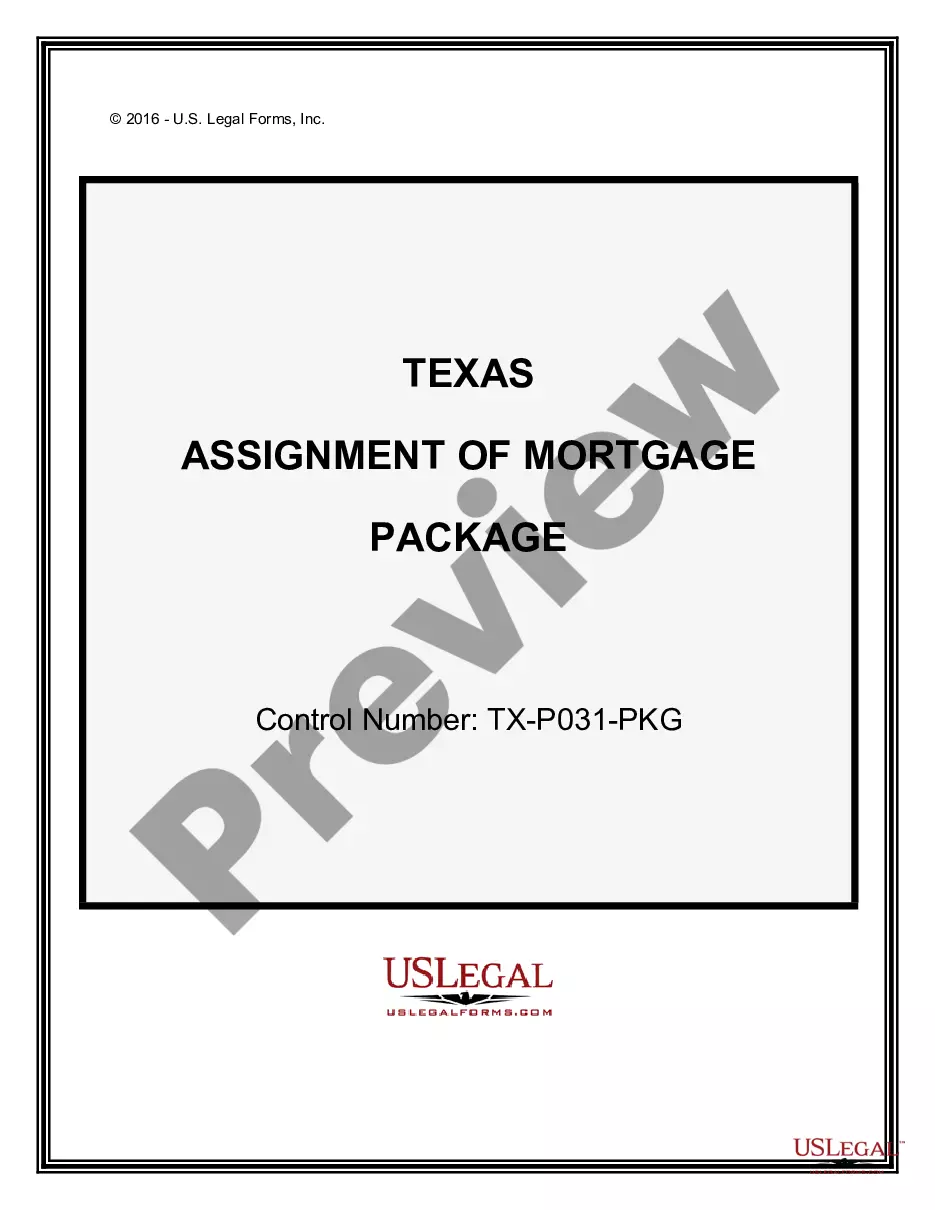
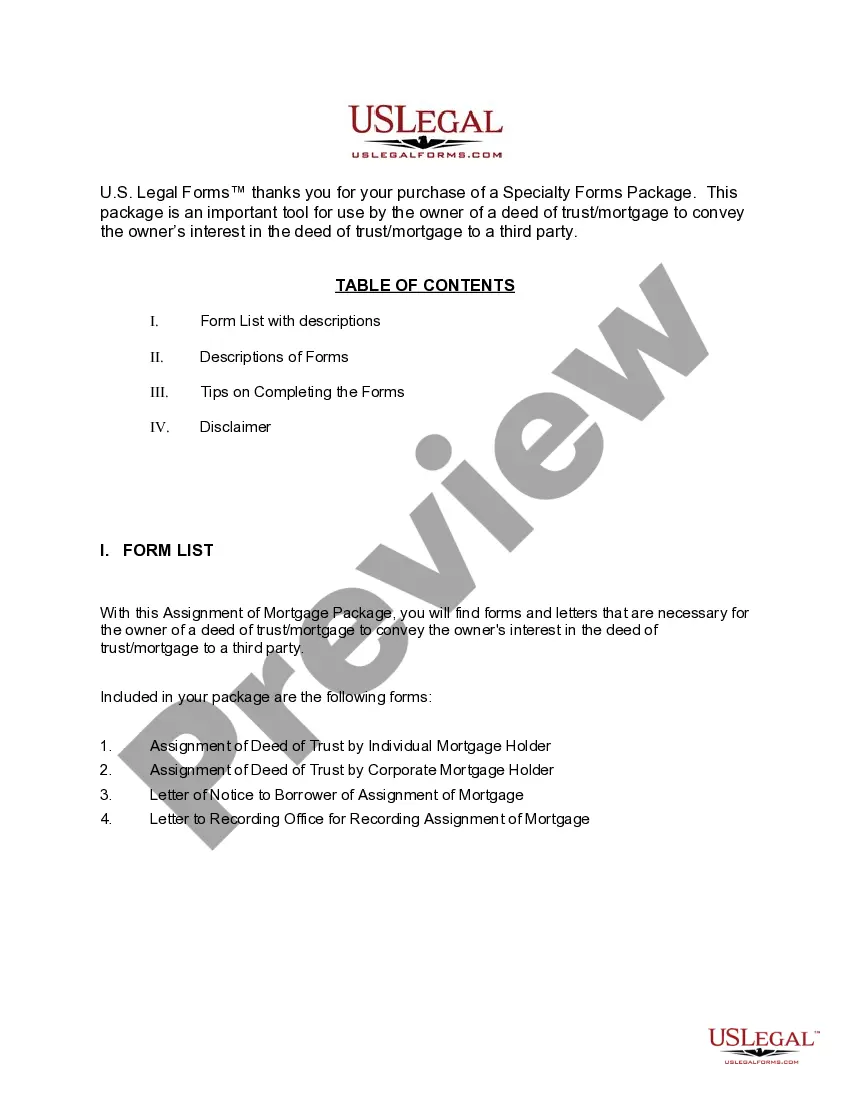
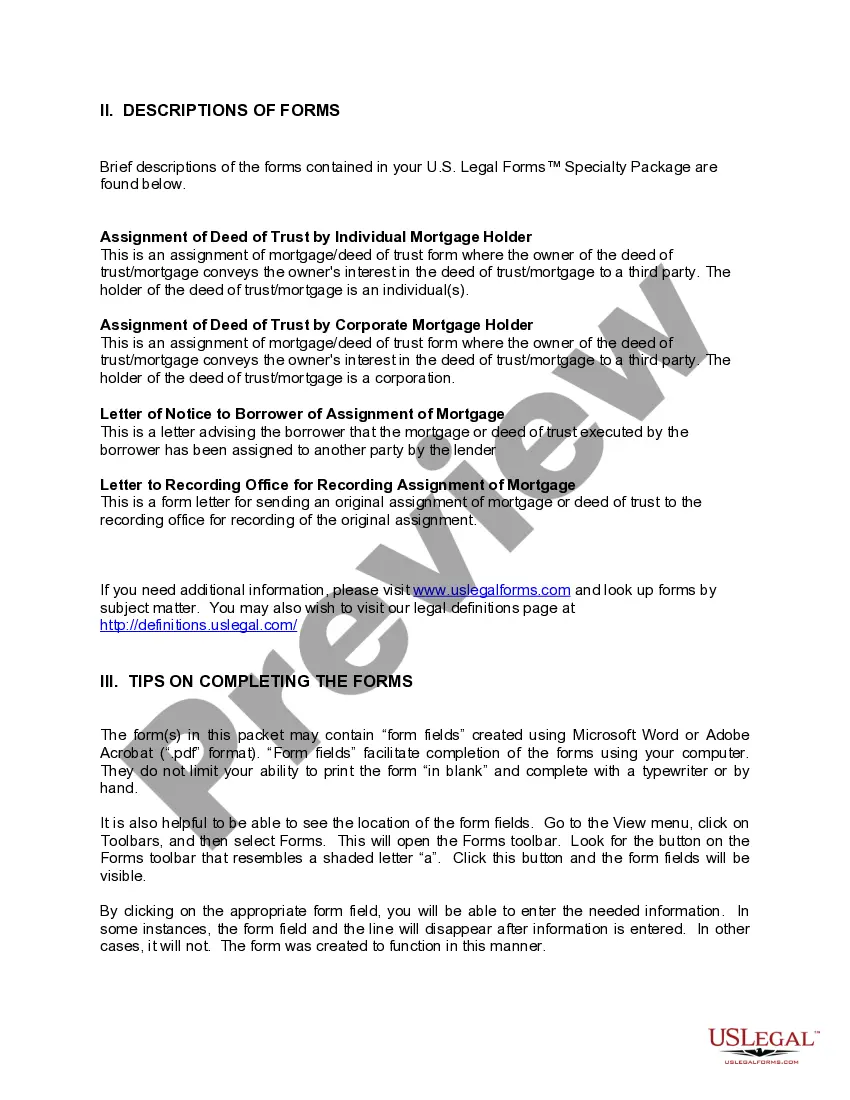
How to fill out Texas Assignment Of Mortgage Package?
Accessing legal document examples that comply with federal and regional laws is essential, and the internet provides numerous selections to choose from.
However, what is the benefit of spending time searching for the appropriate Mortgage Holder Lender Forum sample online if the US Legal Forms digital library already consolidates such templates in one location.
US Legal Forms is the largest online legal resource, featuring over 85,000 fillable templates created by attorneys for various professional and personal situations.
Explore the template using the Preview feature or through the text outline to confirm it meets your requirements.
- They are easy to navigate with all documents classified by state and intended purpose.
- Our specialists stay informed about legislative changes, ensuring that your form remains current and compliant when obtaining a Mortgage Holder Lender Forum from our platform.
- Acquiring a Mortgage Holder Lender Forum is straightforward and swift for all users, both existing and new.
- If you possess an account with an active subscription, Log In and save the document sample you need in the desired format.
- If you are visiting our site for the first time, follow the steps outlined below.
Form popularity
FAQ
When speaking to a mortgage lender, avoid making vague statements about your financial situation. It's important to provide clear, honest information about your income and debts. Additionally, steering clear of overly negative remarks about your credit history can help keep conversations productive. Instead, focus on discussing your readiness to explore options available in our Mortgage Holder Lender Forum.
To find a mortgage holder, start by reviewing your mortgage documents or contacting the county clerk's office for property records. If necessary, you can also reach out to the previous owner of the property for assistance. Additionally, many users on the Mortgage holder lender forum share effective strategies that can help you navigate your search.
To determine who is on a mortgage, you may need to check the title deed or mortgage documents filed with your local property records office. These documents usually list all parties involved in the mortgage agreement. Users of the Mortgage holder lender forum frequently share tips and experiences that can help streamline this process.
Yes, a person's mortgage is generally considered public record. This means anyone can access certain details about it, such as the lender's name and the amount borrowed. However, personal information, like payment history, is typically confidential. For detailed inquiries, consider engaging with the Mortgage holder lender forum for guidance.
To find out who holds the mortgage on a property, you can start by checking public records at your local county clerk or assessor's office. They often provide access to property records, including mortgage details. Additionally, using resources available on the Mortgage holder lender forum can connect you with others who have faced similar situations and can offer insights.
When speaking with a mortgage lender, it's crucial to avoid making vague statements about your financial situation. Specifically, refrain from comments suggesting uncertainty about your income or job stability. Instead, focus on providing clear, concise information about your finances. Engaging on platforms like the Mortgage holder lender forum can help you prepare for these discussions.
To qualify for a $400,000 mortgage, lenders typically recommend that your monthly housing payment should not exceed 28% of your gross monthly income. This means you would need to earn at least $10,000 per month or $120,000 annually, assuming a 30-year term and a reasonable interest rate. Additionally, other financial obligations could impact this figure, so it’s wise to use the Mortgage holder lender forum for further insights and advice tailored to your specific situation.