Deed Without Warranty Texas Form With Mortgage
Description
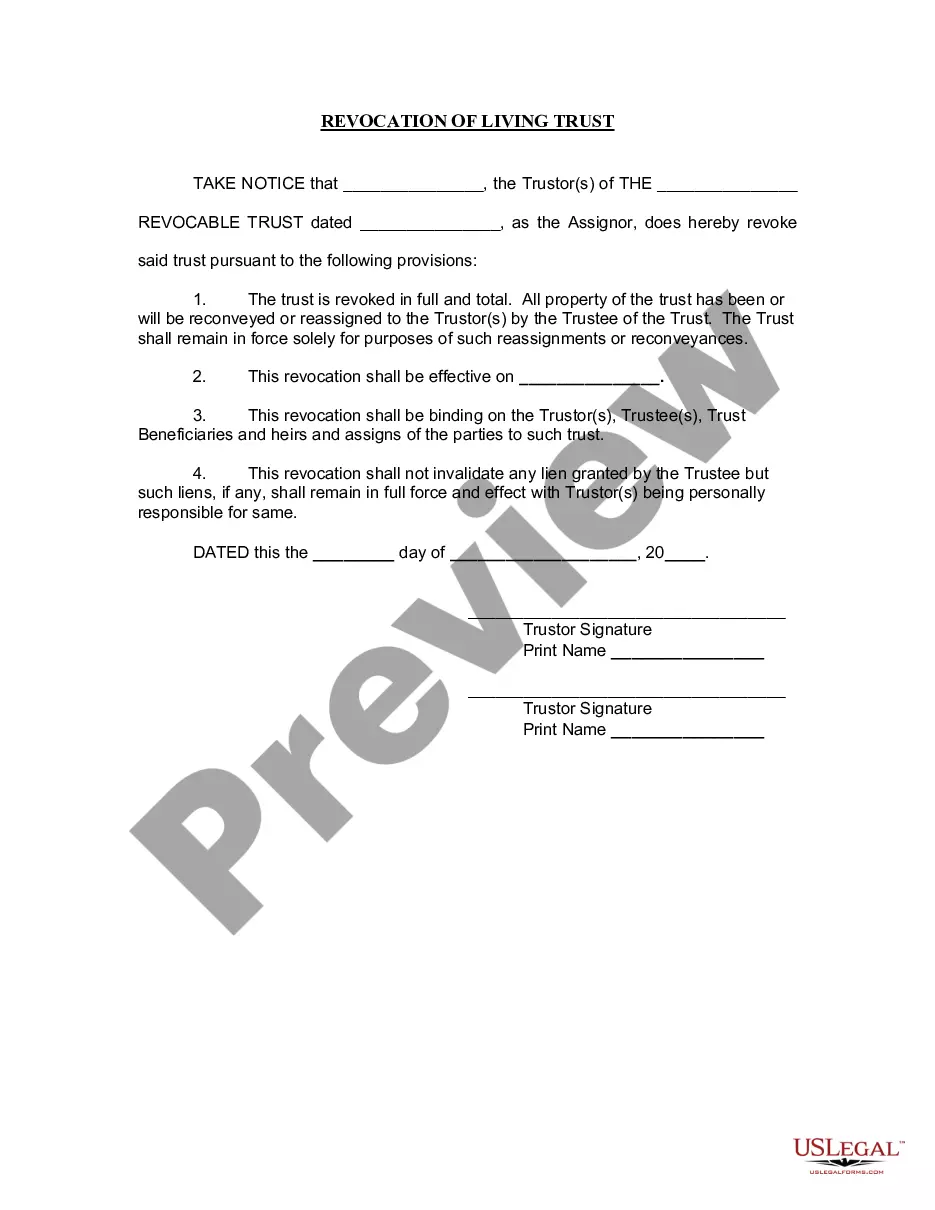
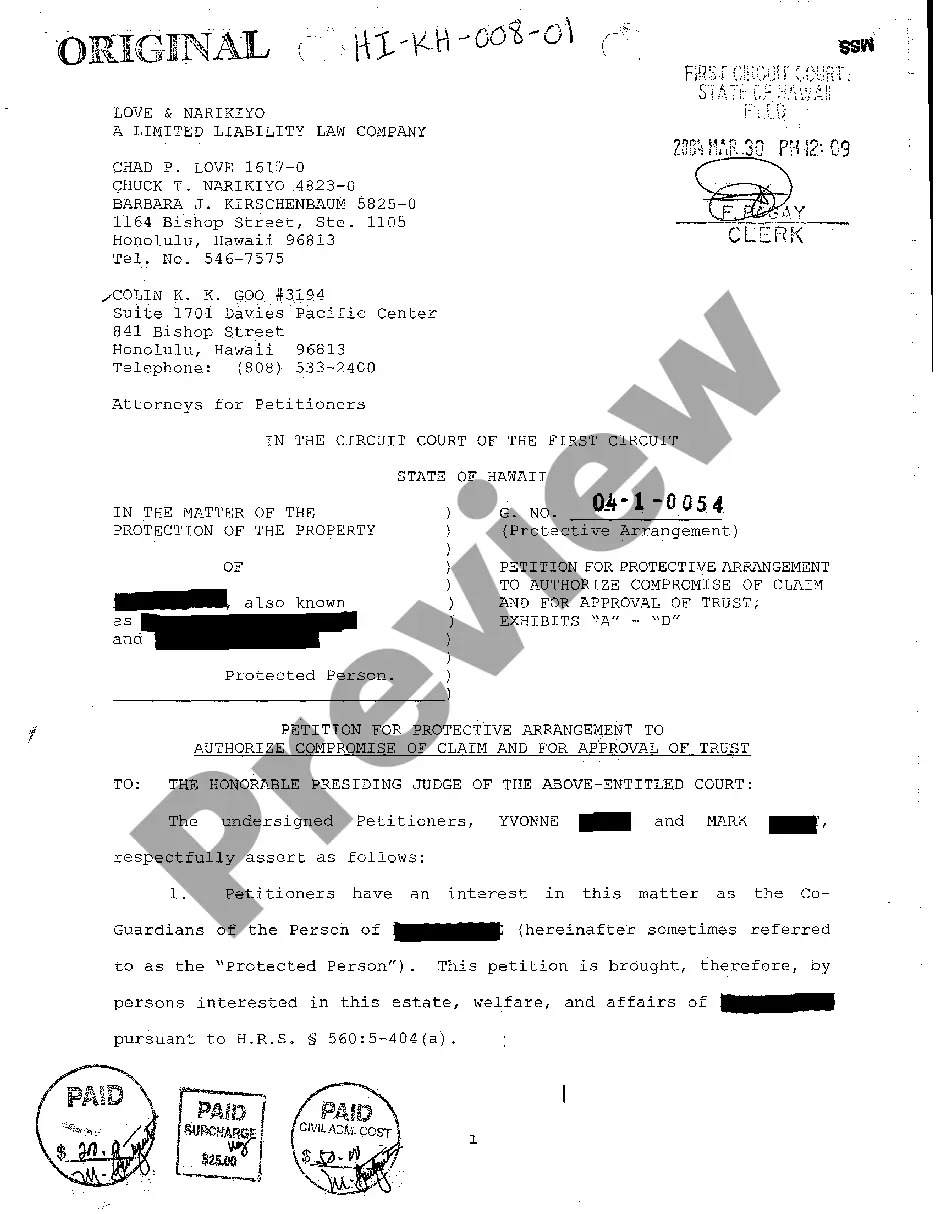
How to fill out Texas Deed Of Distribution Without A Warranty?
Whether for commercial objectives or for private matters, everyone must handle legal circumstances sooner or later in their lives.
Filling out legal documents requires meticulous care, beginning with choosing the correct form template. For instance, if you select an incorrect version of the Deed Without Warranty Texas Form With Mortgage, it will be rejected once submitted. Thus, it is crucial to find a reliable source of legal documents like US Legal Forms.
Utilize the library’s user-friendly navigation to locate the suitable form for any occasion.
- Obtain the template you require by utilizing the search bar or catalog browsing.
- Review the form’s description to confirm it aligns with your situation, state, and county.
- Click on the form’s preview to examine it.
- If it is the incorrect document, return to the search feature to find the Deed Without Warranty Texas Form With Mortgage template you need.
- Acquire the file when it satisfies your requirements.
- If you already possess a US Legal Forms account, simply click Log in to access previously stored templates in My documents.
- If you do not have an account yet, you may download the form by clicking Buy now.
- Choose the appropriate pricing option.
- Complete the account registration form.
- Select your payment method: you can use a credit card or PayPal account.
- Choose the file format you desire and download the Deed Without Warranty Texas Form With Mortgage.
- Once downloaded, you can fill out the form using editing software or print it and complete it manually.
- With an extensive US Legal Forms catalog available, you don't have to waste time searching for the right template across the internet.
Form popularity
FAQ
As a property owner and grantor, you can obtain a warranty deed for the transfer of real estate through a local realtor's office, or with an online search for a template. To make the form legally binding, you must sign it in front of a notary public.
A general warranty deed must include the following to be valid: The name and address of the seller (called the grantor) The name and address of the buyer (called the grantee) A legal description of the property (found on the previous deed) A statement that the grantor is transferring the property to the grantee.
Quitclaim deeds do not contain any implied warranties or covenants. Under a quitclaim deed, the grantor simply transfers its whole interest in the described real estate, but makes no covenant or representation that the grantor in fact has any interest in the subject property.
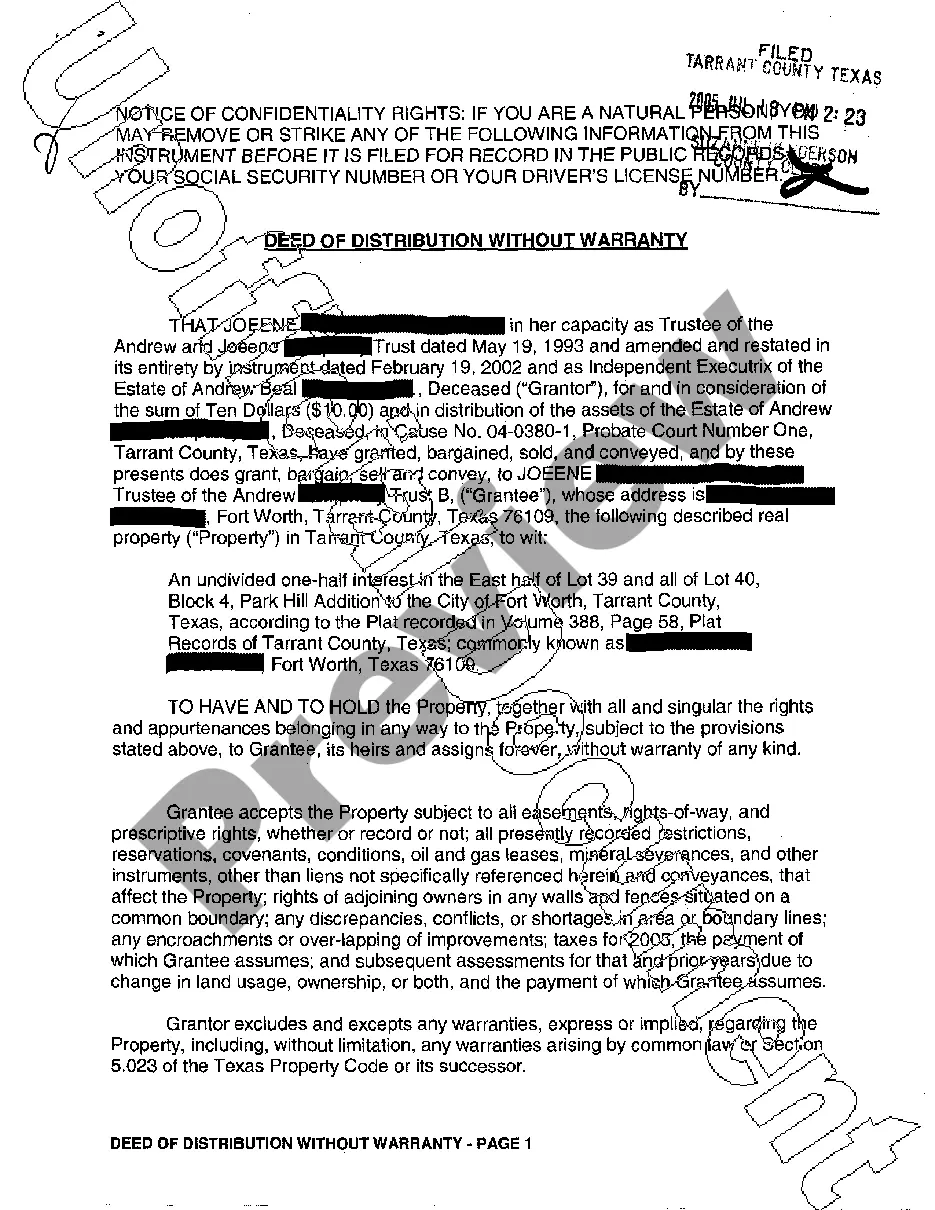
Texas deeds without warranty It conveys title to the buyer, but there's no warranty against any defects in the title. Thus, a buyer can't sue a seller who used a deed without warranty for any defect in title that appears later on.
In order for a deed to be effective it must be signed and acknowledged before a notary by the seller. The buyer is not required to sign, but if the deed includes language about specific agreements between the buyer and seller, then it is advisable to include the buyer's signature.