What Does The Deed To A House Look Like
Description

Get your form ready online
Our built-in tools help you complete, sign, share, and store your documents in one place.
Make edits, fill in missing information, and update formatting in US Legal Forms—just like you would in MS Word.
Download a copy, print it, send it by email, or mail it via USPS—whatever works best for your next step.
Sign and collect signatures with our SignNow integration. Send to multiple recipients, set reminders, and more. Go Premium to unlock E-Sign.
If this form requires notarization, complete it online through a secure video call—no need to meet a notary in person or wait for an appointment.
We protect your documents and personal data by following strict security and privacy standards.

Make edits, fill in missing information, and update formatting in US Legal Forms—just like you would in MS Word.

Download a copy, print it, send it by email, or mail it via USPS—whatever works best for your next step.

Sign and collect signatures with our SignNow integration. Send to multiple recipients, set reminders, and more. Go Premium to unlock E-Sign.

If this form requires notarization, complete it online through a secure video call—no need to meet a notary in person or wait for an appointment.

We protect your documents and personal data by following strict security and privacy standards.
Looking for another form?
How to fill out Texas Warranty Deed From Corporation To Individual?
- Log in to your US Legal Forms account if you are a returning user. Ensure your subscription is active to access documents without issues.
- If you're new to the service, start by browsing the extensive collection. Review the Preview mode and descriptions to ensure the selected form aligns with your jurisdiction's needs.
- In case you don't find the right document, utilize the Search feature. This tool helps you locate the most suitable template for your requirements.
- Make your purchase by clicking on the Buy Now button and choose the subscription plan that best fits your needs. You'll need to create an account for full access.
- Complete the payment by entering your credit card information or opting for PayPal. Once the transaction is successful, you can download the document.
- Finally, save your form on your device, and you can always access it later through the My Forms section in your account.
US Legal Forms empowers individuals and attorneys alike to navigate the legal landscape with ease. With over 85,000 editable forms available, you can trust that your documents will be comprehensive and legally sound.
Don’t hesitate – start your legal form journey today with US Legal Forms for a hassle-free experience in securing vital documentation.
Form popularity
FAQ
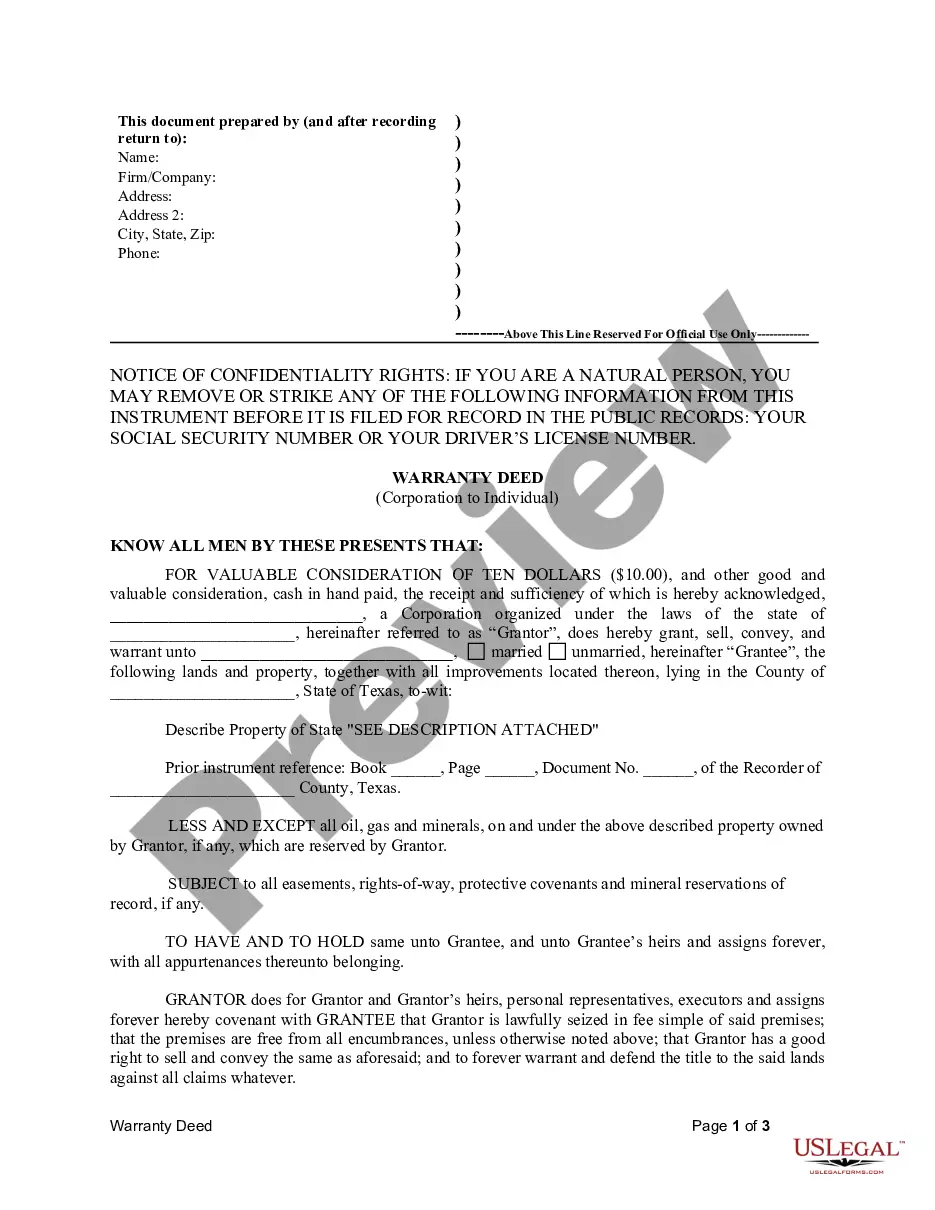
The most common deed used in property transactions is probably the warranty deed. It offers the highest level of protection to buyers, ensuring that they receive full ownership with no undisclosed claims against the property. This type of deed is an excellent example of what the deed to a house looks like, as it includes explicit guarantees.
Both the title and deed are crucial in real estate, but they serve different purposes. While the deed shows who owns the property, the title gives rights to use, sell, or lease it. Understanding both terms will clarify what the deed to a house looks like and its role in property ownership.
To write a simple deed, start by including the names of the grantor and grantee, along with a description of the property. Next, make sure to state the purpose of the transfer and include a date. For a more professional touch, you may wish to use a template from platforms like US Legal Forms, which can guide you through the process of what the deed to a house looks like.
A common example of a deed is a warranty deed. This document guarantees that the seller holds clear title to the property and has the right to sell it. When you visualize what the deed to a house looks like, a warranty deed includes essential information about the property and a guarantee from the seller regarding ownership.
The deed to your house is typically stored in the county recorder's office where the property is located. You can also find your deed through online property records or by contacting a local real estate agent for assistance. If you ever lose your deed, this is a good place to start looking for what the deed to a house looks like.
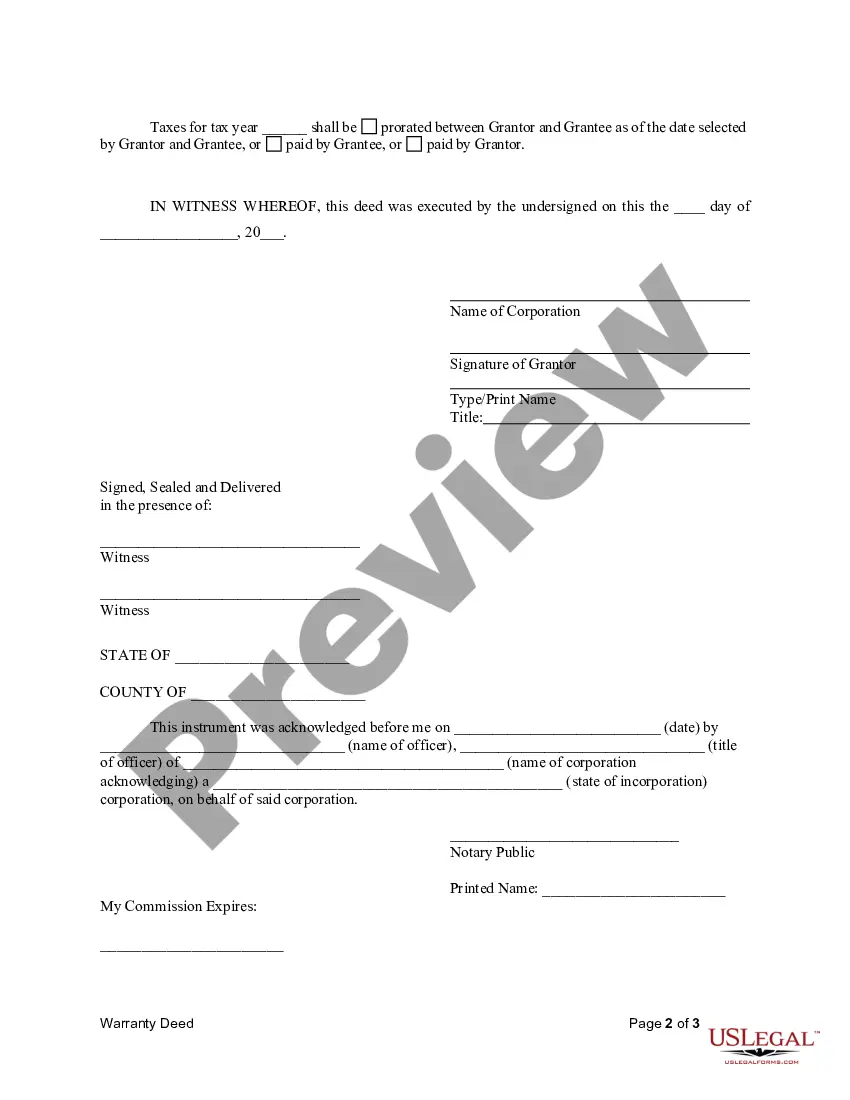
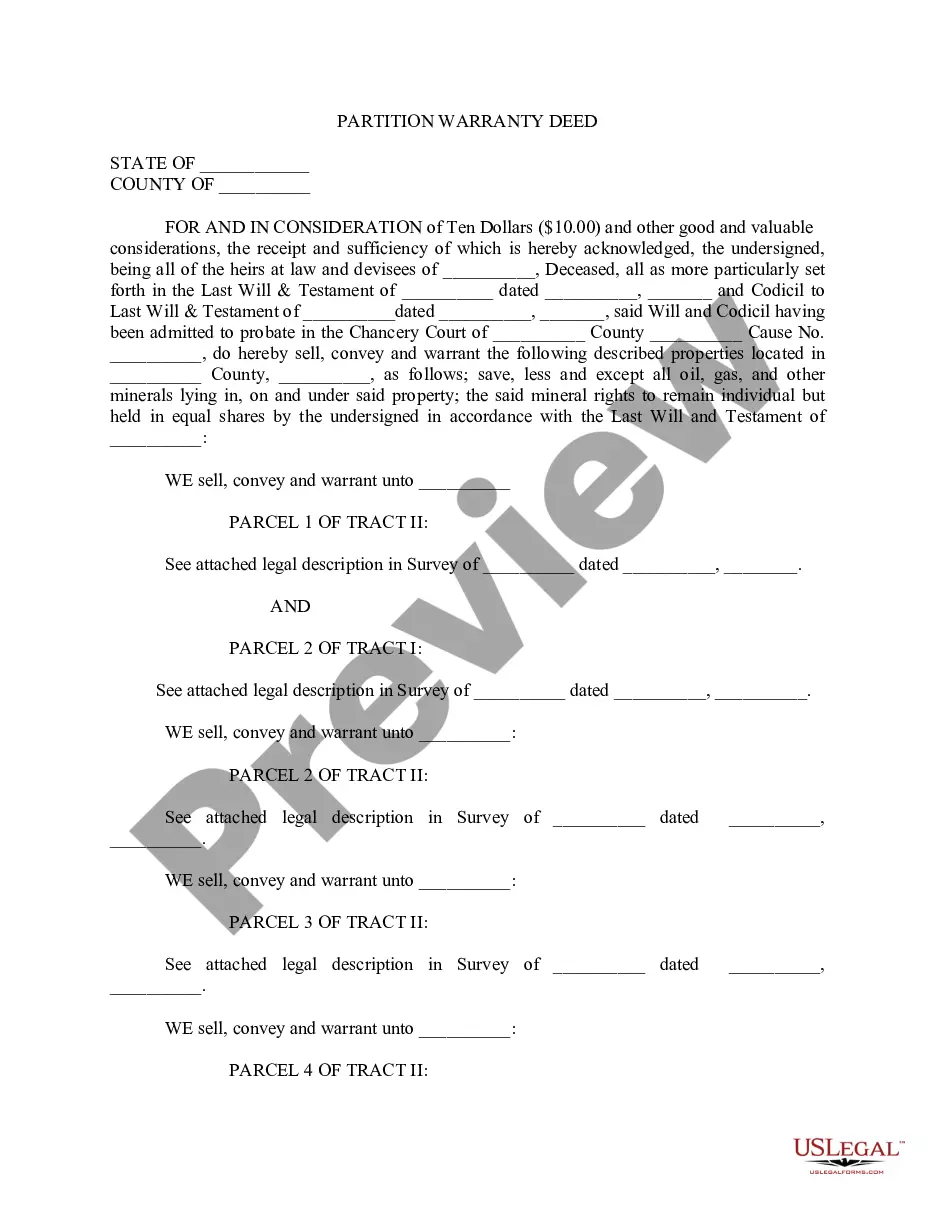
A deed is a legal document that transfers ownership of property from one party to another. Generally, it includes details like the names of the parties involved, a description of the property, and is signed in front of a notary. When you refer to what the deed to a house looks like, picture an official paper with clear headings, signatures, and sometimes a seal.
To get the deed to your house, start by contacting your local county or city clerk's office. You can request a copy of your deed, which will provide you with information about property ownership, including what the deed to a house looks like. If you prefer a more convenient method, you can also use online services like US Legal Forms to help you obtain and manage your property documents effectively. This platform simplifies the process, ensuring you receive accurate and up-to-date information about your property deed.
Accessing the deed to your house is straightforward. You can request a copy from the local county recorder's office, either in person or online. Some states even allow you to access these records through their official government website. If you're unsure about the process, platforms like US Legal Forms provide helpful resources and tools to guide you in finding what the deed to a house looks like.
To obtain your house title deed, you can start by visiting your local county recorder’s office. They maintain copies of all recorded deeds, including yours. If it’s difficult to visit in person, many counties offer online databases where you can search for your deed. Familiarizing yourself with what the deed to a house looks like ensures you can easily identify your own document.
After closing, your deed is typically recorded with the local county clerk or recorder's office. This process ensures the legal transfer of property ownership. You can request a copy of the deed directly from this office or access it online, where available. Understanding what the deed to a house looks like can help you confirm that you have received the correct document.