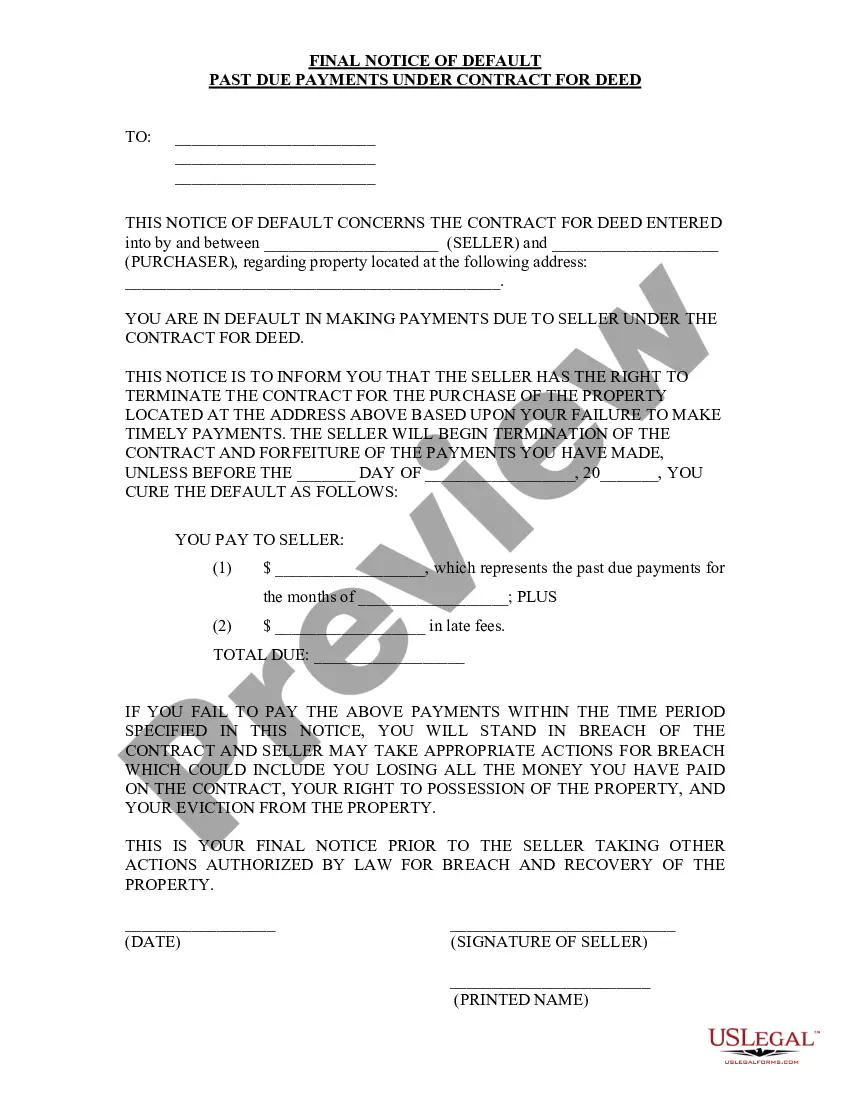
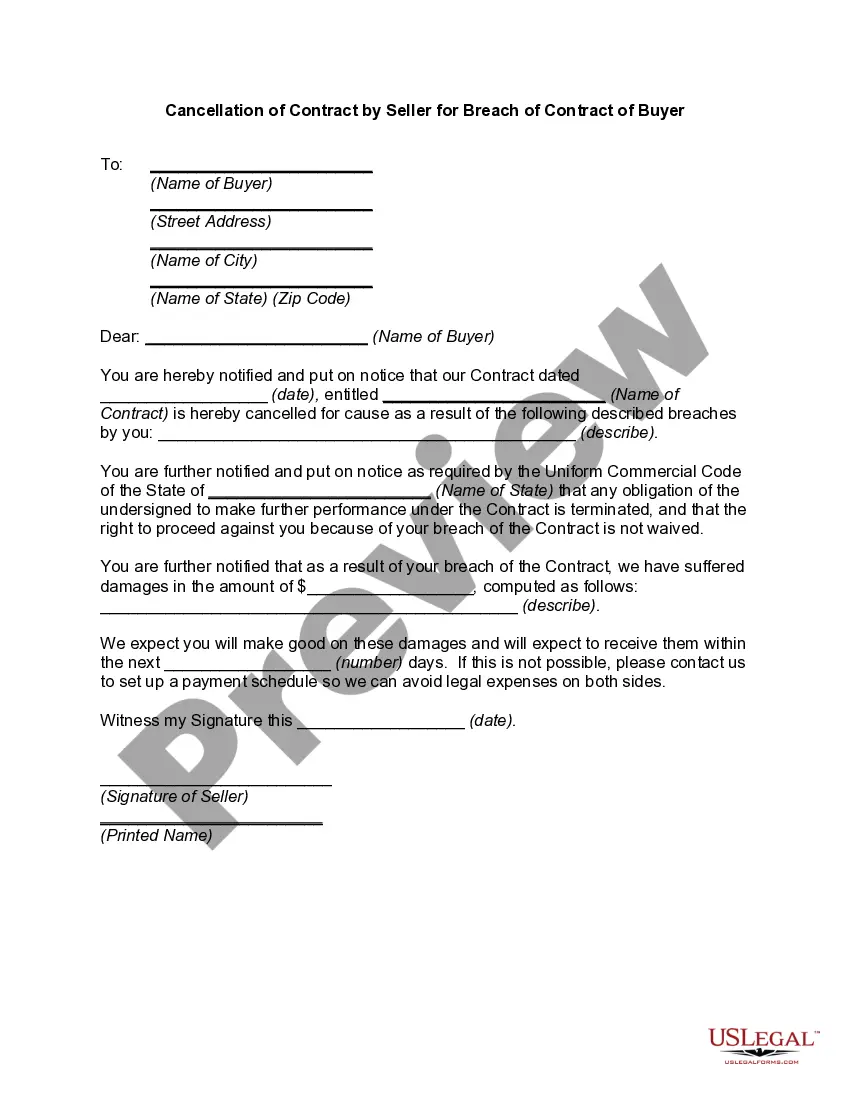
Texas Termination For Cause
Description
Get your form ready online
Our built-in tools help you complete, sign, share, and store your documents in one place.
Make edits, fill in missing information, and update formatting in US Legal Forms—just like you would in MS Word.
Download a copy, print it, send it by email, or mail it via USPS—whatever works best for your next step.
Sign and collect signatures with our SignNow integration. Send to multiple recipients, set reminders, and more. Go Premium to unlock E-Sign.
If this form requires notarization, complete it online through a secure video call—no need to meet a notary in person or wait for an appointment.
We protect your documents and personal data by following strict security and privacy standards.

Make edits, fill in missing information, and update formatting in US Legal Forms—just like you would in MS Word.

Download a copy, print it, send it by email, or mail it via USPS—whatever works best for your next step.

Sign and collect signatures with our SignNow integration. Send to multiple recipients, set reminders, and more. Go Premium to unlock E-Sign.

If this form requires notarization, complete it online through a secure video call—no need to meet a notary in person or wait for an appointment.

We protect your documents and personal data by following strict security and privacy standards.
Looking for another form?
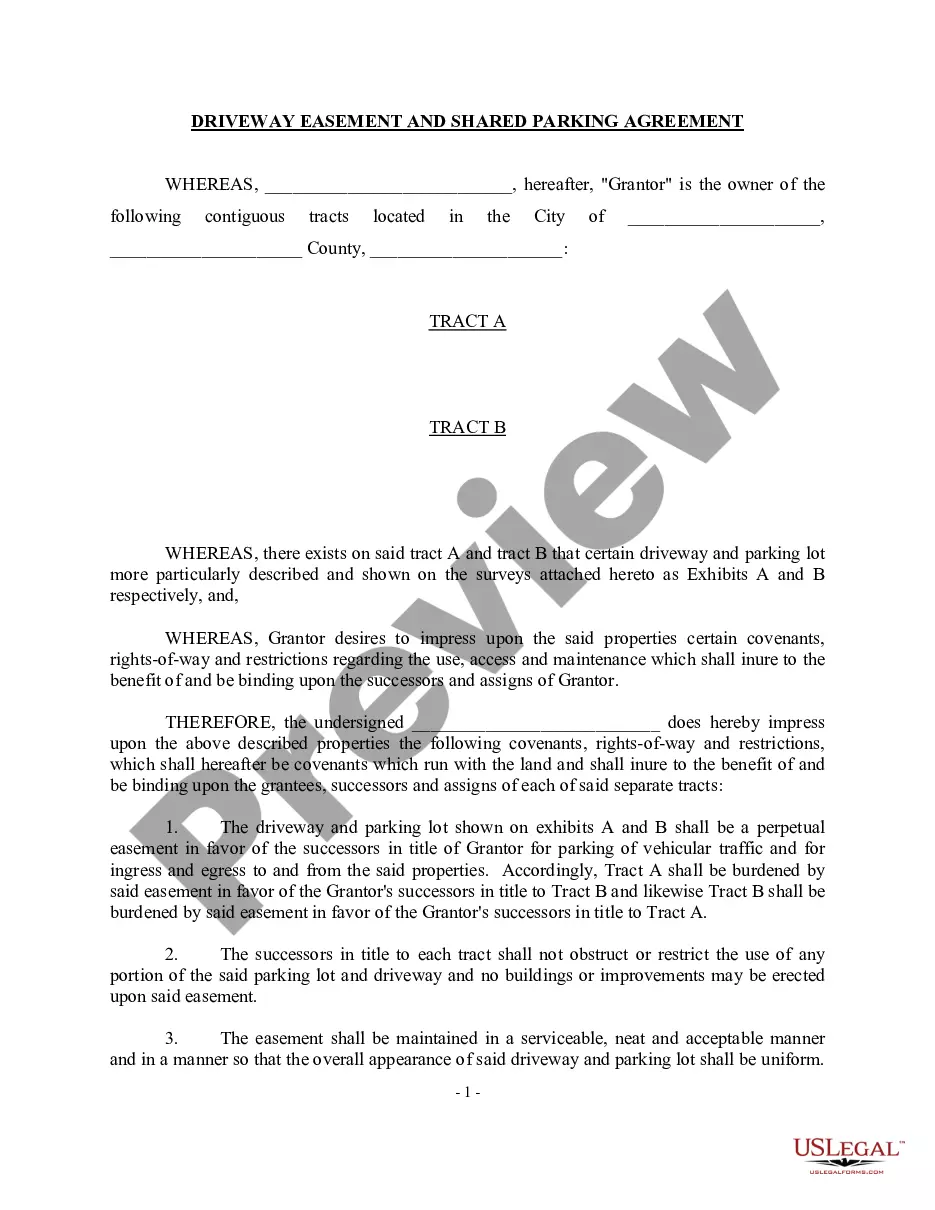


How to fill out Texas Notice Of Cancellation?
Whether for commercial objectives or for individual concerns, everyone has to handle legal matters at some stage in their existence.
Filling out legal documentation requires meticulous care, starting from choosing the right form template. For instance, if you select an incorrect version of the Texas Termination For Cause, it will be rejected when submitted.
With an extensive US Legal Forms catalog available, you no longer have to waste time searching for the right template online. Utilize the library’s straightforward navigation to find the suitable template for any situation.
- Locate the template you require by using the search tool or browsing the catalog.
- Review the form's details to ensure it aligns with your situation, state, and locality.
- Click on the form’s preview to view it.
- If it is not the correct document, return to the search function to locate the Texas Termination For Cause sample you need.
- Obtain the file if it fulfills your requirements.
- If you possess a US Legal Forms account, click Log in to access previously saved documents in My documents.
- If you do not yet have an account, you can download the form by selecting Buy now.
- Select the correct payment option.
- Complete the account registration form.
- Choose your payment method: use a credit card or PayPal account.
- Select the file format you desire and download the Texas Termination For Cause.
- Once it is downloaded, you can complete the form using editing software or print it out and finish it by hand.
Form popularity
FAQ
Under Texas law, good cause is the employee's failure to perform the duties that a person of ordinary prudence in the industry would perform under similar circumstances. However, because this definition is vague, parties should specifically state what constitutes good cause in their employment agreement.
Mr/Ms [employee's name], We regret to inform you that we are terminating your employment with immediate effect. We reached this decision after we completed all appropriate steps of the company's disciplinary process. This decision was necessary because you [repeatedly violated our anti-harassment policy.]
What to include in your employee termination letter Employee name. ... The date of termination. ... Reason(s) for the employee's termination. ... Documented disciplinary action prior to termination. ... Employee benefits. ... Employee acknowledgment of termination. ... Terminated employee's forwarding address. ... Instructions for their last paycheck.
Simply state the reasons and leave it at that. To do more is to risk hurting the employee's feelings unnecessarily or drawing the employee into an argument. There's no point trying to prove to the employee that firing was your only option.
Keep it short but positive. If you were terminated for job performance issues, state the reason and what steps you've made to improve yourself since. Example: If you were terminated for failing to meet a monthly sales quota, you can explain the situation like this: "Let go for failing to meet selling standards.