Tenant Landlord With For And Against
Description



Get your form ready online
Our built-in tools help you complete, sign, share, and store your documents in one place.
Make edits, fill in missing information, and update formatting in US Legal Forms—just like you would in MS Word.
Download a copy, print it, send it by email, or mail it via USPS—whatever works best for your next step.
Sign and collect signatures with our SignNow integration. Send to multiple recipients, set reminders, and more. Go Premium to unlock E-Sign.
If this form requires notarization, complete it online through a secure video call—no need to meet a notary in person or wait for an appointment.
We protect your documents and personal data by following strict security and privacy standards.

Make edits, fill in missing information, and update formatting in US Legal Forms—just like you would in MS Word.

Download a copy, print it, send it by email, or mail it via USPS—whatever works best for your next step.

Sign and collect signatures with our SignNow integration. Send to multiple recipients, set reminders, and more. Go Premium to unlock E-Sign.

If this form requires notarization, complete it online through a secure video call—no need to meet a notary in person or wait for an appointment.

We protect your documents and personal data by following strict security and privacy standards.
Looking for another form?
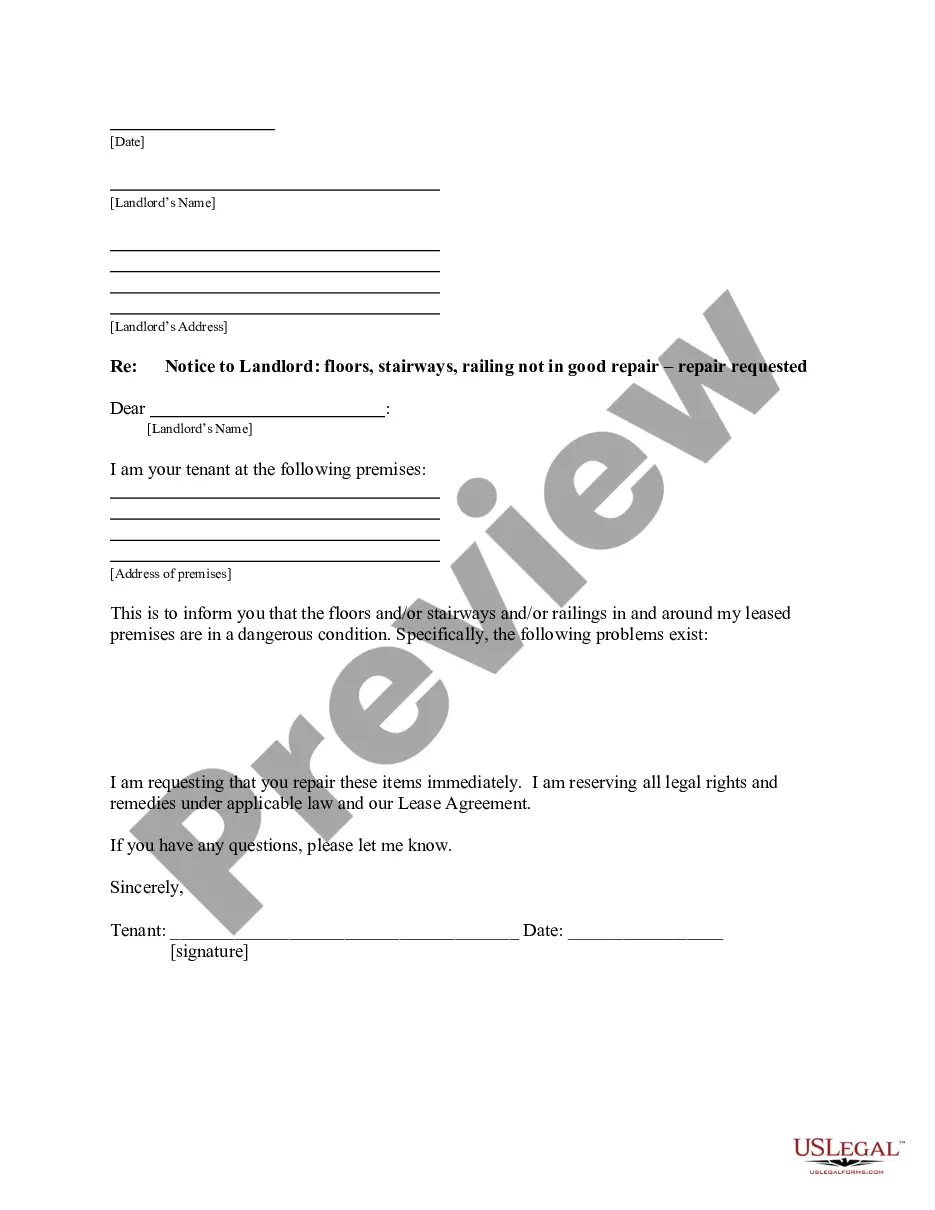
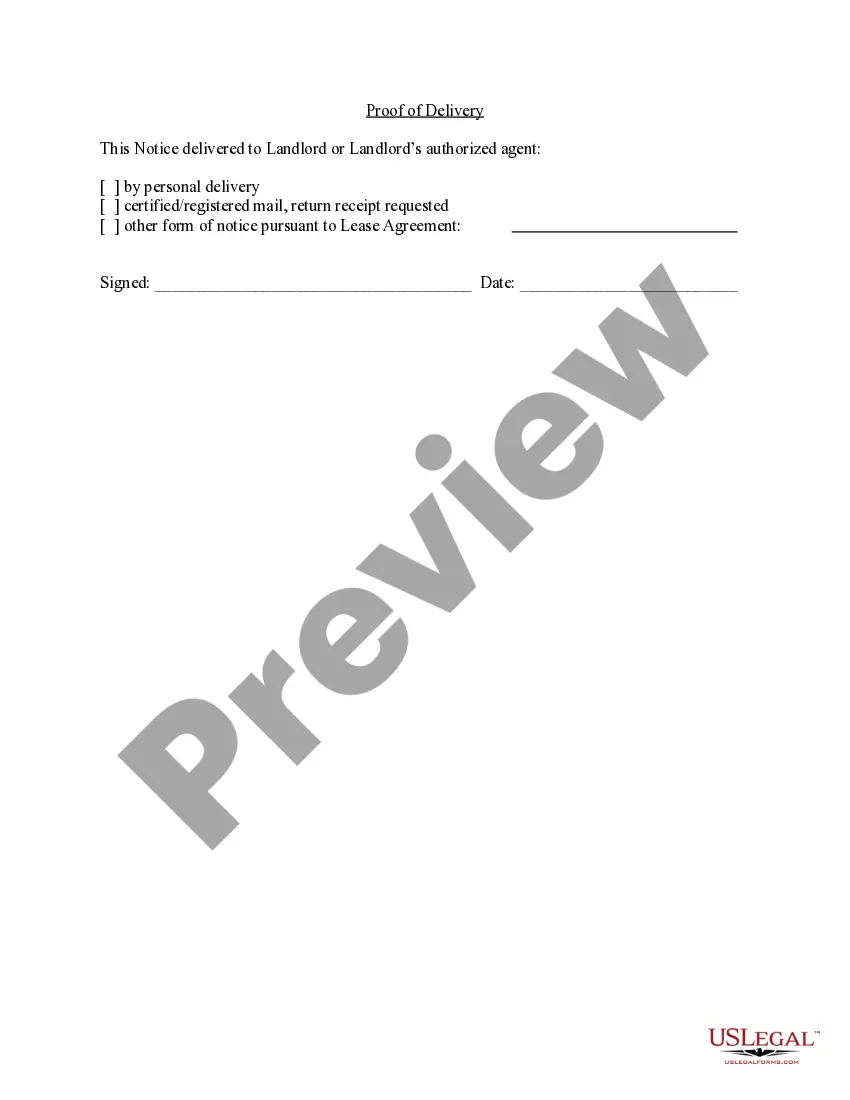
How to fill out Tennessee Letter From Tenant To Landlord With Demand That Landlord Repair Floors, Stairs Or Railings?
- Begin by checking the Preview mode for an overview of the form and its description. This ensures you've selected the right template that meets your specific needs and local jurisdiction requirements.
- If you find discrepancies in the form or require an alternative, utilize the Search tab to explore additional templates that might better suit your situation.
- Once you've confirmed the appropriate document, proceed to purchase it by clicking on the Buy Now button and selecting your preferred subscription plan.
- Create an account if you're a new user to gain access to the extensive library of forms and resources.
- Complete your purchase by entering your payment details via credit card or PayPal, securing your subscription.
- Finally, download your chosen form and save it on your device. You can easily access it later through the My Forms menu in your profile.
Using US Legal Forms not only empowers you to create legally sound documents quickly but also gives you access to a wealth of resources and expert assistance, making it stand out among competitors.
Start simplifying your landlord-tenant documentation today by visiting US Legal Forms!
Form popularity
FAQ
Winning against a landlord in court often requires solid evidence and a clear understanding of your rights. Document all interactions, keep records of any complaints, and gather relevant lease agreements or local housing regulations. Platforms like UsLegalForms can help you navigate legal processes and strengthen your case in the tenant-landlord dispute.
In Arizona, landlords are not responsible for damage caused by the tenant’s actions or lack of proper maintenance. Additionally, they are typically not liable for injuries due to a tenant's negligence. Understanding what a landlord is not accountable for can prevent misunderstandings in tenant-landlord relationships.
Renters in Arizona possess several rights that protect their living conditions. These include the right to habitable premises, privacy, and protection against wrongful eviction. Familiarizing yourself with your rights in the tenant-landlord arena can ensure a more secure and respectful rental experience.
Landlord retaliation occurs when a landlord takes negative action against a tenant for exercising their legal rights. This could include increasing rent, reducing services, or threatening eviction after a tenant has reported health or safety violations. Knowing your rights in the tenant-landlord context can empower you to stand against unjust treatment.
Yes, a tenant can refuse entry to a landlord in Arizona under certain conditions. If notice is not provided or if the entry is not for a valid reason, the tenant has the right to decline. This aspect of tenant-landlord relations emphasizes the importance of communicating clearly and respecting boundaries.
In Arizona, a landlord cannot evict a tenant without proper notice or for retaliatory reasons. They are also prohibited from shutting off essential services, such as water or electricity, to force a tenant to leave. Remember, understanding these tenant-landlord rules can help protect your rights and ensure a fair living situation.
To fight against your landlord in North Carolina, start by documenting all interactions, repairs made, and any violations. Engage in open communication; sometimes, issues can be resolved through discussion. If your landlord disregards your rights, consider legal action or consult resources like US Legal Forms, which can provide necessary documents and guidance. Being prepared and informed can empower you in your tenant landlord situation.
A violation of renters' rights in North Carolina can occur when a landlord fails to maintain a safe and habitable living environment. This can include neglecting necessary repairs, shutting off utilities, or taking retaliatory actions against tenants. Moreover, unlawful eviction without due process also violates renters' rights. If you suspect such violations, you may want to explore solutions available through platforms like US Legal Forms.
The eviction process in North Carolina typically takes about three to six weeks, depending on the circumstances. Initially, landlords must provide proper notice and then file an eviction lawsuit if the tenant does not comply. After a court hearing, the judge may issue an eviction order, after which local authorities will facilitate the removal. Knowing these timelines can arm you with information as you deal with your tenant landlord situation.
In North Carolina, a landlord cannot retaliate against a tenant for exercising their legal rights. This includes actions like increasing rent or evicting the tenant after they have reported health or safety issues. Landlords must also respect the tenant's right to privacy by providing proper notice before entering the rental property. Understanding these restrictions can help you navigate your situation effectively.