Pennsylvania Rules For Civil Procedure
Description

Get your form ready online
Our built-in tools help you complete, sign, share, and store your documents in one place.
Make edits, fill in missing information, and update formatting in US Legal Forms—just like you would in MS Word.
Download a copy, print it, send it by email, or mail it via USPS—whatever works best for your next step.
Sign and collect signatures with our SignNow integration. Send to multiple recipients, set reminders, and more. Go Premium to unlock E-Sign.
If this form requires notarization, complete it online through a secure video call—no need to meet a notary in person or wait for an appointment.
We protect your documents and personal data by following strict security and privacy standards.

Make edits, fill in missing information, and update formatting in US Legal Forms—just like you would in MS Word.

Download a copy, print it, send it by email, or mail it via USPS—whatever works best for your next step.

Sign and collect signatures with our SignNow integration. Send to multiple recipients, set reminders, and more. Go Premium to unlock E-Sign.

If this form requires notarization, complete it online through a secure video call—no need to meet a notary in person or wait for an appointment.

We protect your documents and personal data by following strict security and privacy standards.
Looking for another form?
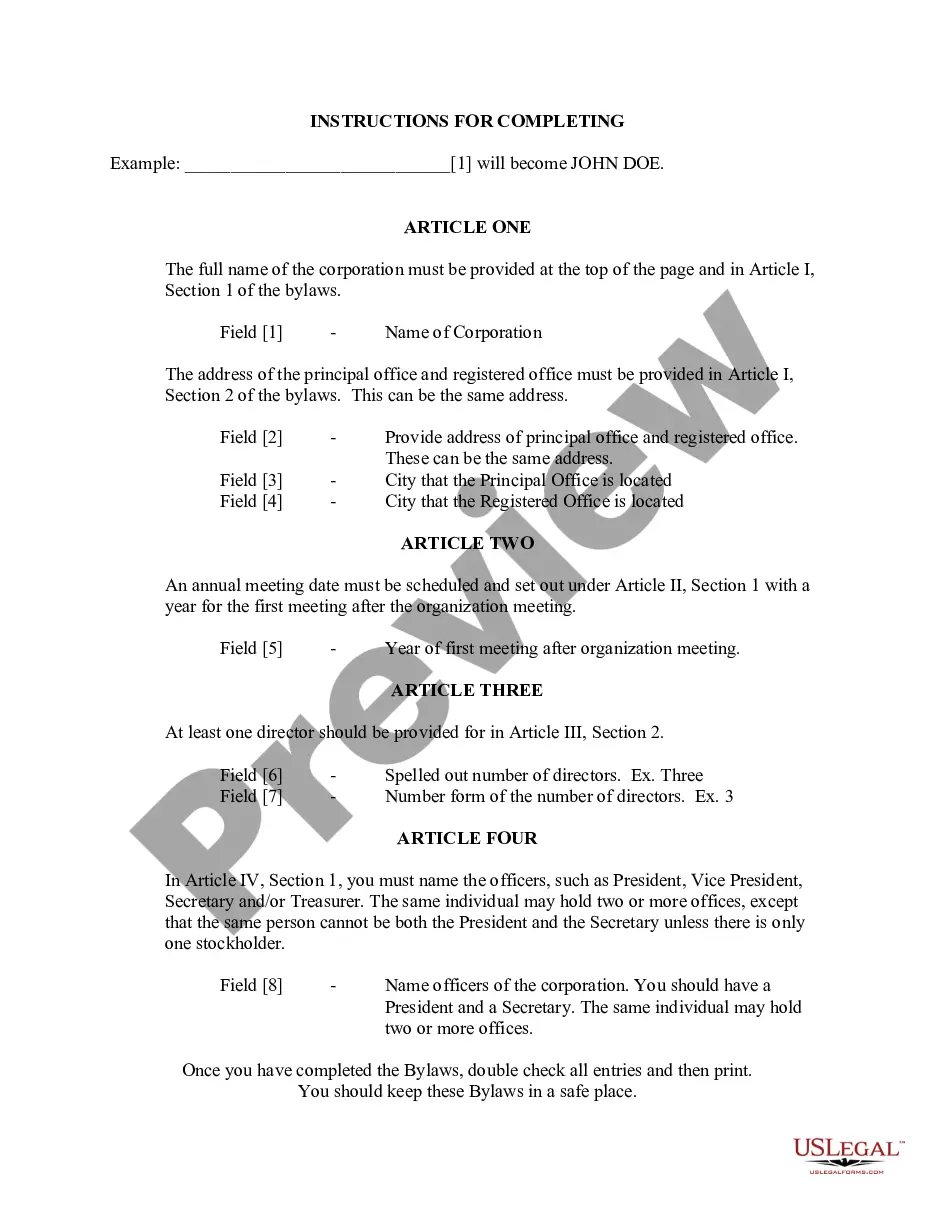
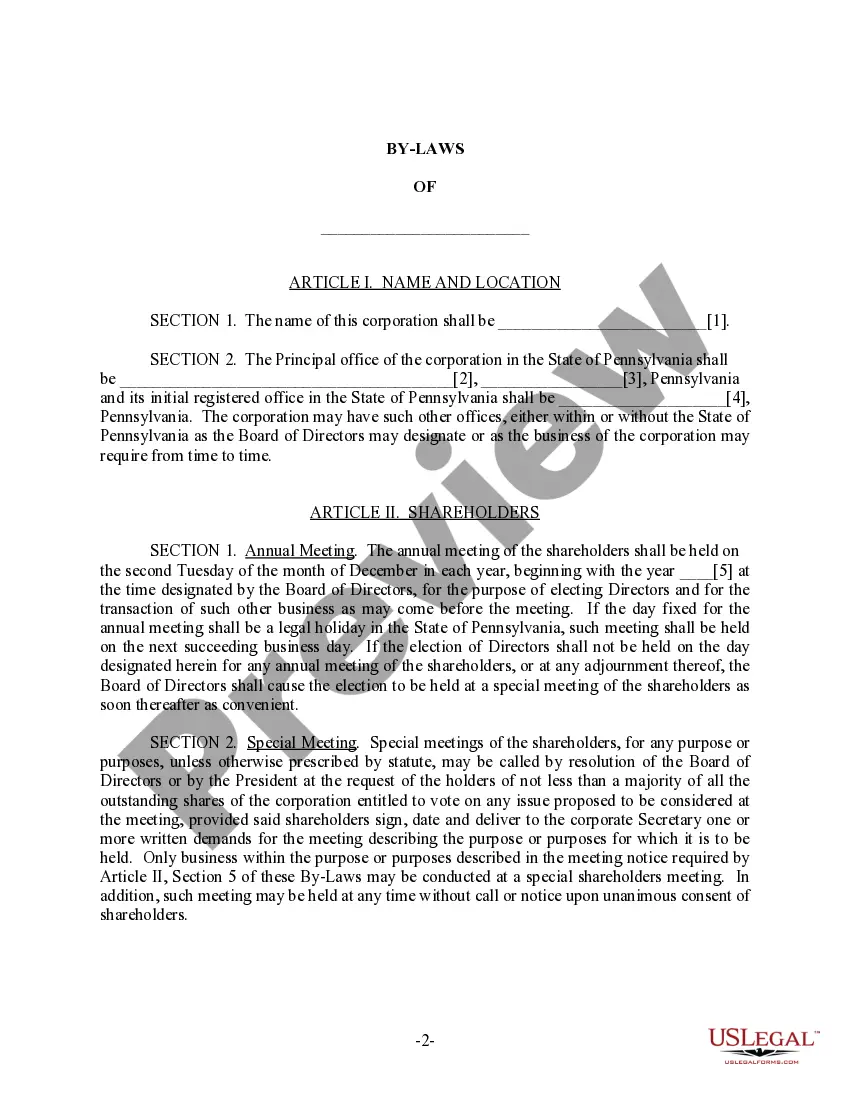
How to fill out Pennsylvania Bylaws For Corporation?
Utilizing legal document examples that adhere to federal and local regulations is essential, and the internet provides a multitude of choices to select from.
However, what is the benefit of spending time searching for the appropriate Pennsylvania Rules For Civil Procedure template online if the US Legal Forms digital library already houses such documents in one location.
US Legal Forms is the largest online legal repository featuring over 85,000 fillable documents created by attorneys for various professional and personal situations. They are easy to navigate with all files organized by state and intended use.
Find an alternate sample using the search feature at the top of the page if necessary. Click Buy Now once you’ve discovered the appropriate form and choose a subscription plan. Create an account or Log In and make a payment via PayPal or credit card. Select the appropriate format for your Pennsylvania Rules For Civil Procedure and download it. All documents accessed through US Legal Forms are reusable. To re-download and fill out previously saved forms, visit the My documents tab in your profile. Take advantage of the most comprehensive and user-friendly legal document service!
- Our specialists stay updated with legislative amendments, ensuring that your form is always current and compliant when obtaining a Pennsylvania Rules For Civil Procedure from our site.
- Acquiring a Pennsylvania Rules For Civil Procedure is straightforward and quick for both existing and new users.
- If you already have an account with an active subscription, Log In and save the document sample you require in the correct format.
- If you're new to our site, follow the steps below.
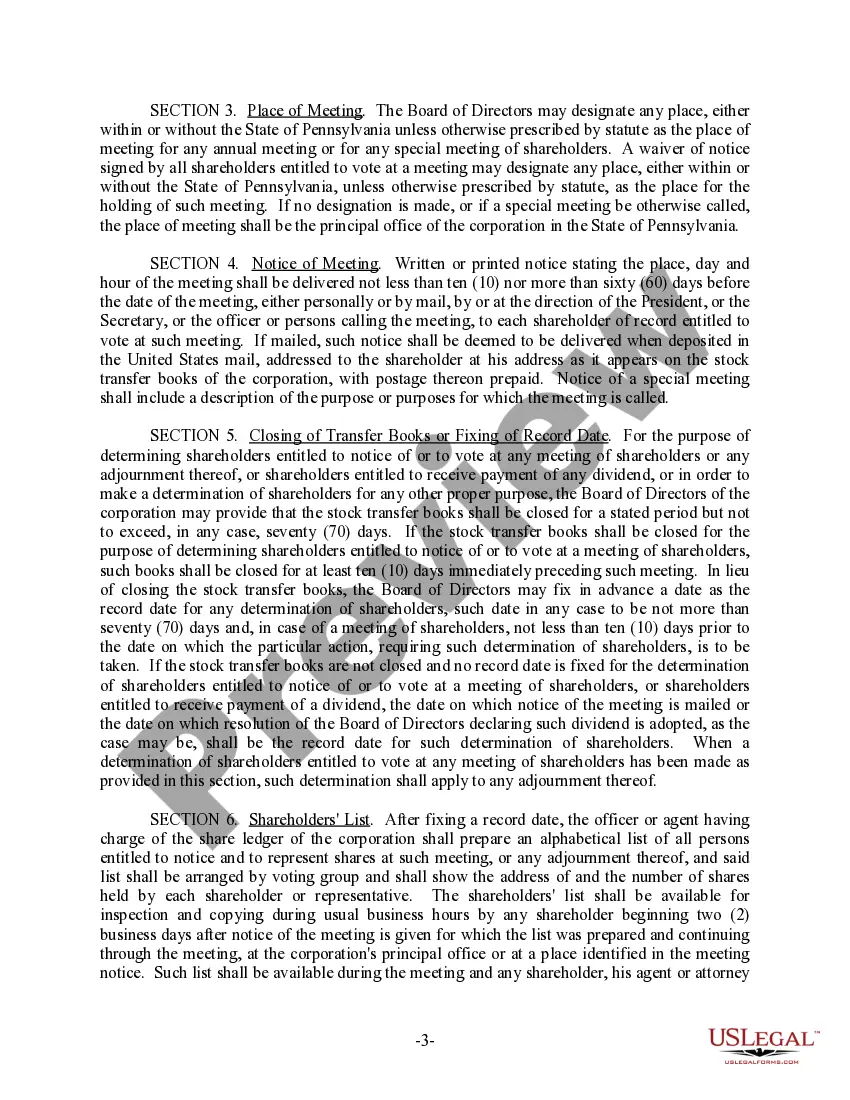
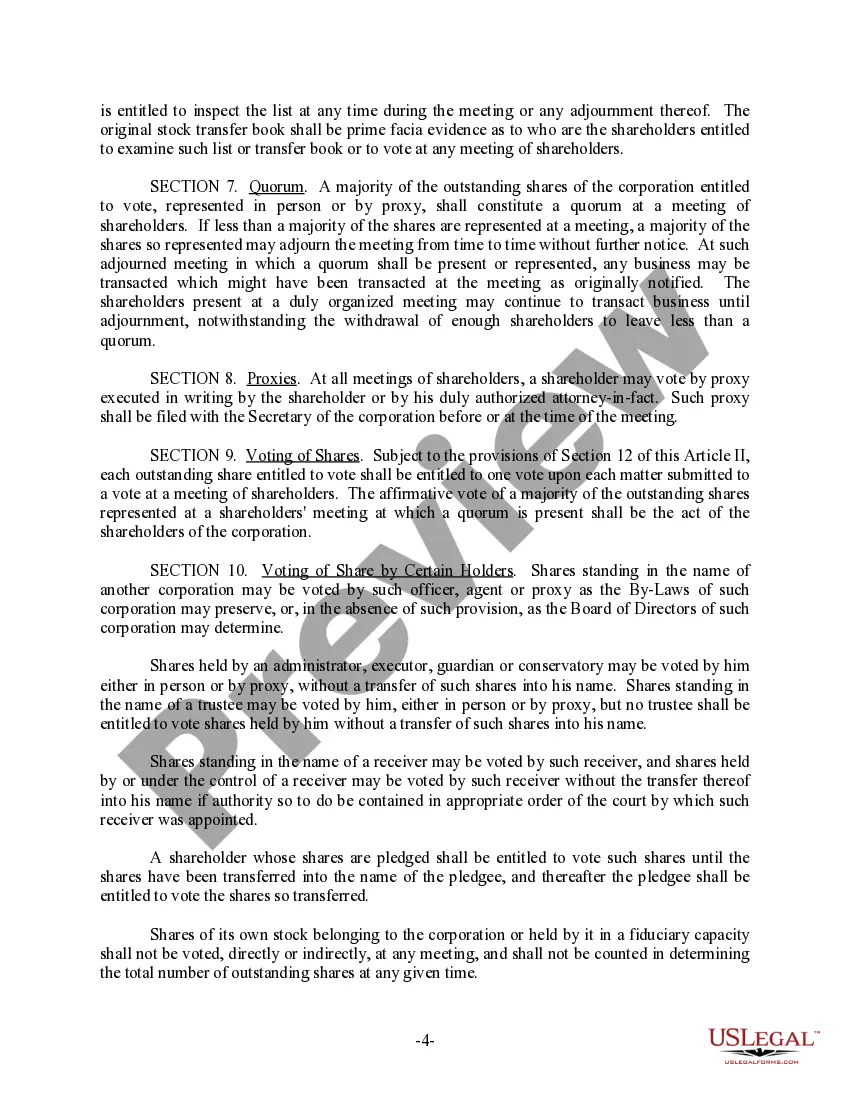
- Review the template using the Preview option or through the text outline to verify it satisfies your needs.
Form popularity
FAQ
The civil procedure rules are a set of guidelines that govern the conduct of civil litigation in Pennsylvania. These rules cover various aspects of civil cases, including filing, service of process, pleadings, and trial procedures. Understanding the Pennsylvania rules for civil procedure is essential for anyone involved in a civil case, as they dictate how legal matters are resolved in the state.
The Civil Procedure code was drafted by legal scholars and practitioners with the goal of standardizing legal processes. In Pennsylvania, the Supreme Court takes the lead in adopting and modifying this code, reflecting the state's legal landscape. This collaborative effort ensures that the Pennsylvania rules for civil procedure are comprehensive and applicable.
The rules of civil procedure in Pennsylvania are written by the Pennsylvania Supreme Court, with input from various legal experts and stakeholders. This process ensures that the rules reflect current legal practices and address the needs of the community. As a result, the Pennsylvania rules for civil procedure evolve to accommodate changes in society and law.
Serving process in Pennsylvania involves delivering legal documents to a party involved in a lawsuit. You can serve process personally, or through certified mail, or by using a process server. It is crucial to follow the Pennsylvania rules for civil procedure to ensure proper service, as any error can delay your case or affect its outcome.
To cite the Pennsylvania rules for civil procedure, you should follow the standard legal citation format. Typically, the citation includes the title of the rule, the source, and the specific section number. For example, you might cite it as 'Pa. R.C.P. 1001' for Rule 1001, ensuring clarity and proper reference in legal documents.
The federal rules of civil procedure are created by the Advisory Committee on Rules, which operates under the U.S. Supreme Court. This committee proposes changes and updates to the rules, which the Supreme Court then reviews. These rules set the standards for civil procedure in federal courts, complementing the Pennsylvania rules for civil procedure at the state level.
The Pennsylvania rules for civil procedure were established by the Pennsylvania Supreme Court. This court has the authority to create and amend these rules to ensure consistent legal processes across the state. These rules govern how civil cases are handled in Pennsylvania's court system, providing a framework for fair and efficient legal proceedings.
The rules of civil procedure are established by state supreme courts or legislative bodies, depending on the jurisdiction. In Pennsylvania, the Supreme Court plays a significant role in adopting and amending these rules to ensure fair legal processes. By understanding Pennsylvania rules for civil procedure, you can better prepare for your legal challenges. For assistance, consider using USLegalForms, which provides access to the latest rules and relevant forms.
Yes, each state has its own set of rules of civil procedure, tailored to its legal system and needs. While there are similarities across states, these rules can vary significantly in terms of processes, deadlines, and requirements. Understanding Pennsylvania rules for civil procedure is essential if you are involved in a legal matter in Pennsylvania. USLegalForms offers state-specific templates and guidance to help you navigate these rules effectively.
In Pennsylvania, the rule of civil procedure verification requires that certain documents filed in court are verified as true and accurate. This means that the party submitting the document must declare, under penalty of perjury, that the information provided is correct. This verification process is crucial for maintaining the integrity of legal proceedings under Pennsylvania rules for civil procedure. You can find helpful resources and templates on USLegalForms to ensure your documents meet these requirements.