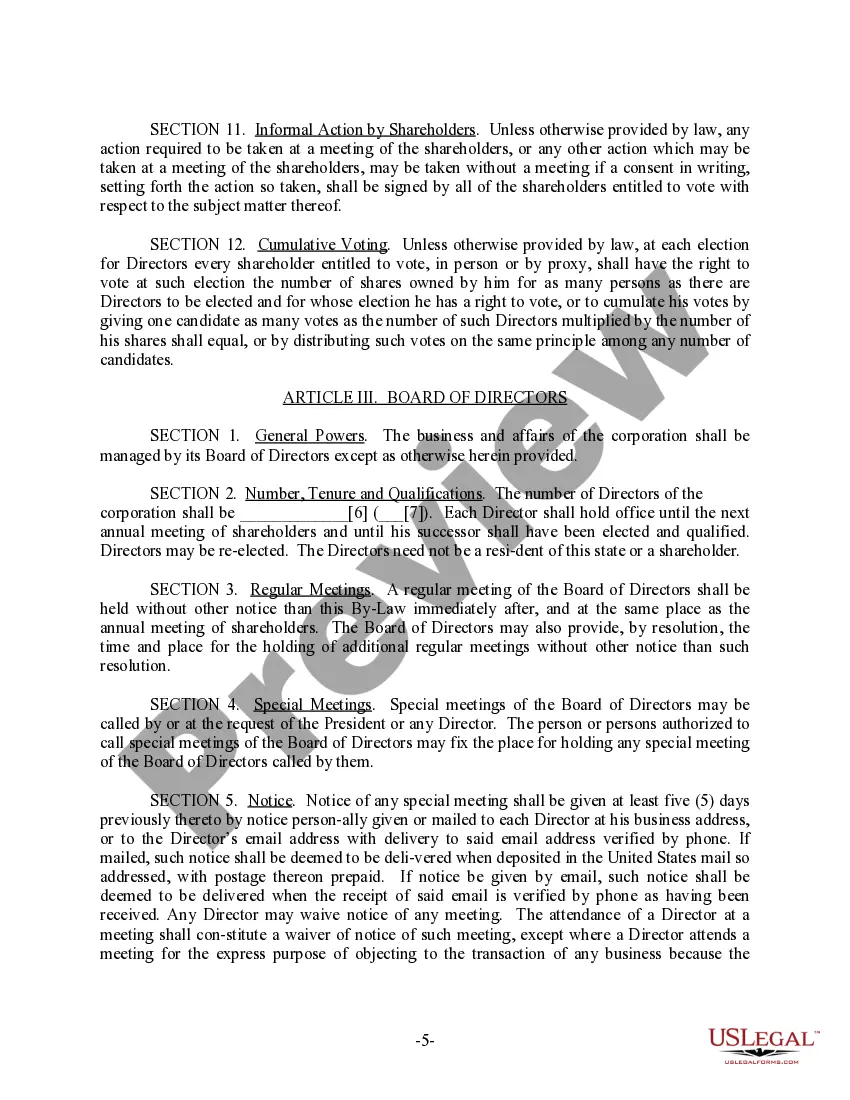
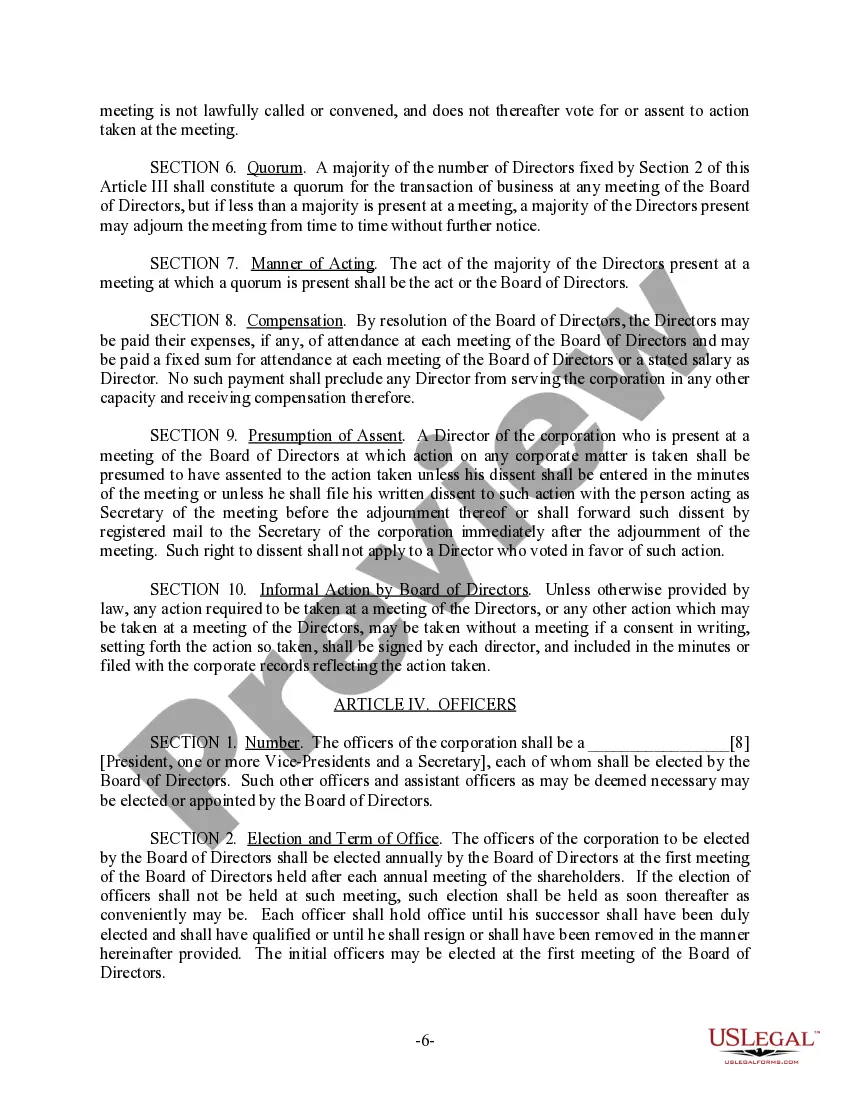
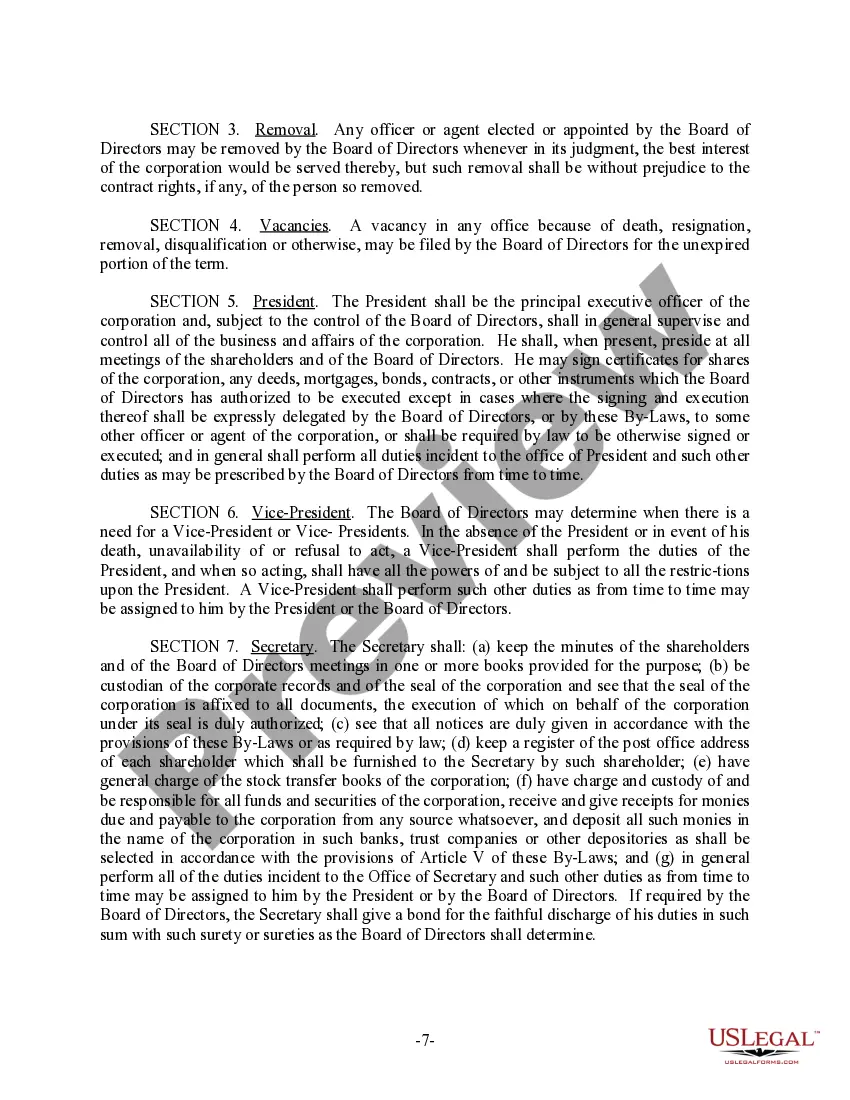
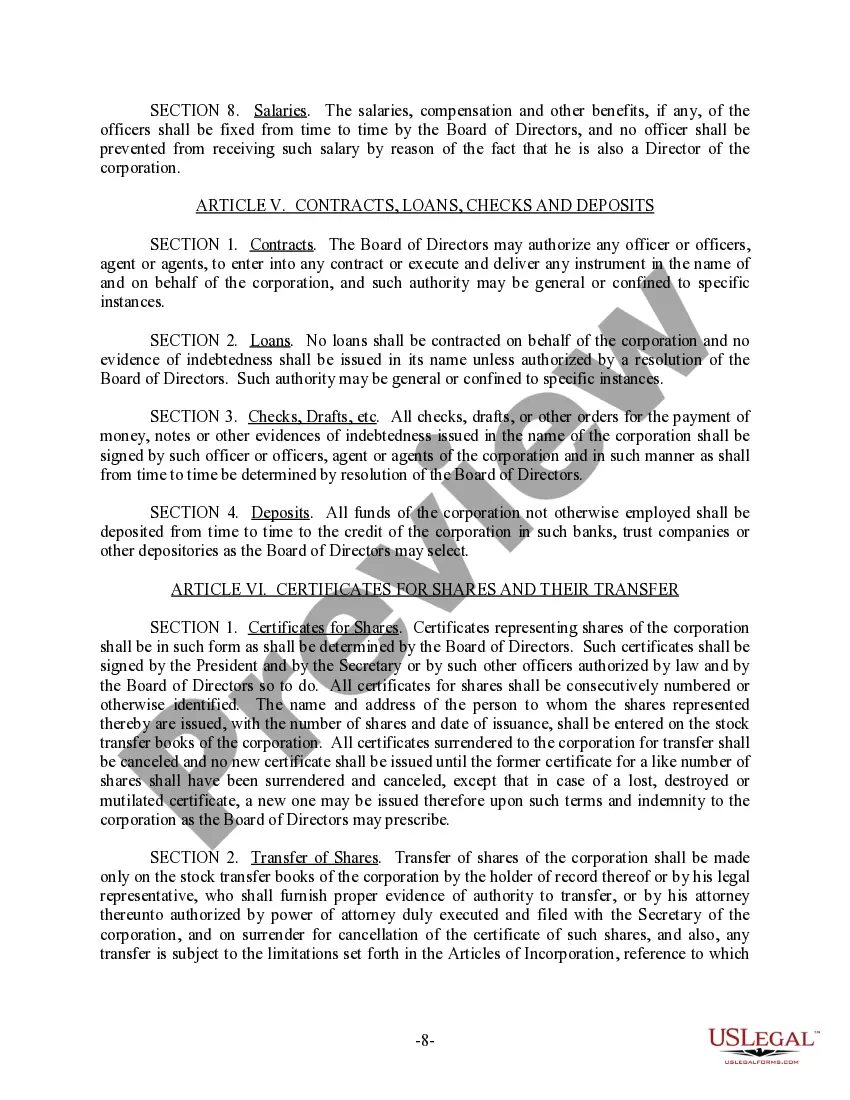
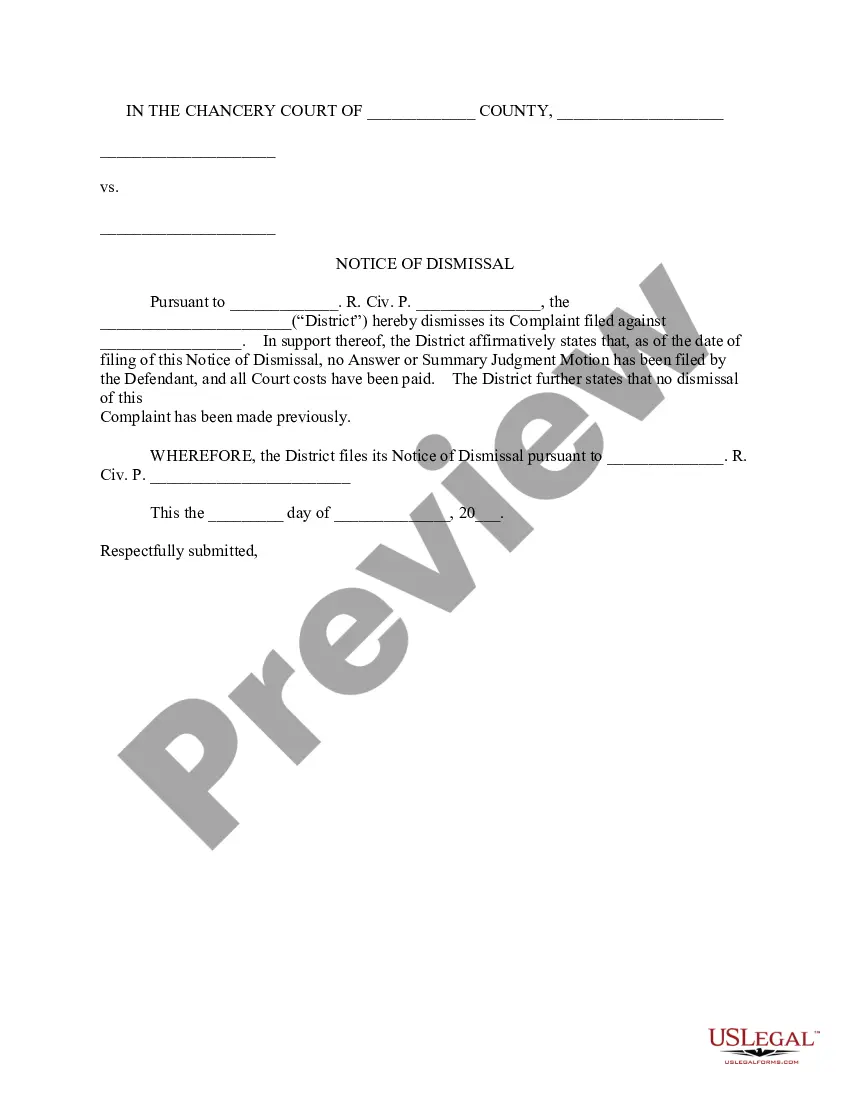
Pennsylvania Bylaws Withdraw Complaint
Description
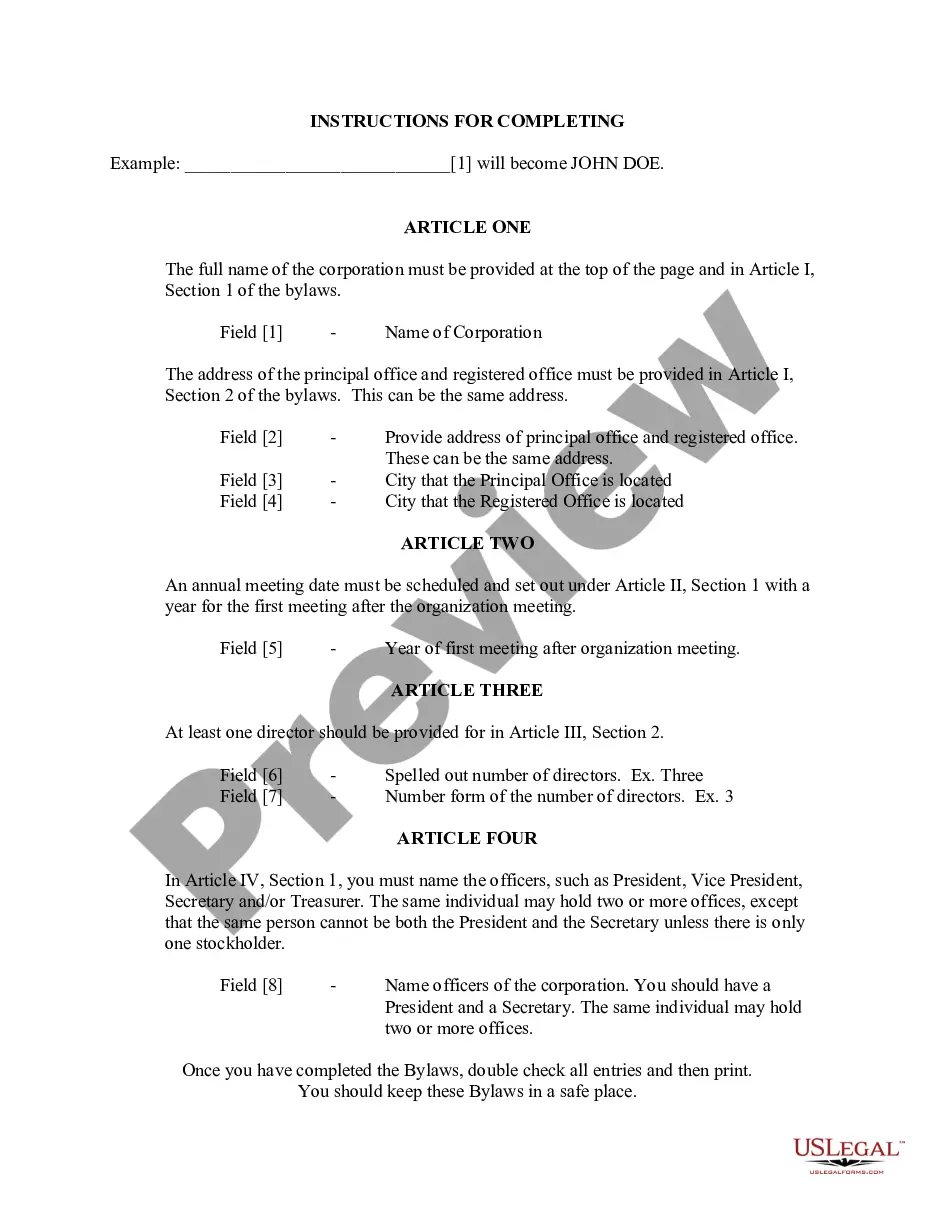
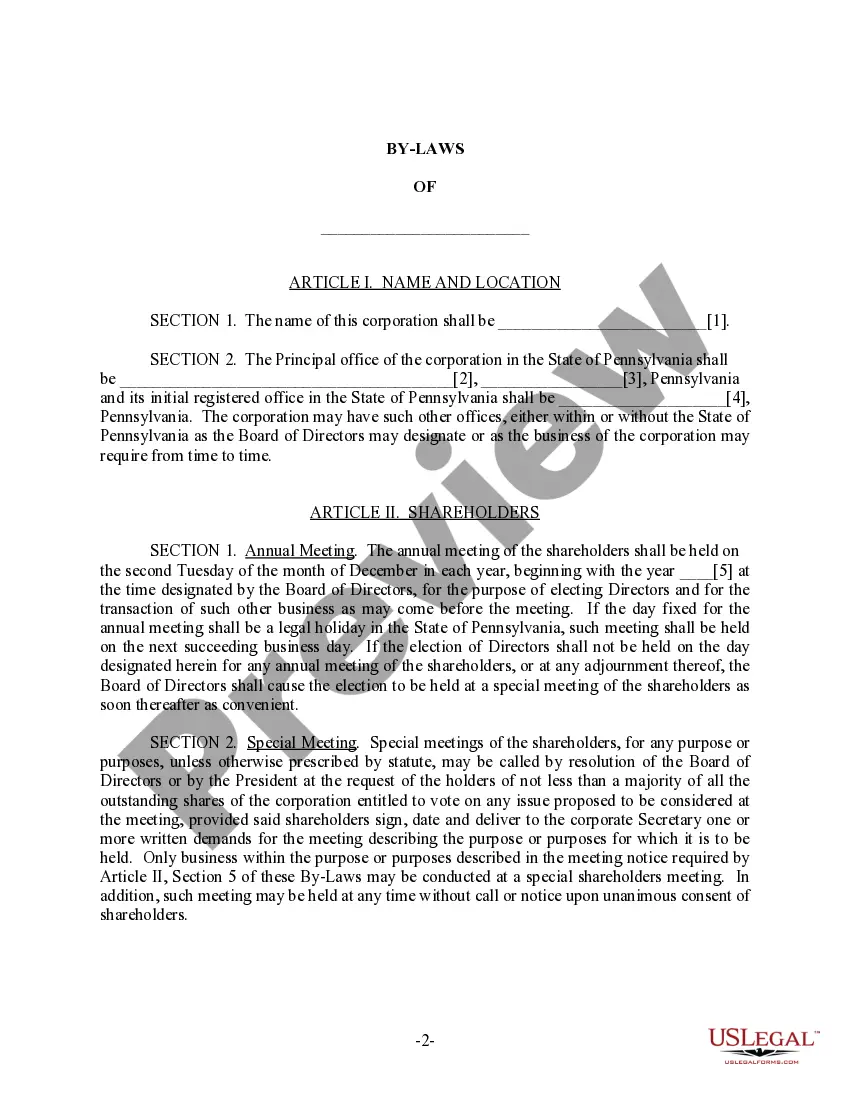
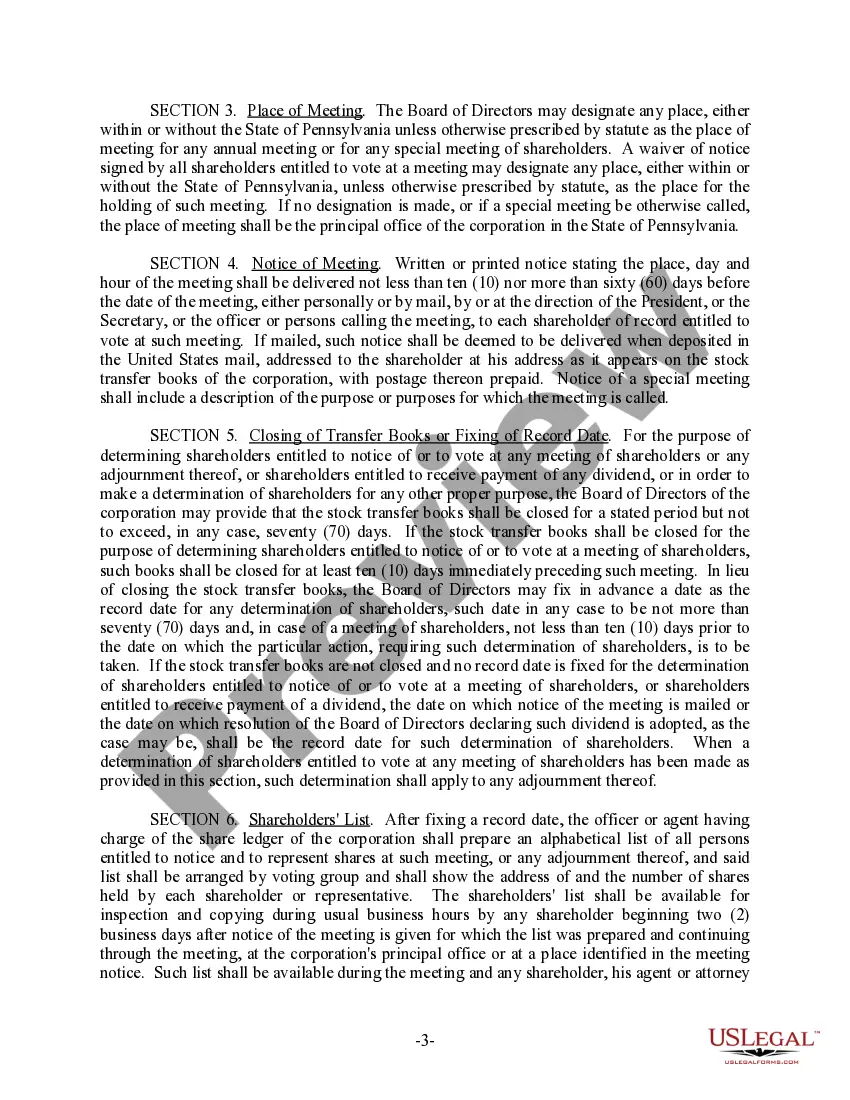
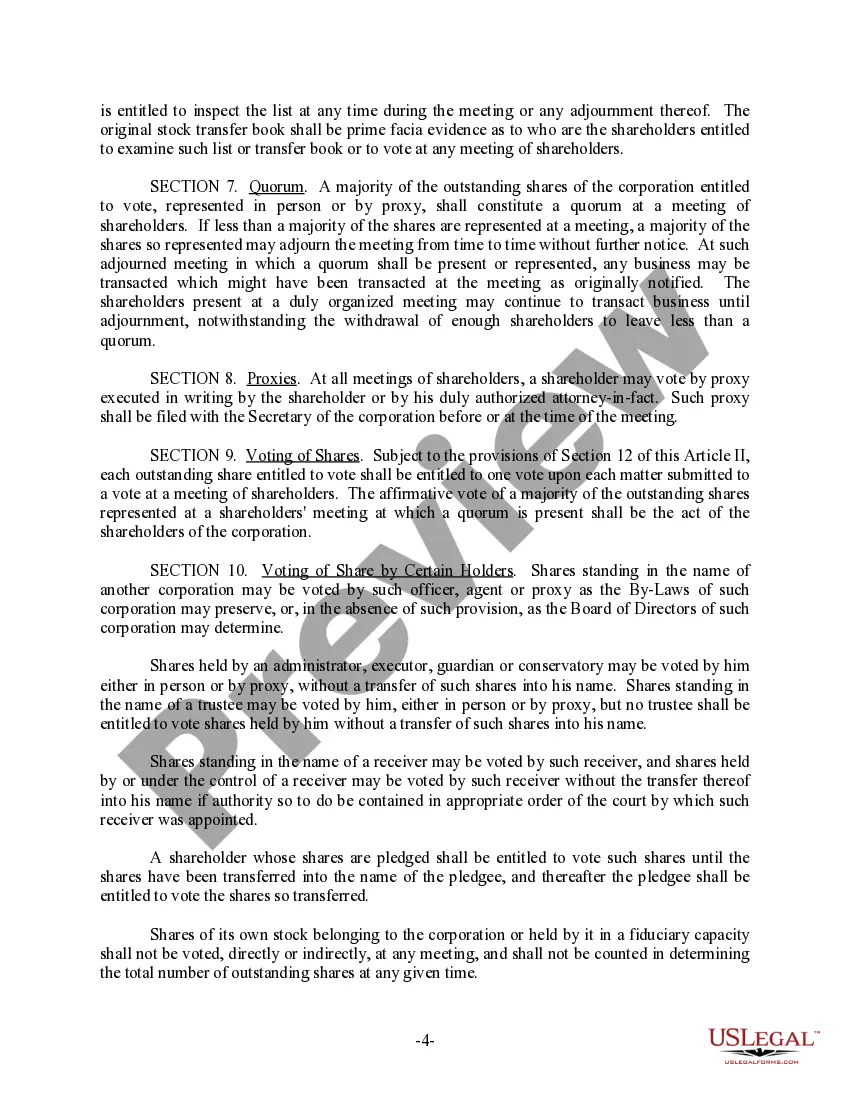

Get your form ready online
Our built-in tools help you complete, sign, share, and store your documents in one place.
Make edits, fill in missing information, and update formatting in US Legal Forms—just like you would in MS Word.
Download a copy, print it, send it by email, or mail it via USPS—whatever works best for your next step.
Sign and collect signatures with our SignNow integration. Send to multiple recipients, set reminders, and more. Go Premium to unlock E-Sign.
If this form requires notarization, complete it online through a secure video call—no need to meet a notary in person or wait for an appointment.
We protect your documents and personal data by following strict security and privacy standards.

Make edits, fill in missing information, and update formatting in US Legal Forms—just like you would in MS Word.

Download a copy, print it, send it by email, or mail it via USPS—whatever works best for your next step.

Sign and collect signatures with our SignNow integration. Send to multiple recipients, set reminders, and more. Go Premium to unlock E-Sign.

If this form requires notarization, complete it online through a secure video call—no need to meet a notary in person or wait for an appointment.

We protect your documents and personal data by following strict security and privacy standards.
Looking for another form?
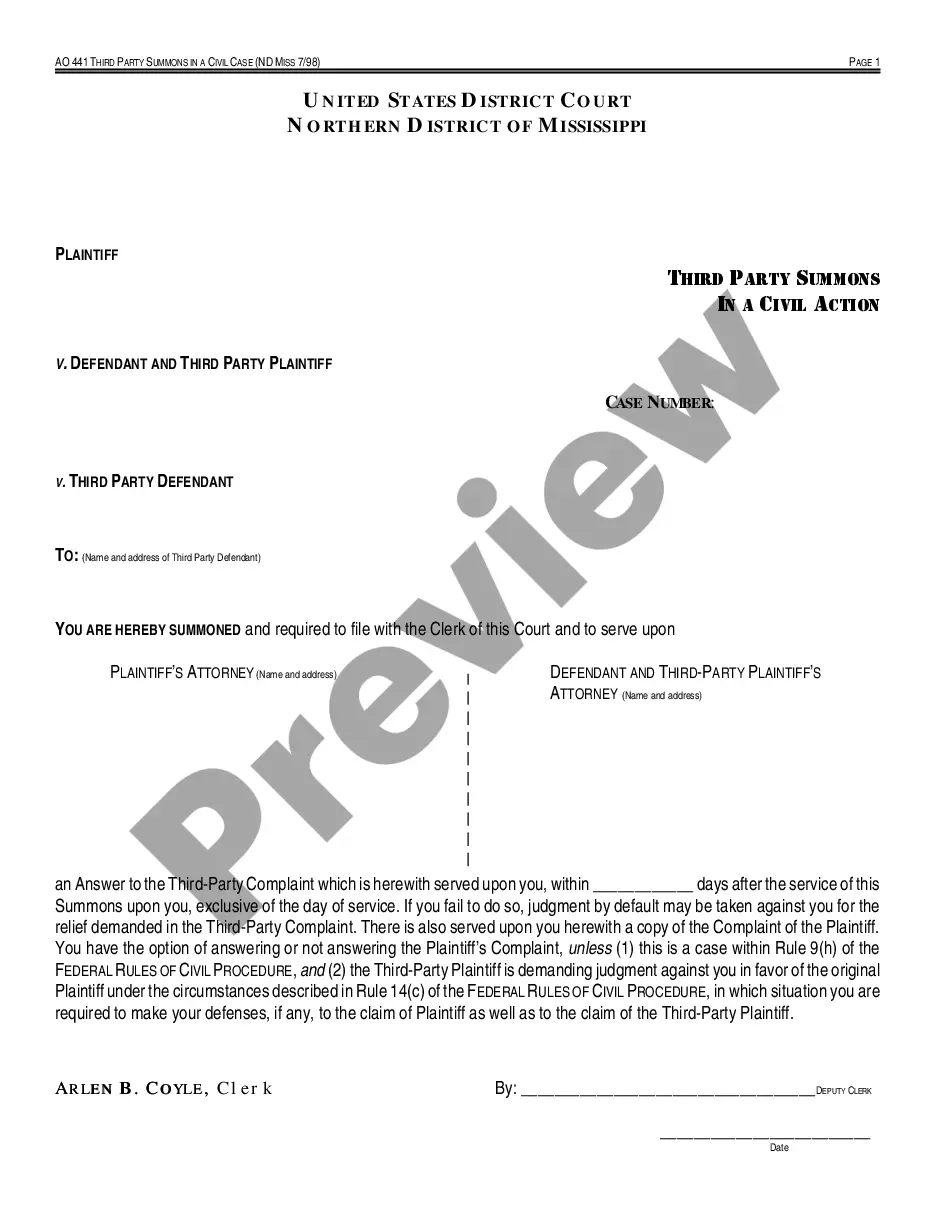

How to fill out Pennsylvania Bylaws For Corporation?
Regardless of whether it is for corporate reasons or personal matters, everyone must handle legal circumstances at some stage in their existence.
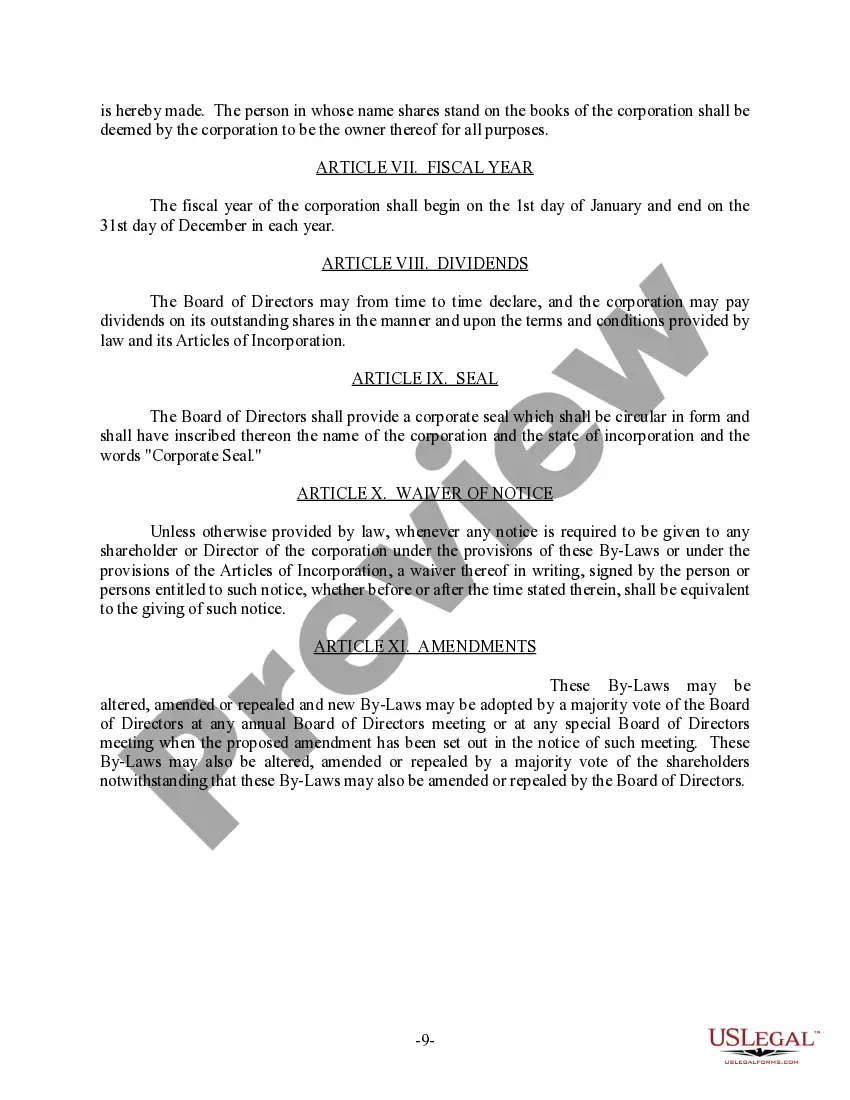
Filling out legal documents demands meticulous care, commencing with selecting the appropriate template. For example, if you choose an incorrect variant of a Pennsylvania Bylaws Withdraw Complaint, it will be rejected once you submit it. Hence, it is crucial to have a reliable source of legal paperwork like US Legal Forms.
With a vast US Legal Forms catalog available, you do not have to waste time hunting for the suitable template online. Utilize the library’s user-friendly navigation to find the correct form for any situation.
- Locate the template you require using the search bar or catalog browsing.
- Review the form’s description to ensure it aligns with your circumstances, state, and area.
- Click on the form’s preview to inspect it.
- If it is the wrong document, return to the search feature to find the Pennsylvania Bylaws Withdraw Complaint sample you need.
- Obtain the template when it meets your specifications.
- If you possess a US Legal Forms account, simply click Log in to access previously saved documents in My documents.
- If you do not yet have an account, you can acquire the form by clicking Buy now.
- Choose the suitable pricing option.
- Complete the account registration form.
- Select your payment method: you can use a credit card or PayPal account.
- Choose the file format you desire and download the Pennsylvania Bylaws Withdraw Complaint.
- Once it is saved, you can fill out the form using editing software or print it and complete it manually.
Form popularity
FAQ
Withdrawing a complaint means that the complainant decides to retract their allegations and discontinue the legal action. This action is formalized through a notice of withdrawal, which must meet Pennsylvania bylaws withdraw complaint requirements. It is important to understand the implications of this decision, as it may impact future legal options.
A complainant can withdraw a case by filing a notice of withdrawal with the court. This notice must comply with the Pennsylvania bylaws withdraw complaint rules to ensure it is accepted. It’s often beneficial to seek guidance from a legal expert to navigate this process smoothly.
In Pennsylvania, you generally have 20 days to respond to a complaint after it has been served. This time frame is critical, as not responding can lead to a default judgment against you. Understanding the timeline is important, especially if you are considering the option to withdraw a complaint.
Yes, a complaint can be withdrawn in Pennsylvania, and this is often done voluntarily by the complainant. The withdrawal process must adhere to specific Pennsylvania bylaws withdraw complaint procedures to be valid. Ensuring you follow the correct steps is essential for a smooth withdrawal.
A complaint can be dismissed on various grounds, including lack of jurisdiction, failure to state a claim, or if the issue has been resolved. Additionally, if the complainant decides to withdraw the complaint, this can lead to dismissal. Familiarity with the Pennsylvania bylaws withdraw complaint process can help clarify these grounds further.
Yes, you can withdraw a complaint in Pennsylvania under certain conditions. The withdrawal must typically follow the guidelines set by the Pennsylvania bylaws withdraw complaint rules. It is advisable to consult with a legal professional to ensure that the withdrawal is executed properly and does not affect your case negatively.
Rule 1037 in Pennsylvania outlines the procedures for withdrawing a complaint. It specifies how a party can file a notice of withdrawal, ensuring the process is clear and efficient. Understanding this rule is crucial for anyone dealing with Pennsylvania bylaws withdraw complaint scenarios, as it provides a formal framework for withdrawal.
Rule 237.5 outlines the requirements for withdrawing a complaint in Pennsylvania. This rule ensures that both parties are informed and that there is no confusion regarding the status of the case. Understanding this rule is crucial if you are considering a withdrawal. For comprehensive guidance, US Legal Forms provides resources that clarify these legal procedures.
Yes, you can withdraw your complaint under Pennsylvania bylaws. This process allows you to take back your case before it goes to court. However, there are specific procedures you must follow to ensure your withdrawal is valid. Utilizing platforms like US Legal Forms can help you navigate this process smoothly.
To answer a complaint in Pennsylvania, start by drafting a formal response that addresses each point made in the original complaint. Be sure to include any defenses or counterclaims you wish to assert. Once your answer is prepared, file it with the court and serve a copy to the other party involved. If you need assistance, USLegalForms offers helpful resources to navigate this process, ensuring you understand the implications of Pennsylvania bylaws withdraw complaint and how to properly respond.