Notice Period For Rent Increase
Description

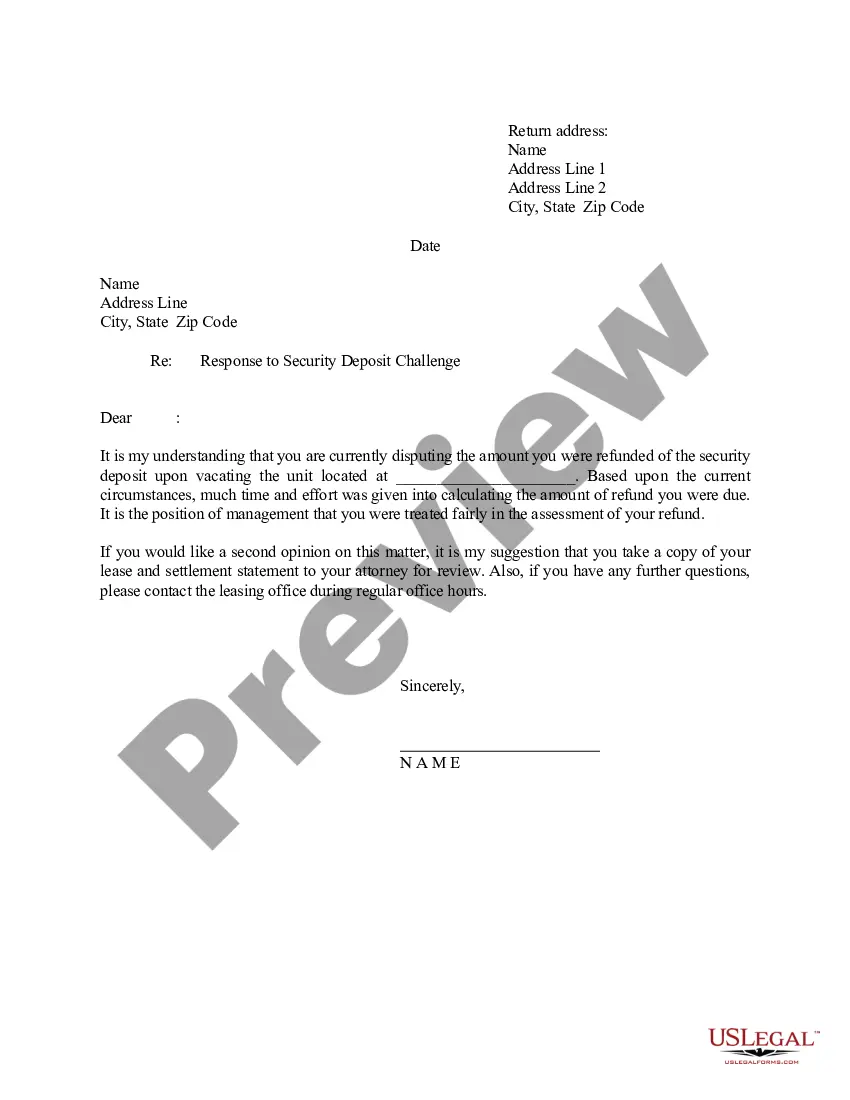
Get your form ready online
Our built-in tools help you complete, sign, share, and store your documents in one place.
Make edits, fill in missing information, and update formatting in US Legal Forms—just like you would in MS Word.
Download a copy, print it, send it by email, or mail it via USPS—whatever works best for your next step.
Sign and collect signatures with our SignNow integration. Send to multiple recipients, set reminders, and more. Go Premium to unlock E-Sign.
If this form requires notarization, complete it online through a secure video call—no need to meet a notary in person or wait for an appointment.
We protect your documents and personal data by following strict security and privacy standards.

Make edits, fill in missing information, and update formatting in US Legal Forms—just like you would in MS Word.

Download a copy, print it, send it by email, or mail it via USPS—whatever works best for your next step.

Sign and collect signatures with our SignNow integration. Send to multiple recipients, set reminders, and more. Go Premium to unlock E-Sign.

If this form requires notarization, complete it online through a secure video call—no need to meet a notary in person or wait for an appointment.

We protect your documents and personal data by following strict security and privacy standards.
Looking for another form?
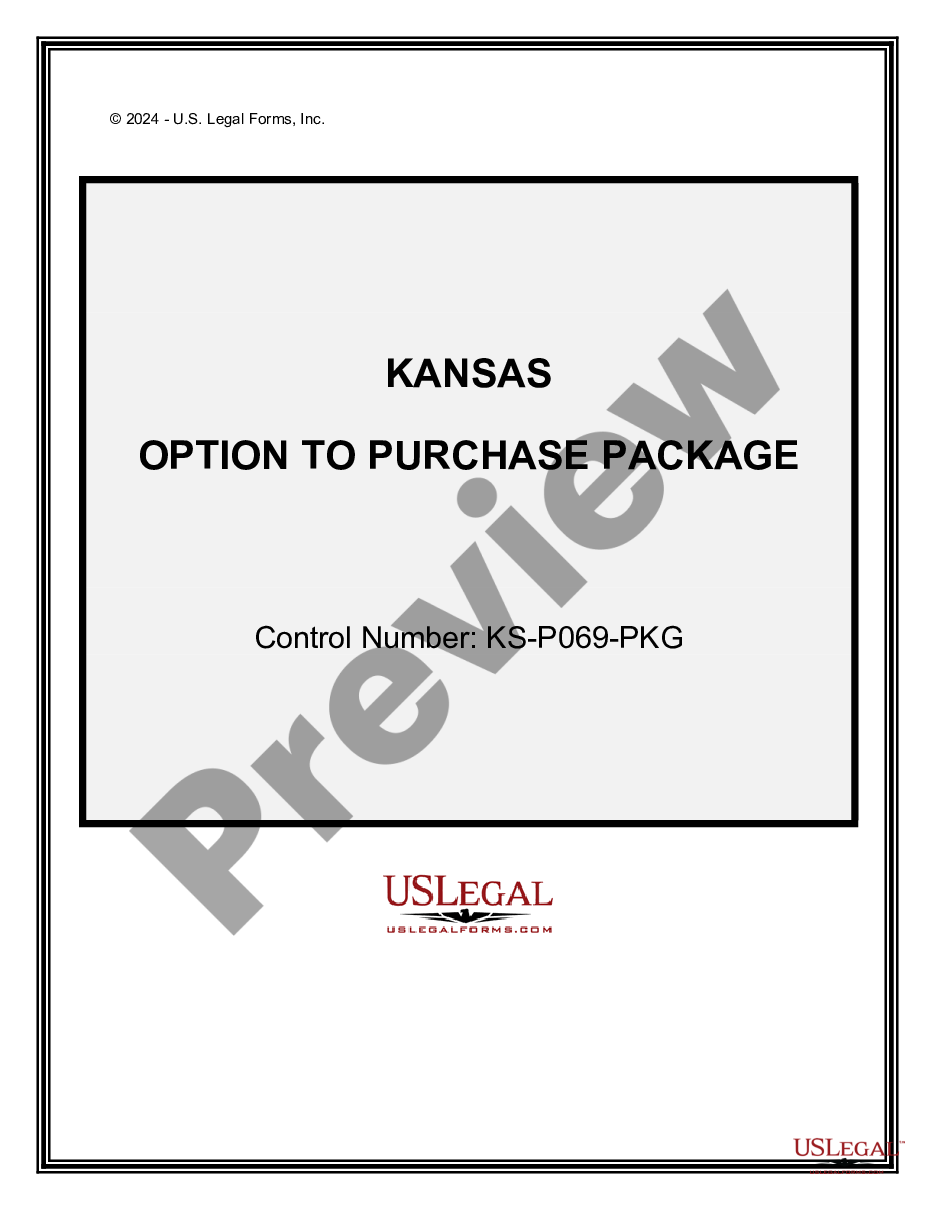

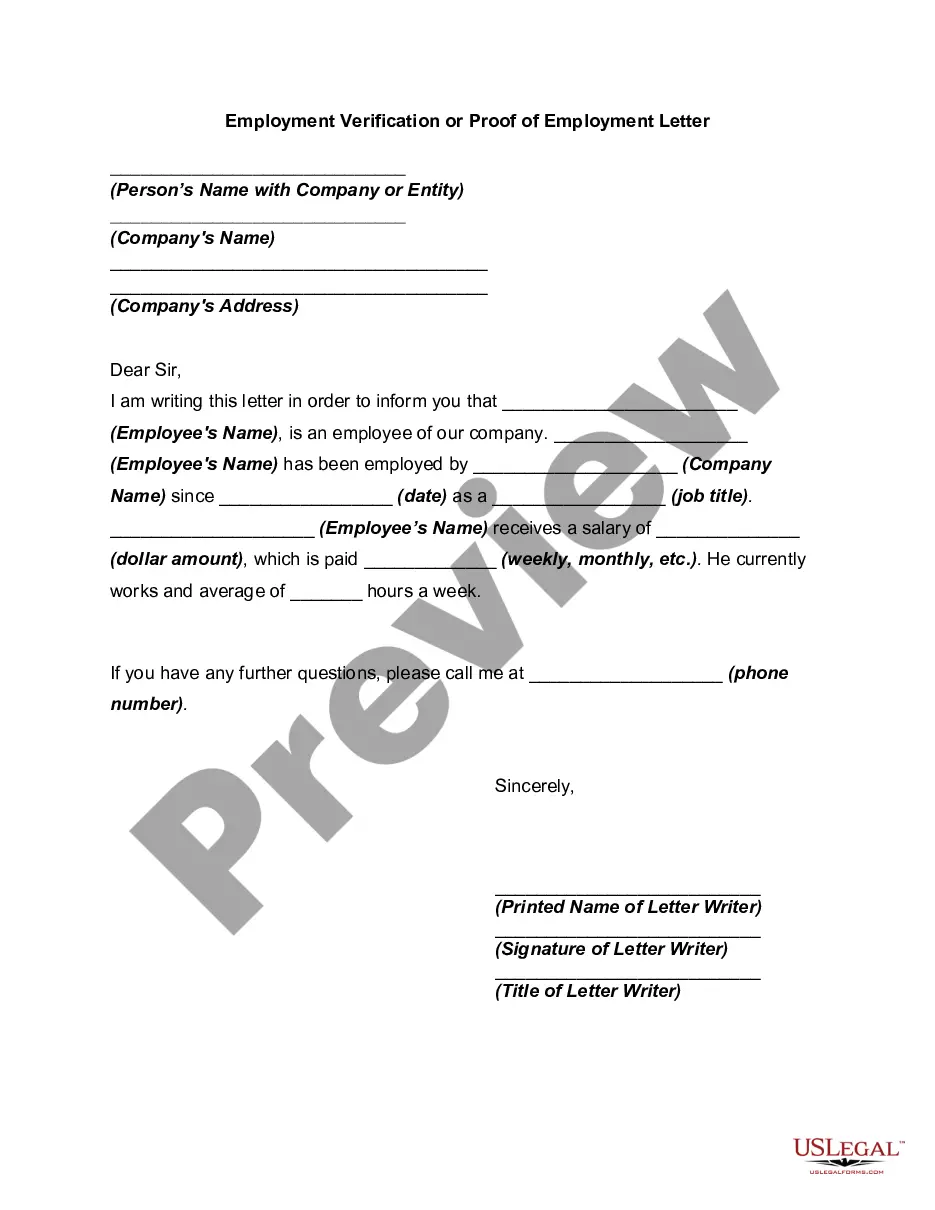
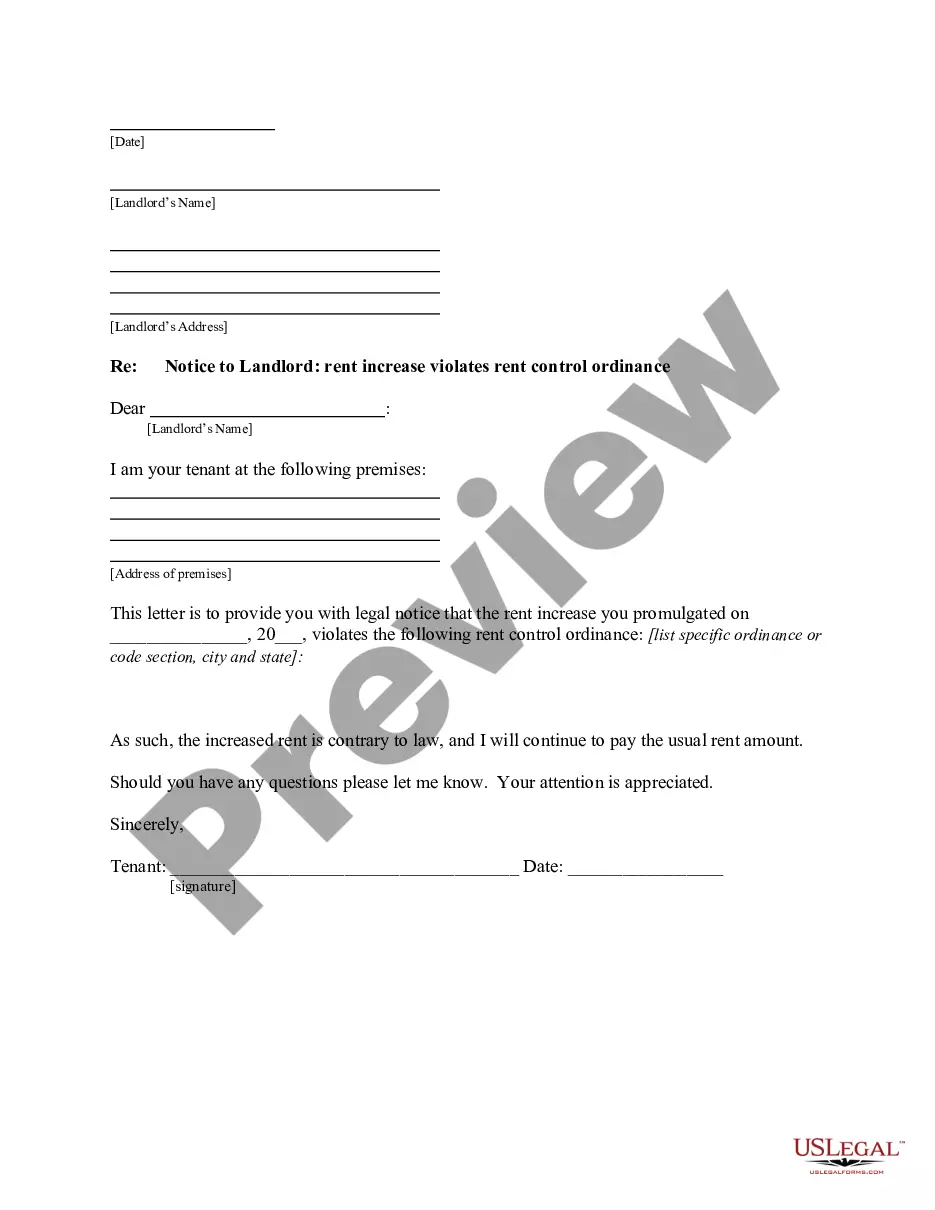
How to fill out New York Letter From Tenant To Landlord Containing Notice To Landlord To Withdraw Improper Rent Increase Due To Violation Of Rent Control Ordinance?
- If you’re a returning user, log in to your account and download the necessary template by clicking the Download button. Ensure your subscription is active; renew if necessary.
- For new users, begin by reviewing the form preview and description to confirm it meets your specific needs and complies with local regulations.
- Use the search feature to find alternative templates if your initial choice doesn’t match your requirements.
- Proceed to purchase the desired document by clicking the Buy Now button and selecting your subscription plan. An account registration will be required to access the library.
- Complete the transaction by entering your credit card information or using your PayPal account.
- Download the completed form to your device and access it anytime later via the My Forms section of your profile.
With US Legal Forms, you benefit from a vast collection of over 85,000 legal documents tailored to various needs, guaranteeing access to a robust array of options.
Ensure your legal documents are accurate and compliant by leveraging our premium expert assistance. Start using US Legal Forms today to simplify your legal processes!
Form popularity
FAQ
In New York, rent increase laws vary based on the type of rental agreement and property. Generally, a landlord must notify tenants ahead of any rent increase, often requiring a notice period for rent increase as mandated by law. For example, non-stabilized units may have fewer restrictions, while rent-stabilized units are protected under strict guidelines. For comprehensive insights and resources, US Legal Forms can guide you through this complex landscape effectively.
In New York, the amount a landlord can raise your rent depends on various factors, including whether the building is rent-stabilized or not. For rent-stabilized apartments, landlords can only increase the rent by a specific percentage set annually by the Rent Guidelines Board. It is crucial to provide a notice period for rent increase, typically 30 days, which allows tenants time to adjust. Understanding these regulations helps you navigate your rental situation more effectively.
Currently, there is no statewide cap on rent increases in Florida. However, landlords must still provide a notice period for rent increase based on the terms of the lease agreement. It's important for landlords to stay aware of any changes in laws or proposed legislation that may affect rental practices in their area. For comprehensive guidance, consider using platforms like US Legal Forms, which provide resources and templates to help landlords navigate these regulations.
Florida law does not impose a statewide limit on how much a landlord can raise rent; however, landlords must provide a reasonable notice period for rent increase. Landlords should be aware that significant increases could lead to tenant turnover or disputes. To avoid complications, it's beneficial to stay informed about local laws and market rates when considering a rent increase.
It is legal for a landlord to raise rent by $500 in Florida, but it must adhere to the notice period for rent increase established in the rental agreement. If the rent increase is substantial, such as $500, it is crucial to ensure that tenants receive the correct notice to avoid disputes. Moreover, local laws may impose additional regulations that landlords should consider before implementing such an increase.
Yes, a landlord can raise the rent by 20% in Florida, but specific conditions apply. Florida law requires landlords to provide a proper notice period for rent increase, typically outlined in the lease agreement. Additionally, any increase must be communicated clearly and in writing to the tenant. It’s wise to consult the lease terms and ensure compliance with state regulations.
Yes, New York State enforces limitations on how much rent can increase, particularly for rent-regulated apartments. Each year, the Rent Guidelines Board determines allowable increases, and landlords must adhere to these limits while providing a proper notice period for rent increase. This policy protects tenants from unreasonable hikes, fostering a fair rental market.
In New York, the most a landlord can raise rent depends on various factors, including the type of rental agreement and city regulations. Landlords must also follow the appropriate notice period for rent increase to ensure compliance with legal standards. Tenants benefit from knowing these regulations, as they can advocate for their rights when faced with abrupt or unjust rent changes.
If a landlord fails to provide a 30-day notice for a rent increase, they may face legal consequences, including potential disputes with tenants. A proper notice period for rent increase is essential to keep the landlord-tenant relationship transparent. It’s advisable for landlords to refer to their local laws, as neglecting this requirement can complicate rent collection and eviction processes.
The highest percentage a landlord can raise rent in New York typically depends on whether the property is rent stabilized or not. For rent-stabilized units, the Rent Guidelines Board sets limits that landlords must follow. It is crucial for landlords to observe the notice period for rent increase, ensuring they inform tenants of any changes within the specific timelines outlined by law.