Asset Protection For Brokerage Accounts
Description

Get your form ready online
Our built-in tools help you complete, sign, share, and store your documents in one place.
Make edits, fill in missing information, and update formatting in US Legal Forms—just like you would in MS Word.
Download a copy, print it, send it by email, or mail it via USPS—whatever works best for your next step.
Sign and collect signatures with our SignNow integration. Send to multiple recipients, set reminders, and more. Go Premium to unlock E-Sign.
If this form requires notarization, complete it online through a secure video call—no need to meet a notary in person or wait for an appointment.
We protect your documents and personal data by following strict security and privacy standards.
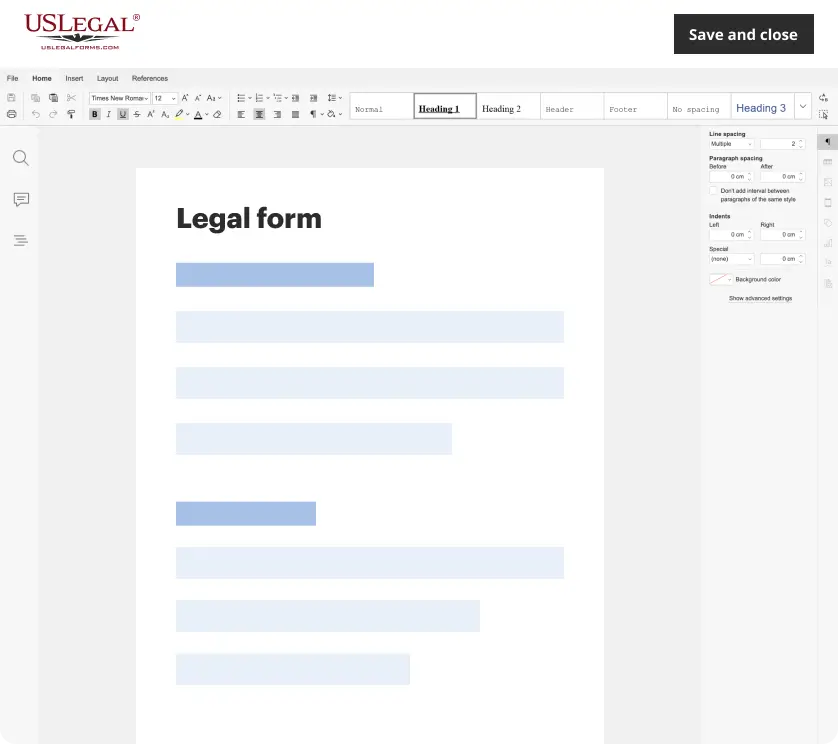
Make edits, fill in missing information, and update formatting in US Legal Forms—just like you would in MS Word.
Download a copy, print it, send it by email, or mail it via USPS—whatever works best for your next step.
Sign and collect signatures with our SignNow integration. Send to multiple recipients, set reminders, and more. Go Premium to unlock E-Sign.

If this form requires notarization, complete it online through a secure video call—no need to meet a notary in person or wait for an appointment.
We protect your documents and personal data by following strict security and privacy standards.
Looking for another form?

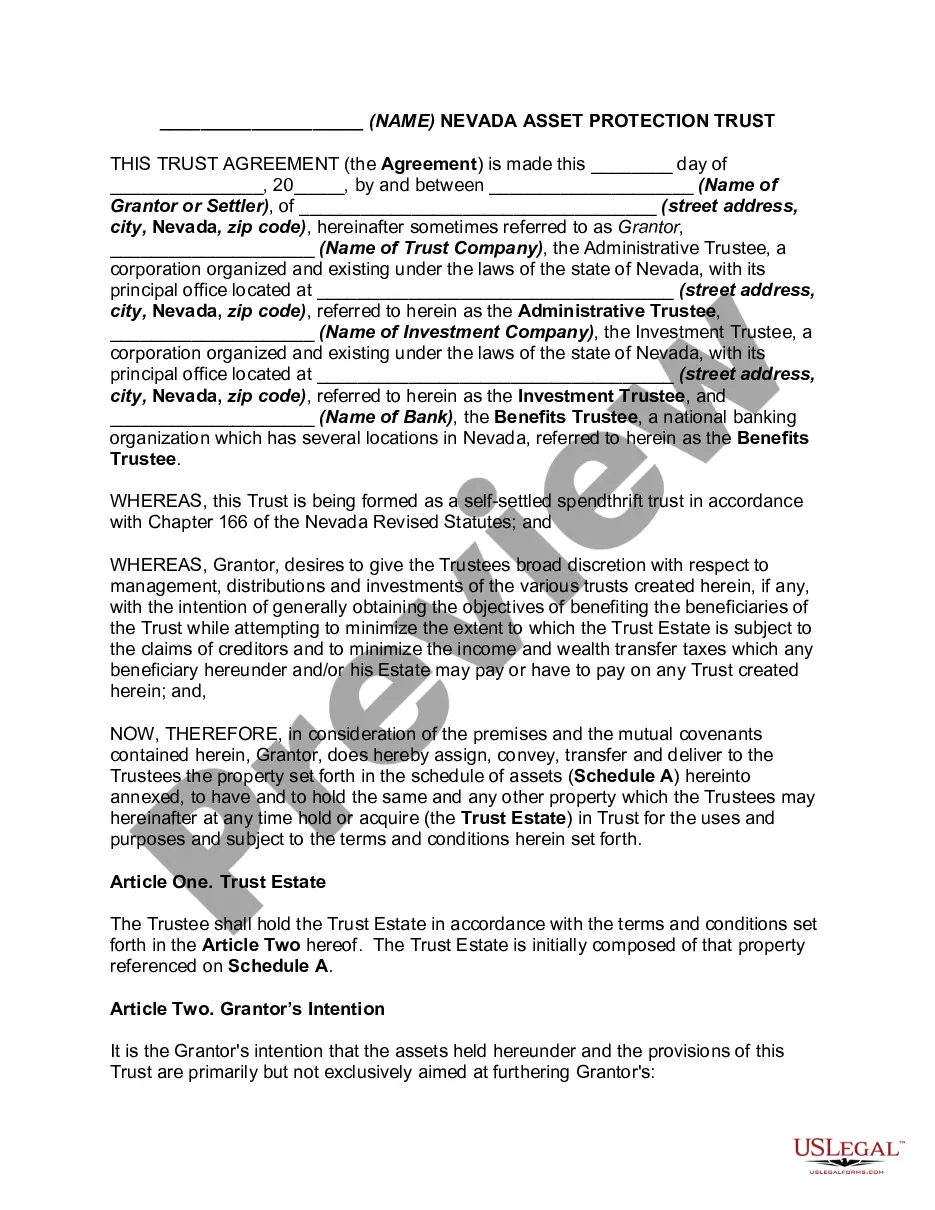
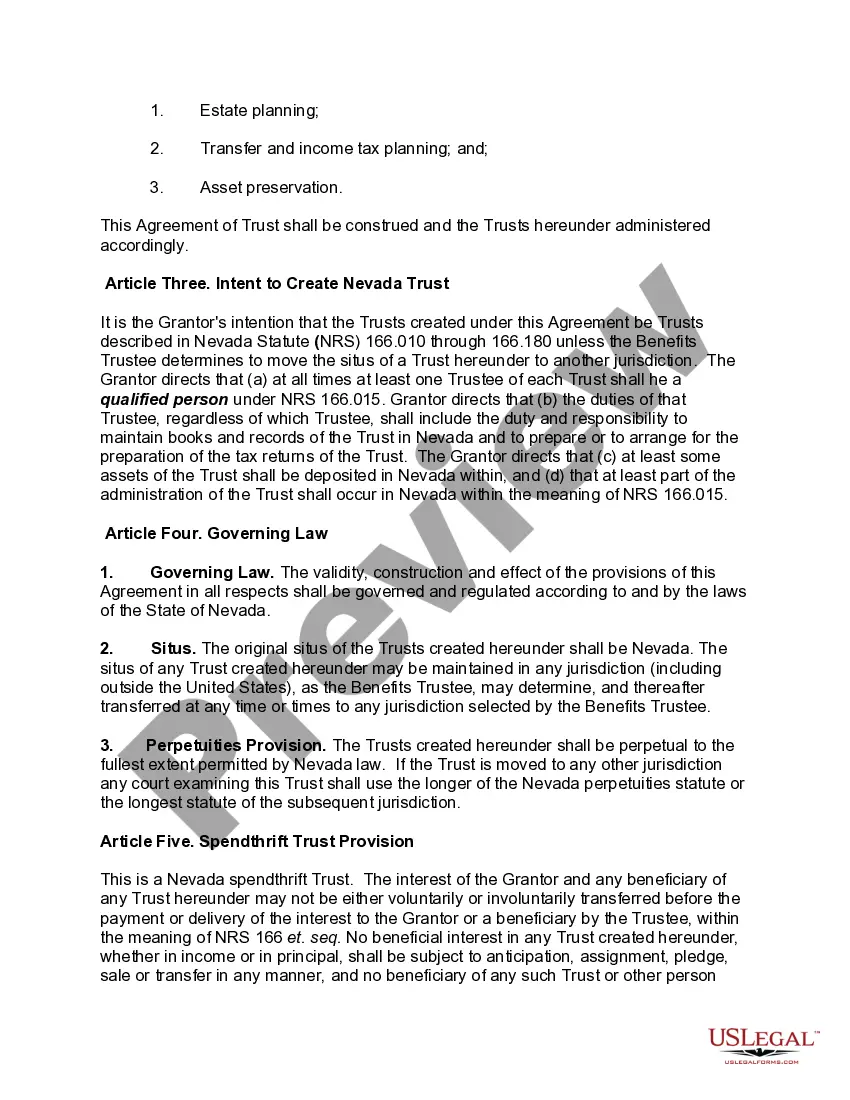
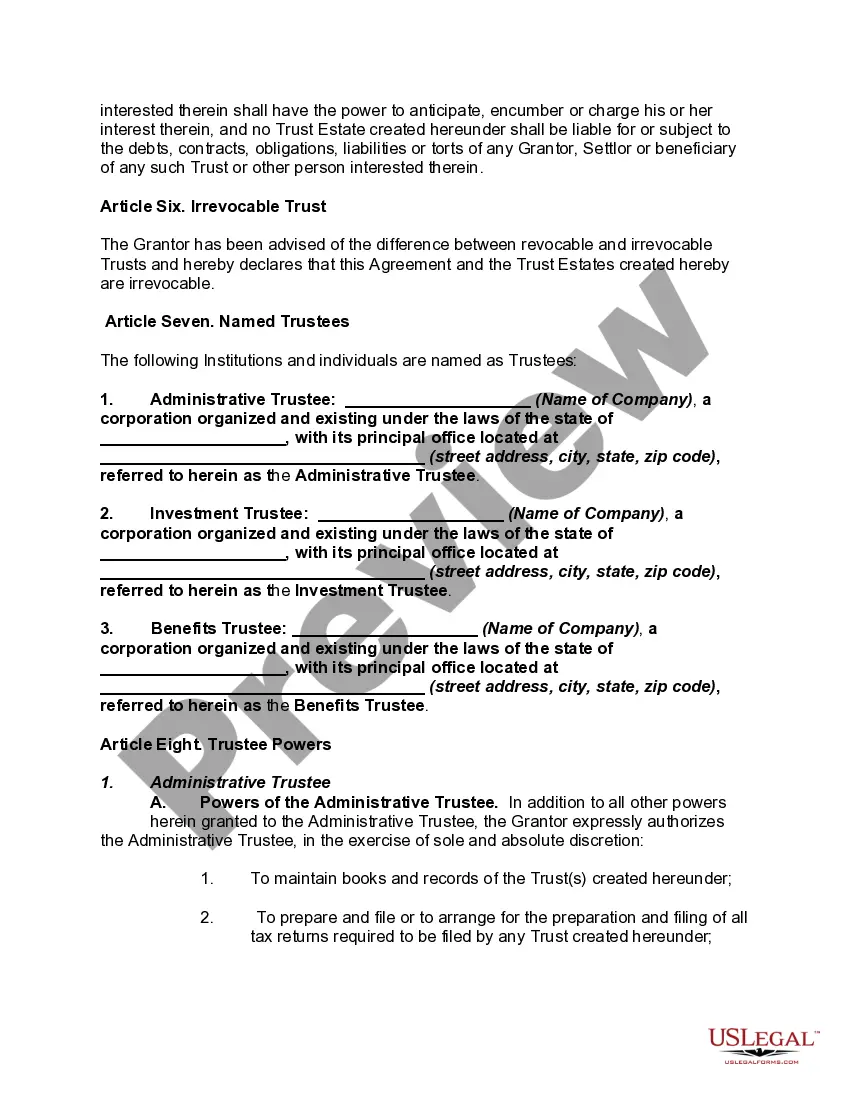
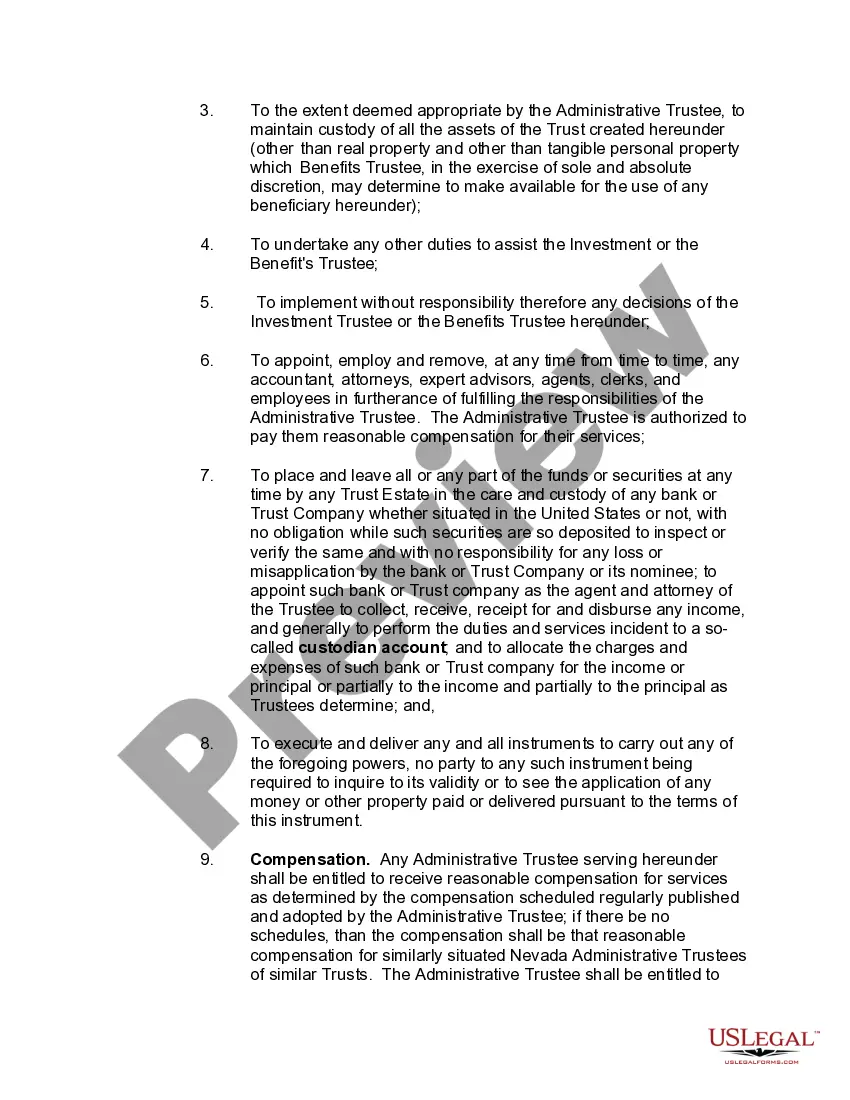
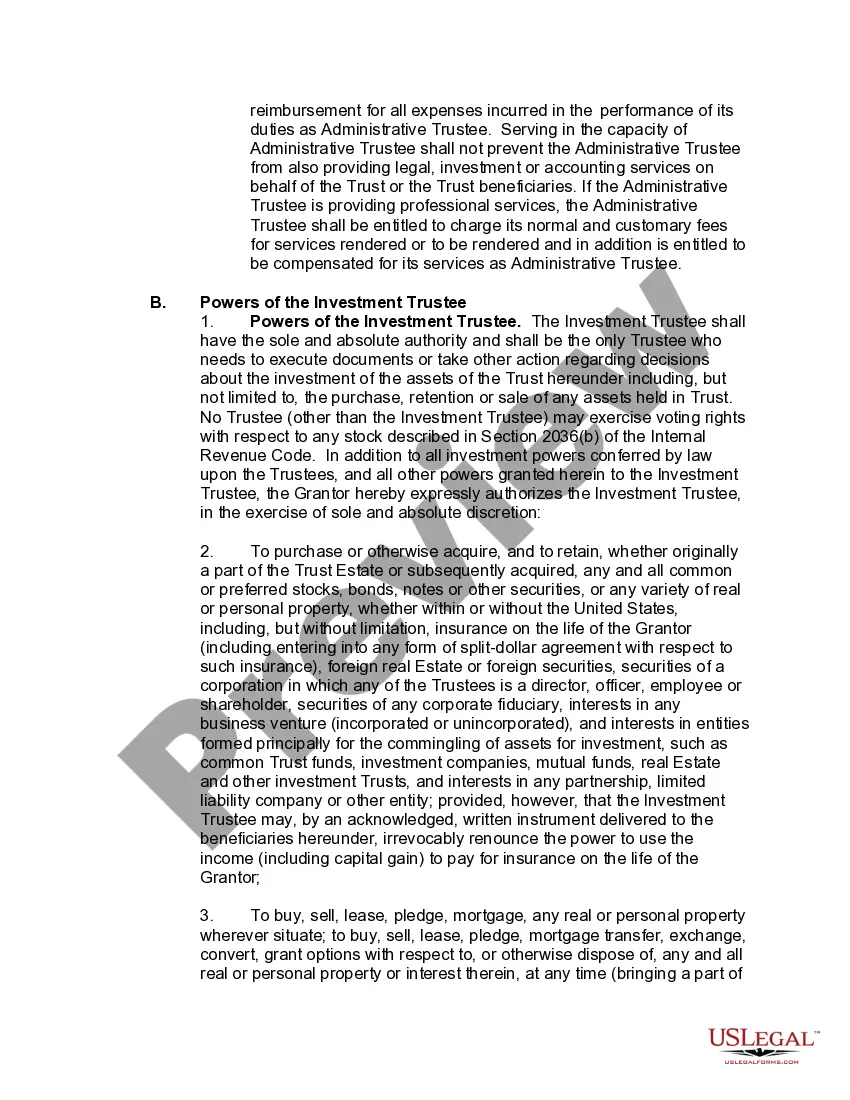
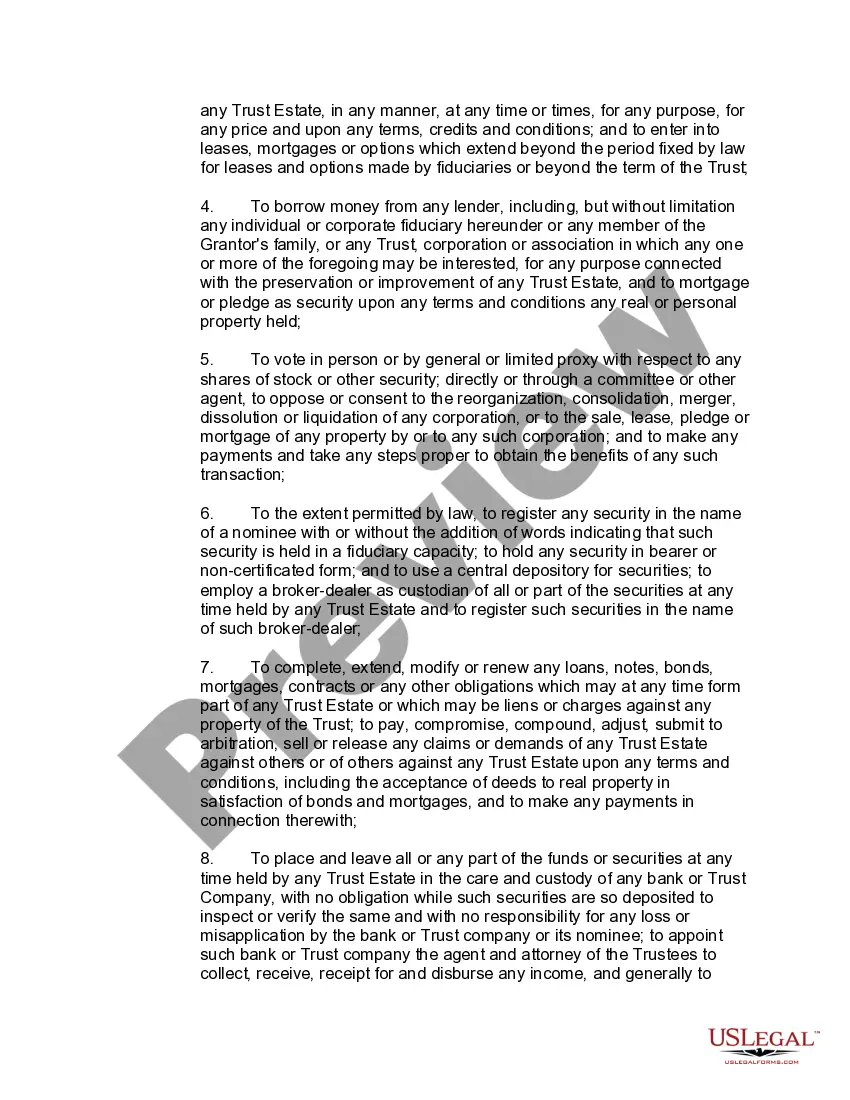
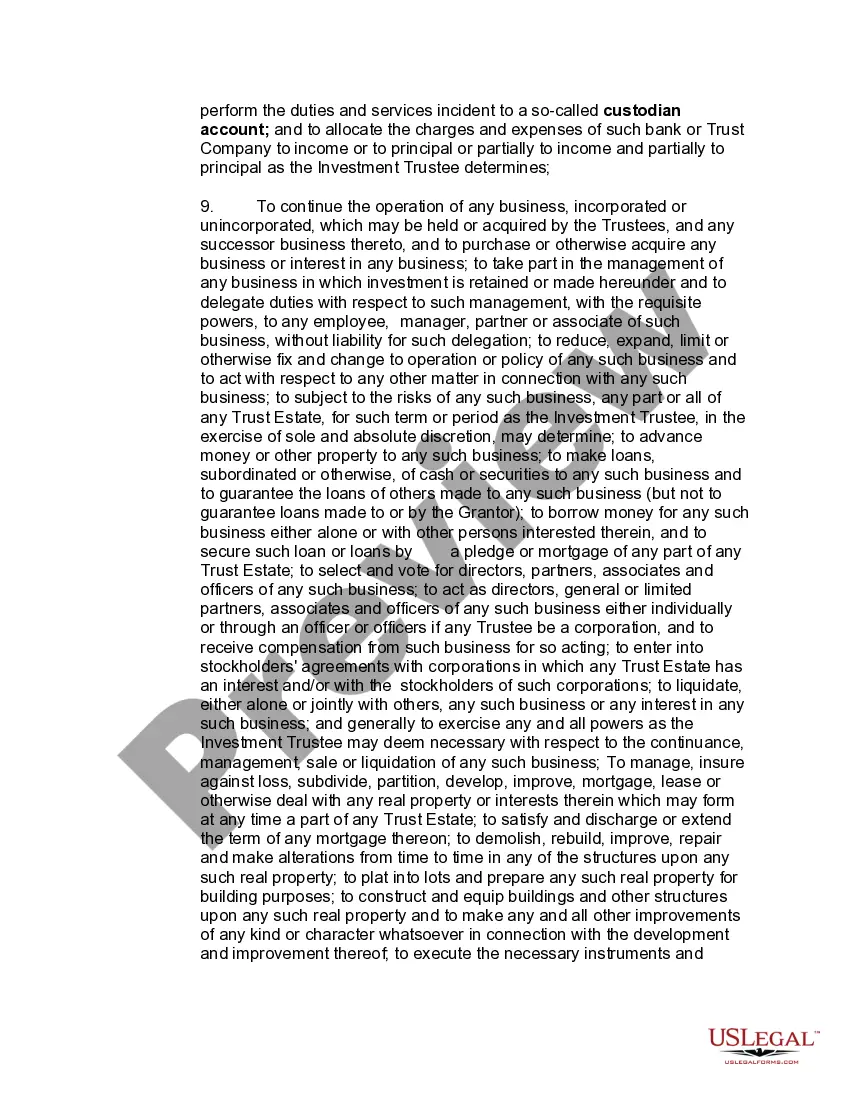
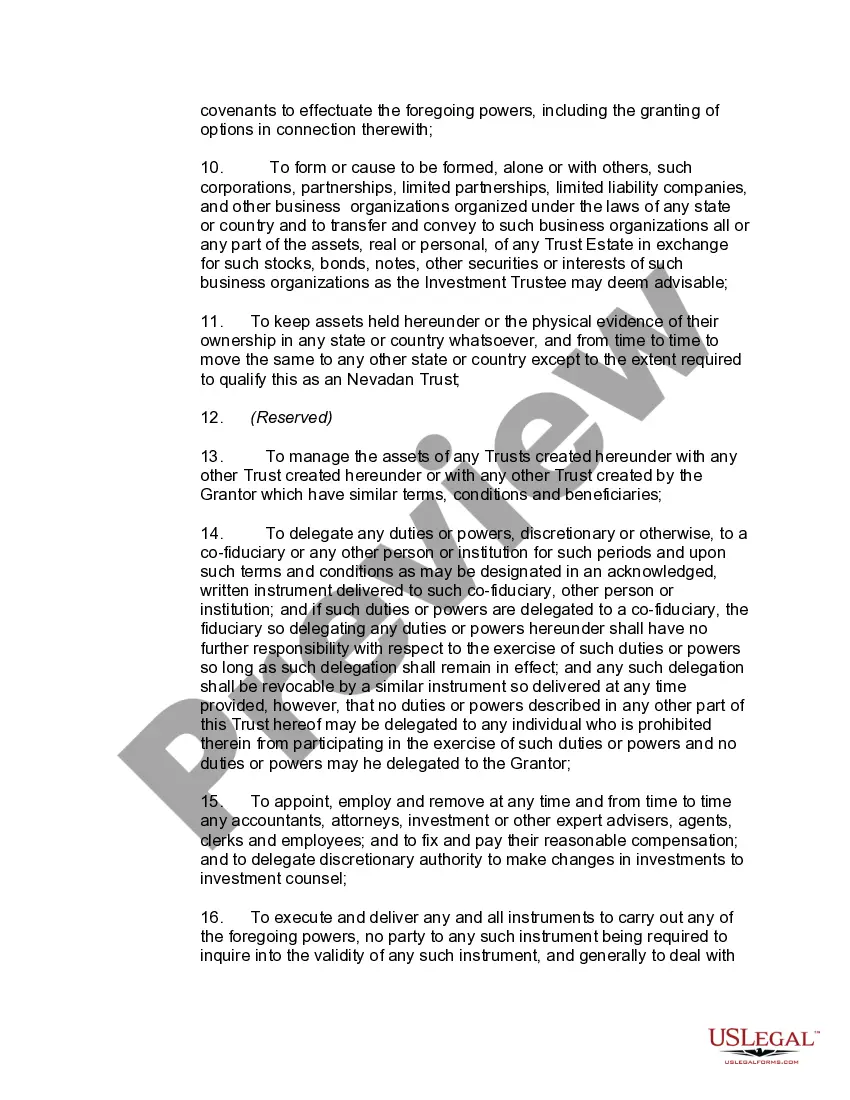
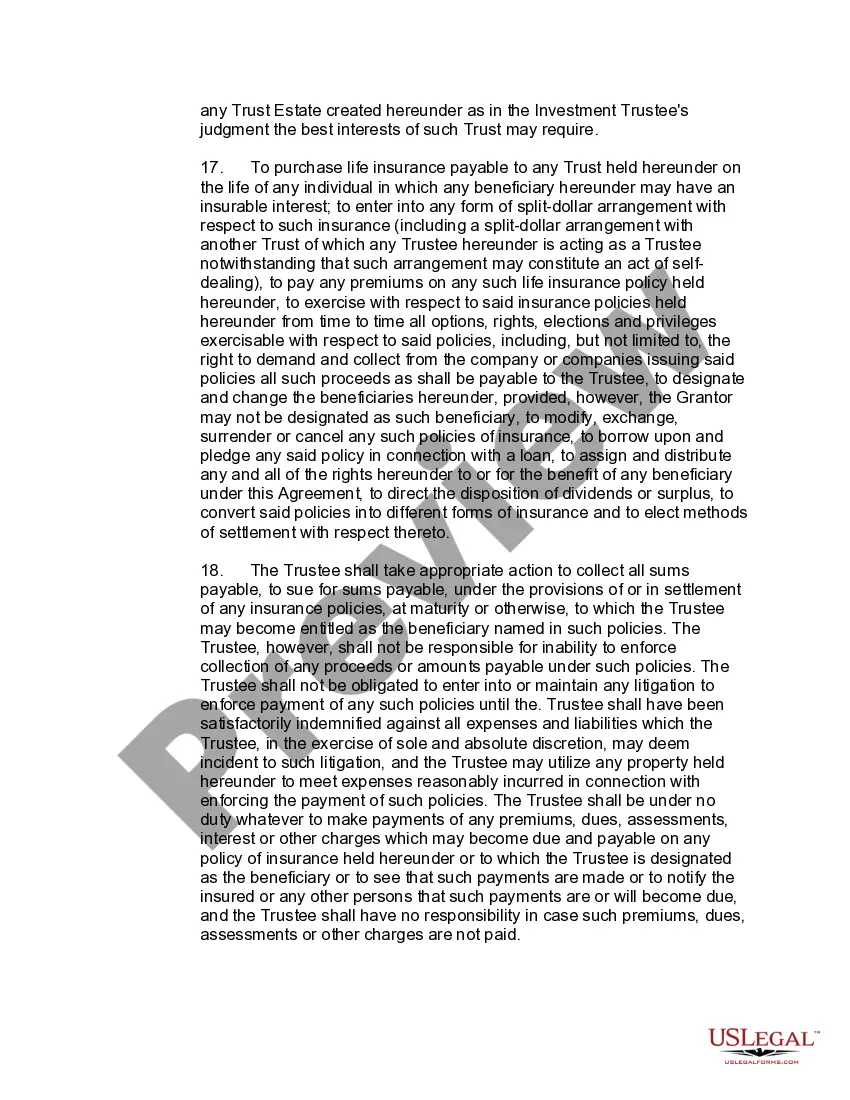
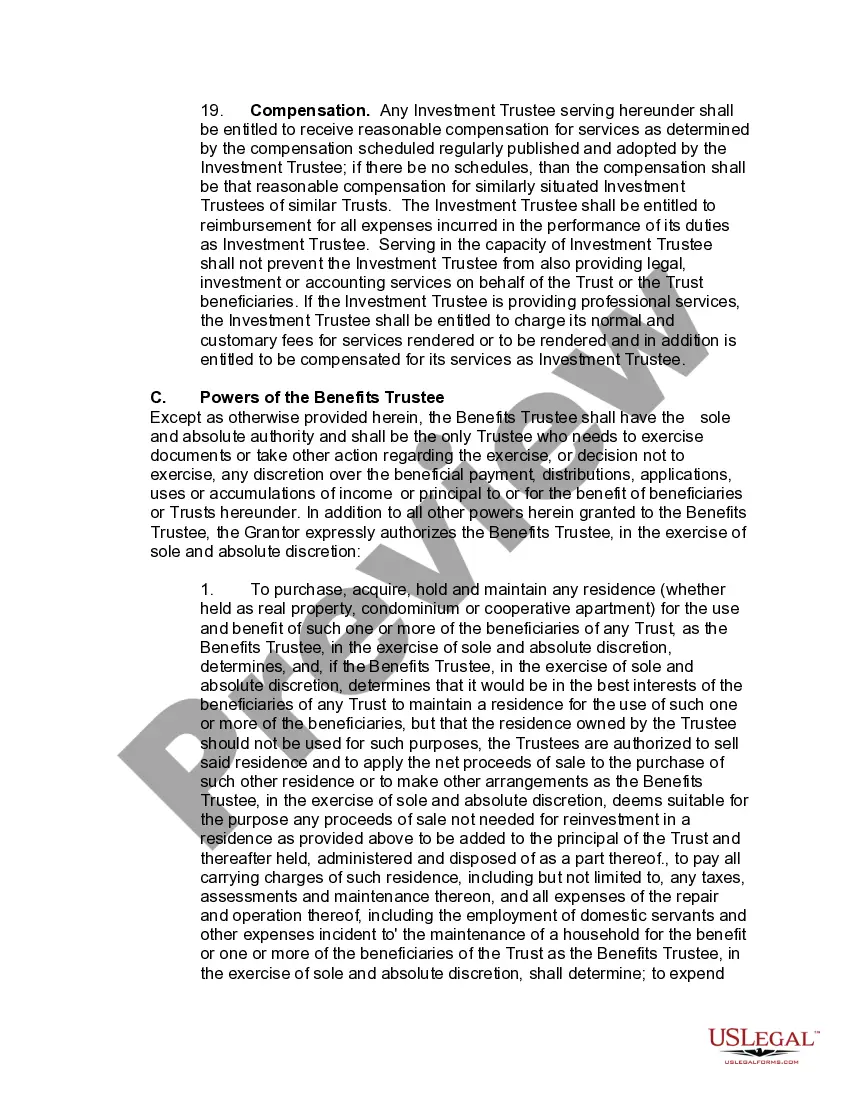
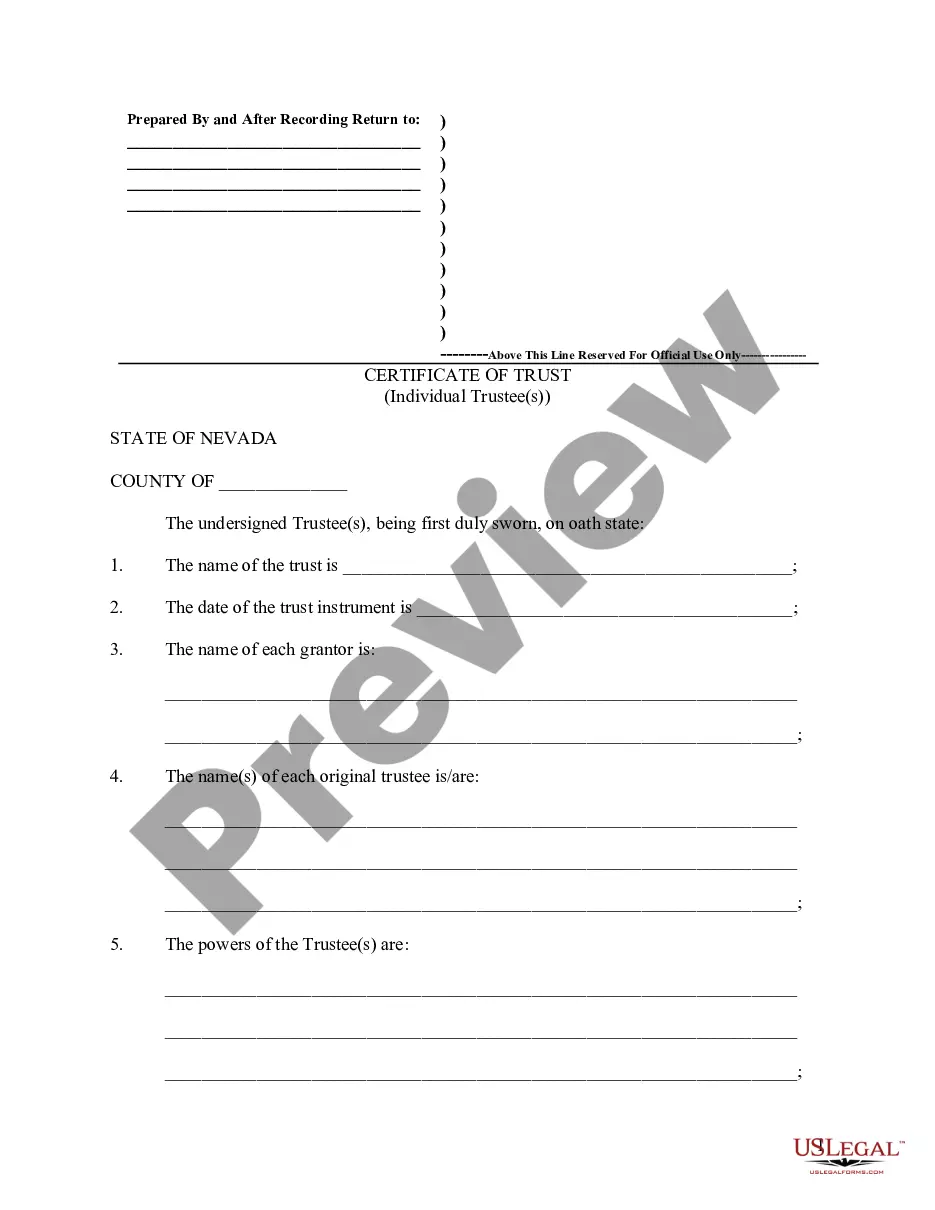
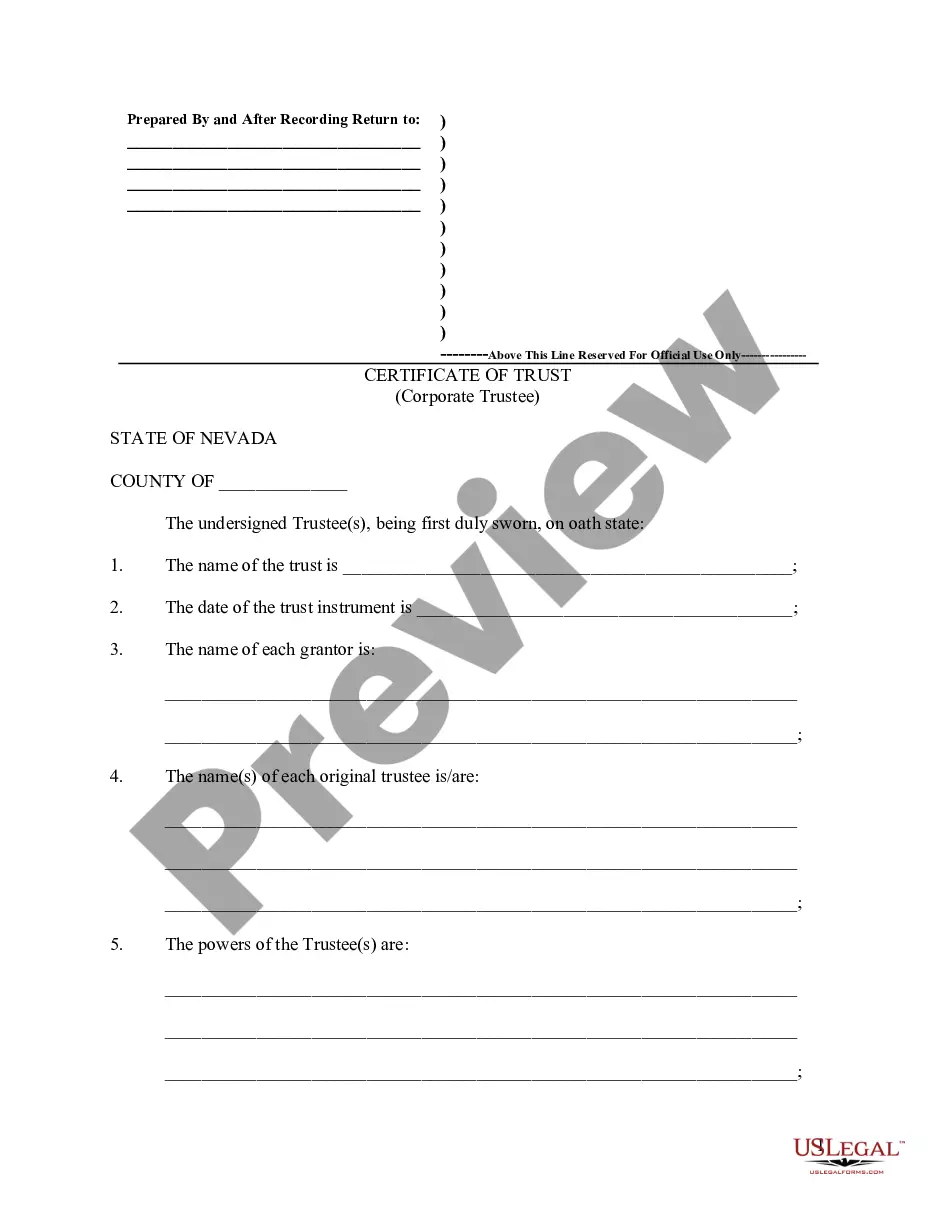
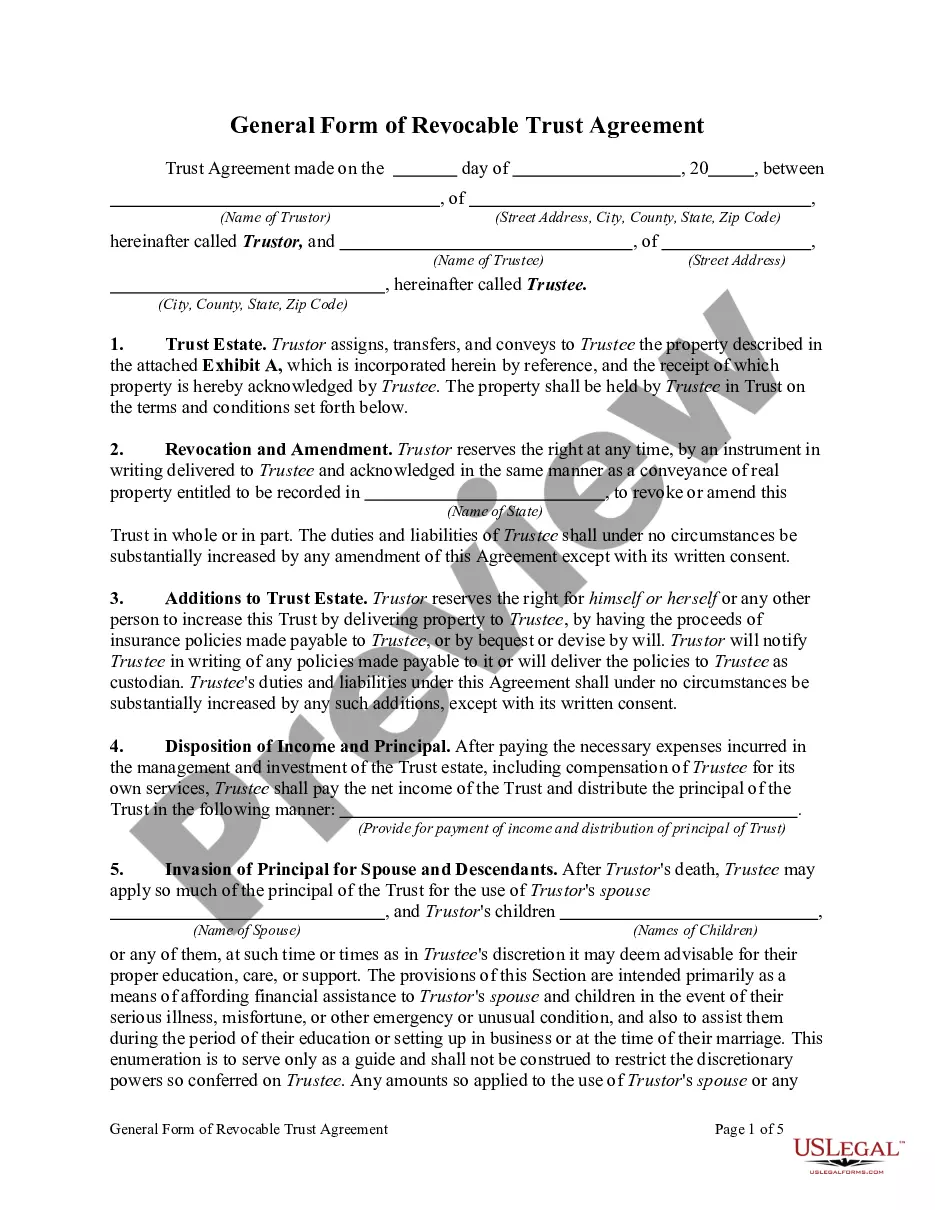
How to fill out Nevada Asset Protection Trust?
- If you're already a member, log in to access your account and download the required form template. Ensure your subscription status is active; renew if necessary.
- If you're new to US Legal Forms, start by reviewing the Preview mode and form descriptions to find the right document that fits your jurisdiction’s requirements.
- In case the template doesn’t meet your needs, utilize the Search tab to locate an alternative form that suits your specifications.
- Select the document by clicking the Buy Now button and choose a subscription plan that works best for you. Create an account to gain full access to the library.
- Complete your purchase by entering your payment details via credit card or PayPal account.
- Once your transaction is successful, download the legal form to your device for completion. You can also access it later from the My Forms section of your profile.
In conclusion, US Legal Forms offers a streamlined process to protect your brokerage accounts with an extensive library of legal documents and premium support. It's your reliable partner in ensuring your assets are secure.
Get started today and see how easy it is to protect your investments!
Form popularity
FAQ
To achieve asset protection for brokerage accounts, start by setting up legal structures such as trusts or limited liability companies. These setups can safeguard your investments from creditors and legal claims. Additionally, consider insurance options specifically designed for investment accounts, which provide an extra layer of security. At US Legal Forms, you can find resources and templates to help you establish the right protective measures for your brokerage accounts.
Using a Limited Liability Company (LLC) is an effective strategy for asset protection for brokerage accounts. By transferring your brokerage accounts into an LLC, you can help shield your personal assets from creditors and legal claims against you. This structure creates a legal barrier between your personal finances and your investments, ensuring greater security. Additionally, working with a platform like US Legal Forms can help simplify the process of setting up an LLC to optimize your asset protection.
FDIC insurance does not cover brokerage accounts; it only protects deposits in bank accounts. Therefore, if you want asset protection for brokerage accounts, it is wise to rely on SIPC coverage and consider other protective measures. By understanding the limitations of FDIC insurance, you can make informed decisions to secure your investments.
Brokerage accounts are not directly affected by bank failures because they are usually held by different financial institutions. However, if a brokerage firm goes bankrupt, SIPC provides some level of protection for your assets. Understanding the structure of your brokerage account can enhance your asset protection and ensure your investments are secure.
FDIC insurance does not cover investment accounts such as brokerage accounts, mutual funds, or annuities. It mainly protects deposits in banks and savings institutions. Therefore, if you are looking for asset protection for brokerage accounts, consider the coverage provided by SIPC and explore private insurance options to safeguard your investments further.
Brokerage accounts are typically not insured by FDIC because FDIC protects bank deposits, such as savings and checking accounts. However, to enhance asset protection for brokerage accounts, many firms provide additional coverage through private insurance or through SIPC. It's essential for investors to understand the distinction and choose brokerage accounts accordingly, ensuring their investments have adequate protection.
The best entity for asset protection often includes limited liability companies (LLCs) and irrevocable trusts. LLCs provide a degree of separation between personal and business assets, which protects brokerage accounts from liability. On the other hand, irrevocable trusts can offer even greater protection from creditors while ensuring that your investments are managed according to your wishes.
Setting up asset protection typically involves identifying your assets and consulting with financial and legal professionals. They can help you choose the appropriate legal structures, like LLCs or trusts, to secure your brokerage accounts and other investments. Starting this process early is essential, as proactive strategies can significantly reduce potential risks down the line.
The best structure for asset protection often includes limited liability companies (LLCs) and family limited partnerships (FLPs). These structures not only protect assets from personal creditors but also provide tax benefits and improved management of investments. Using these entities is especially advantageous for individuals with substantial assets, such as brokerage accounts, as it limits exposure to financial risks.
An example of asset protection is establishing a revocable living trust, which allows individuals to hold and manage their assets while providing certain protections against creditors. By transferring brokerage accounts into such trusts, the assets may enjoy enhanced privacy and protection from estate taxes. This strategy illustrates how simple actions can lead to significant security.