Life Estate Deed New Hampshire Form
Description

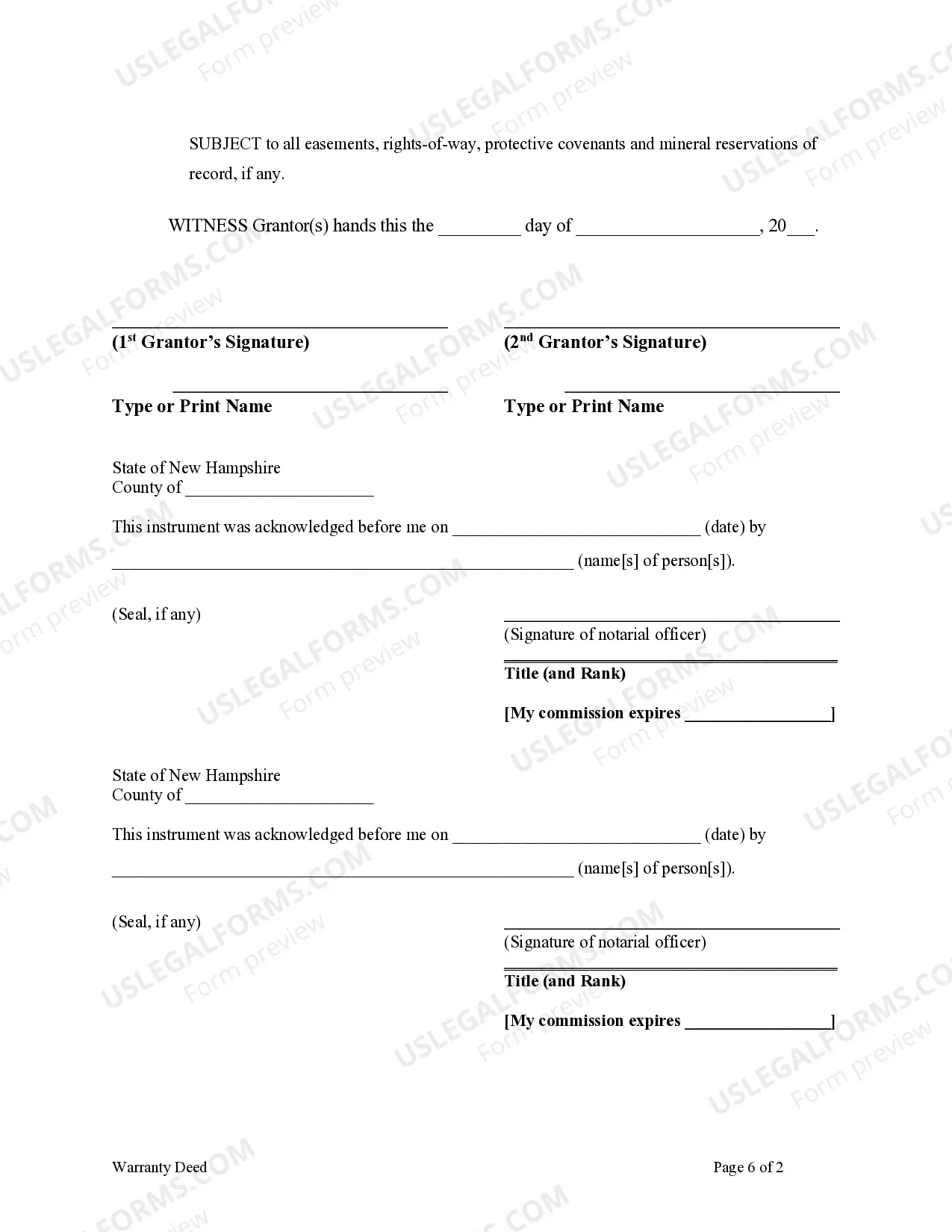

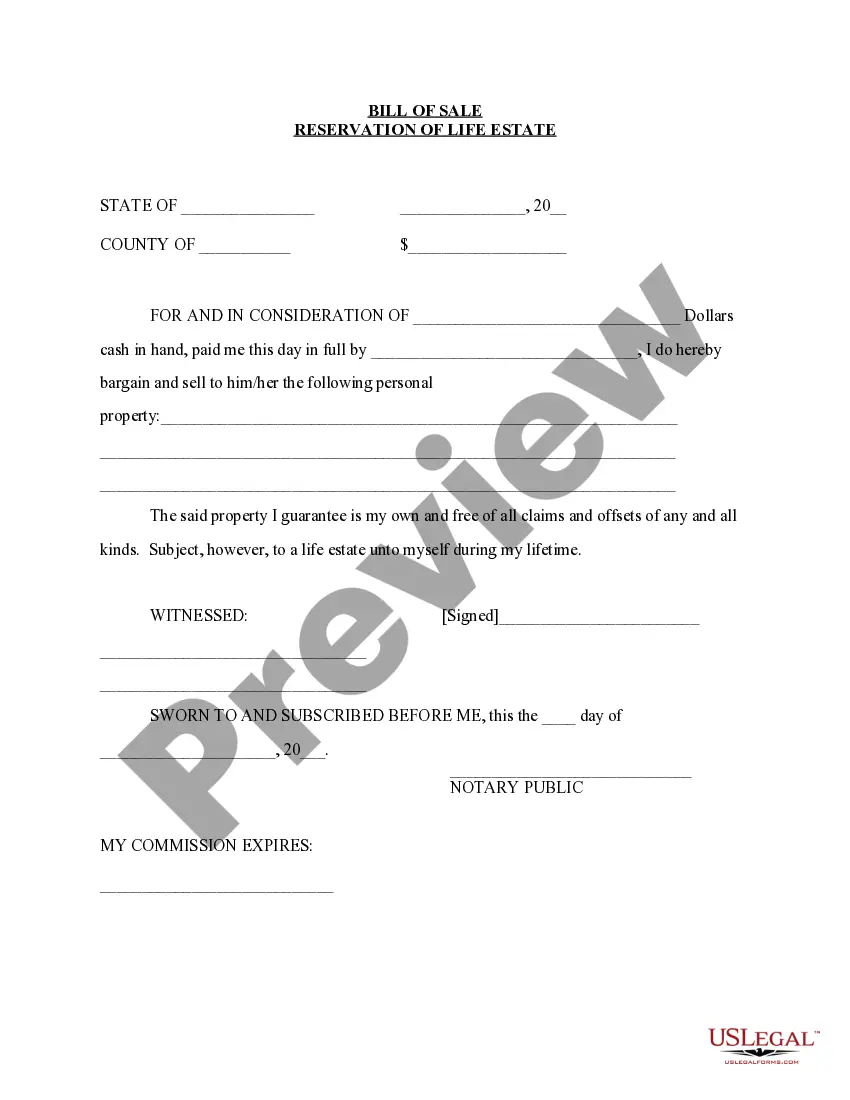

Get your form ready online
Our built-in tools help you complete, sign, share, and store your documents in one place.
Make edits, fill in missing information, and update formatting in US Legal Forms—just like you would in MS Word.
Download a copy, print it, send it by email, or mail it via USPS—whatever works best for your next step.
Sign and collect signatures with our SignNow integration. Send to multiple recipients, set reminders, and more. Go Premium to unlock E-Sign.
If this form requires notarization, complete it online through a secure video call—no need to meet a notary in person or wait for an appointment.
We protect your documents and personal data by following strict security and privacy standards.

Make edits, fill in missing information, and update formatting in US Legal Forms—just like you would in MS Word.

Download a copy, print it, send it by email, or mail it via USPS—whatever works best for your next step.

Sign and collect signatures with our SignNow integration. Send to multiple recipients, set reminders, and more. Go Premium to unlock E-Sign.

If this form requires notarization, complete it online through a secure video call—no need to meet a notary in person or wait for an appointment.

We protect your documents and personal data by following strict security and privacy standards.
Looking for another form?

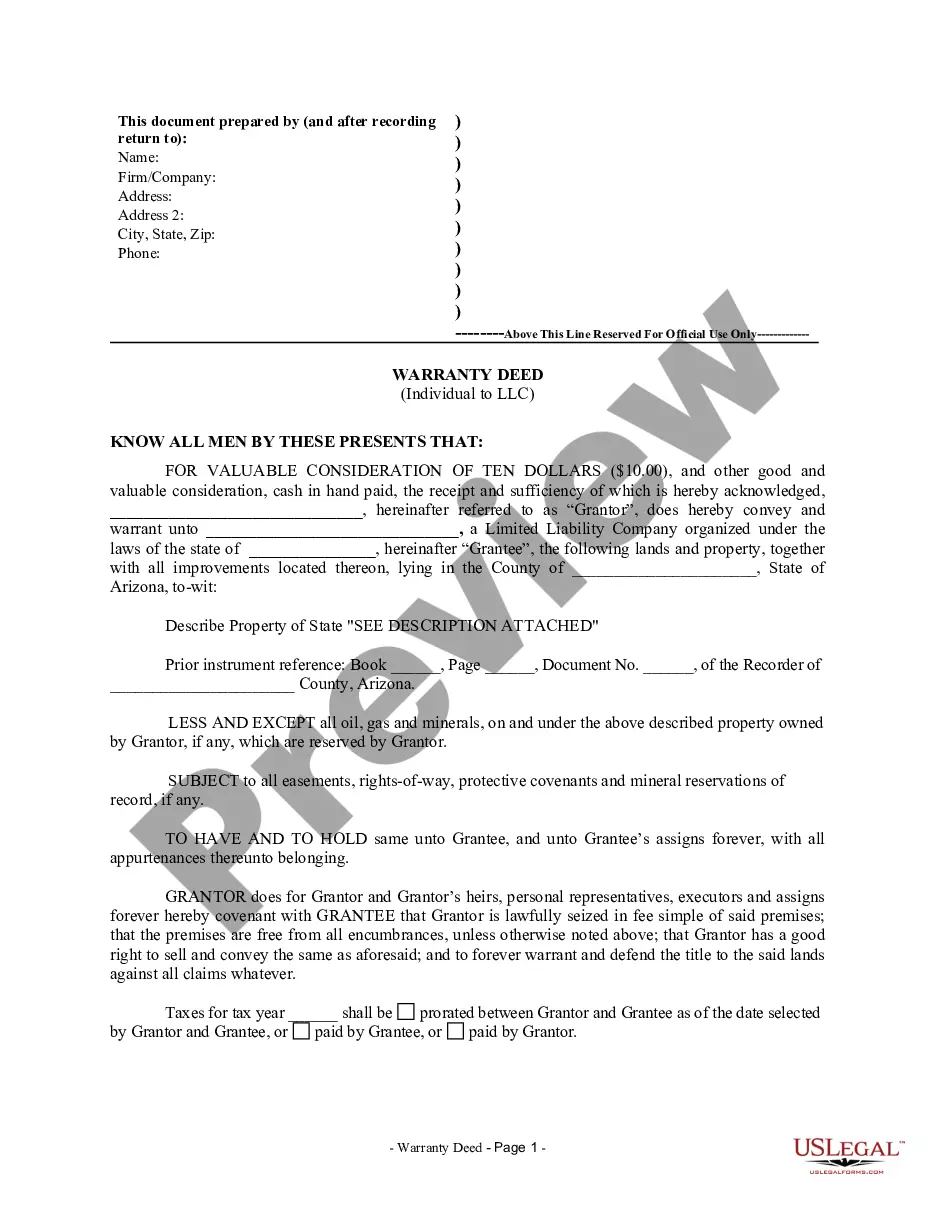
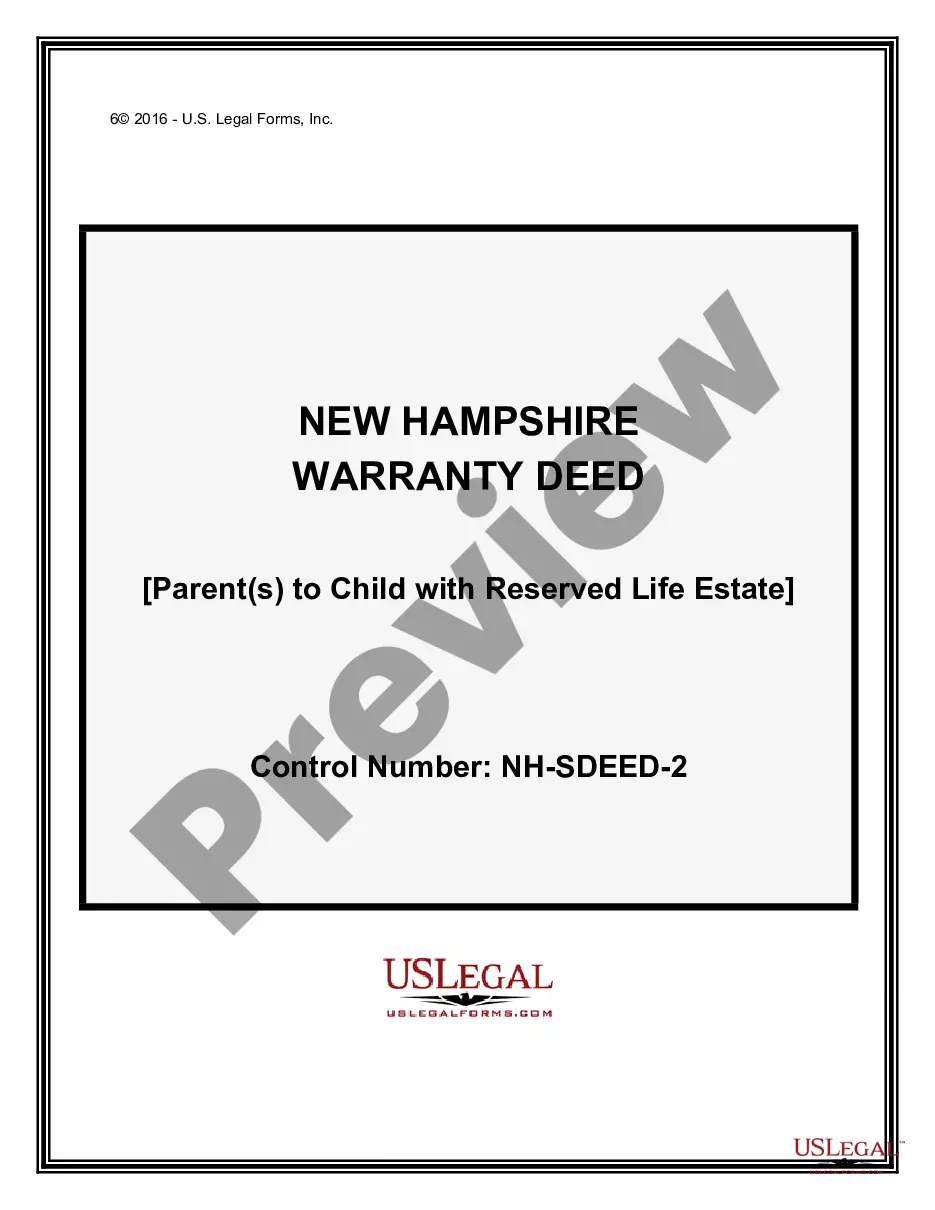
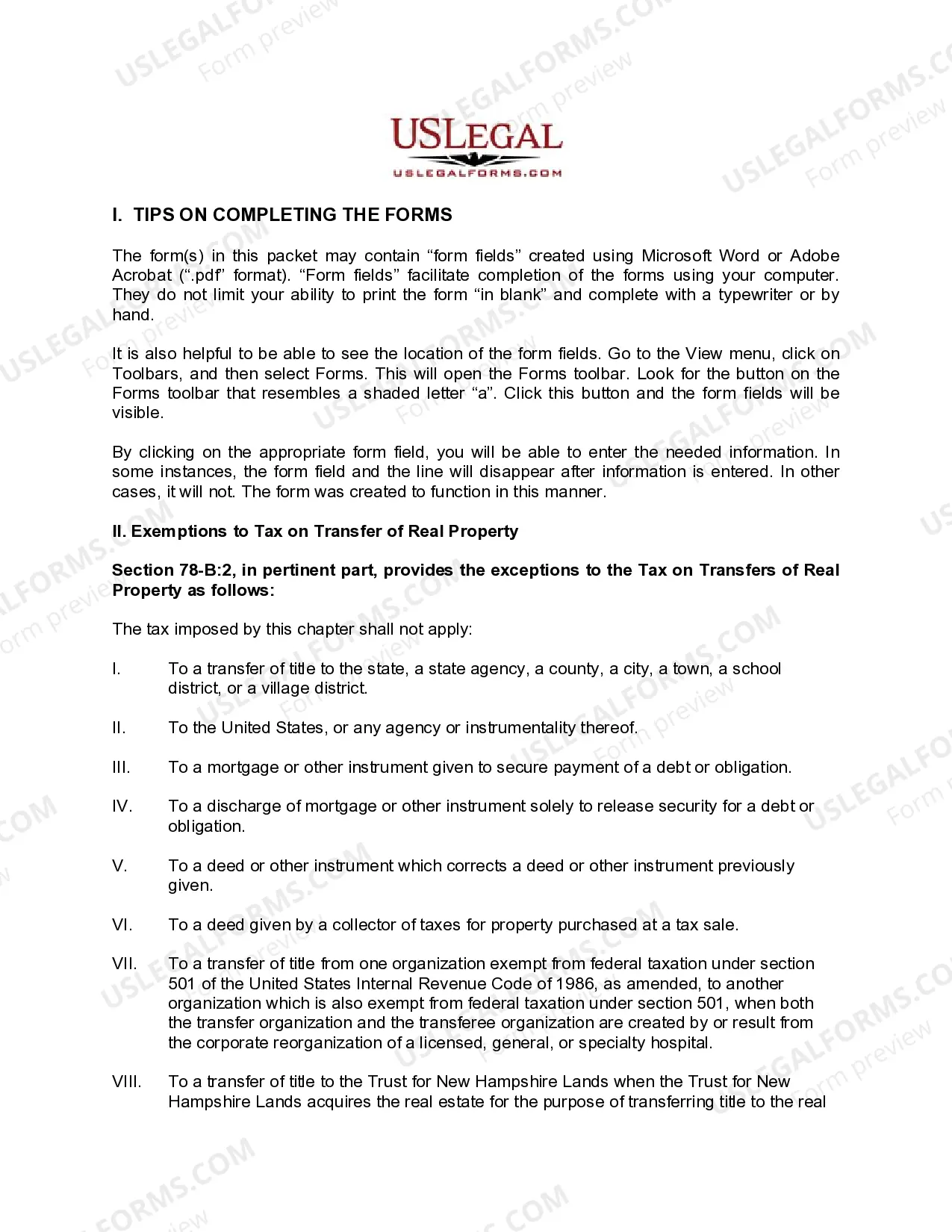
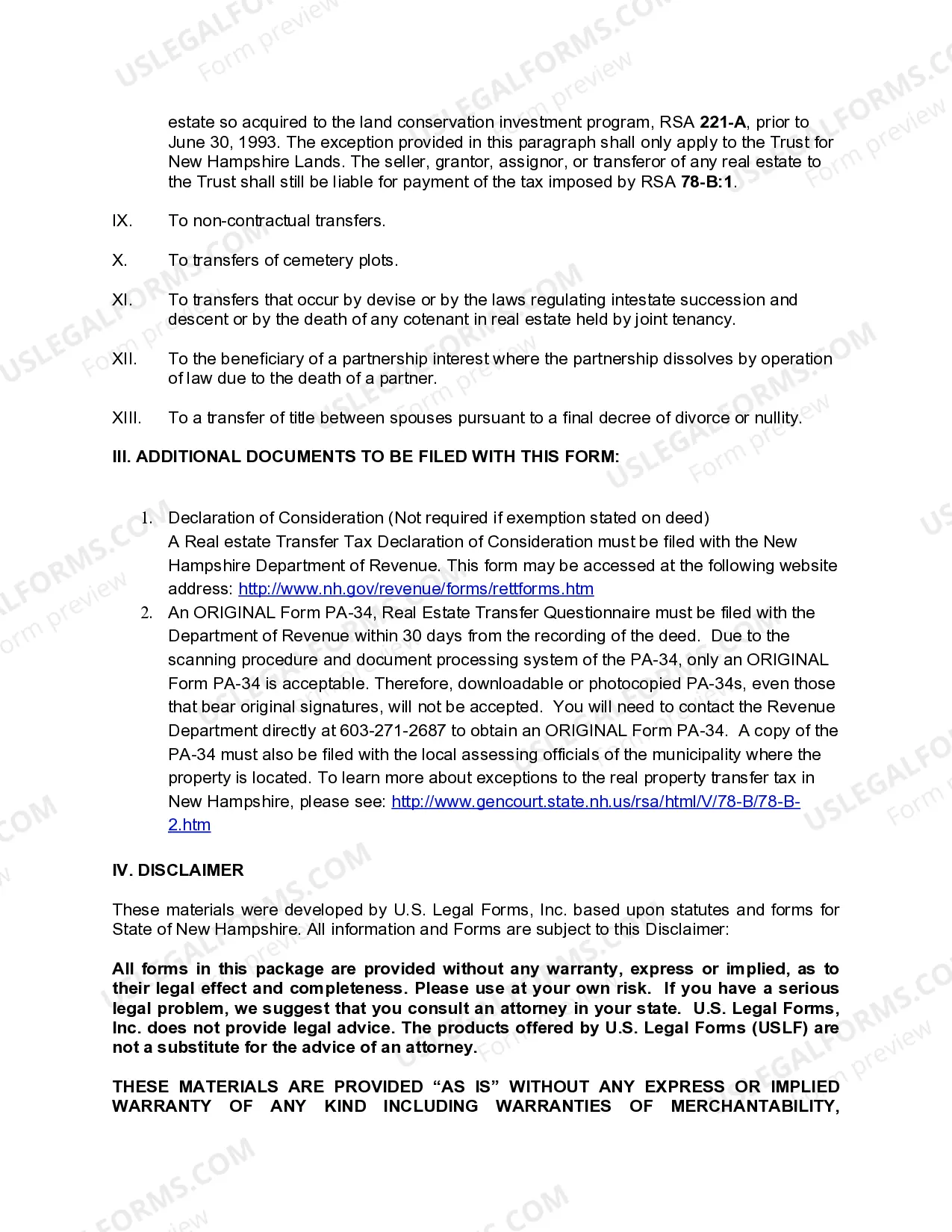
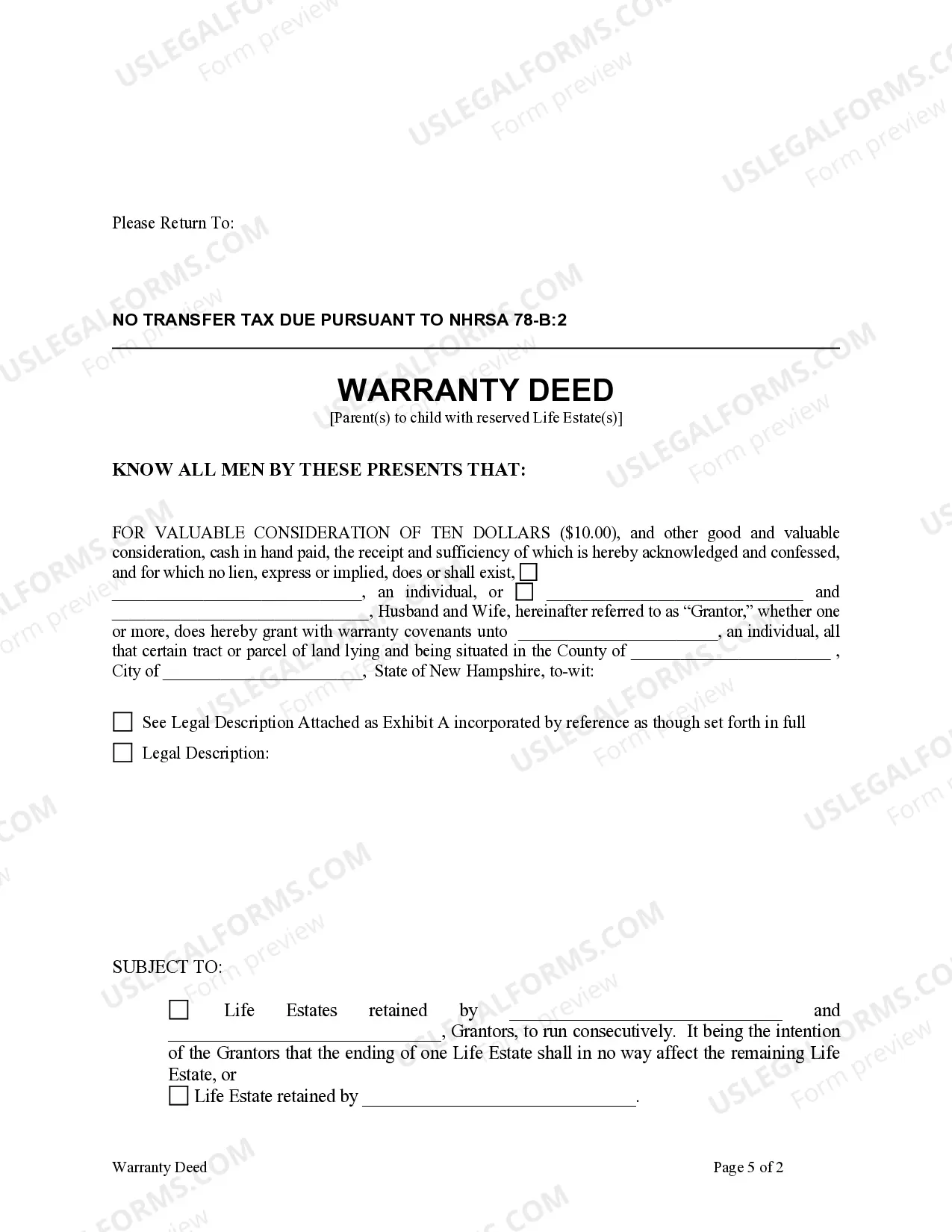
How to fill out New Hampshire Warranty Deed For Parents To Child With Reservation Of Life Estate?
Navigating through the red tape of official documents and templates can be challenging, particularly when one does not engage in that professionally.
Even selecting the appropriate template for acquiring a Life Estate Deed New Hampshire Form will demand substantial time, as it must be legitimate and exact to the last digit.
However, you will need to spend significantly less time obtaining an appropriate template from a trusted resource.
Obtain the appropriate form in a few straightforward steps.
- US Legal Forms is a platform that streamlines the process of locating the right forms online.
- US Legal Forms is a single place where one can find the most current examples of forms, understand their application, and download these examples to complete them.
- This is a repository with over 85K forms applicable in various domains.
- When looking for a Life Estate Deed New Hampshire Form, you won't have to question its legitimacy since all forms are validated.
- Having an account at US Legal Forms will guarantee you have all necessary samples readily available.
- Store them in your history or add them to the My documents collection.
- You can access your saved forms from any device by clicking Log In at the library site.
- If you do not yet possess an account, you can always search again for the template you require.
Form popularity
FAQ
Settling a deceased estate generally takes six months to a year, but it can be longer depending on various factors. These include estate size, the complexity of assets, and any outstanding debts or disputes. Using a life estate deed New Hampshire form can help simplify property transfers, thereby facilitating a quicker settlement. Seek advice from a legal professional to get a more tailored estimate for your circumstances.
The time probate can take varies significantly, but the longest cases can extend over several years. Factors influencing this timeline include the complexity of the estate, the number of beneficiaries, and any disputes that may arise. If you have a life estate deed New Hampshire form, it can help streamline some processes, potentially reducing time in probate.
Not all estates in New Hampshire go through probate. Certain assets, such as those held in a living trust or those with designated beneficiaries, can bypass the probate process. However, if your estate includes a life estate deed New Hampshire form, it may still require attention during probate. Consulting with a legal expert can help clarify your particular situation.
To obtain a quitclaim deed in New Hampshire, you can either draft one yourself or use a form from a credible source. Websites like uslegalforms offer a variety of forms, including life estate deed New Hampshire form, making the process easier for you. Always ensure that the document is properly signed, notarized, and recorded to maintain its validity.
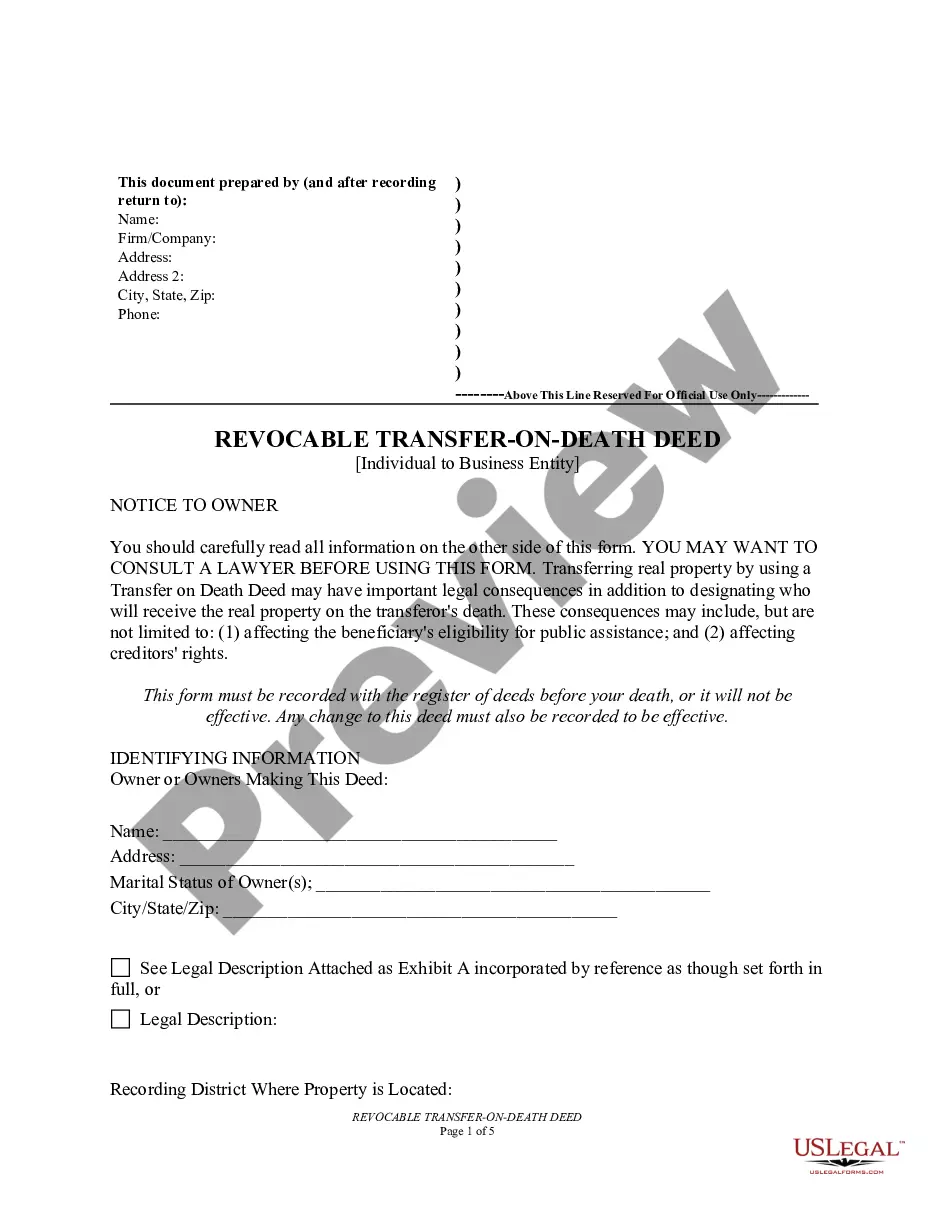
Yes, New Hampshire does allow transfer on death deeds, which enable property owners to designate beneficiaries for their real estate. This option simplifies the transfer process, avoiding probate if done correctly. If you are looking for options like a life estate deed New Hampshire form, consider how each approach may best suit your needs for property transfer.
After probate is granted, the release of funds typically depends on the complexity of the estate. Generally, it takes several weeks to a few months for executors to settle debts and distribute assets. If you are dealing with a life estate deed New Hampshire form, it can facilitate smoother transfers of property. Always consult with a probate attorney to understand the specific timeline for your situation.
In Massachusetts, a life estate means the individual holding the life interest owns the property during their lifetime. Upon their death, the property will pass to the remainder beneficiaries named in the deed. This setup facilitates straightforward property transfer, as it bypasses probate, giving peace of mind to both the life tenant and their heirs. If you're considering this option, look into the 'life estate deed New Hampshire form' for guidance.
A life estate in New Hampshire is a legal arrangement where an individual retains the right to use and benefit from a property during their lifetime. This type of estate allows the life tenant to live in the home, collect rents, or enjoy the property without interference. After their death, the property transfers automatically to the designated beneficiaries, often specified in a 'life estate deed New Hampshire form'. This arrangement can simplify asset management and inheritance.
Deeds can lead to issues such as misunderstandings about property rights or unintended tax consequences. Once a deed is executed, it is often difficult to reverse without clear processes in place. Furthermore, family disputes can arise if the terms are not clearly defined. Utilizing a comprehensive tool like the 'life estate deed New Hampshire form' can help mitigate these risks.
One main disadvantage of a life estate deed is that it may complicate the transfer of property. The life tenant cannot sell or mortgage the property without the consent of the remainder beneficiaries. Additionally, if the life tenant requires long-term care, assets within the life estate could impact eligibility for certain benefits. Understanding these factors can help you make an informed decision, especially when using resources like the 'life estate deed New Hampshire form'.