Nc Landlord For Rental Property
Description
Get your form ready online
Our built-in tools help you complete, sign, share, and store your documents in one place.
Make edits, fill in missing information, and update formatting in US Legal Forms—just like you would in MS Word.
Download a copy, print it, send it by email, or mail it via USPS—whatever works best for your next step.
Sign and collect signatures with our SignNow integration. Send to multiple recipients, set reminders, and more. Go Premium to unlock E-Sign.
If this form requires notarization, complete it online through a secure video call—no need to meet a notary in person or wait for an appointment.
We protect your documents and personal data by following strict security and privacy standards.

Make edits, fill in missing information, and update formatting in US Legal Forms—just like you would in MS Word.

Download a copy, print it, send it by email, or mail it via USPS—whatever works best for your next step.

Sign and collect signatures with our SignNow integration. Send to multiple recipients, set reminders, and more. Go Premium to unlock E-Sign.

If this form requires notarization, complete it online through a secure video call—no need to meet a notary in person or wait for an appointment.

We protect your documents and personal data by following strict security and privacy standards.
Looking for another form?


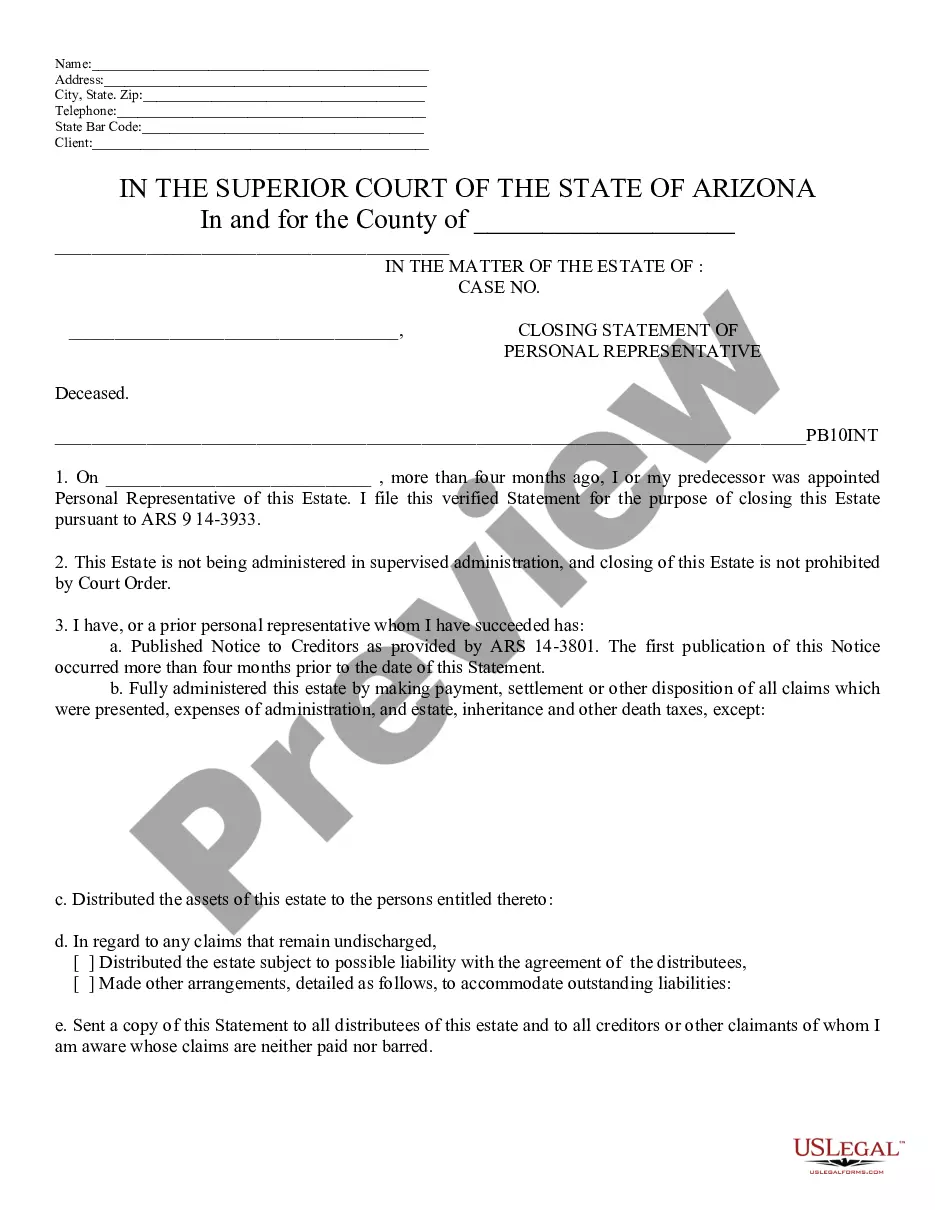

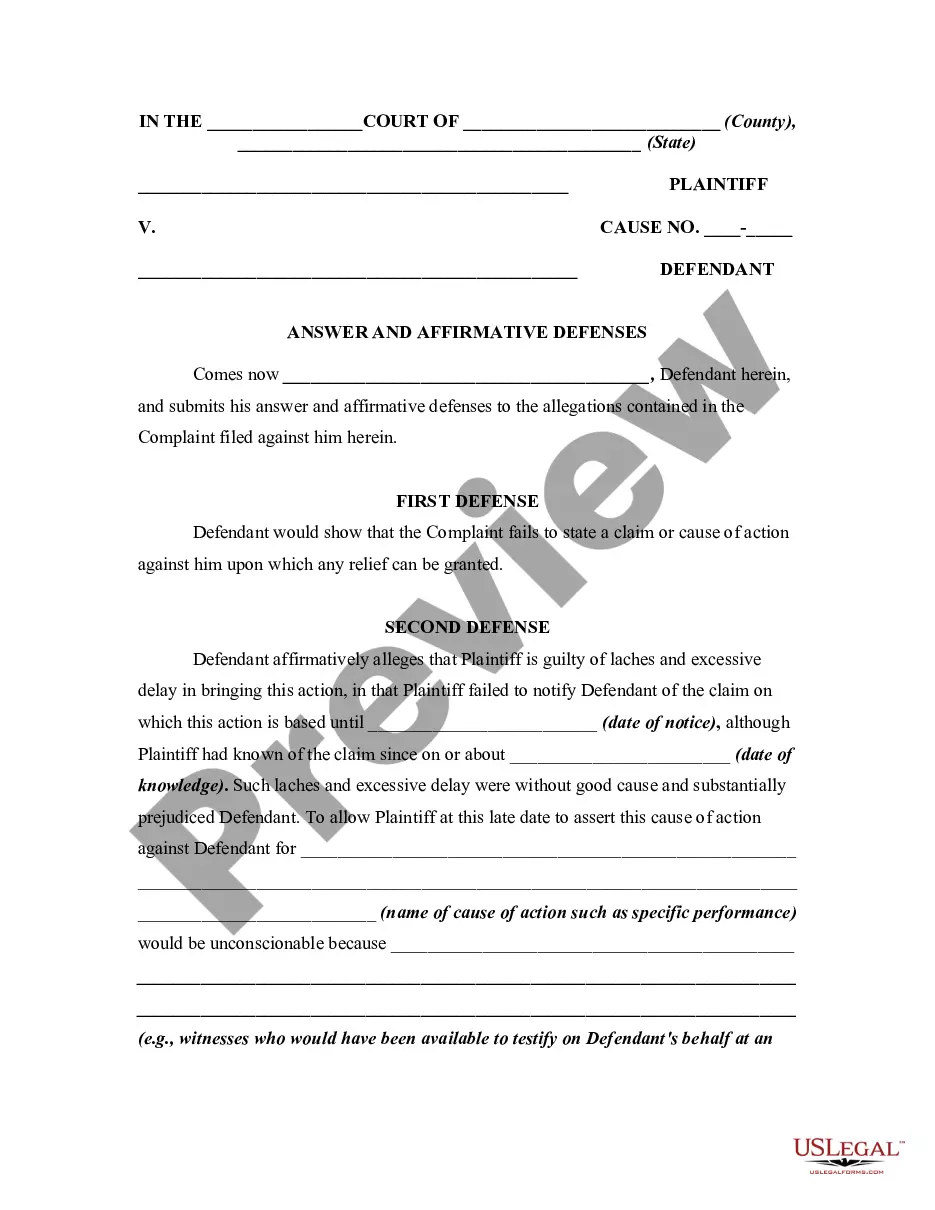




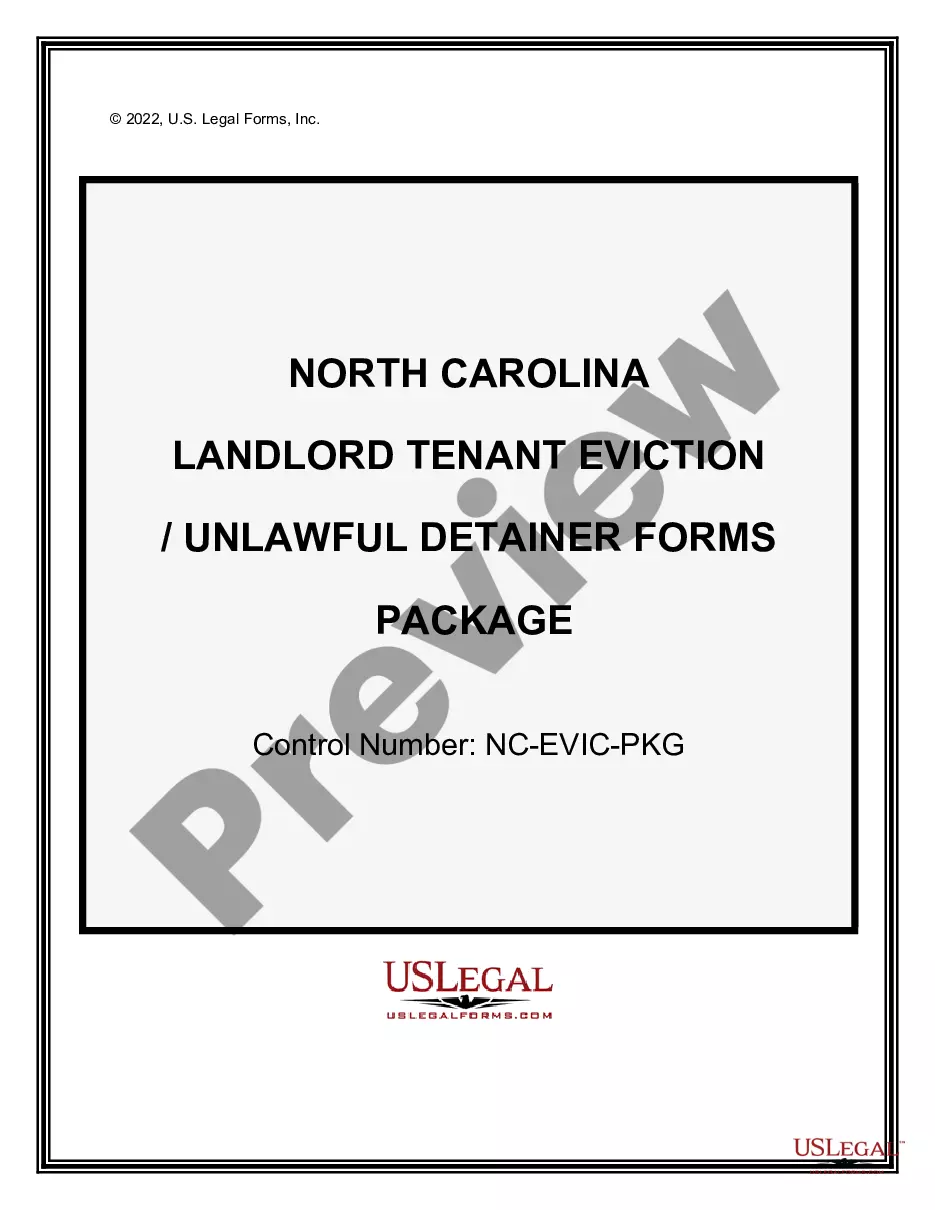
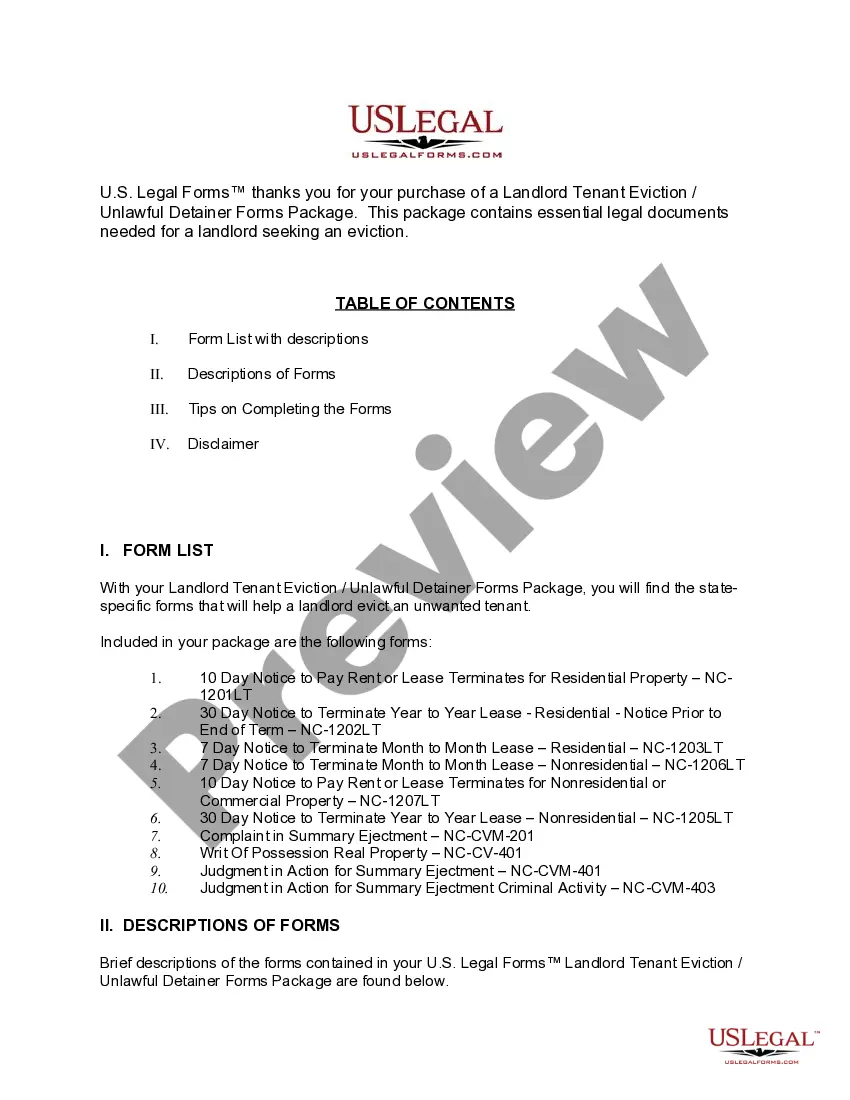
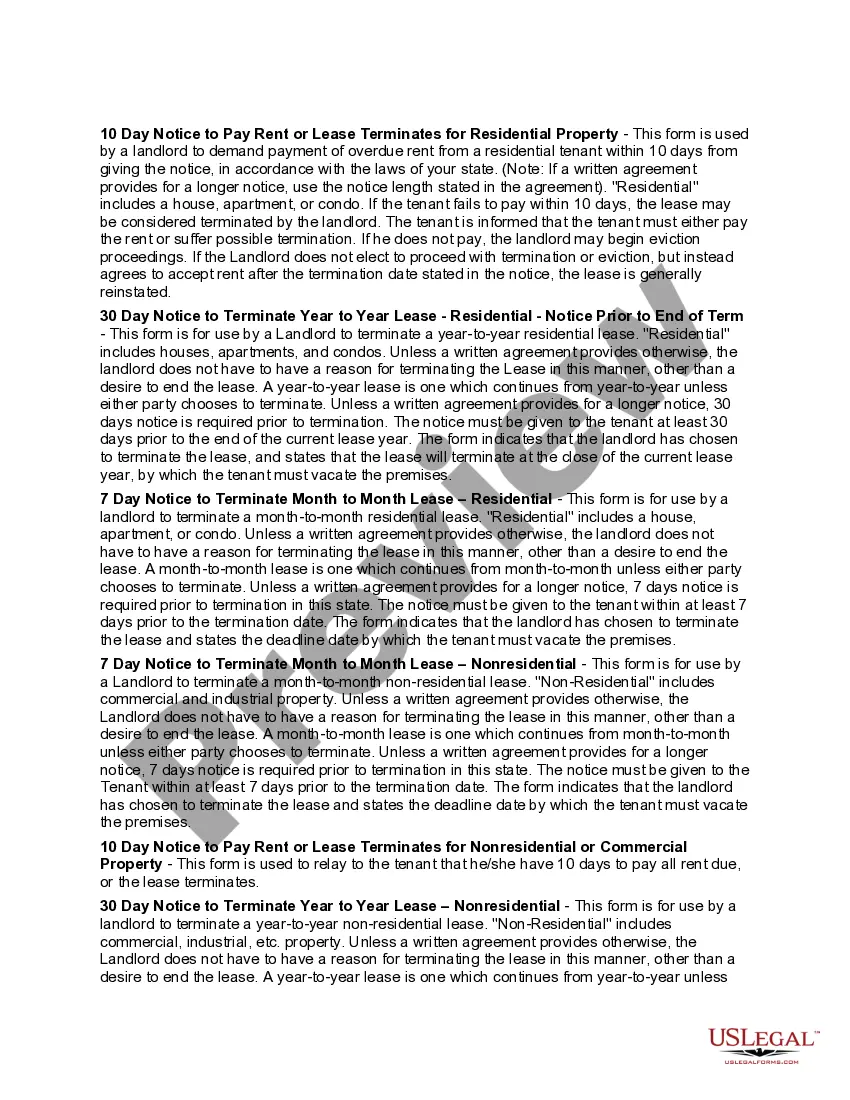
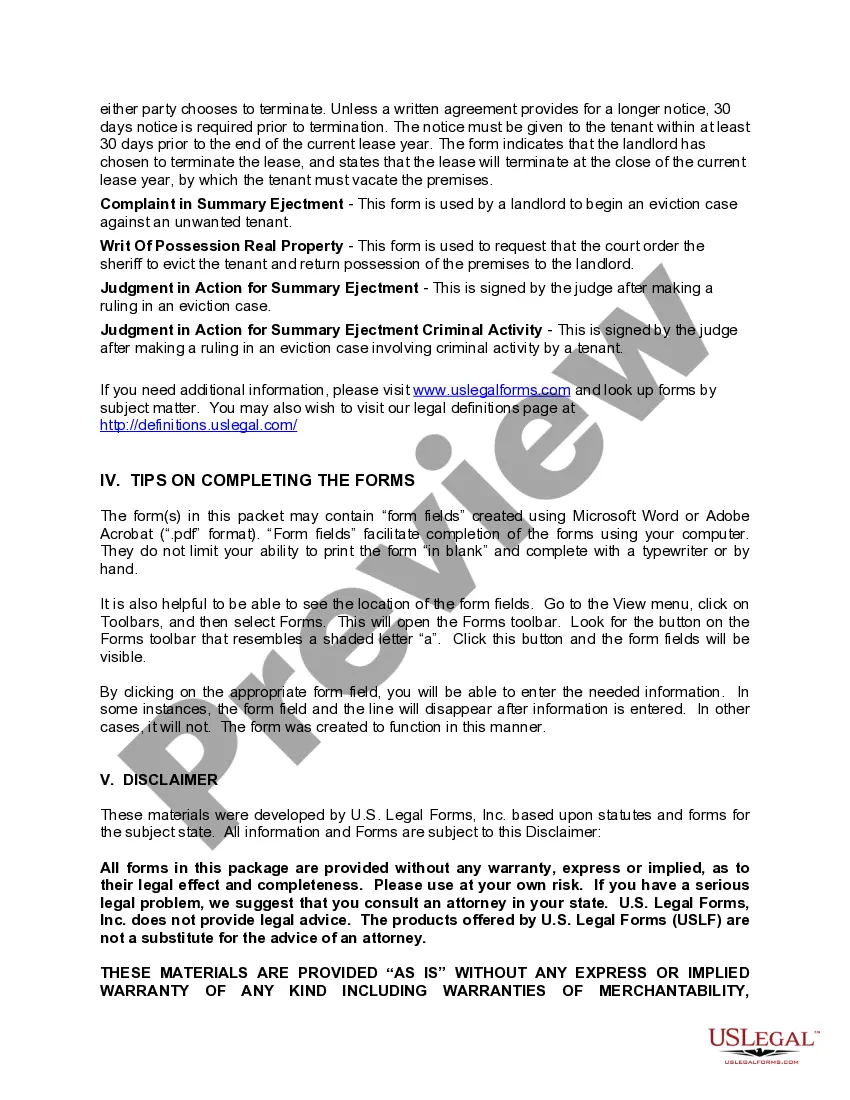
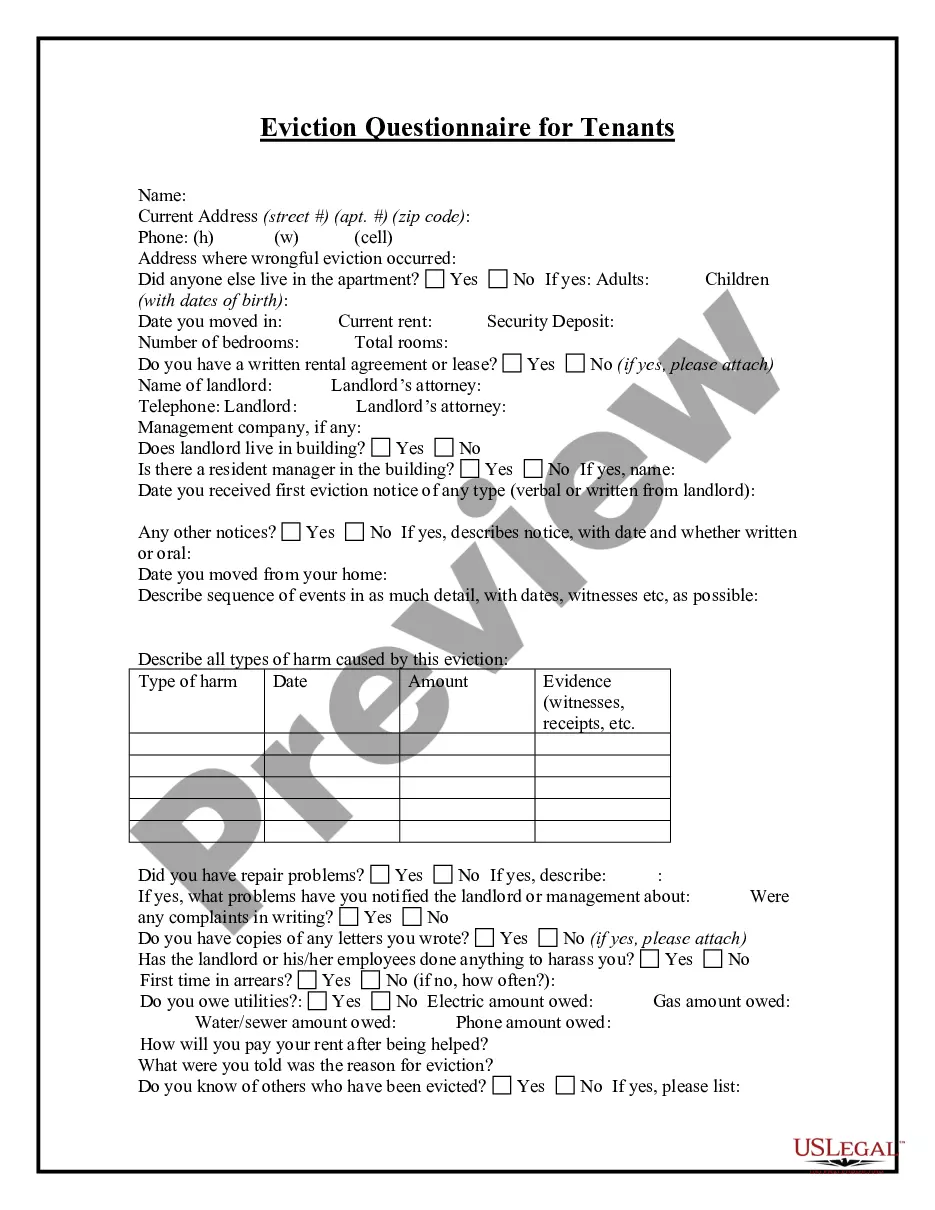
How to fill out North Carolina Landlord Tenant Eviction / Unlawful Detainer Forms Package?
Managing legal documents and processes can be a lengthy addition to your day.
Nc Landlord For Rental Property and similar forms generally require you to locate them and comprehend how to fill them out correctly.
Thus, whether you are dealing with financial, legal, or personal issues, having a comprehensive and accessible online repository of documents at your disposal will be immensely beneficial.
US Legal Forms is the leading online platform for legal templates, featuring over 85,000 state-specific documents and various tools to help you complete your paperwork with ease.
Is this your first experience with US Legal Forms? Sign up and create your account in just a few minutes, and you’ll gain access to the form library and Nc Landlord For Rental Property. Then, follow these steps to complete your form: Ensure you have the right form by using the Preview feature and reviewing the form details. Click Buy Now when ready, and choose the subscription plan that suits your needs. Click Download, then fill out, sign, and print the form. US Legal Forms has twenty-five years of experience assisting users with their legal documents. Obtain the form you need today and streamline any process effortlessly.
- Explore the library of relevant documents available to you with just one click.
- US Legal Forms provides state- and county-specific documents accessible at any time for download.
- Protect your document management processes with high-quality support that allows you to create any form within minutes without extra or hidden fees.
- Simply Log Into your account, find Nc Landlord For Rental Property, and download it immediately from the My documents section.
- You can also access forms you have previously downloaded.
Form popularity
FAQ
To afford a $2500 rent comfortably, it’s generally recommended that your monthly income be at least three times the rent amount. This means you should aim for an income of around $7500 per month. Additionally, consider your other financial obligations when calculating affordability. Understanding these financial aspects can help you make informed decisions when working with an NC landlord for rental property.
When filling out a rental application, ensure you have all required information ready. Provide accurate personal details, including your current and previous addresses, employment history, and income sources. Don't forget to include references who can vouch for your reliability as a tenant. A well-completed application is key to securing a desirable property from an NC landlord for rental property.
To fill out a rental application, gather necessary documents like your ID and proof of income. Start by providing your personal information, such as your name, social security number, and current address. Next, list your employment details and references. Completing this form thoroughly can make a positive impression on your NC landlord for rental property.
Filling out a landlord verification form is straightforward. Start by providing your personal information, such as your name and contact details. Next, include details about the rental property, including its address and any relevant lease dates. This form helps establish your rental history, which can be crucial when dealing with an NC landlord for rental property.
In North Carolina, landlords are required to provide a safe and habitable living environment for tenants. This includes maintaining essential services such as heating, plumbing, and electricity. Additionally, landlords must provide written leases that outline the terms of the rental agreement. Understanding these requirements can help you navigate your rights as a tenant or landlord in NC.
In North Carolina, if you encounter issues with your landlord, you may report them to the North Carolina Department of Justice or your local housing authority. These organizations can help address tenant rights and ensure compliance with housing laws. Remember, understanding your rights as a tenant in Nc landlord for rental property is crucial for a positive rental experience.
Filing for rental property typically involves submitting an application to the landlord or property management company. Ensure you include all necessary documents such as proof of income and references. Platforms like uslegalforms can assist you in preparing the required forms and guide you through the rental application process.
The 50% rule in rental property management suggests that you should expect to spend about 50% of your rental income on operating expenses. This includes repairs, property management fees, and property taxes. Understanding this rule can help you budget effectively and make informed decisions as an investor in Nc landlord for rental property.
To file taxes on a rental property, you must report your rental income and expenses on your federal tax return. Deductible expenses may include mortgage interest, property tax, and maintenance costs. If you're unsure about the process, consider consulting a tax professional or utilizing resources from platforms like uslegalforms to ensure compliance with tax regulations.
Getting started with a rental property involves understanding the local market and identifying suitable properties. Research Nc landlords for rental property to find credible options that meet your needs. Once you find a property, ensure you review the lease terms carefully and ask questions to clarify any concerns before committing.