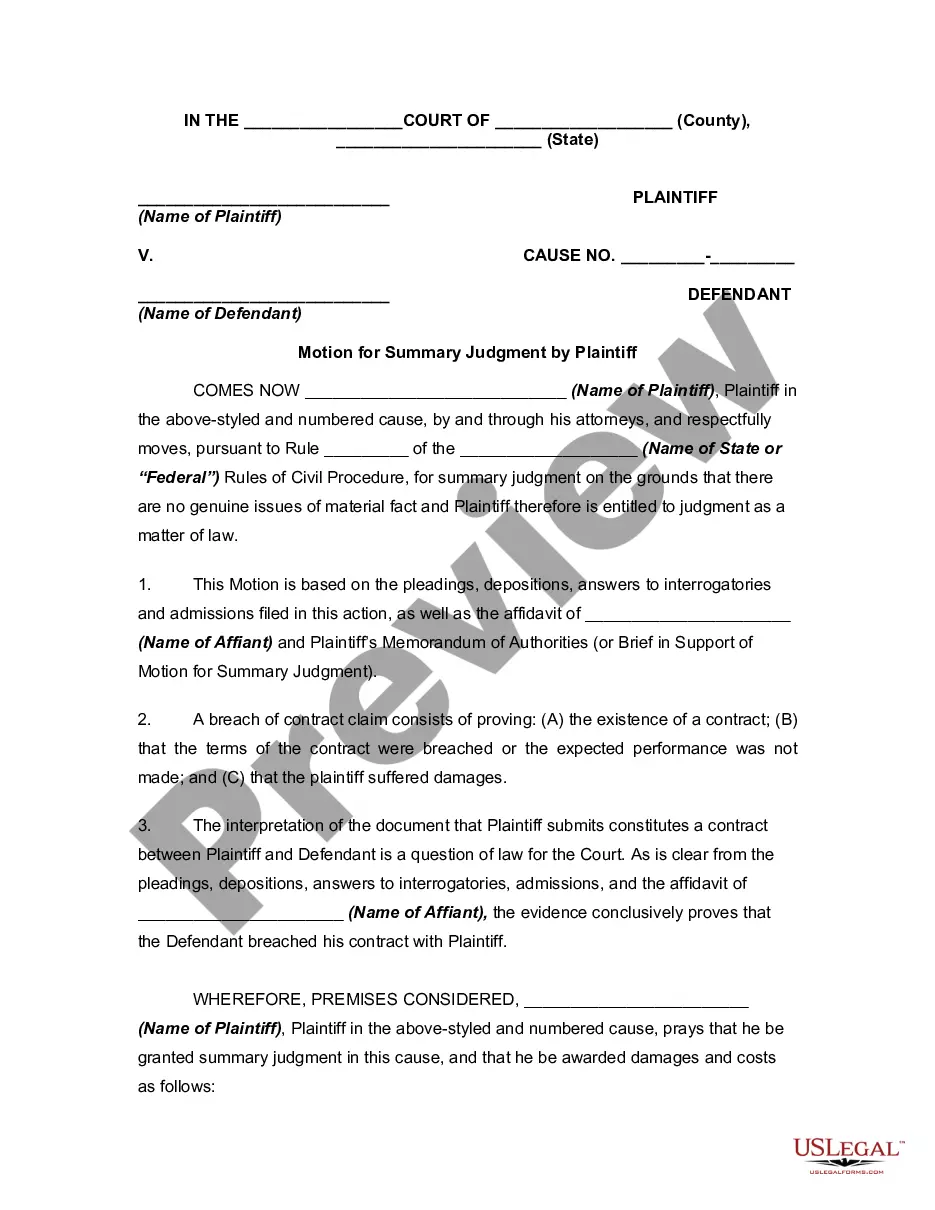
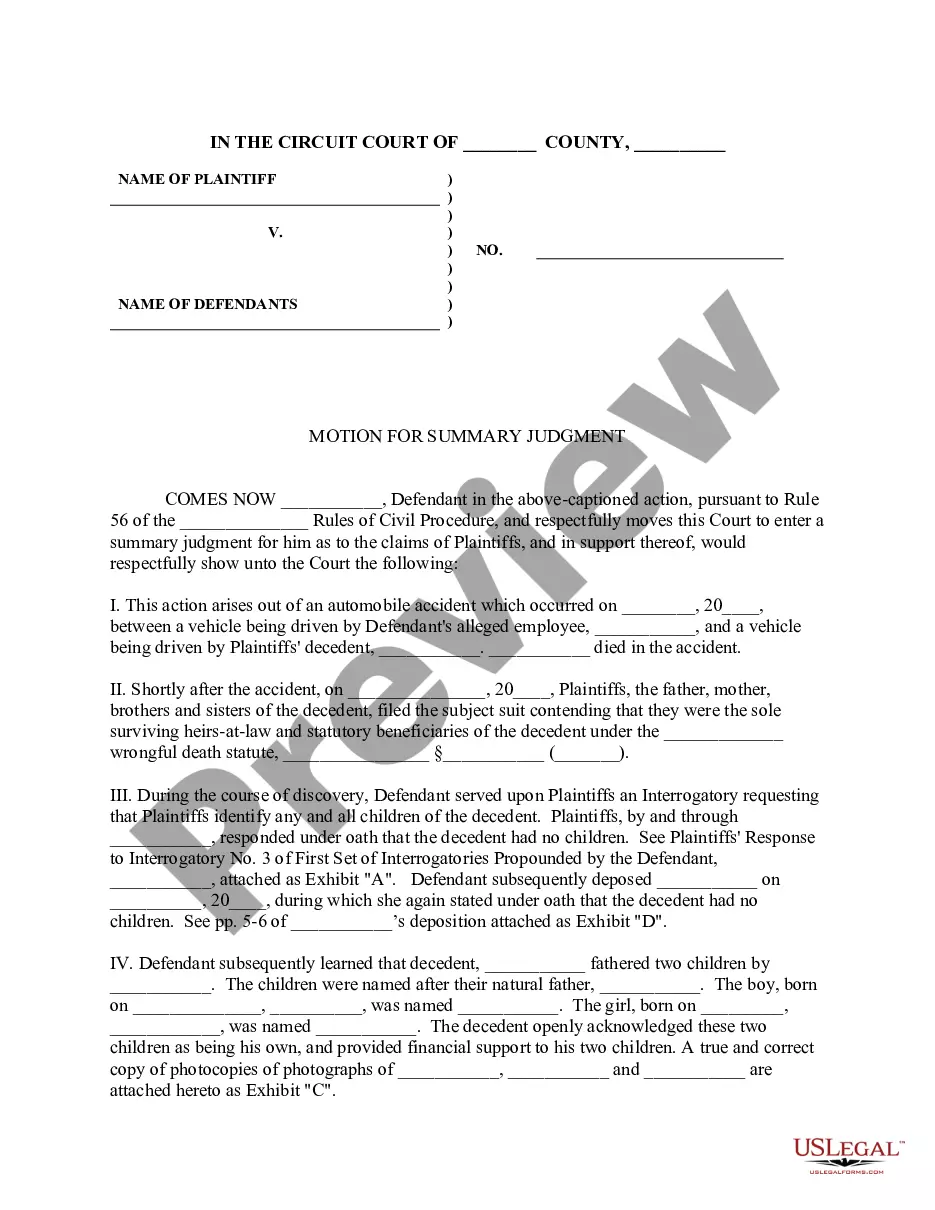
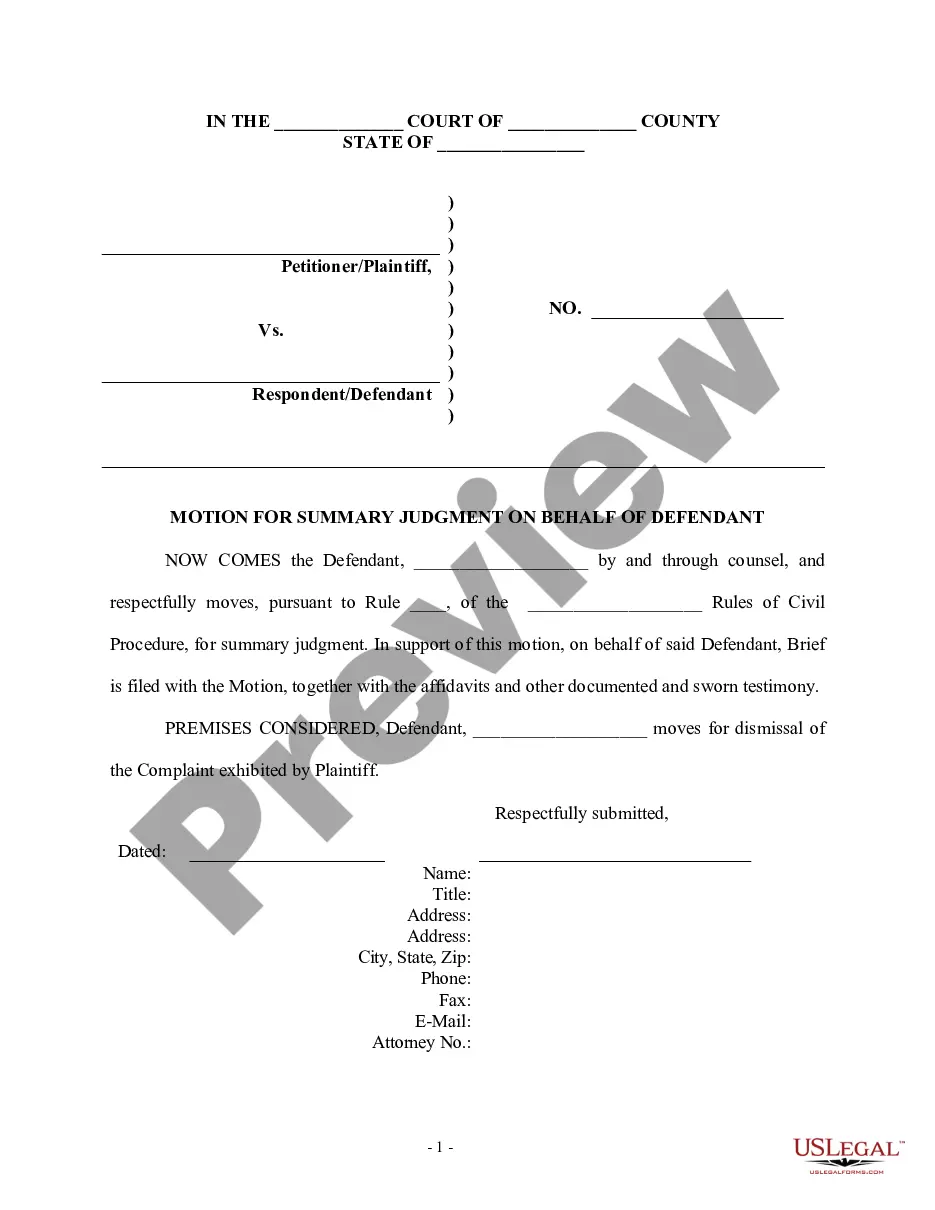
Mississippi Motion For Summary Judgment
Description
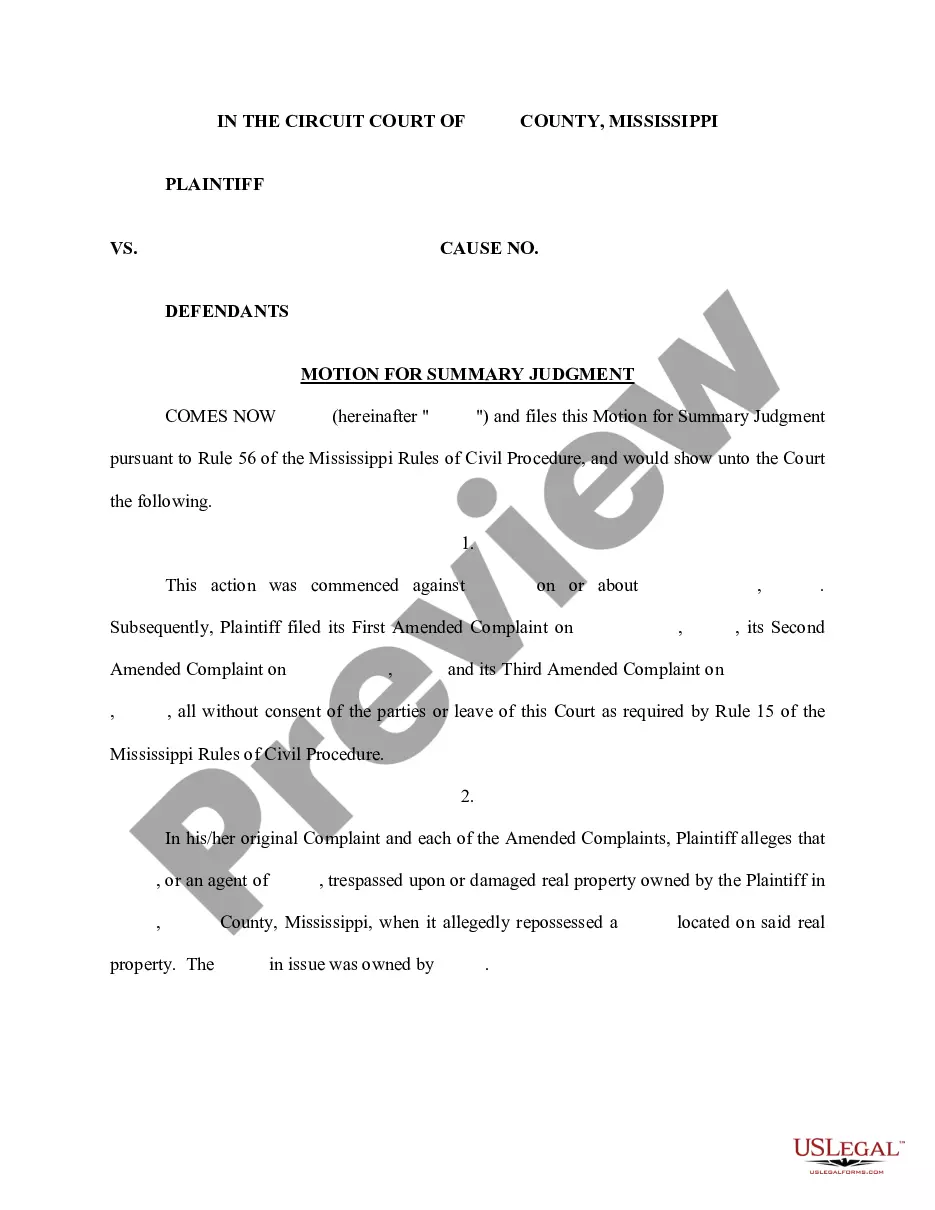
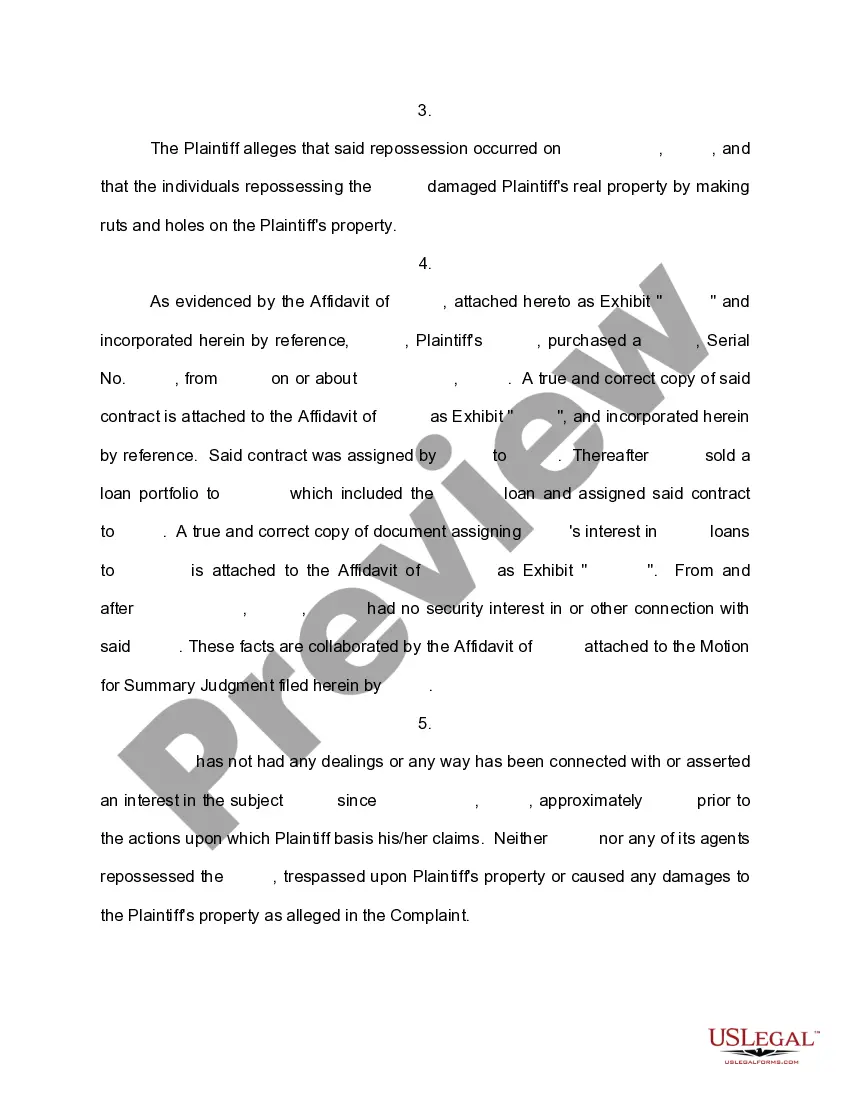
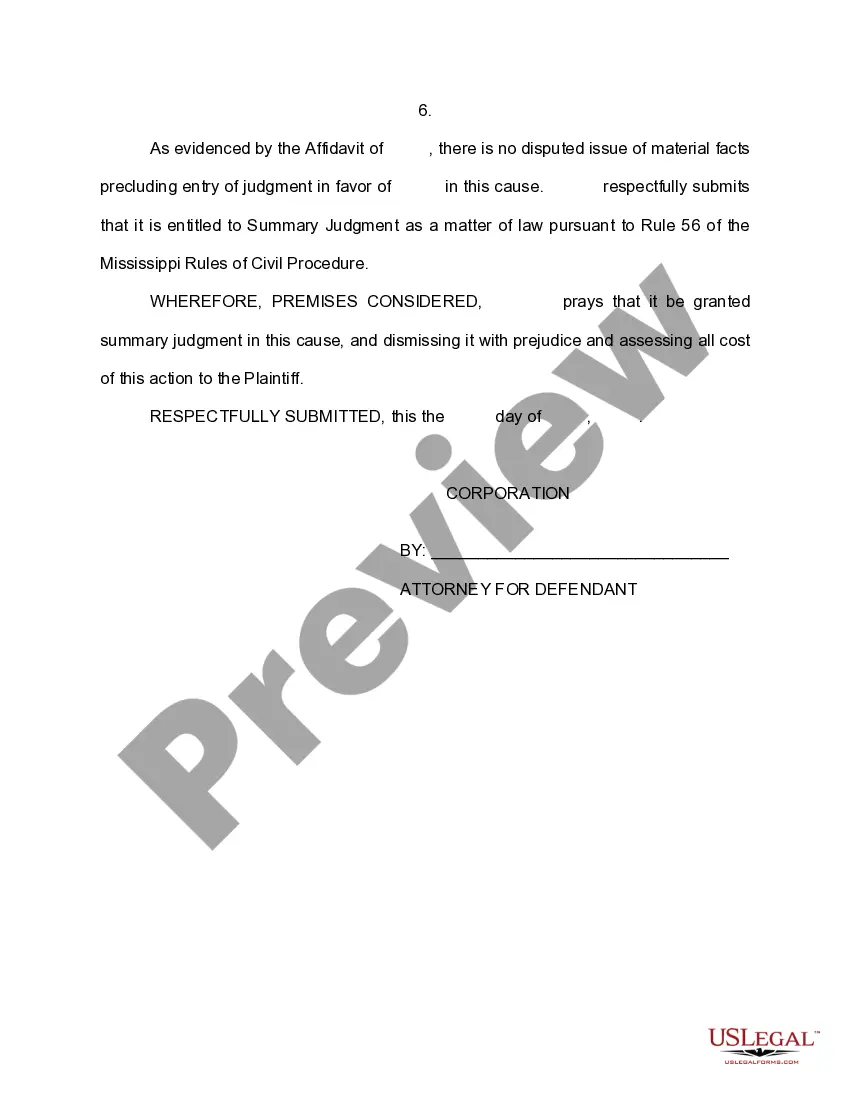

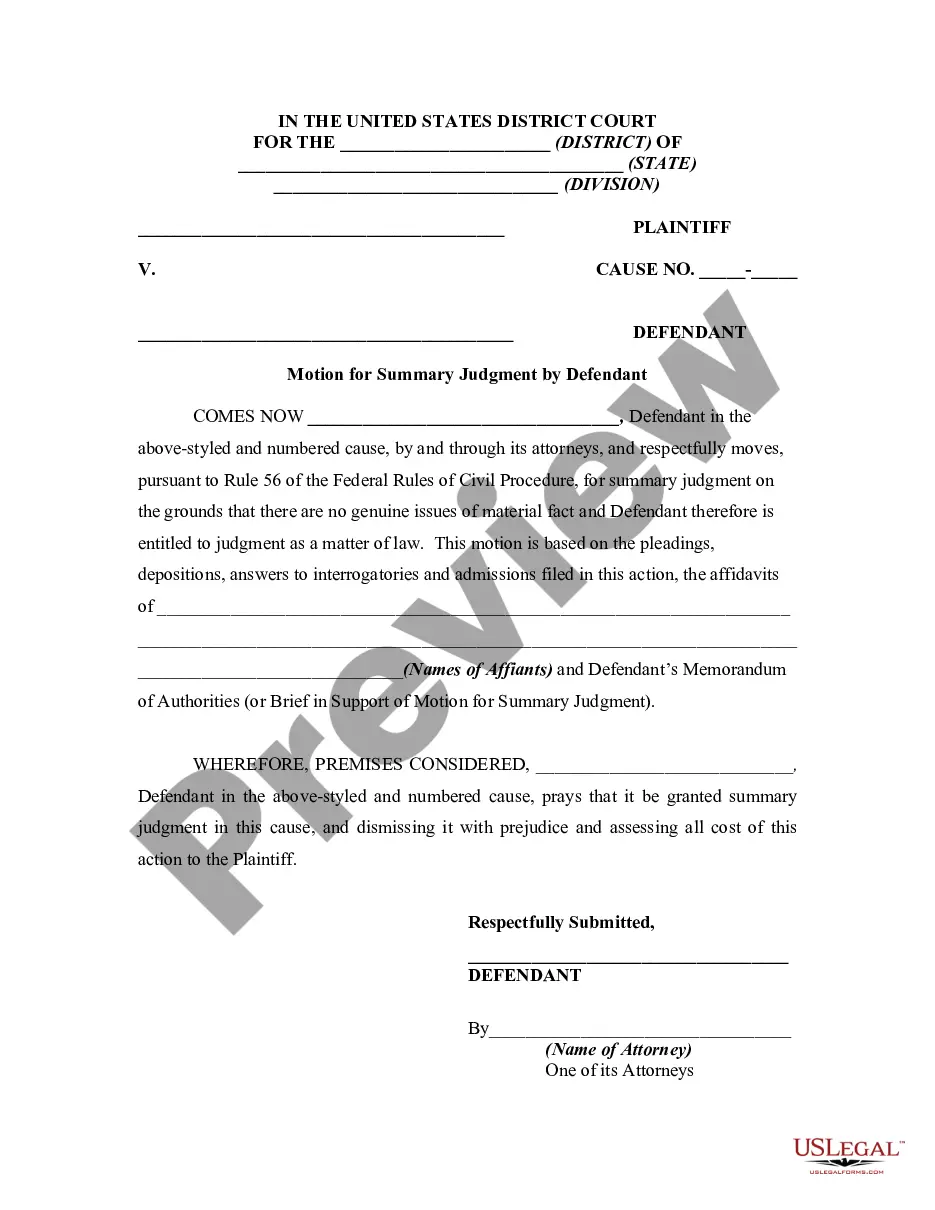
Get your form ready online
Our built-in tools help you complete, sign, share, and store your documents in one place.
Make edits, fill in missing information, and update formatting in US Legal Forms—just like you would in MS Word.
Download a copy, print it, send it by email, or mail it via USPS—whatever works best for your next step.
Sign and collect signatures with our SignNow integration. Send to multiple recipients, set reminders, and more. Go Premium to unlock E-Sign.
If this form requires notarization, complete it online through a secure video call—no need to meet a notary in person or wait for an appointment.
We protect your documents and personal data by following strict security and privacy standards.

Make edits, fill in missing information, and update formatting in US Legal Forms—just like you would in MS Word.

Download a copy, print it, send it by email, or mail it via USPS—whatever works best for your next step.

Sign and collect signatures with our SignNow integration. Send to multiple recipients, set reminders, and more. Go Premium to unlock E-Sign.

If this form requires notarization, complete it online through a secure video call—no need to meet a notary in person or wait for an appointment.

We protect your documents and personal data by following strict security and privacy standards.
Looking for another form?






Form popularity
FAQ
The rules governing a Mississippi motion for summary judgment require that the moving party demonstrate there are no genuine disputes of material fact. This involves presenting evidence such as affidavits, depositions, or documents. Both parties have the opportunity to present their case, and the court will assess the evidence to determine if a trial is needed. Utilizing a comprehensive legal platform like USLegalForms can provide guidance and resources to ensure compliance with these rules.
It is generally advantageous to file a Mississippi motion for summary judgment after conducting discovery. This allows you to gather sufficient evidence to support your claims or defenses effectively. By waiting until after discovery, you can present a more compelling argument based on the facts you have uncovered. Thus, timing matters significantly in the effectiveness of your motion.
Plaintiffs often face more challenges when pursuing a Mississippi motion for summary judgment because they carry the burden of proof. They must demonstrate that there are no disputes on material facts that favor their claims. On the other hand, defendants typically aim to show a lack of evidence supporting the plaintiff's case, which can make their position easier when arguing for summary judgment. Therefore, understanding these dynamics is essential when navigating your case.
A Mississippi motion for summary judgment can be filed after the discovery process but before the trial. Discovery allows parties to gather evidence and understand the case better, which is vital for making a strong summary judgment motion. By having the necessary facts and information at hand, you can effectively argue why the court should grant the motion. This process ensures that your arguments are well-grounded and supported.
Yes, a Mississippi motion for summary judgment typically occurs before the trial begins. This motion seeks to resolve part or all of a case without a trial by demonstrating that there are no genuine issues of material fact. By filing this motion, parties can save time and resources if the court agrees that a decision can be made based on the evidence presented. Therefore, it plays a crucial role in streamlining litigation.
