Maryland Real Estate Withholding Exemption Form
Description
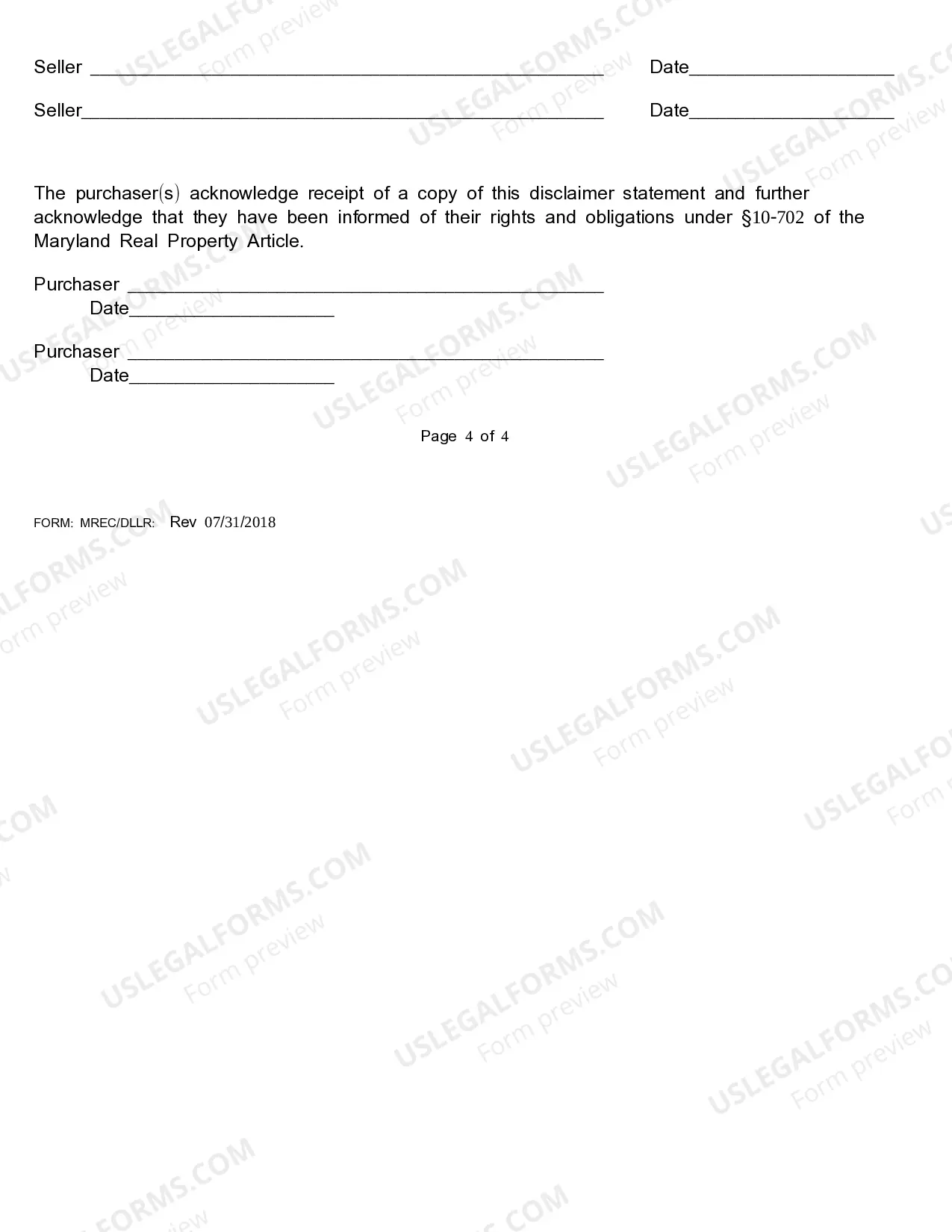
Get your form ready online
Our built-in tools help you complete, sign, share, and store your documents in one place.
Make edits, fill in missing information, and update formatting in US Legal Forms—just like you would in MS Word.
Download a copy, print it, send it by email, or mail it via USPS—whatever works best for your next step.
Sign and collect signatures with our SignNow integration. Send to multiple recipients, set reminders, and more. Go Premium to unlock E-Sign.
If this form requires notarization, complete it online through a secure video call—no need to meet a notary in person or wait for an appointment.
We protect your documents and personal data by following strict security and privacy standards.

Make edits, fill in missing information, and update formatting in US Legal Forms—just like you would in MS Word.

Download a copy, print it, send it by email, or mail it via USPS—whatever works best for your next step.

Sign and collect signatures with our SignNow integration. Send to multiple recipients, set reminders, and more. Go Premium to unlock E-Sign.

If this form requires notarization, complete it online through a secure video call—no need to meet a notary in person or wait for an appointment.

We protect your documents and personal data by following strict security and privacy standards.
Looking for another form?



Form popularity
FAQ
A withholding exemption certificate signifies that you are exempt from tax withholding on the sale of your property in Maryland. It relates directly to the Maryland real estate withholding exemption form, outlining the specifics of your eligibility. Having this certificate allows you to retain more of your sale proceeds, which can be essential for reinvestment or future purchases.
A Maryland withholding exemption certificate is an official document that verifies your eligibility for tax exemption during the sale of real estate. It is linked directly to the Maryland real estate withholding exemption form, which outlines the criteria for qualifying sellers. By obtaining this certificate, you can proceed with your transaction without unnecessary tax deductions.
Filling out the Maryland real estate withholding exemption form requires gathering basic information about the property and the transaction. You need to provide details such as the seller's name, property address, and reason for claiming the exemption. Once you complete the form, submit it to the appropriate tax authority to secure your exemption.
A certificate of exemption serves as a formal document that allows you to avoid withholding certain taxes on real estate transactions. Specifically, in Maryland, the Maryland real estate withholding exemption form helps sellers qualify for tax exemptions, ensuring they do not face unnecessary deductions. This certificate is crucial for those who may not owe taxes on the sale proceeds, providing clarity and financial relief.
The 505 form for Maryland is a key document used for reporting real estate transactions and determining withholding obligations. It is also known as the Maryland real estate withholding exemption form, and it helps sellers identify if they qualify for exemptions. Completing this form accurately is vital for ensuring compliance with state tax laws. For assistance in filling out this form, uslegalforms offers a range of resources to guide you through the process smoothly.
The 1099G form in Maryland is used to report certain government payments to taxpayers, including income tax refunds, credits, or offsets. While it is not directly related to the Maryland real estate withholding exemption form, understanding this form can help you better grasp your overall tax obligations. If you receive a 1099G form, it’s crucial to include it in your tax filings to avoid discrepancies. By keeping detail-oriented records, you can simplify your tax preparation process.
Code 8 505 refers to the specific designation used on the Maryland real estate withholding exemption form for reporting transactions related to certain exemptions. This code helps to categorize the type of exemption being claimed and is essential for accurate tax reporting. If you are unsure about how to use this code effectively, seeking guidance from a tax expert can provide clarity. Proper use of this code helps streamline the reporting process and ensures compliance.
MD form 510 must be filed by individuals or entities that are involved in the sale of real property in Maryland. This includes both sellers and certain buyers who may have to report the transaction for tax purposes. Filing this form is essential for complying with Maryland tax laws, particularly if the Maryland real estate withholding exemption form does not apply. Staying compliant helps avoid potential penalties and ensures a smooth transaction.
The IL 505 form is used in Maryland for reporting real estate transactions. It plays a crucial role in the Maryland real estate withholding exemption process. If you are selling property and may qualify for an exemption, this form is essential to determine your withholding obligations. Understanding this form helps you navigate the complexities of real estate transactions.
The number of exemptions you should claim on Maryland withholding depends on your personal financial situation, including your income and tax obligations. You typically want to balance your withholding to ensure you neither owe too much at tax time nor get a large refund. Assessing your deductions, credits, and financial goals can aid in determining the correct number of exemptions. Consulting with a tax professional or using resources like the Maryland real estate withholding exemption form can also provide further guidance on this decision.
