Right To Quiet Enjoyment Maryland Foreclosure
Description

Get your form ready online
Our built-in tools help you complete, sign, share, and store your documents in one place.
Make edits, fill in missing information, and update formatting in US Legal Forms—just like you would in MS Word.
Download a copy, print it, send it by email, or mail it via USPS—whatever works best for your next step.
Sign and collect signatures with our SignNow integration. Send to multiple recipients, set reminders, and more. Go Premium to unlock E-Sign.
If this form requires notarization, complete it online through a secure video call—no need to meet a notary in person or wait for an appointment.
We protect your documents and personal data by following strict security and privacy standards.

Make edits, fill in missing information, and update formatting in US Legal Forms—just like you would in MS Word.

Download a copy, print it, send it by email, or mail it via USPS—whatever works best for your next step.

Sign and collect signatures with our SignNow integration. Send to multiple recipients, set reminders, and more. Go Premium to unlock E-Sign.

If this form requires notarization, complete it online through a secure video call—no need to meet a notary in person or wait for an appointment.

We protect your documents and personal data by following strict security and privacy standards.
Looking for another form?

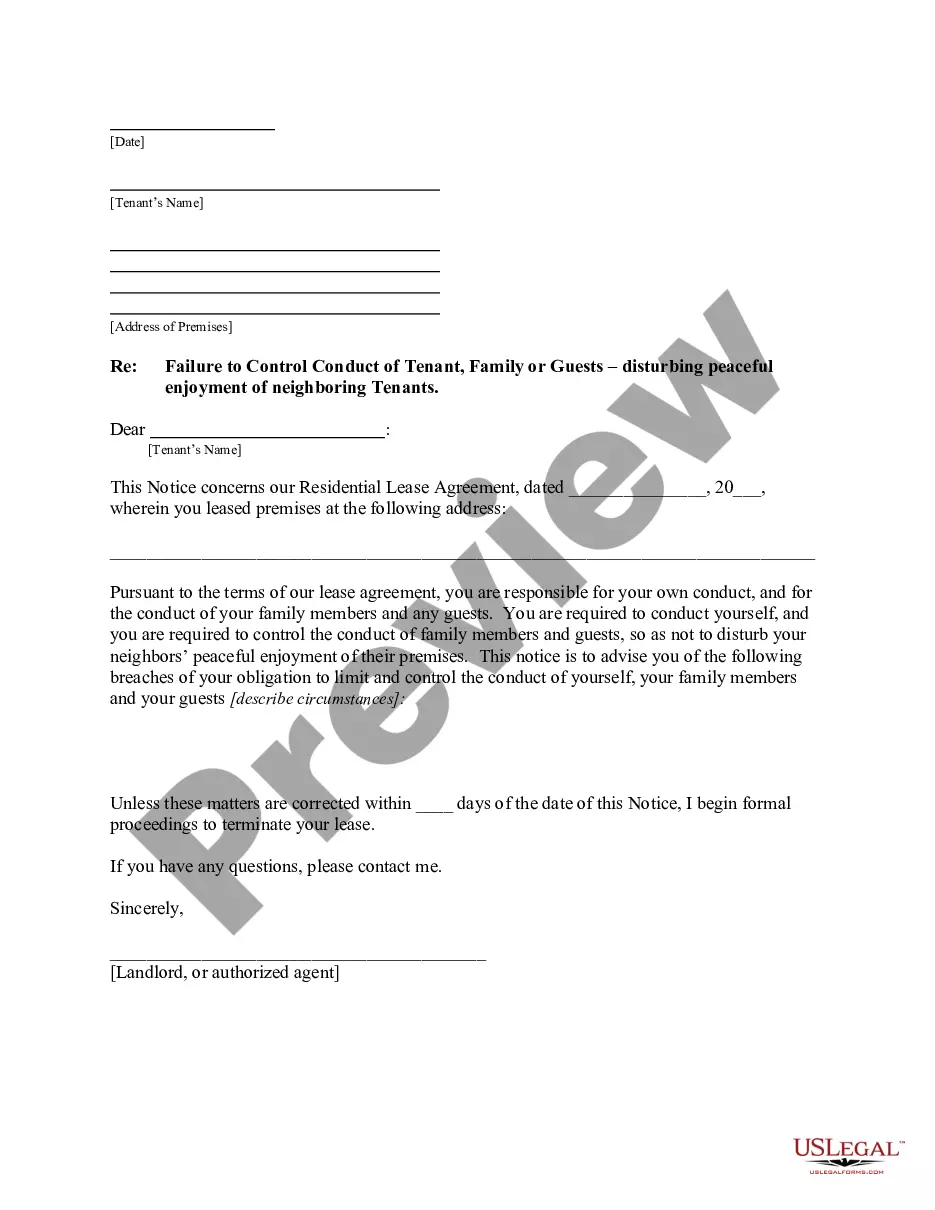
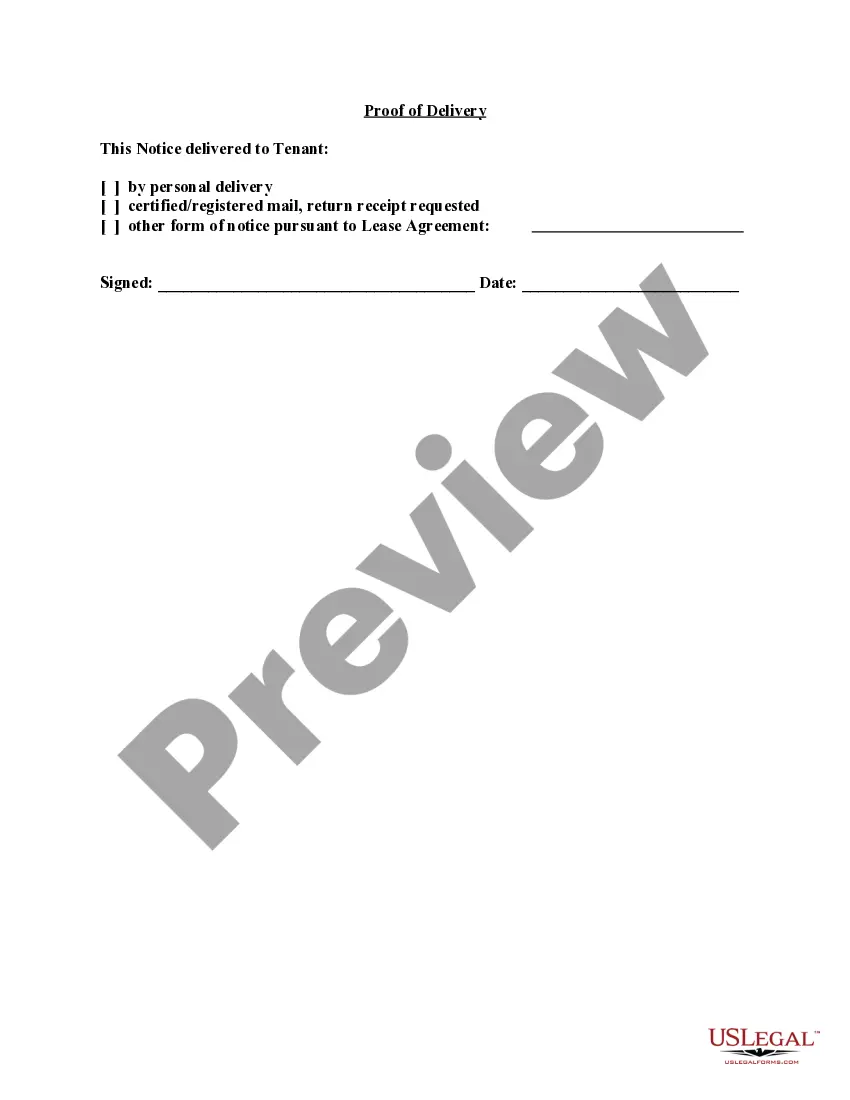
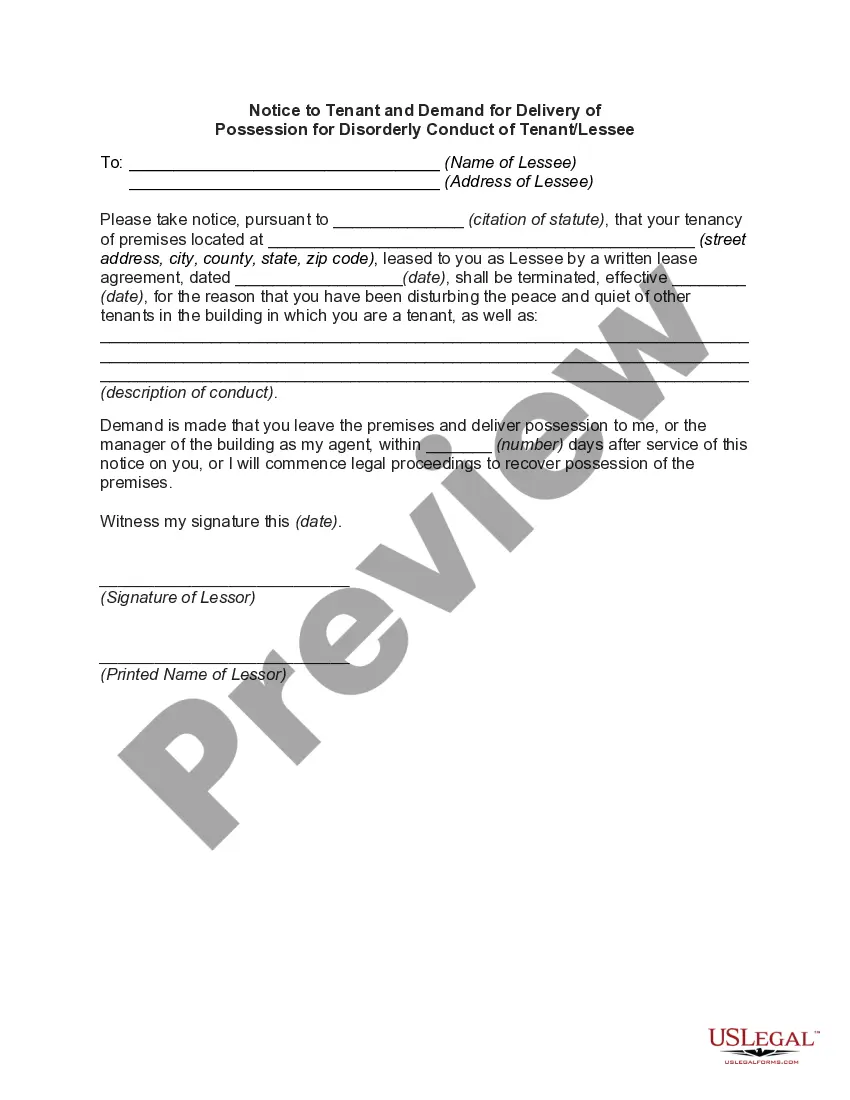
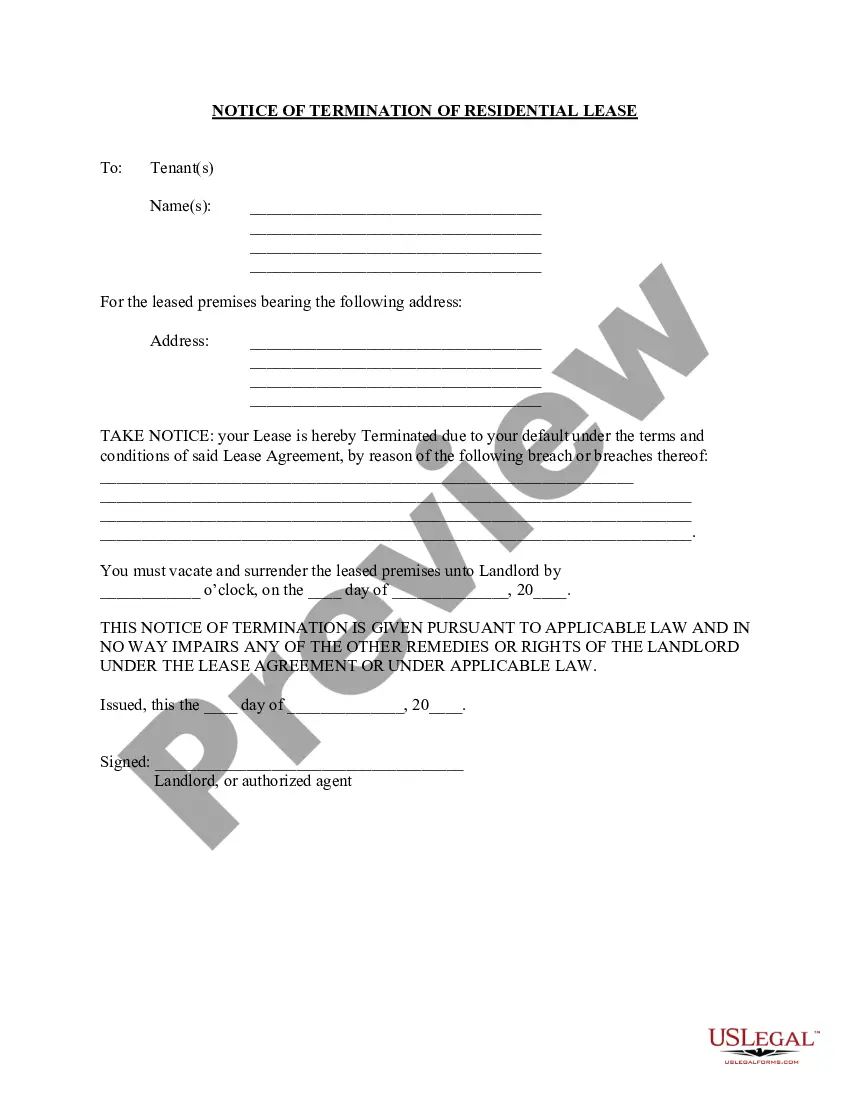
How to fill out Maryland Letter From Landlord To Tenant As Notice To Tenant Of Tenant's Disturbance Of Neighbors' Peaceful Enjoyment To Remedy Or Lease Terminates?
Managing legal documents and processes can be a lengthy addition to your overall day.
Right To Quiet Enjoyment Maryland Foreclosure and similar forms generally necessitate that you locate them and navigate the steps to fill them out correctly.
Thus, if you are addressing financial, legal, or personal issues, utilizing a comprehensive and user-friendly online repository of forms when required will be quite beneficial.
US Legal Forms is the premier online resource for legal templates, featuring over 85,000 state-specific documents and a variety of tools to assist you in completing your paperwork effortlessly.
Is this your first experience with US Legal Forms? Register and create an account in just a few minutes to gain access to the form library and Right To Quiet Enjoyment Maryland Foreclosure. Follow these steps to complete your form.
Confirm you have the correct form using the Preview function and reviewing the form details.
Click Buy Now when ready and choose the subscription plan that fits your requirements.
Select Download and then complete, eSign, and print the document.
- Browse the collection of relevant files available to you with just one click.
- US Legal Forms provides you with state- and county-specific templates accessible anytime for download.
- Protect your document management processes with a high-quality service that allows you to create any form within minutes without extra or hidden costs.
- Simply Log In to your account, search for Right To Quiet Enjoyment Maryland Foreclosure, and download it instantly from the My documents tab.
- You can also retrieve forms you've previously downloaded.
US Legal Forms has 25 years of experience assisting users in managing their legal documentation. Obtain the form you need today and streamline any process without hassle.
Form popularity
FAQ
A disturbance of quiet enjoyment occurs when someone interferes with your ability to use and enjoy your property peacefully. This can involve excessive noise, disruptive behavior, or actions by landlords or other parties that infringe upon your rights. In Maryland foreclosure cases, it's important to identify such disturbances, as they can impact your situation significantly. Utilizing resources like US Legal Forms can help you understand your rights and take the necessary steps to protect yourself.
The right to quiet enjoyment of your property ensures that you, as a homeowner, can use and enjoy your space without unnecessary interference. This legal principle protects you from disturbances caused by landlords, neighbors, or external factors. In the context of Maryland foreclosure, it is crucial to understand that this right remains intact even during the foreclosure process. By recognizing your rights, you can better navigate potential challenges and maintain your peace of mind.
In Maryland, noise complaint laws are designed to protect residents' right to quiet enjoyment, even in cases of foreclosure. Generally, excessive noise that disrupts your peace can be reported to local authorities. Maryland law allows for action against persistent noise disturbances, ensuring that all tenants and homeowners can enjoy their living spaces without undue interruption. If you are facing issues related to noise during a foreclosure situation, consider consulting with USLegalForms for guidance and resources tailored to your needs.
To prove a breach of quiet enjoyment, tenants must demonstrate that their ability to use the property peacefully has been disrupted. This may involve gathering evidence such as photographs, witness statements, or records of complaints made to the landlord. In Maryland foreclosure situations, it’s important to document any disturbances that may violate your right to quiet enjoyment. Platforms like USLegalForms can assist you in organizing this information and pursuing your rights effectively.
The quiet enjoyment law in Maryland establishes that tenants have the right to use their homes without interference. This law applies to all rental agreements and ensures that landlords maintain a habitable environment. In cases of Maryland foreclosure, it is vital for tenants to recognize how this law protects their rights during the process. Utilizing resources like USLegalForms can help clarify these laws and provide guidance for tenants seeking assistance.
A breach of quiet enjoyment occurs when a tenant's peaceful use and enjoyment of their property are significantly disturbed. Common causes include persistent noise, lack of essential services, or unwanted intrusions by the landlord. In Maryland foreclosure scenarios, understanding these violations helps tenants protect their rights. If you suspect a breach of the right to quiet enjoyment Maryland foreclosure, consider seeking legal advice to address the issue effectively.
In Maryland, the right to quiet enjoyment guarantees that tenants can use their leased property without undue interference. This legal principle protects tenants from disturbances that hinder their ability to enjoy their home. During a Maryland foreclosure, tenants should be aware of their rights, as any disruption can lead to violations of this important covenant. It's essential to know how the right to quiet enjoyment Maryland foreclosure affects your living situation.
A violation of the covenant of quiet enjoyment often occurs when a landlord disrupts a tenant's ability to use their rental property peacefully. Examples include excessive noise from construction, failure to address pest infestations, or unauthorized entry into the tenant's space. In Maryland foreclosure cases, tenants may find their right to quiet enjoyment compromised if the property is not maintained properly. Understanding these aspects is crucial for those navigating the right to quiet enjoyment Maryland foreclosure.