Quitclaim Deed With Covenant
Description



Get your form ready online
Our built-in tools help you complete, sign, share, and store your documents in one place.
Make edits, fill in missing information, and update formatting in US Legal Forms—just like you would in MS Word.
Download a copy, print it, send it by email, or mail it via USPS—whatever works best for your next step.
Sign and collect signatures with our SignNow integration. Send to multiple recipients, set reminders, and more. Go Premium to unlock E-Sign.
If this form requires notarization, complete it online through a secure video call—no need to meet a notary in person or wait for an appointment.
We protect your documents and personal data by following strict security and privacy standards.

Make edits, fill in missing information, and update formatting in US Legal Forms—just like you would in MS Word.

Download a copy, print it, send it by email, or mail it via USPS—whatever works best for your next step.

Sign and collect signatures with our SignNow integration. Send to multiple recipients, set reminders, and more. Go Premium to unlock E-Sign.

If this form requires notarization, complete it online through a secure video call—no need to meet a notary in person or wait for an appointment.

We protect your documents and personal data by following strict security and privacy standards.
Looking for another form?







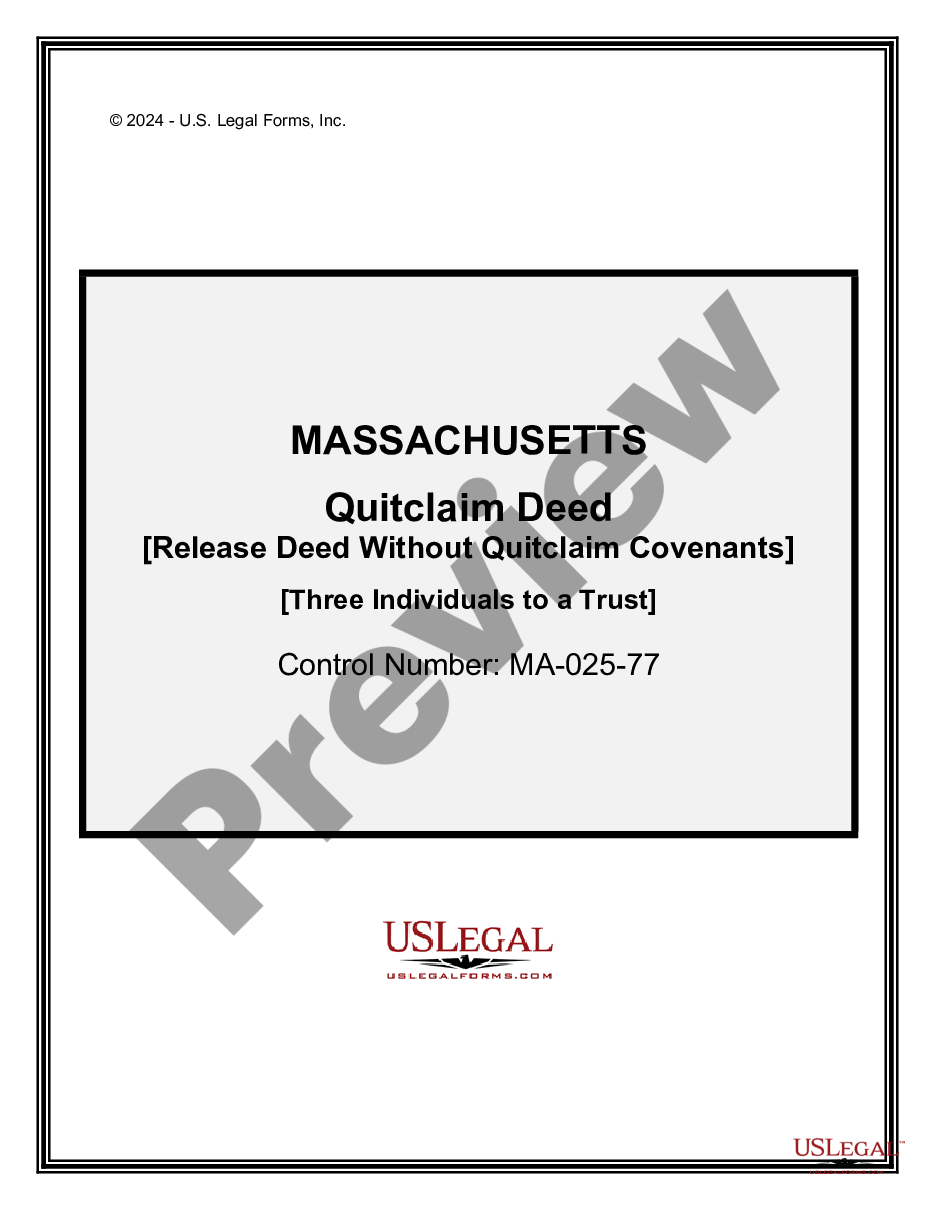
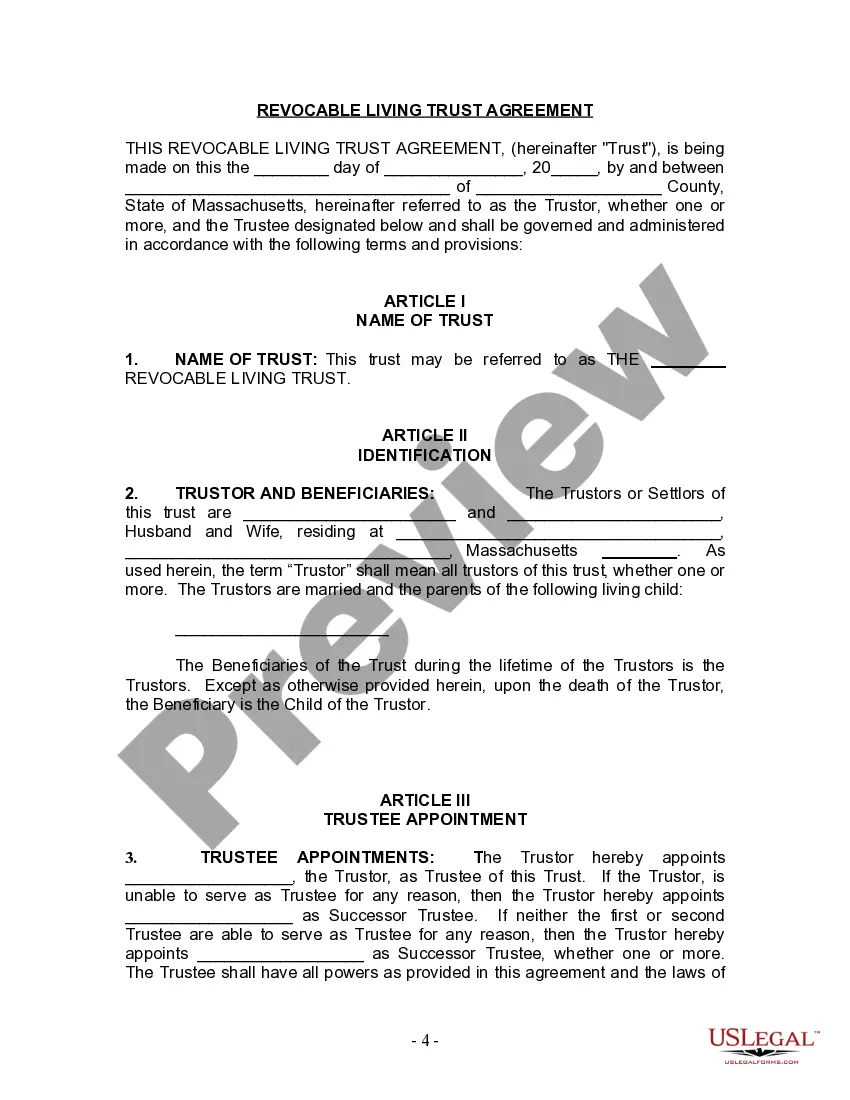
How to fill out Massachusetts Quitclaim Deed, W/O Quitclaim Covenants, From Three Individuals To A Trust?
- Visit the US Legal Forms website and log in to your existing account. Make sure your subscription is active; if not, renew it as needed.
- Search for 'Quitclaim deed with covenant' in the document library. Carefully review the preview and description to ensure it meets your jurisdiction's requirements.
- If the desired form is not suitable, utilize the search function to find an alternative template that fits your needs.
- Select and purchase the form by clicking the 'Buy Now' button and choosing your preferred subscription plan. You will be prompted to create an account if you haven't done so already.
- Complete the purchase by entering your payment information, either using a credit card or PayPal.
- Download the form to your device and access it at any time through the 'My Forms' section of your profile.
By following these simple steps, you can obtain a quitclaim deed with covenant quickly and efficiently. US Legal Forms offers a robust collection of documents and access to expert assistance, ensuring your legal needs are met.
Don't hesitate! Start accessing your legal documents today with US Legal Forms and simplify your property transfer process.
Form popularity
FAQ
A key disadvantage for a buyer receiving a quitclaim deed with covenant is the lack of warranty. Unlike other property transfers, this deed does not provide assurances about the title's quality or any hidden liens. Therefore, it is essential for buyers to conduct thorough research and obtain title insurance before accepting a quitclaim deed to protect against future complications.
Individuals in family situations often benefit the most from a quitclaim deed with covenant. For example, transferring property among family members avoids lengthy legal battles and reduces potential misunderstandings. Additionally, this deed provides peace of mind to the grantor, knowing their property is being handed over to someone they trust.
A quitclaim deed with covenant is typically used to transfer property ownership quickly and easily. People often use it during family transactions, such as when a parent passes property to a child or when spouses are dividing assets during a divorce. This deed allows for a straightforward transfer without extensive legal processes, making it a practical solution for many situations.
To fill out a quit claim deed with covenant, start by entering the names of the granter and grantee at the top of the form. Next, provide a legal description of the property, which can usually be found on the original deed or the title. Include the date of the transaction and any relevant property details. Finally, ensure both parties sign the document in the presence of a notary to validate the quitclaim deed with covenant.
Many people view quitclaims unfavorably due to the lack of warranties that come with this type of deed. A quitclaim deed with covenant does not guarantee that the grantor holds clear title to the property, potentially exposing the grantee to risks. Understanding this limitation is essential, and using USLegalForms can provide you with clear, straightforward information to make informed decisions.
Yes, you can complete a quitclaim deed with covenant by yourself, as long as you follow the necessary legal guidelines. However, to avoid mistakes that could complicate the transfer process, consider using user-friendly templates available on platforms like USLegalForms. Doing so can help you navigate the complexities of the legal environment smoothly.
A quitclaim deed with covenant is a specific type of quitclaim deed that includes additional promises regarding the property. This means that the grantor assures the grantee of certain rights or claims related to the property, even though it does not transfer ownership guarantees. This ensures greater security for the grantee regarding potential claims on the property.
You can prepare a quitclaim deed with covenant yourself if you understand the legal requirements involved. However, handling legal documents can be tricky, and small errors may lead to future complications. Utilizing resources from USLegalForms can guide you in creating a correct and effective quitclaim deed tailored to your needs.
Yes, a quitclaim deed with covenant can be handwritten, provided it includes all essential elements such as the grantor's and grantee's names, property description, and signatures. However, it’s often recommended to use a reliable template to ensure you don’t miss any legal requirements. Platforms like USLegalForms can help you create a compliant form without any hassle.
Several factors can void a quitclaim deed with covenant. For instance, a quitclaim deed may become void if it is not executed properly, lacks necessary signatures, or does not meet state requirements. Additionally, if the property was sold or transferred under duress, the deed might be challenged in court. It’s crucial to ensure proper handling to maintain the deed's validity.