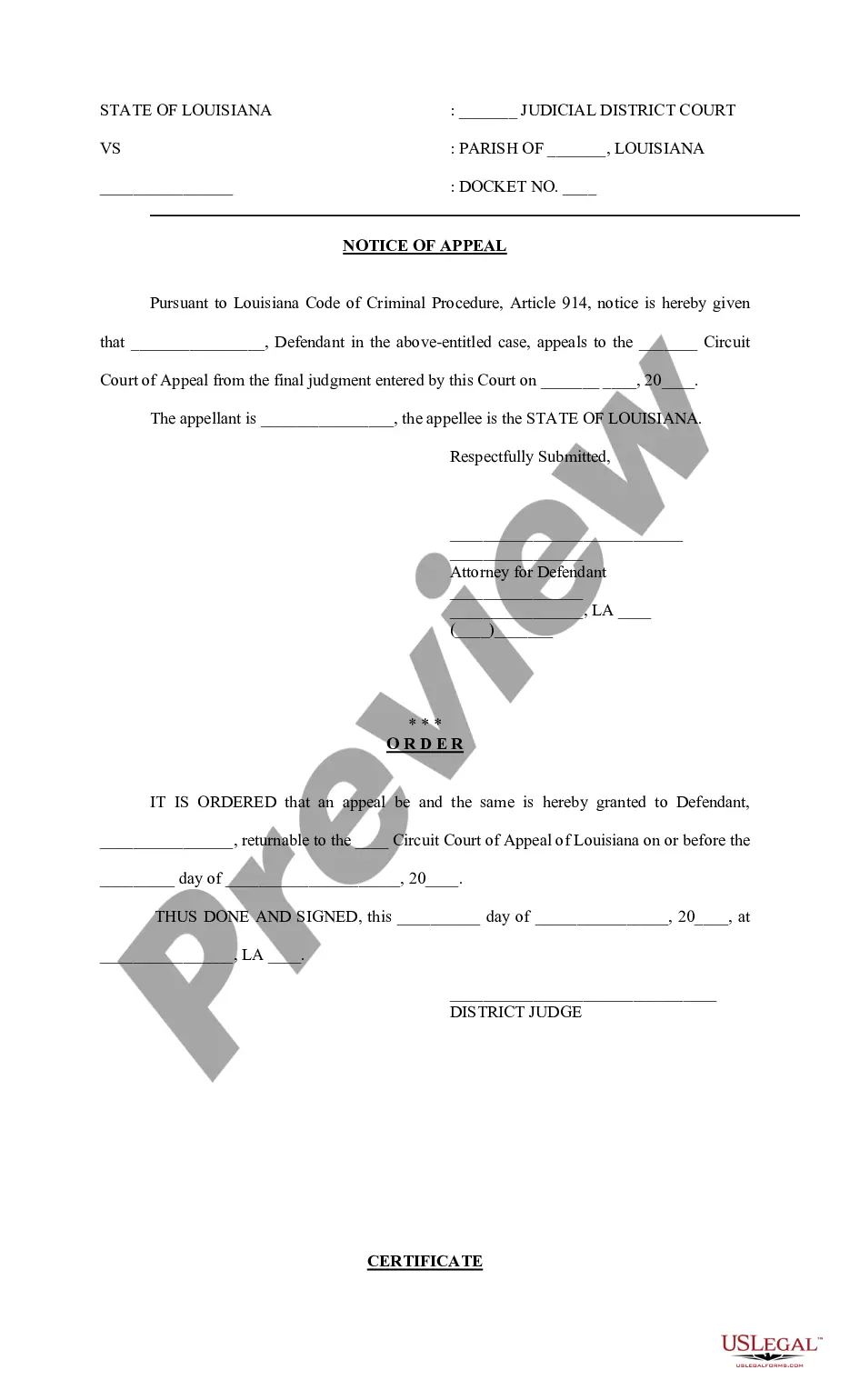
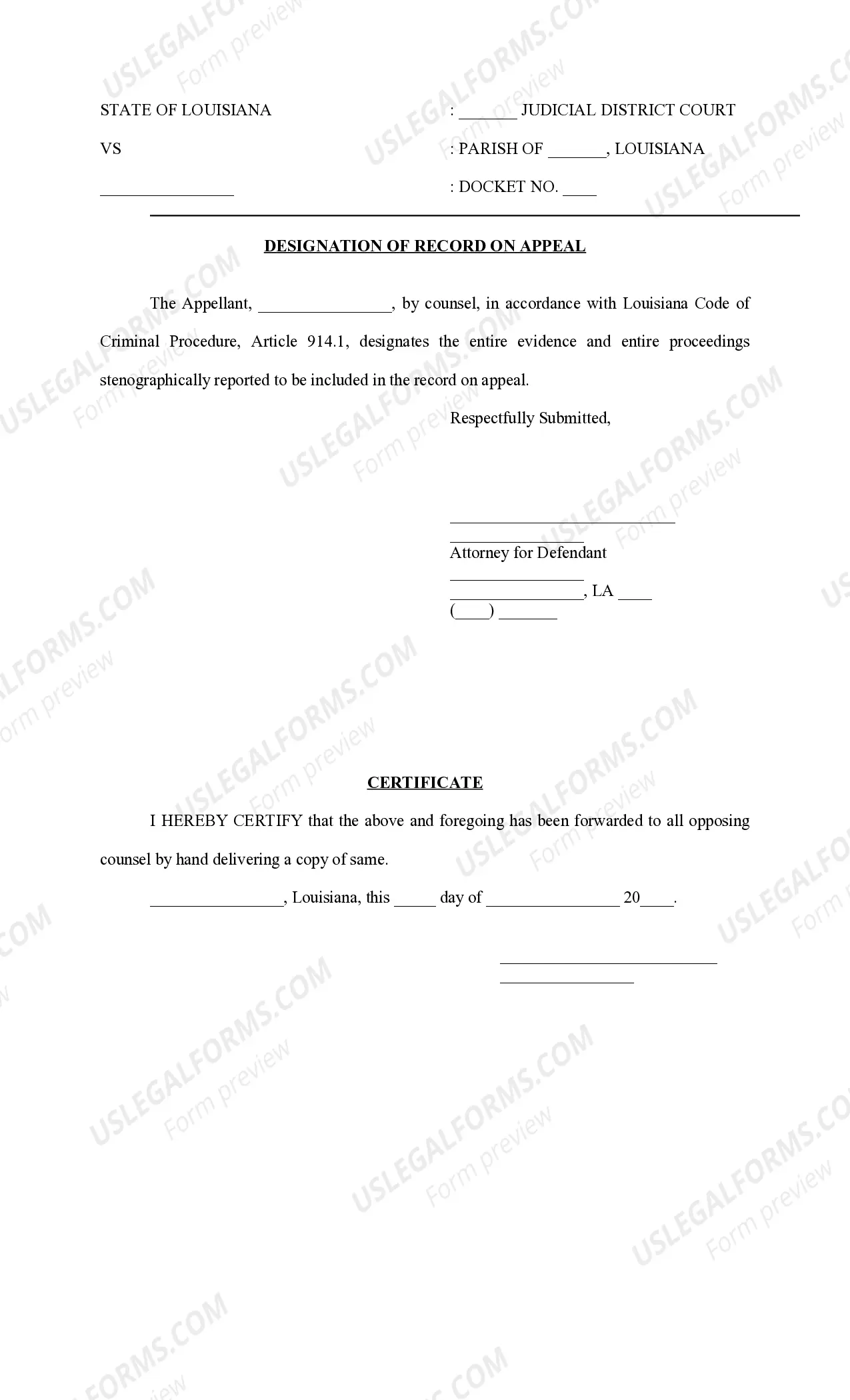
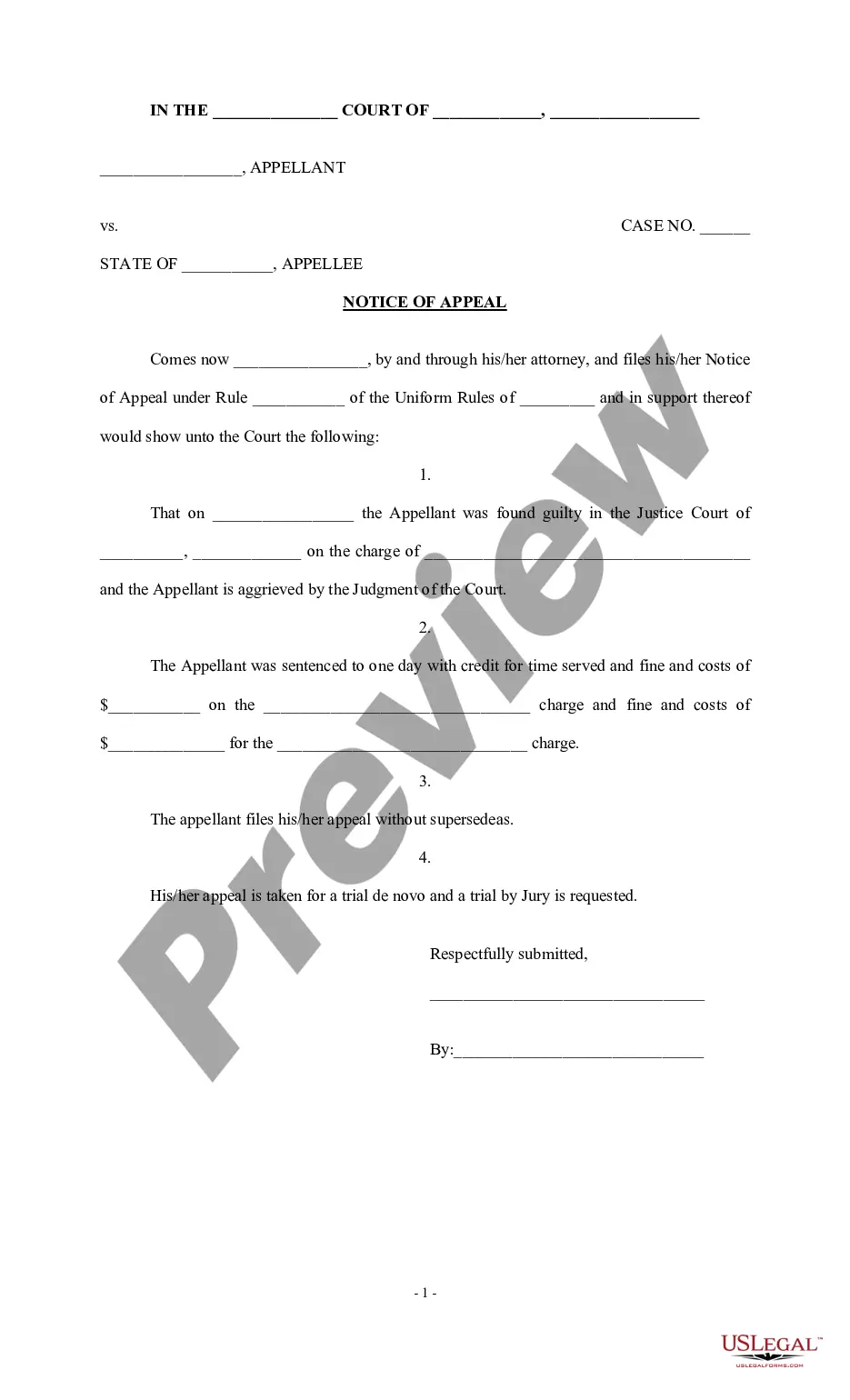
Notice Of Appeal Rights
Description
Get your form ready online
Our built-in tools help you complete, sign, share, and store your documents in one place.
Make edits, fill in missing information, and update formatting in US Legal Forms—just like you would in MS Word.
Download a copy, print it, send it by email, or mail it via USPS—whatever works best for your next step.
Sign and collect signatures with our SignNow integration. Send to multiple recipients, set reminders, and more. Go Premium to unlock E-Sign.
If this form requires notarization, complete it online through a secure video call—no need to meet a notary in person or wait for an appointment.
We protect your documents and personal data by following strict security and privacy standards.

Make edits, fill in missing information, and update formatting in US Legal Forms—just like you would in MS Word.

Download a copy, print it, send it by email, or mail it via USPS—whatever works best for your next step.

Sign and collect signatures with our SignNow integration. Send to multiple recipients, set reminders, and more. Go Premium to unlock E-Sign.

If this form requires notarization, complete it online through a secure video call—no need to meet a notary in person or wait for an appointment.

We protect your documents and personal data by following strict security and privacy standards.
Looking for another form?
How to fill out Louisiana Notice Of Appeal And Order?
- If you already have an account with US Legal Forms, log in to access your documents. Ensure your subscription is active; if it has lapsed, renew it as per your payment plan.
- For first-time users, start by examining form previews and descriptions. Confirm that the selected template meets your specific requirements and adheres to your jurisdiction's guidelines.
- If you need to find alternative templates, utilize the Search feature located above to locate the appropriate form. Ensure it aligns with your legal needs before proceeding.
- After identifying the correct document, click the 'Buy Now' button and select the subscription plan that best suits you. Remember, you’ll need to create an account to unlock full access.
- Finalize your purchase by entering your credit card information or opting to use your PayPal account for payment.
- Once your payment is confirmed, download the document. You can save it to your device and always find it later in the My Forms section of your profile.
In conclusion, US Legal Forms equips you with a vast array of legal documents, making the process of obtaining essential forms like the notice of appeal rights straightforward and stress-free. Don't hesitate to explore our extensive library for all your legal documentation needs.
Start your journey today and ensure you have access to the forms you need by visiting US Legal Forms!
Form popularity
FAQ
The main purpose of an appeal is to seek a review and potential reversal of a decision made by a lower court. This review process allows for concerns about the fairness or legality of the initial ruling to be addressed. A clear understanding of your notice of appeal rights is critical to navigating this process successfully.
A notice of appeal typically includes essential information such as the names of the parties involved, the specific decision being appealed, and the date of that decision. It must also detail the grounds for the appeal as per the notice of appeal rights. This document serves as the official starting point for legal proceedings to challenge a decision.
Appeal rights refer to the legal entitlements that allow individuals to challenge a decision in a higher court or authority. These rights ensure that everyone has a chance to seek justice if they believe an error was made. Familiarizing yourself with your notice of appeal rights will empower you to take the necessary steps to protect your interests.
The most common reason for an appeal is the belief that there was a legal error in the original trial or hearing that affected the outcome. These errors might include misinterpretations of the law or insufficient consideration of evidence. Being informed about your notice of appeal rights helps you recognize these issues and take appropriate action when necessary.
To write a powerful appeal letter, start by clearly stating the decision you are appealing. Use straightforward language to explain the reasons behind your appeal, supported by facts and evidence. It is essential to reference your notice of appeal rights, as these rights define the framework within which your argument fits.
The purpose of an appeal letter is to present your case and articulate why the previous decision should be reconsidered. This letter serves as an opportunity to highlight any errors or unfairness related to the decision. By knowing your notice of appeal rights, you can ensure your appeal has a strong basis and follows the required guidelines.
A letter of appeal is a formal document submitted to a higher authority or institution, requesting a review of a decision made by a lower court or agency. It expresses your dissatisfaction with the outcome and aims to overturn or modify the original ruling. Understanding notice of appeal rights is crucial, as it outlines the procedures for submitting such letters effectively.
Writing grounds for appeal requires clarity and precision. Start by clearly stating the specific decision you are appealing and the legal basis for your challenge. Next, provide a detailed rationale, supported by facts and evidence that were overlooked or misinterpreted in the original decision. Ensure your appeal clearly references your Notice of Appeal Rights to reinforce the validity of your argument.
The appeal process generally involves five key steps: First, you must file a notice of intent to appeal. Second, you gather and organize the evidence supporting your claim. Third, you submit your appeal request to the appropriate body. Fourth, you may need to participate in a hearing or provide additional information. Finally, you wait for the decision while keeping track of your Notice of Appeal Rights throughout the process.
Filling out an appeal form requires careful attention to detail. You should begin by reading the instructions provided on the form. Next, include all necessary information such as your personal details and the specifics of your case. Be sure to attach any supporting documents and proof of your Notice of Appeal Rights. Clear and concise responses will strengthen your appeal.