Notice Rent Increase With The Tenant
Description
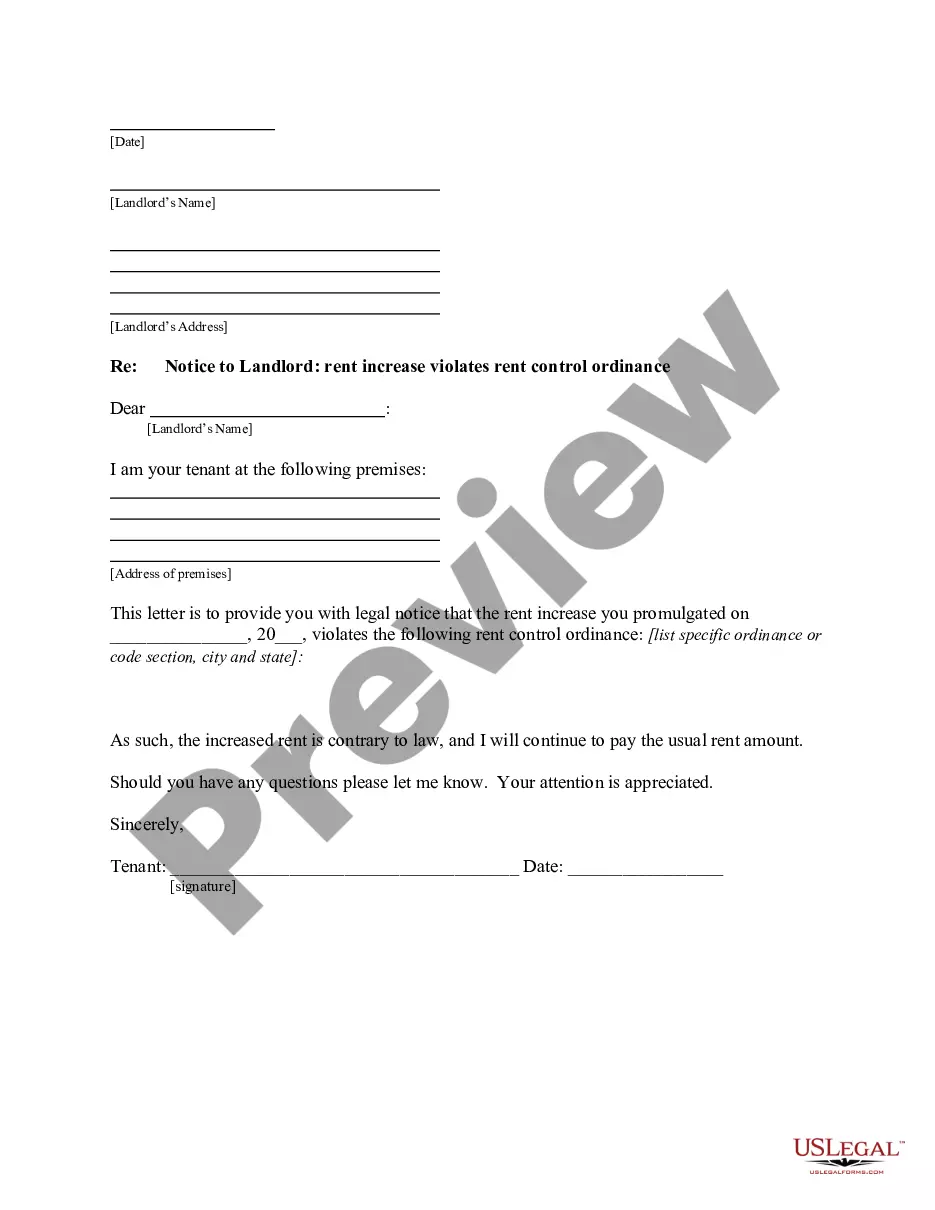
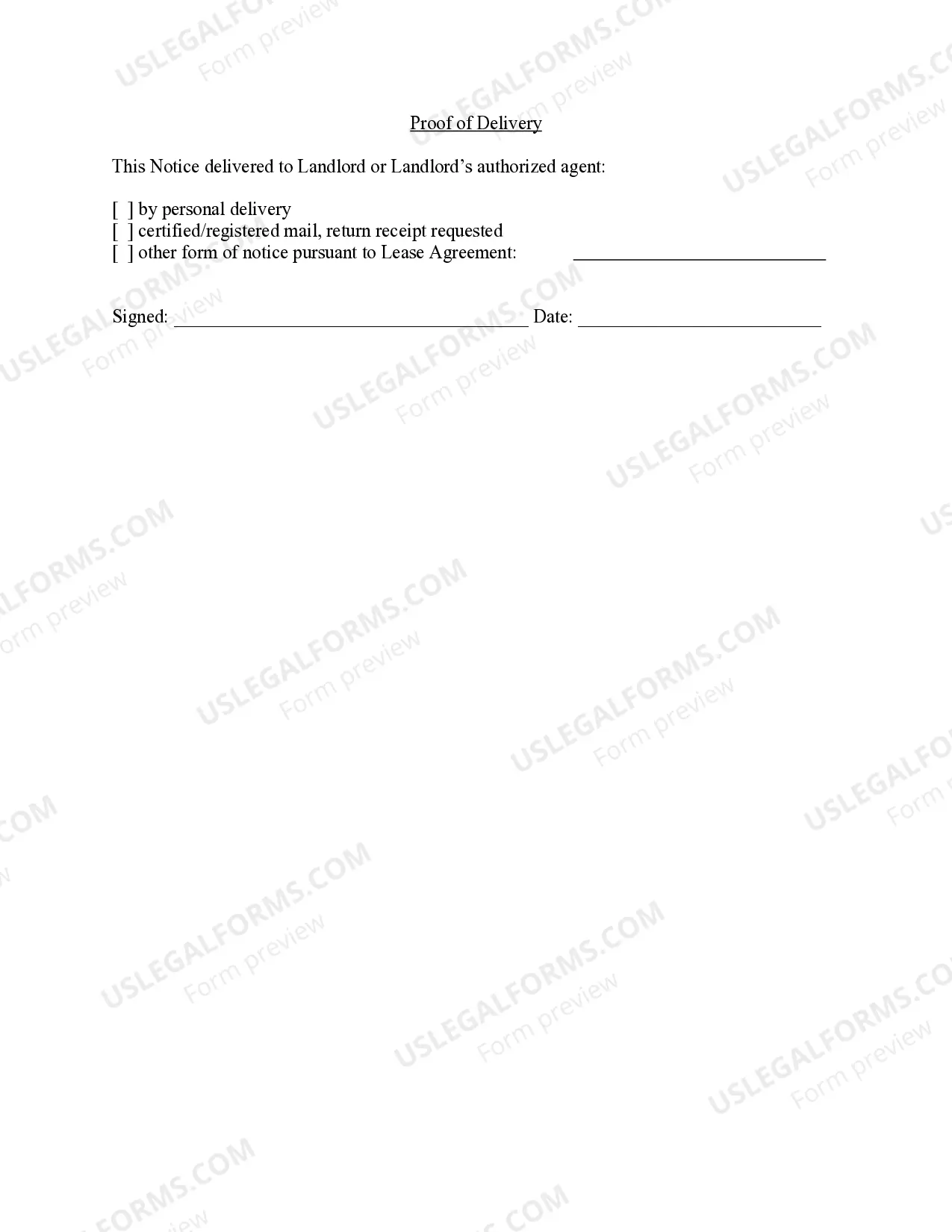

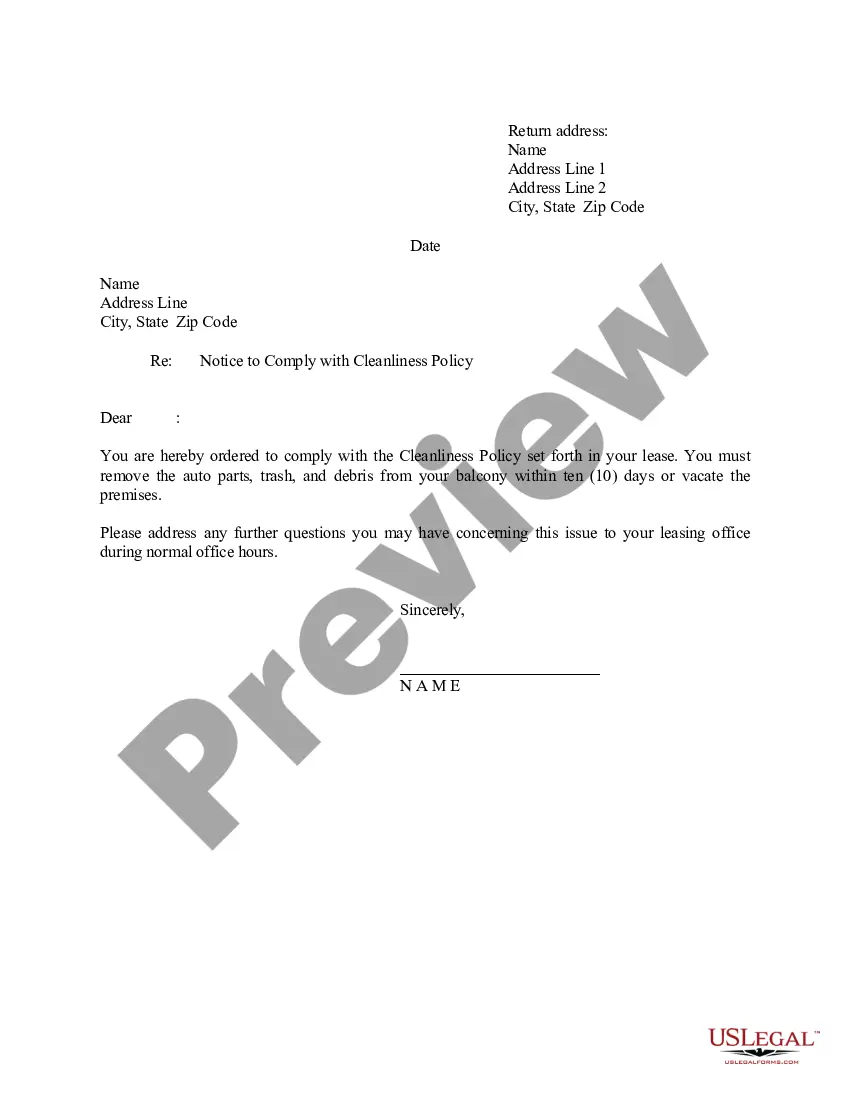
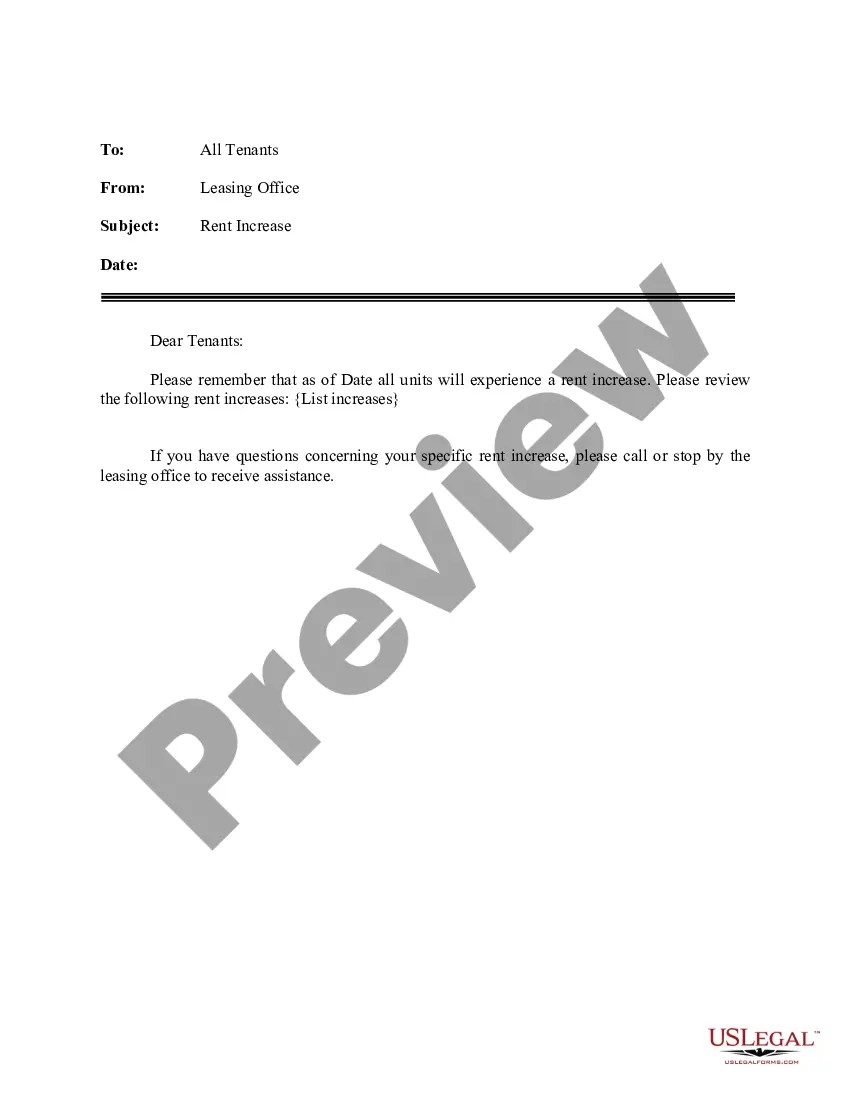
Get your form ready online
Our built-in tools help you complete, sign, share, and store your documents in one place.
Make edits, fill in missing information, and update formatting in US Legal Forms—just like you would in MS Word.
Download a copy, print it, send it by email, or mail it via USPS—whatever works best for your next step.
Sign and collect signatures with our SignNow integration. Send to multiple recipients, set reminders, and more. Go Premium to unlock E-Sign.
If this form requires notarization, complete it online through a secure video call—no need to meet a notary in person or wait for an appointment.
We protect your documents and personal data by following strict security and privacy standards.

Make edits, fill in missing information, and update formatting in US Legal Forms—just like you would in MS Word.

Download a copy, print it, send it by email, or mail it via USPS—whatever works best for your next step.

Sign and collect signatures with our SignNow integration. Send to multiple recipients, set reminders, and more. Go Premium to unlock E-Sign.

If this form requires notarization, complete it online through a secure video call—no need to meet a notary in person or wait for an appointment.

We protect your documents and personal data by following strict security and privacy standards.
Looking for another form?

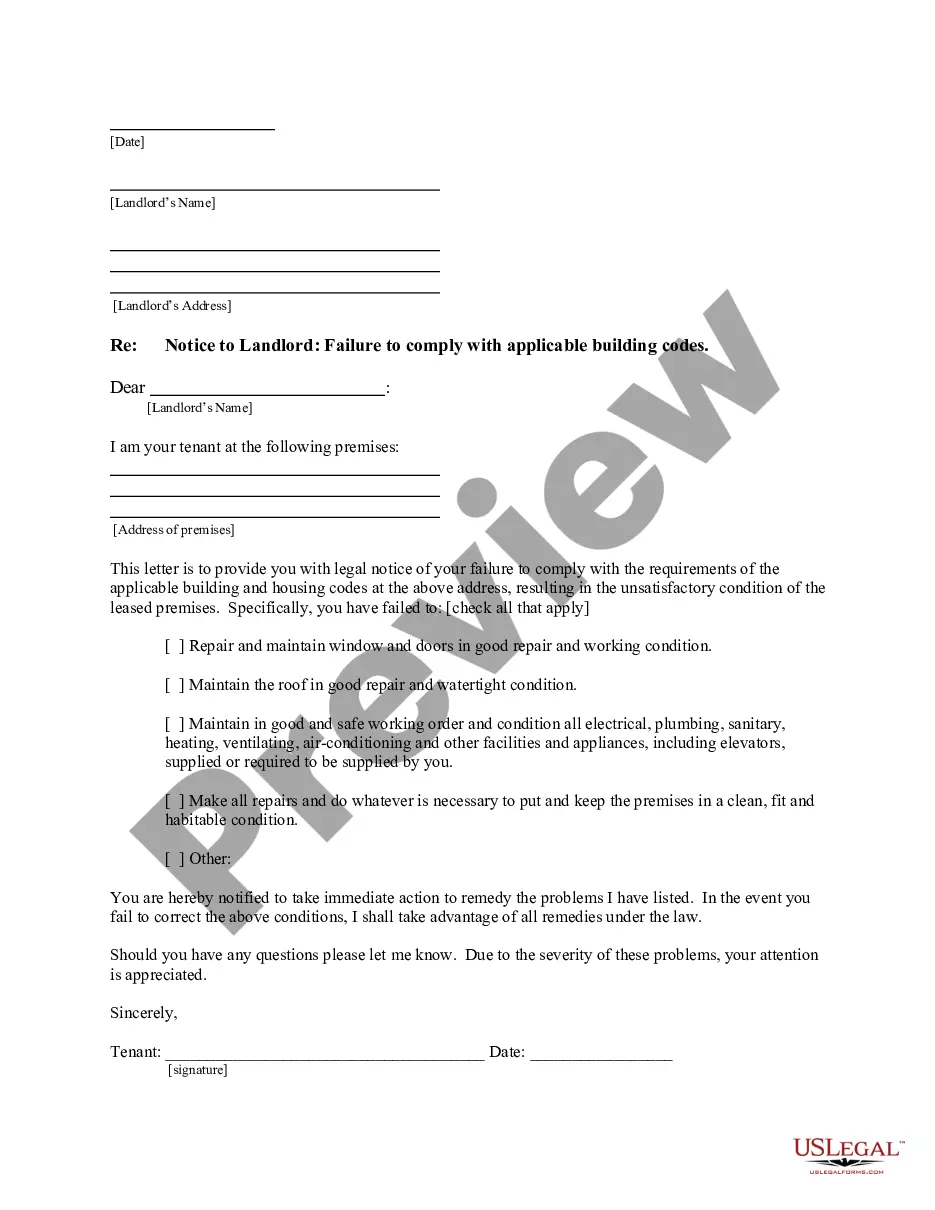

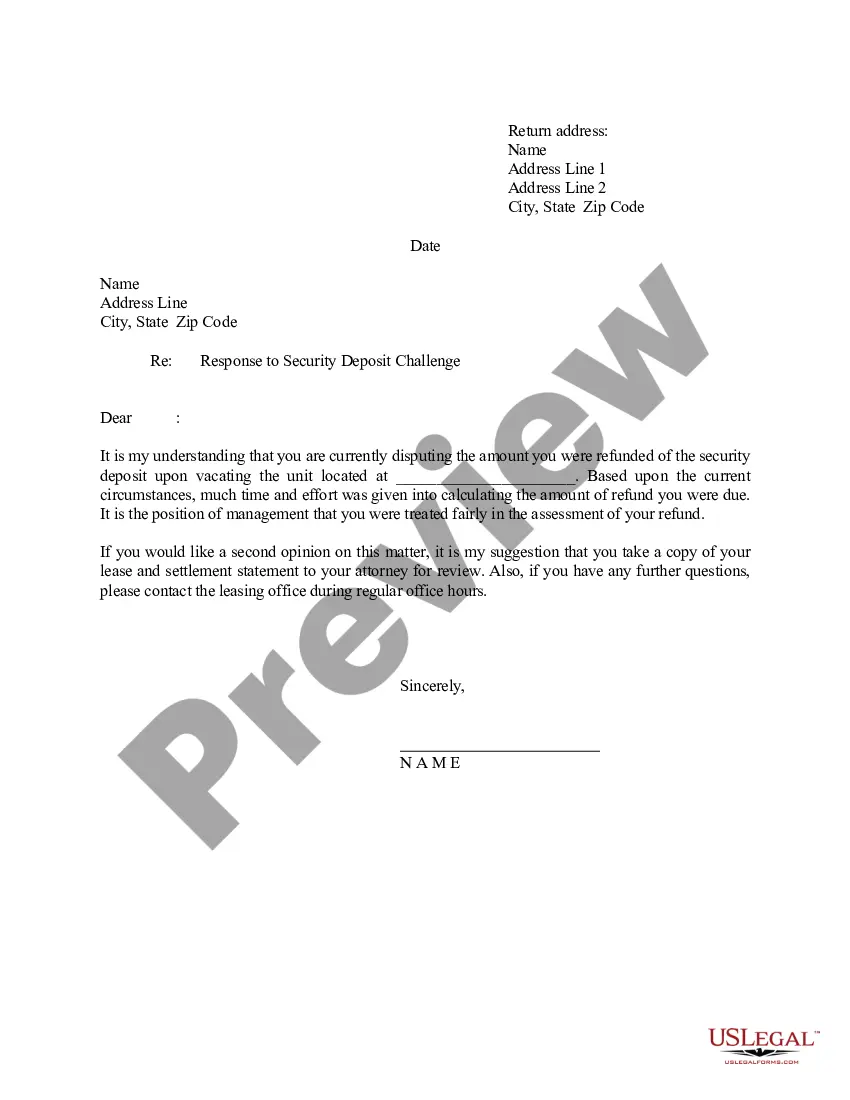
How to fill out Louisiana Letter From Tenant To Landlord Containing Notice To Landlord To Withdraw Improper Rent Increase Due To Violation Of Rent Control Ordinance?
- Access your US Legal Forms account. If you're a returning user, log in to download the necessary form template. Ensure your subscription is active; if it's expired, renew it based on your payment plan.
- Review the form description in Preview mode. This ensures that you have selected a template that aligns with your legal jurisdiction and specific situation.
- Use the Search tab if you need alternative templates. Finding the correct document is crucial for compliance and efficiency.
- Select a subscription plan. Click on the Buy Now button and register for an account to access the extensive resources available.
- Complete your purchase. Enter your payment details, either using your credit card or a PayPal account for the subscription.
- Download your chosen form. Save it to your device and access it any time from the My Forms section of your profile.
By deploying these steps, you’ll ensure a smooth notice process, protecting your rights as a landlord while adhering to legal standards.
Don’t delay – visit US Legal Forms today to streamline your legal documentation and experience effective management of your rental agreements.
Form popularity
FAQ
The best letter for a rent increase is one that is professional, concise, and informative. It should clearly outline the current and new rent amounts, effective date, and rationale behind the increase. Utilizing a ready-made letter template from US Legal Forms can streamline this process, helping you create a solid Notice rent increase with the tenant that addresses all necessary details while remaining compliant with regulations.
The maximum amount a landlord can raise rent often depends on local laws and regulations, which vary widely by state or municipality. Many regions impose limits on how much rent can be increased within a specific timeframe; for instance, some areas might limit increases to a percentage tied to inflation. Understanding the legal context around the Notice rent increase with the tenant can prevent disputes and ensure compliance with local rent control rules.
If you're discussing a rent increase with your landlord, it’s helpful to express your understanding of market trends and your commitment as a reliable tenant. You might inquire about the factors influencing their decision, such as property taxes or maintenance costs. This dialogue can also lead to a fair understanding of the Notice rent increase with the tenant and can help ensure both parties feel heard.
When informing a tenant about a rent increase, it’s vital to approach the conversation with clarity and consideration. Start by expressing appreciation for the tenant’s residency, then explain the reasons for the increase, such as inflation or enhanced amenities. This conversation not only prepares them for the Notice rent increase with the tenant, but it also helps maintain a positive landlord-tenant relationship.
Writing a rent increase letter involves a few key components. First, you should state the existing rental rate and the new rent that will take effect, providing ample notice. It's also useful to include a rationale for the hike, such as increased market rates or improvements to the property. Using a template from US Legal Forms can simplify this process, ensuring you cover all necessary details while adhering to legal requirements regarding the Notice rent increase with the tenant.
When crafting a sample letter to explain a rent increase to a tenant, it is essential to be clear and direct. Begin the letter by stating the current rent, the new rent amount, and the effective date of this change. Include a brief explanation for the rent increase, such as rising property maintenance costs. This approach sets a professional tone and effectively communicates the Notice rent increase with the tenant.
Approaching your landlord about a rent increase requires a calm and respectful conversation. Start by referencing the notice rent increase with the tenant that you received, and express any concerns you might have. It's useful to gather information on similar properties and their rental rates before your discussion. If you want to ensure you cover all aspects or need advice, consider utilizing resources from uslegalforms to prepare.
In North Carolina, there is no statewide maximum on how much a landlord can raise rent. However, they must give a proper notice rent increase with the tenant, which allows you time to prepare for any changes. Some local areas may impose their own limits, so checking these regulations is key. If you feel uncertain about how this applies to your situation, turning to uslegalforms can provide clarity.
Yes, North Carolina does have regulations on rent increases, although these can vary. Landlords must provide a notice rent increase with the tenant, adhering to any local laws that may impose limits. Typically, North Carolina does not have a statewide cap on rent increases, but specific counties or cities might have rules you should know about. To navigate this situation effectively, you might find it beneficial to consult uslegalforms for accurate information.
The maximum rent increase allowed varies by state and local laws, but typically, landlords must provide a notice rent increase with the tenant that complies with regulations. In many places, this increase can range from a small percentage to a fixed amount specified by law. It's important for you as a tenant to check local housing codes, as they can differ significantly. If you need help understanding these regulations, consider using uslegalforms for guidance.