Limited Liability Company For Rental Property
Description
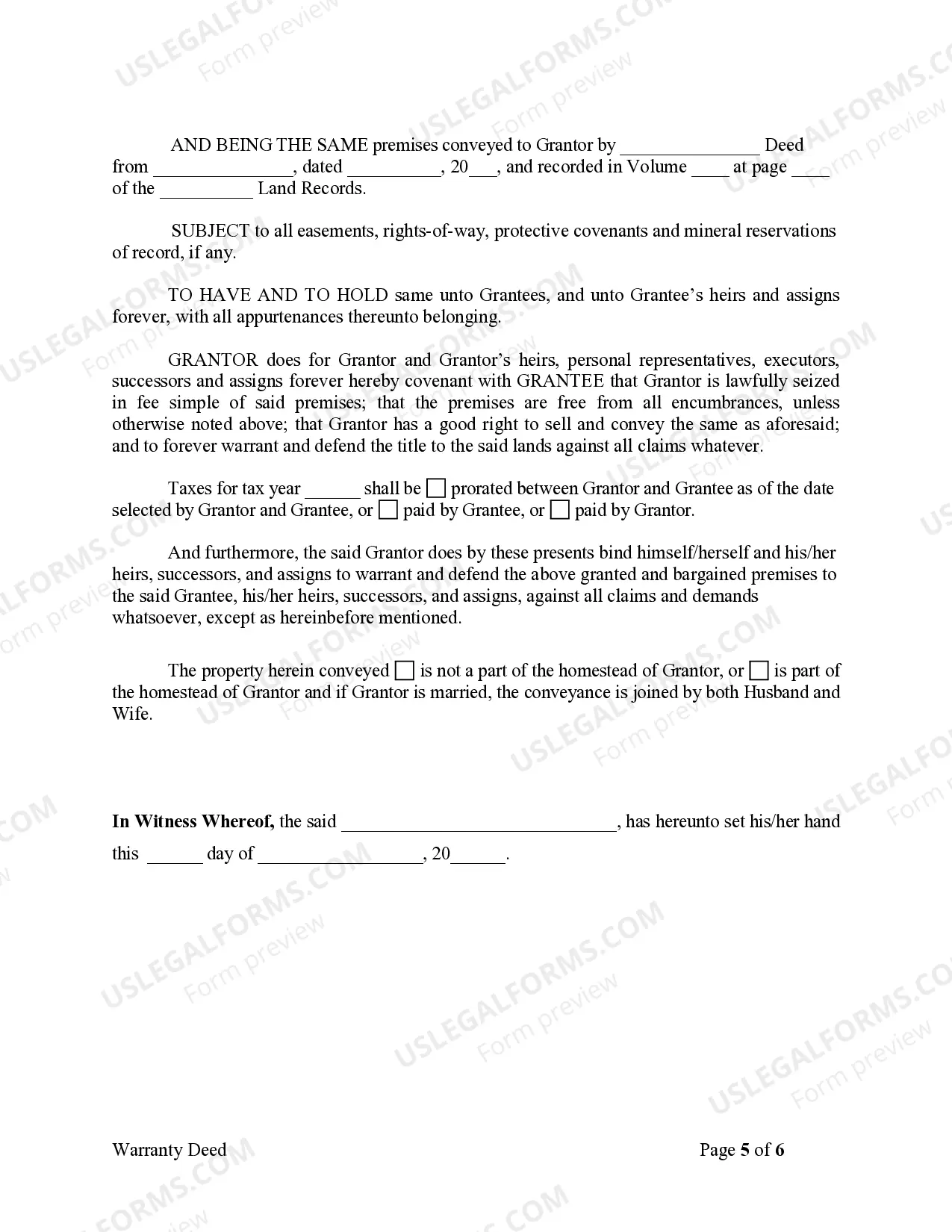
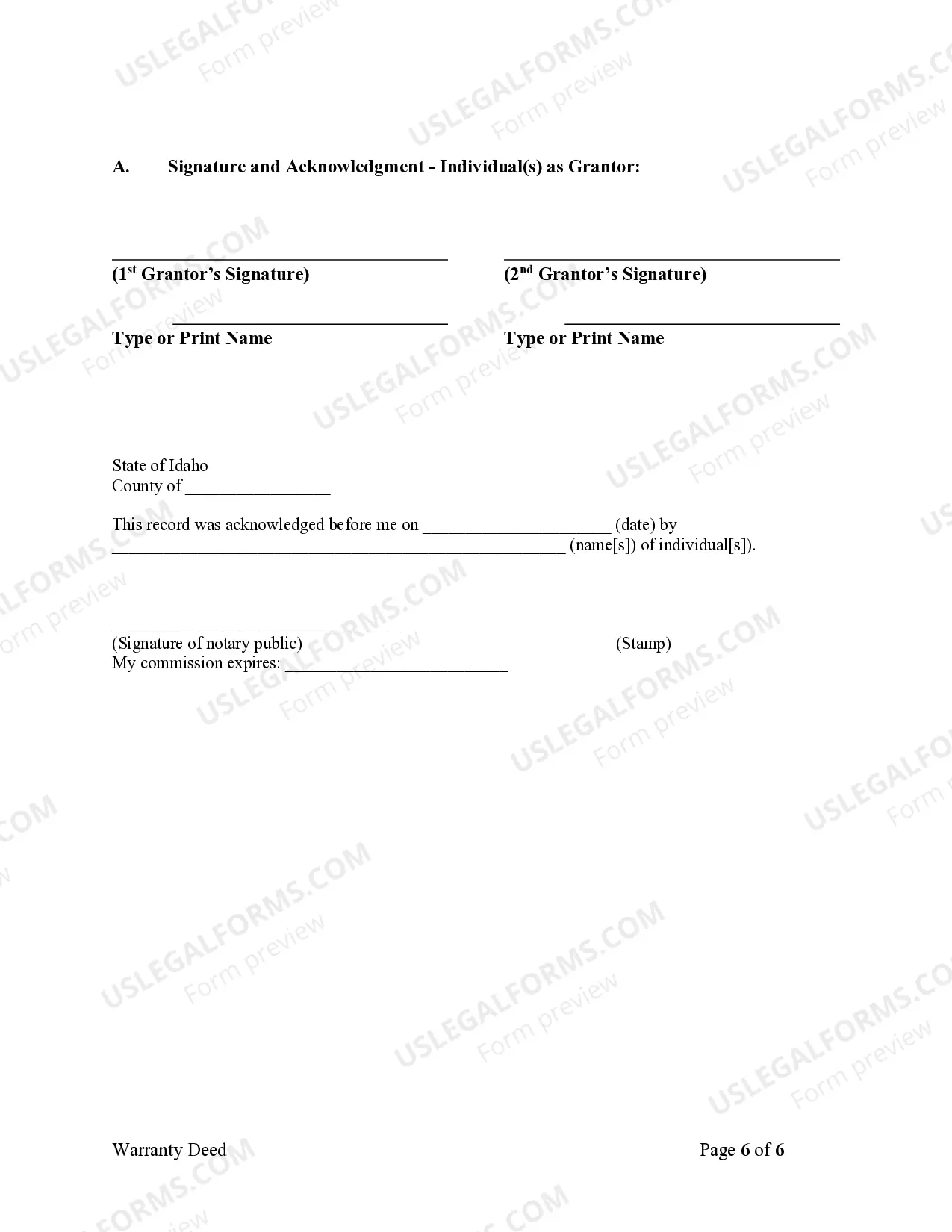
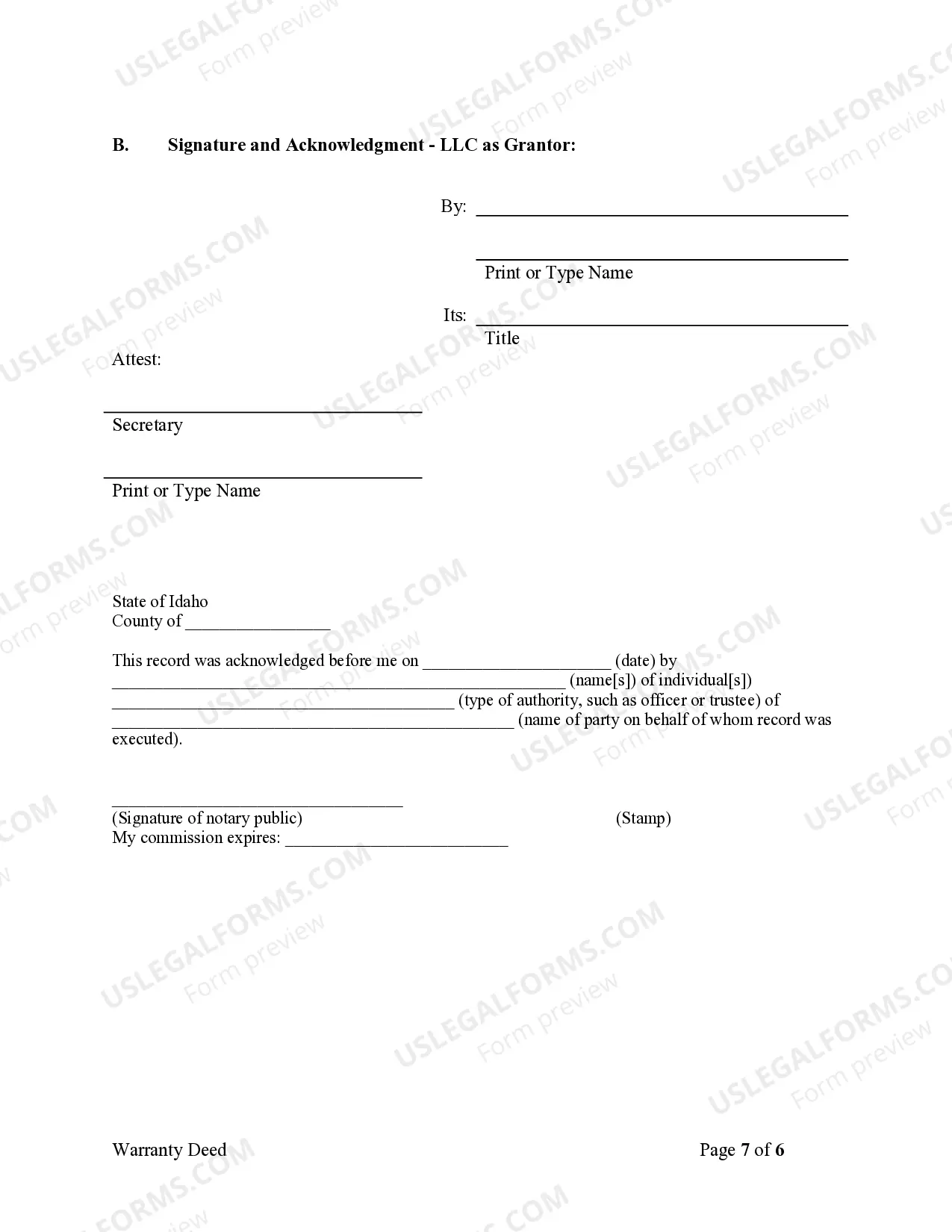
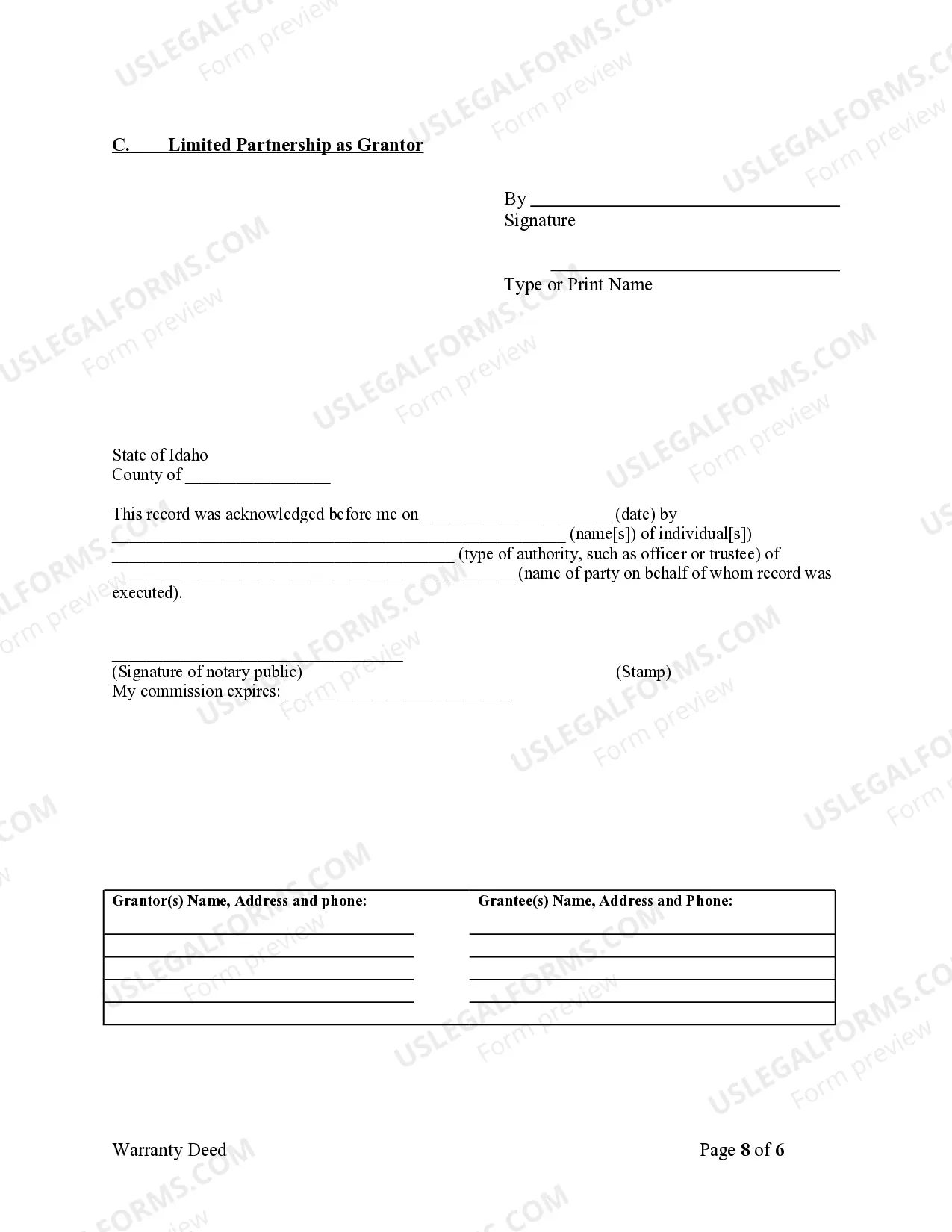

Get your form ready online
Our built-in tools help you complete, sign, share, and store your documents in one place.
Make edits, fill in missing information, and update formatting in US Legal Forms—just like you would in MS Word.
Download a copy, print it, send it by email, or mail it via USPS—whatever works best for your next step.
Sign and collect signatures with our SignNow integration. Send to multiple recipients, set reminders, and more. Go Premium to unlock E-Sign.
If this form requires notarization, complete it online through a secure video call—no need to meet a notary in person or wait for an appointment.
We protect your documents and personal data by following strict security and privacy standards.

Make edits, fill in missing information, and update formatting in US Legal Forms—just like you would in MS Word.

Download a copy, print it, send it by email, or mail it via USPS—whatever works best for your next step.

Sign and collect signatures with our SignNow integration. Send to multiple recipients, set reminders, and more. Go Premium to unlock E-Sign.

If this form requires notarization, complete it online through a secure video call—no need to meet a notary in person or wait for an appointment.

We protect your documents and personal data by following strict security and privacy standards.
Looking for another form?
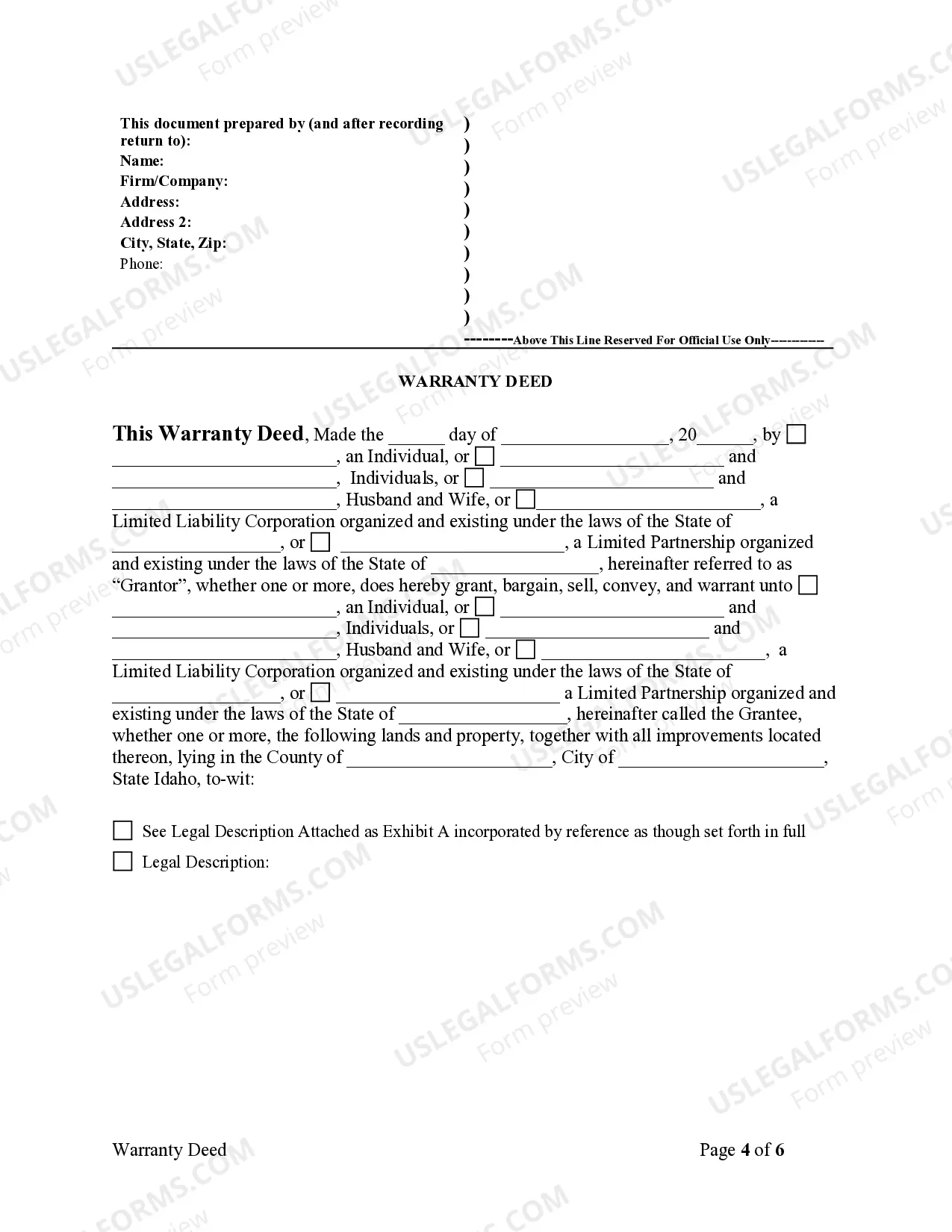
How to fill out Idaho Warranty Deed From Limited Partnership Or LLC Is The Grantor, Or Grantee?
- If you're an existing user, log in to your US Legal Forms account and download the specific template you require. Ensure your subscription is current; if not, renew based on your plan.
- For first-time users, start by previewing the available forms and descriptions. Confirm you select the template that suits your needs and complies with local jurisdiction.
- If the template does not meet your requirements, leverage the Search feature to find an appropriate alternative.
- Select the document and click the Buy Now button. Choose your preferred subscription plan and create an account to access a vast library of resources.
- Proceed to payment by entering your credit card information or utilizing your PayPal account for a smooth transaction.
- Once purchased, download the form to your device. You can access it anytime in the My Forms section of your account.
In conclusion, US Legal Forms offers an extensive selection of over 85,000 customizable legal forms and packages, empowering you to complete necessary documentation with ease. With expert assistance available, your journey to establishing a limited liability company for rental property is straightforward.
Get started today by visiting US Legal Forms to streamline your LLC formation process!
Form popularity
FAQ
Rental income is generally taxed as ordinary income by the IRS. This means that the profits you earn from your limited liability company for rental property will be added to your other income for the year. It is essential to keep detailed records of your rental expenses, as this can help reduce your taxable income.
To put your rental property in a limited liability company, you need to follow several steps, including drafting an operating agreement and transferring the title of the property to the LLC. It can also involve filing specific paperwork with your state and possibly obtaining a new mortgage. Utilizing platforms like US Legal Forms can simplify this process and guide you through the legal requirements.
There is no specific income threshold that a limited liability company for rental property must meet to file taxes. As an LLC owner, you are required to report any income, no matter how small, along with your deductions. This ensures compliance with IRS regulations and helps maintain the liability protections offered by your LLC.
Filing taxes for a rental LLC involves several steps. Typically, you will report rental income and expenses on Schedule E of your personal tax return. If your LLC is taxed as a corporation, you may need to file a separate corporate tax return, so it's wise to consult with a tax professional who understands the nuances of limited liability companies for rental property.
The best type of limited liability company for rental property often depends on your individual situation. Many choose a single-member LLC for simplicity and control, while others may opt for a multi-member LLC if they are investing with partners. Each structure has its own advantages and understanding these can help you make an informed decision.
Wealthy individuals often buy houses under a limited liability company for rental property to shield their personal assets and maintain privacy. This structure allows them to separate personal investments from business activities, thereby minimizing financial risk. Moreover, using an LLC can provide potential tax benefits, enhancing their overall investment strategy. This approach often attracts savvy investors looking for smarter ways to manage their assets.
Buying a house under a limited liability company for rental property has notable advantages and disadvantages. On the positive side, it can protect your personal assets from liabilities related to the property. Conversely, a disadvantage is that it may lead to higher costs, such as additional taxes and administrative fees associated with maintaining an LLC. Evaluating these factors is crucial before making a decision.
To put your rental property in a limited liability company for rental property, start by setting up the LLC through your state's filing process. Then, transfer the property title to the LLC, which may involve documents like a deed. Additionally, ensure that you update any mortgage agreements, if applicable. Taking these steps can help protect your assets from personal liability.
Rental income earned through a limited liability company for rental property is typically taxed as ordinary income. Depending on your LLC structure, you may be taxed at the individual level or corporate level. It's vital to understand how these tax rules work, as they can significantly affect your overall financial outcome. Consulting a tax expert can provide clarity on your specific situation.
The best LLC structure for rental properties often depends on your goals and local regulations. A single-member LLC can simplify tax filings while providing liability protection. On the other hand, a multi-member LLC might benefit you if you are purchasing properties with partners. Consider your scenario and consult professionals to determine the most suitable structure.