Iowa Life Estate Form With Trust
Description
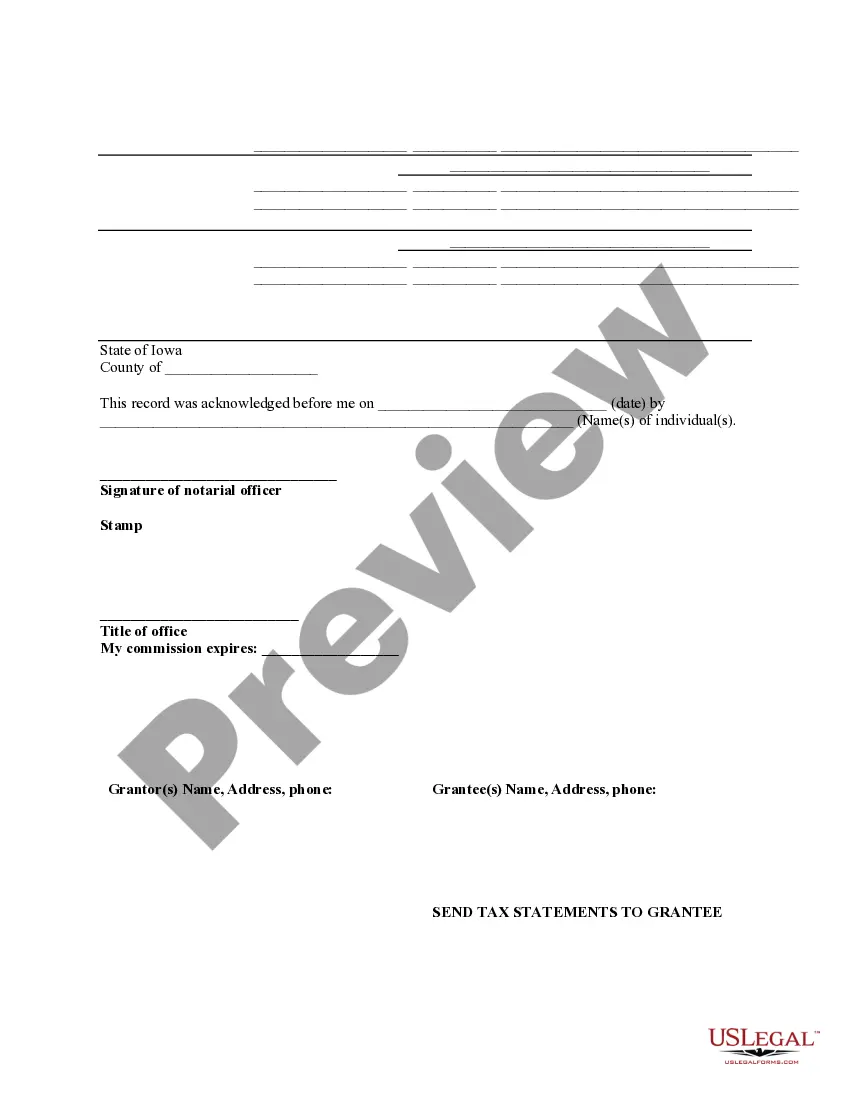

Get your form ready online
Our built-in tools help you complete, sign, share, and store your documents in one place.
Make edits, fill in missing information, and update formatting in US Legal Forms—just like you would in MS Word.
Download a copy, print it, send it by email, or mail it via USPS—whatever works best for your next step.
Sign and collect signatures with our SignNow integration. Send to multiple recipients, set reminders, and more. Go Premium to unlock E-Sign.
If this form requires notarization, complete it online through a secure video call—no need to meet a notary in person or wait for an appointment.
We protect your documents and personal data by following strict security and privacy standards.

Make edits, fill in missing information, and update formatting in US Legal Forms—just like you would in MS Word.

Download a copy, print it, send it by email, or mail it via USPS—whatever works best for your next step.

Sign and collect signatures with our SignNow integration. Send to multiple recipients, set reminders, and more. Go Premium to unlock E-Sign.

If this form requires notarization, complete it online through a secure video call—no need to meet a notary in person or wait for an appointment.

We protect your documents and personal data by following strict security and privacy standards.
Looking for another form?
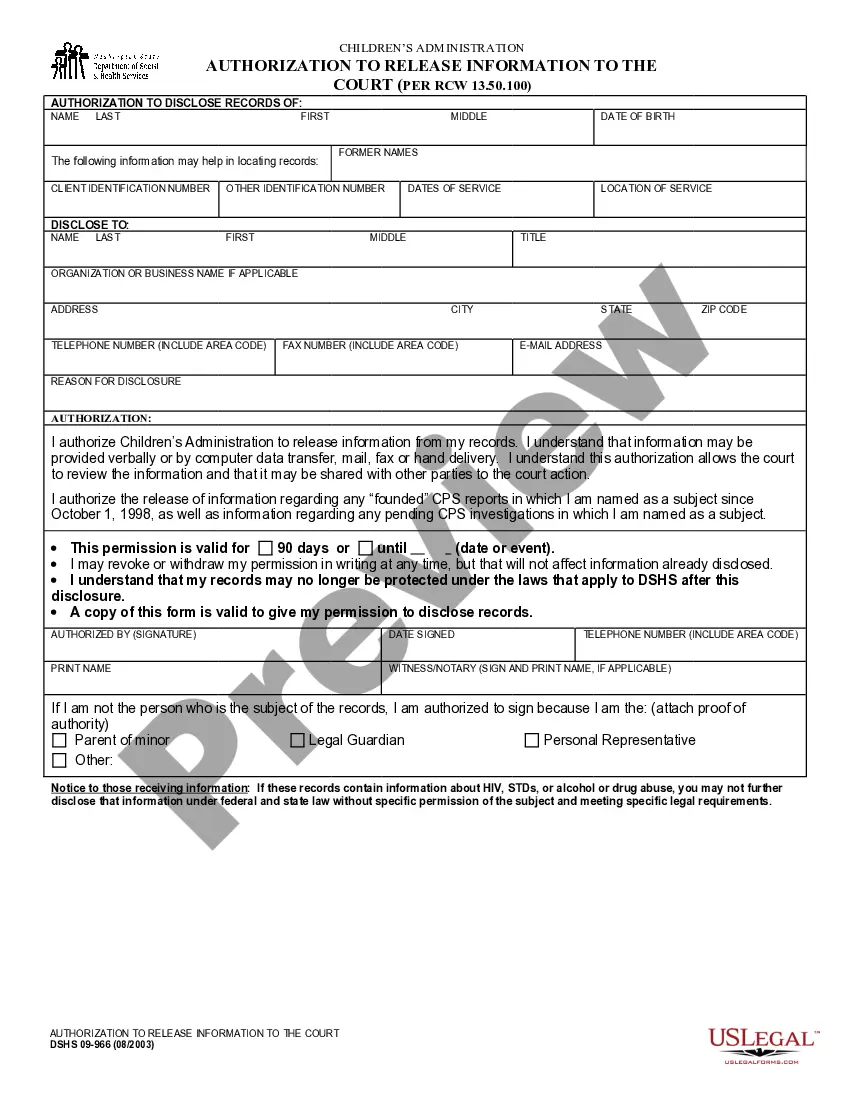
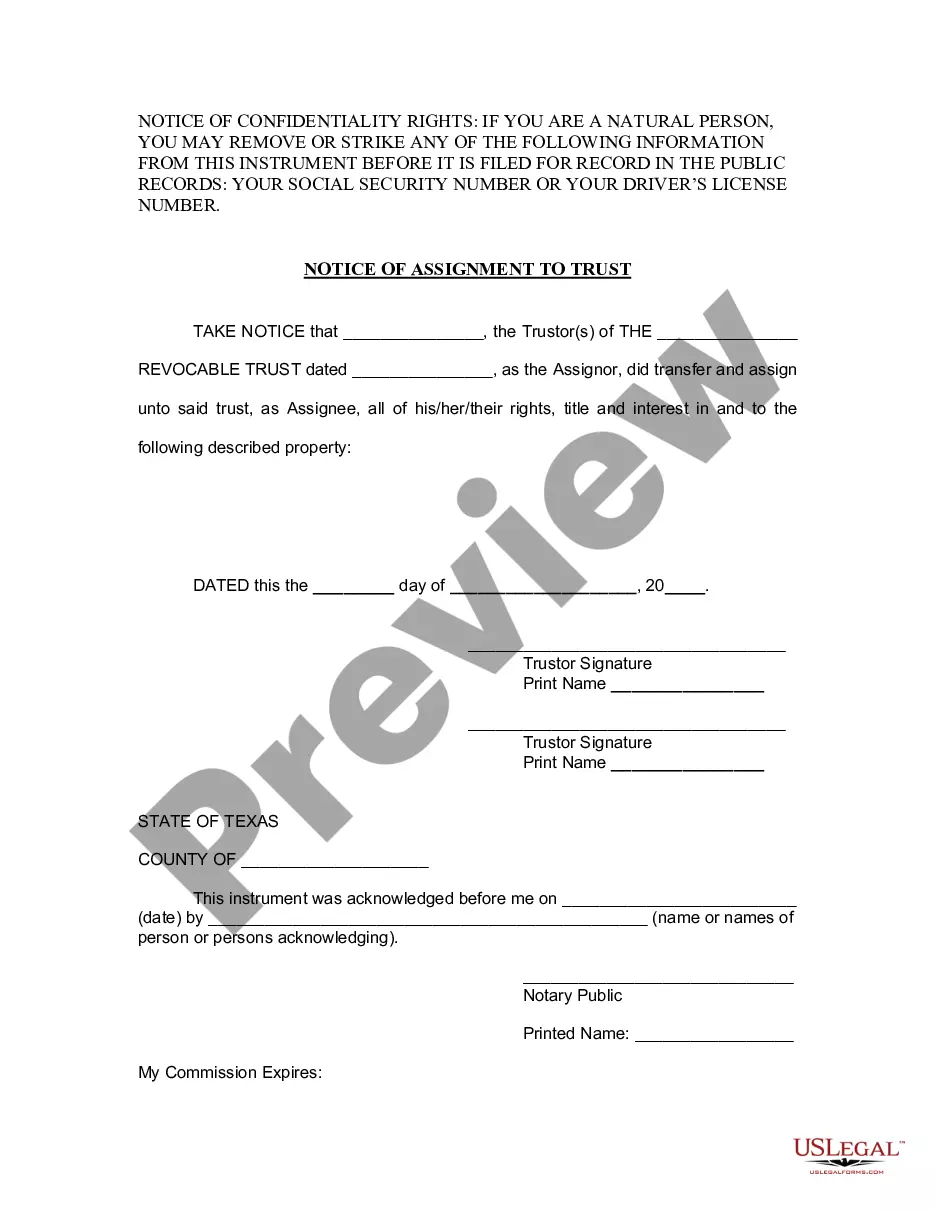

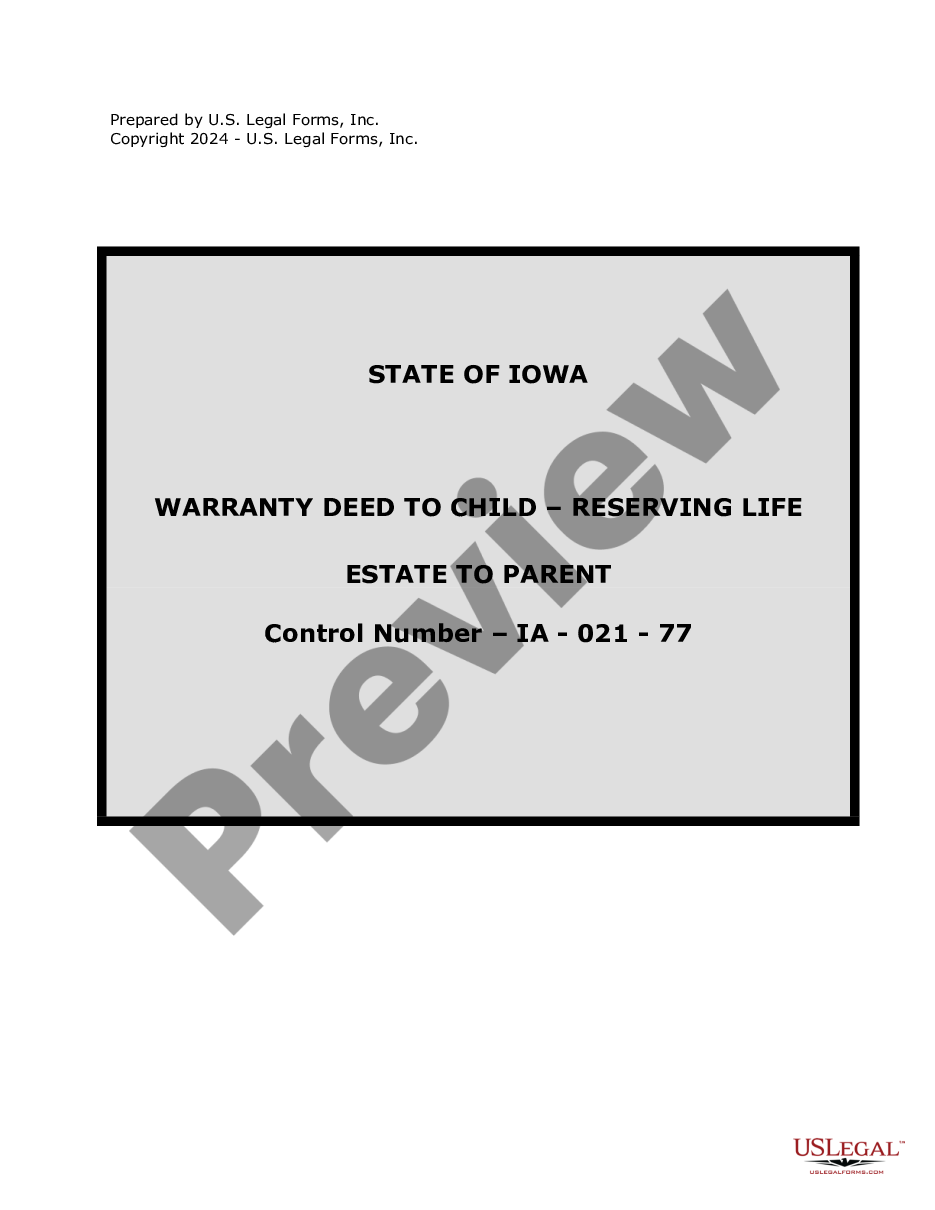
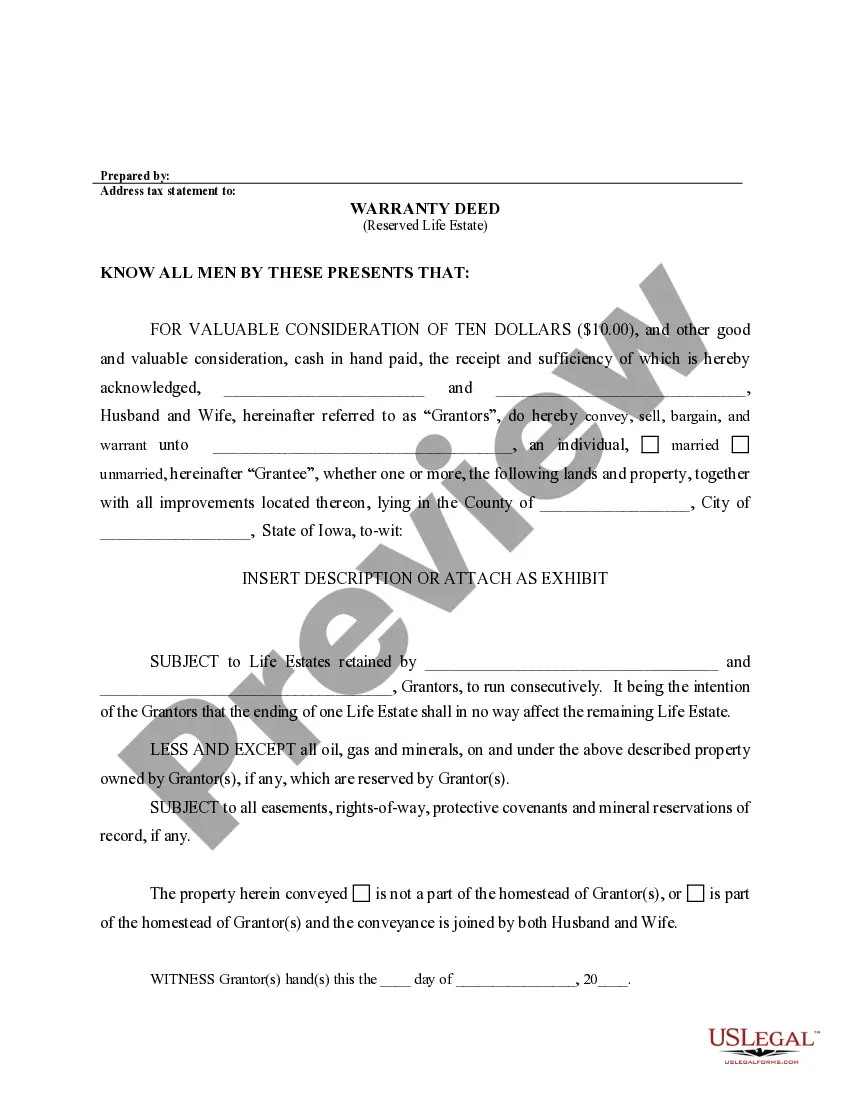
How to fill out Iowa Warranty Deed To Child Reserving A Life Estate In The Parents?
- If you're a returning user, log in to your account and locate the form template you need. Ensure your subscription is active; if not, renew based on your plan.
- Verify the form description and preview mode to confirm it meets your requirements and adheres to local laws.
- If the form doesn't meet your needs, utilize the search function to find an appropriate alternative.
- Purchase the document by clicking the Buy Now button and select a suitable subscription plan. You will need to create an account for full access to their resources.
- Complete the payment using your credit card or PayPal, and finalize your subscription.
- Once purchased, download the life estate form to your device, and access it anytime later via the My Forms menu.
By following these steps, you can easily access your Iowa life estate form with trust through US Legal Forms. Their robust collection of over 85,000 forms ensures that you’ll find exactly what you need.
Take advantage of US Legal Forms today and experience the convenience of accessing legal documents tailored to your needs. Start your journey now!
Form popularity
FAQ
The pros of putting your estate in a trust include avoiding probate, maintaining privacy, and providing clear distribution plans for your assets. However, some cons include the potential costs of setting up and maintaining the trust, as well as the administrative responsibilities placed on the trustee. When considering options like an Iowa life estate form with trust, weigh these factors carefully to determine the best fit for your situation. It can be helpful to use platforms such as uslegalforms to simplify the process.
People put their estate in a trust for various reasons, including avoiding probate and ensuring a smooth transfer of assets. A trust can provide greater control over how and when assets are distributed to beneficiaries. Additionally, using an Iowa life estate form with trust can help protect your assets from creditors and provide tax benefits. Trusts often offer peace of mind, knowing that your wishes will be followed.
To put an estate in a trust, start by choosing the right type of trust that suits your needs. You will then need to create a trust document outlining the terms and appoint a trustee. After that, you can transfer your assets into the trust, including property covered by the Iowa life estate form with trust. Consulting with a legal professional can help ensure you complete this process correctly.
When someone dies with a life estate, the property automatically transfers to the remaindermen named in the deed. The life tenant's rights end upon their death. By utilizing an Iowa life estate form with trust, you can ensure that the transition is clear and organized, reducing any potential disputes among heirs. Proper planning helps everyone understand their roles and responsibilities.
To put an estate in a trust, start by drafting a trust agreement that outlines your wishes and the terms of the trust. Use an Iowa life estate form with trust to create specific provisions that protect your assets and provide clarity on how they are managed. After the agreement is complete, transfer the property into the trust's name. Consulting a qualified attorney can simplify this process.
A will does not override a life estate once it is established. The life estate remains in effect regardless of instructions in the will. However, if you want your beneficiaries to receive the property after your death, it is crucial to ensure your Iowa life estate form with trust is aligned with your will. Clear communication with your heirs can help mitigate confusion.
While life estates have benefits, they also have disadvantages. One significant issue is that you cannot easily sell or mortgage the property without the consent of all remaindermen. Additionally, an Iowa life estate form with trust might complicate matters if additional estate planning is needed later. It's vital to weigh these factors against your overall estate goals.
A life estate can indeed be placed in a trust, allowing for better management and protection of the property for the beneficiaries. By using an Iowa life estate form with trust, you create a clear plan for how the property will be handled during your lifetime and after your death. This arrangement can also provide peace of mind to you and your family. Consulting professionals can help navigate the details.
Yes, you can put a life estate in a trust. When you create an Iowa life estate form with trust, you ensure that the property is managed according to your wishes. This combination helps in avoiding probate and can provide tax benefits. It is essential to consult with a legal expert to understand how to structure it properly.
A trust estate is a legal arrangement where a trustee holds property for the benefit of one or more beneficiaries. For instance, you might create a trust estate that includes your home and investments, specifying that the assets are managed according to certain rules. Using an Iowa life estate form with trust, you can establish clear intentions for how your assets are to be handled during your lifetime and passed on after your passing. This approach not only provides peace of mind but also helps to avoid probate delays.