Hawaii Limited Sales For The Future
Description
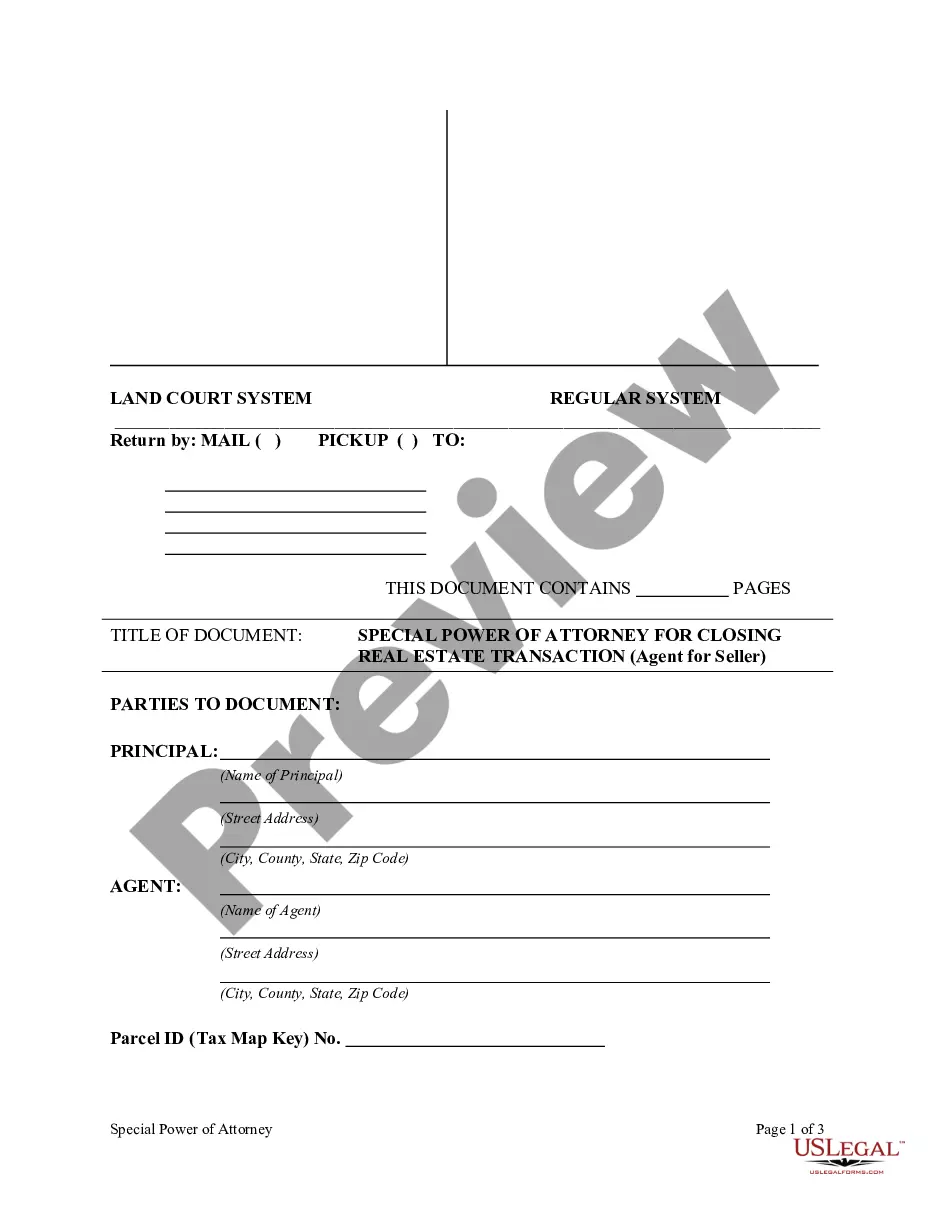
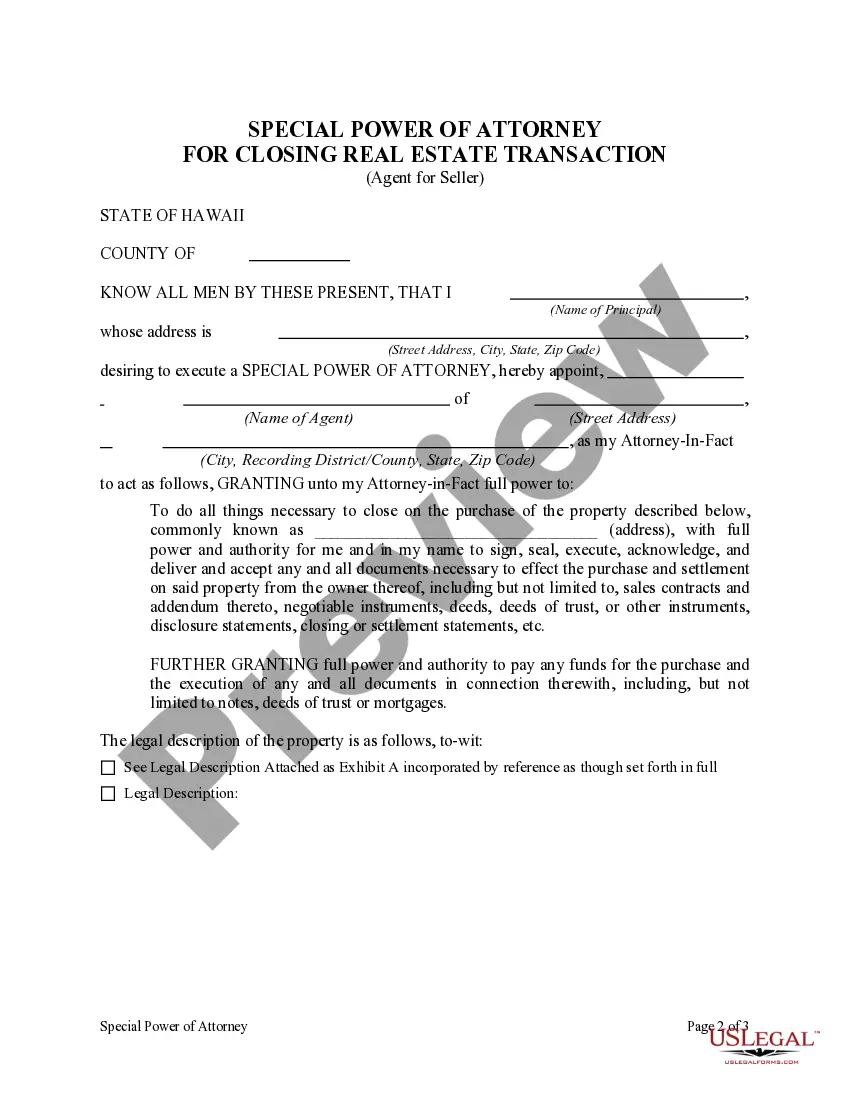
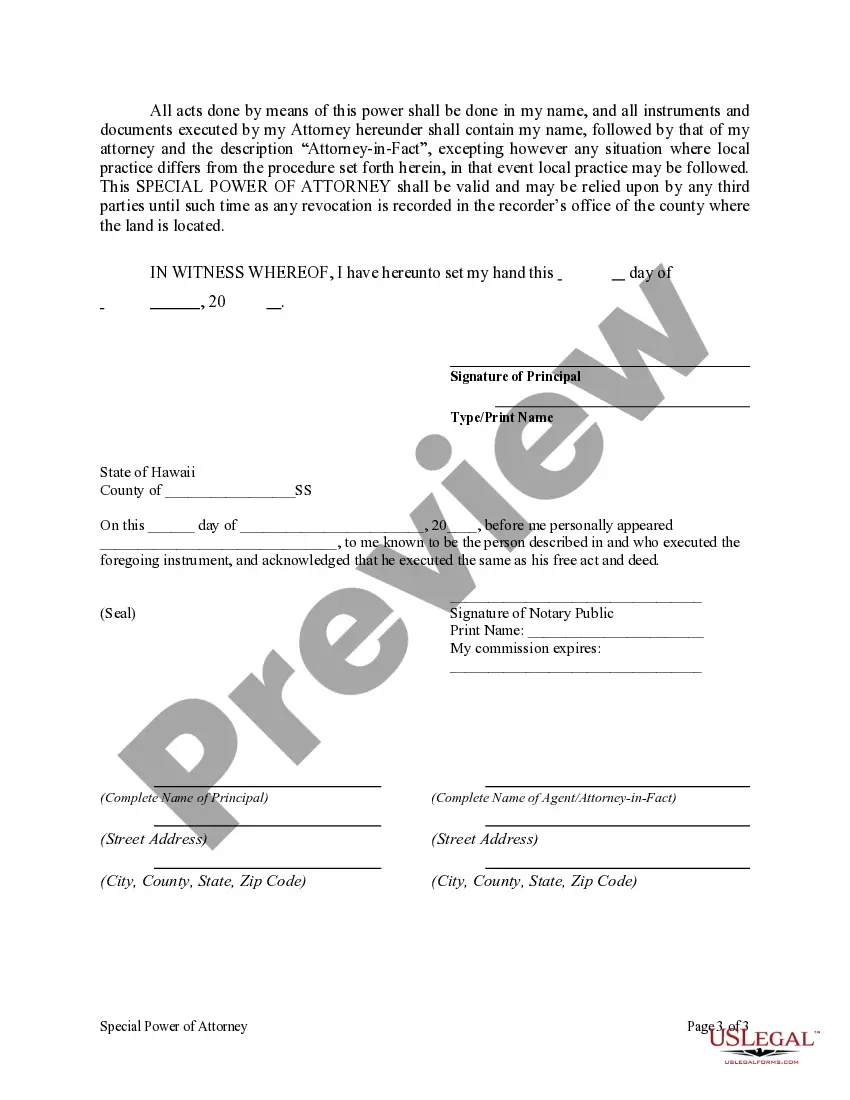

Get your form ready online
Our built-in tools help you complete, sign, share, and store your documents in one place.
Make edits, fill in missing information, and update formatting in US Legal Forms—just like you would in MS Word.
Download a copy, print it, send it by email, or mail it via USPS—whatever works best for your next step.
Sign and collect signatures with our SignNow integration. Send to multiple recipients, set reminders, and more. Go Premium to unlock E-Sign.
If this form requires notarization, complete it online through a secure video call—no need to meet a notary in person or wait for an appointment.
We protect your documents and personal data by following strict security and privacy standards.

Make edits, fill in missing information, and update formatting in US Legal Forms—just like you would in MS Word.

Download a copy, print it, send it by email, or mail it via USPS—whatever works best for your next step.

Sign and collect signatures with our SignNow integration. Send to multiple recipients, set reminders, and more. Go Premium to unlock E-Sign.

If this form requires notarization, complete it online through a secure video call—no need to meet a notary in person or wait for an appointment.

We protect your documents and personal data by following strict security and privacy standards.
Looking for another form?





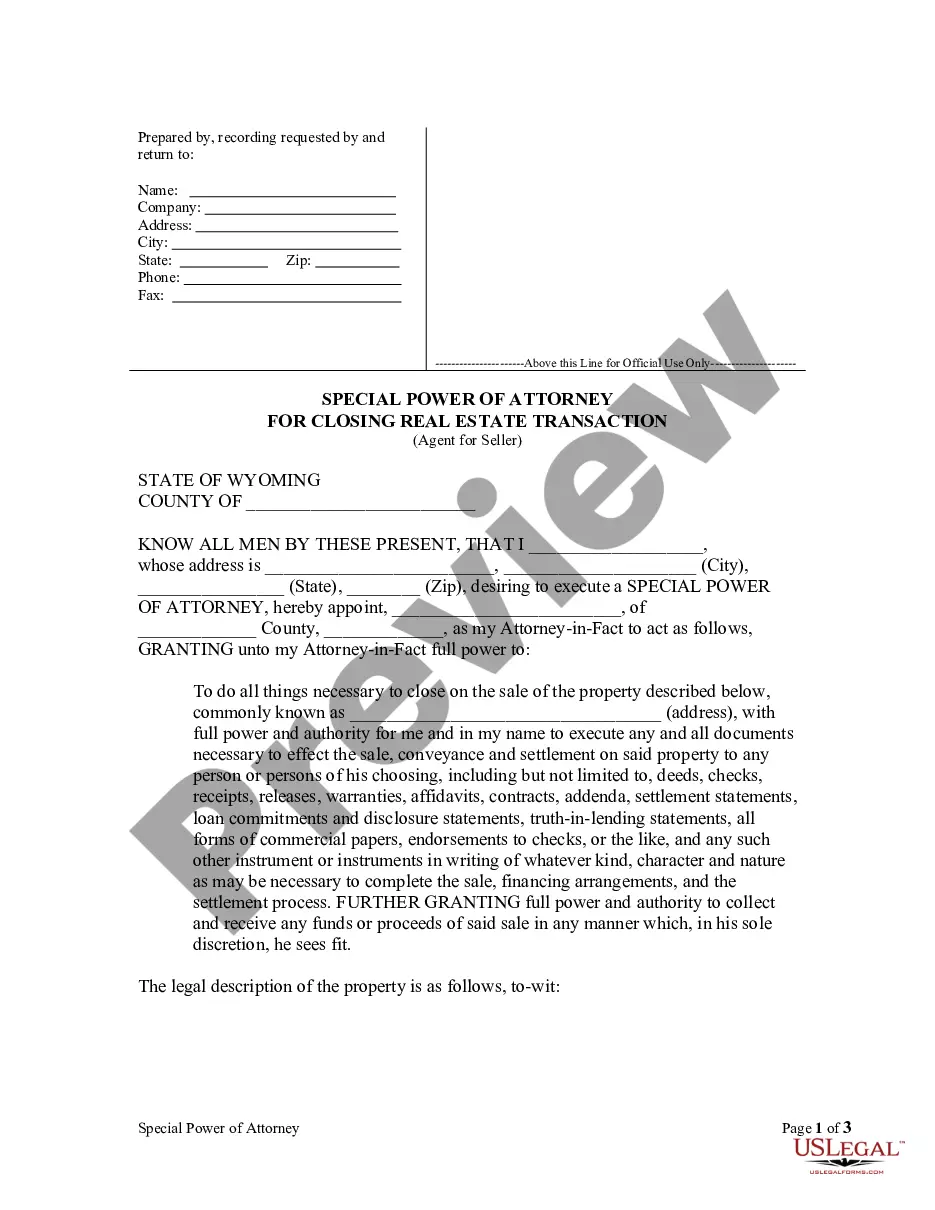
How to fill out Hawaii Special Or Limited Power Of Attorney For Real Estate Sales Transaction By Seller?
- If you're already a user, log into your account to access your previous forms. Ensure your subscription remains active for continued access.
- For first-time users, start by exploring the Preview mode and form descriptions. This step confirms that you've chosen the right document for your jurisdiction and needs.
- In case you need a different template, utilize the Search tab to locate the correct form that meets your criteria.
- Once you find the suitable template, click the Buy Now button and select your desired subscription plan. Register an account to unlock further resources.
- Proceed to payment by providing your credit card details or PayPal account information to finalize your purchase.
- Download your chosen form to your device. You can access it at any time through the My Forms section of your profile.
By following these straightforward steps, you’ll be well-equipped to obtain essential legal documents quickly. US Legal Forms offers one of the most extensive collections of legal templates, ensuring that you find what you need.
Don't hesitate to start today! Unlock your access to this invaluable resource and simplify your legal processes.
Form popularity
FAQ
Hawaii has a unique tax structure that relies on tourism and has no personal income tax. This leads to higher sales taxes to support the state’s budget and services. Understanding this context is essential when discussing Hawaii limited sales for the future, as these tax rates directly influence the local economy and consumer behavior.
California currently holds the title for the highest state sales tax in the US, with some areas seeing rates as high as 10.25%. This is significant when considering how Hawaii limited sales for the future could impact your purchasing decisions. Knowing the highest tax rates nationwide gives you a better perspective on how Hawaii compares in terms of tax burdens.
Although precise figures for 2025 are yet to be set, trends suggest that Hawaii may maintain its current sales tax rates. Monitoring Hawaii limited sales for the future will help businesses and consumers prepare for any adjustments expected to come in 2025. Tax legislation often reflects economic conditions, so staying updated will benefit your financial planning.
Hawaii has a general sales tax rate of 4%, which is one of the lowest in the nation. However, depending on the county, the tax can increase due to additional local taxes, making the total rate as high as 4.5% or more. Understanding Hawaii limited sales for the future can help you plan financial strategies that factor in these tax rates. It's always best to stay informed about these changes to avoid any surprises.
A sales and use tax audit in Hawaii can go back as far as three years from the date of the tax return. In some cases, depending on the circumstances, this period can be extended. Maintaining accurate records will serve you well as you consider your Hawaii limited sales for the future.
While sales tax rates are subject to change, Hawaii's General Excise Tax is projected to remain consistent in 2025 at around 4%. This tax may be slightly higher based on county surcharges, so it's wise to stay abreast of local updates. Understanding the future tax implications will support your planning and operations concerning Hawaii limited sales.
The statute of limitations on sales tax in Hawaii is generally three years. This means the state has three years to assess any unpaid sales tax, providing a buffer for taxpayers. It is beneficial to keep detailed records as you consider your Hawaii limited sales for the future.
Yes, there is a statute of limitations on taxes owed in Hawaii, typically lasting for three years from the due date or filing date of the return. Knowing this information helps you avoid unexpected surprises when it comes to your financial planning. Being aware of your rights and obligations will aid you in managing Hawaii limited sales for the future confidently.
To file form G-49 in Hawaii, you need to complete the General Excise Tax Annual Return. This form can be filed online or submitted by mail, depending on your preference. By staying organized and using a reliable platform like UsLegalForms, you can ensure your compliance with Hawaii limited sales for the future.
Yes, Hawaii state taxes have a statute of limitations that generally spans three years from the due date of the tax return. However, if you do not file a return, this period may extend indefinitely. It's crucial to stay informed about these deadlines to manage your Hawaii limited sales for the future effectively.