Hawaii Real Estate Advertising Rules
Description
Get your form ready online
Our built-in tools help you complete, sign, share, and store your documents in one place.
Make edits, fill in missing information, and update formatting in US Legal Forms—just like you would in MS Word.
Download a copy, print it, send it by email, or mail it via USPS—whatever works best for your next step.
Sign and collect signatures with our SignNow integration. Send to multiple recipients, set reminders, and more. Go Premium to unlock E-Sign.
If this form requires notarization, complete it online through a secure video call—no need to meet a notary in person or wait for an appointment.
We protect your documents and personal data by following strict security and privacy standards.

Make edits, fill in missing information, and update formatting in US Legal Forms—just like you would in MS Word.

Download a copy, print it, send it by email, or mail it via USPS—whatever works best for your next step.

Sign and collect signatures with our SignNow integration. Send to multiple recipients, set reminders, and more. Go Premium to unlock E-Sign.

If this form requires notarization, complete it online through a secure video call—no need to meet a notary in person or wait for an appointment.

We protect your documents and personal data by following strict security and privacy standards.
Looking for another form?




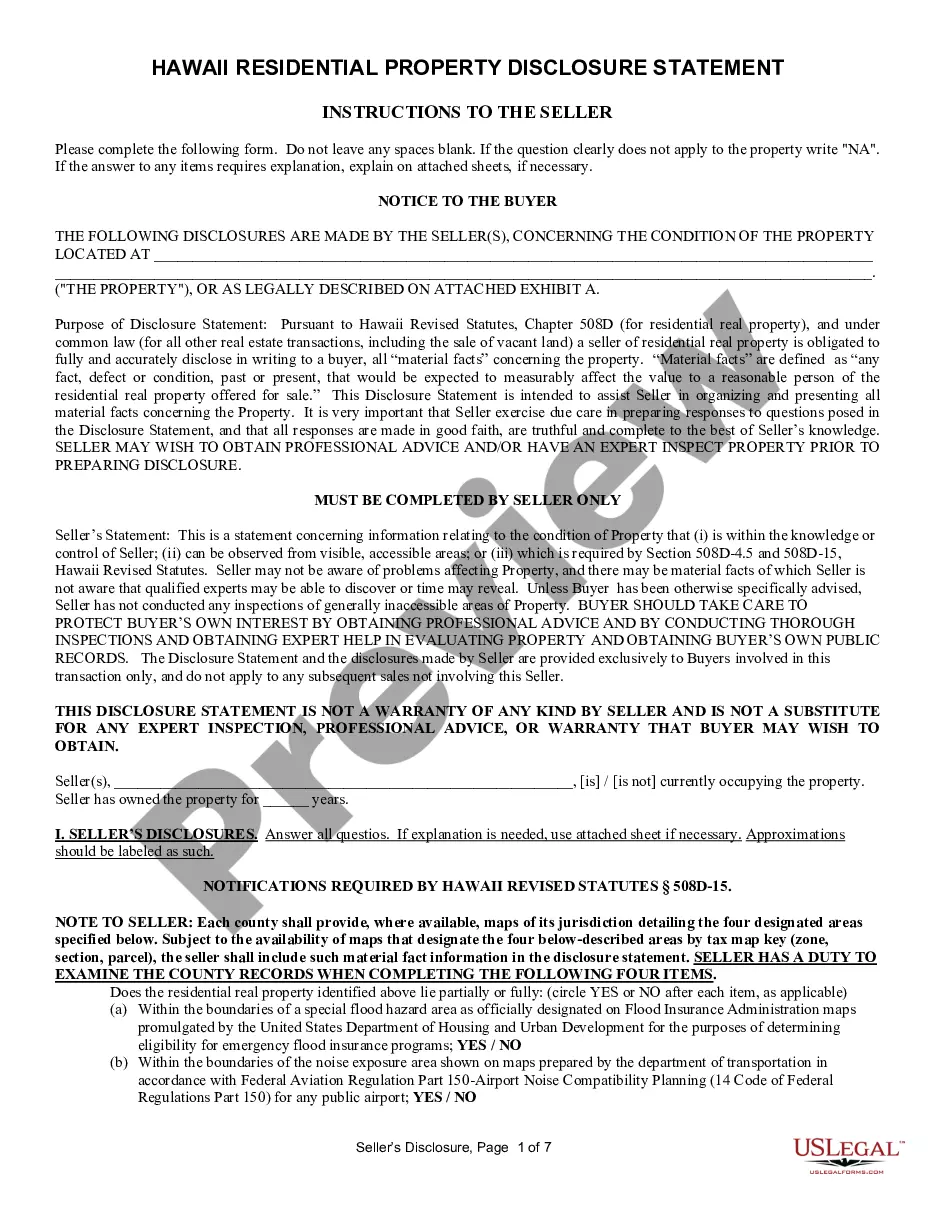
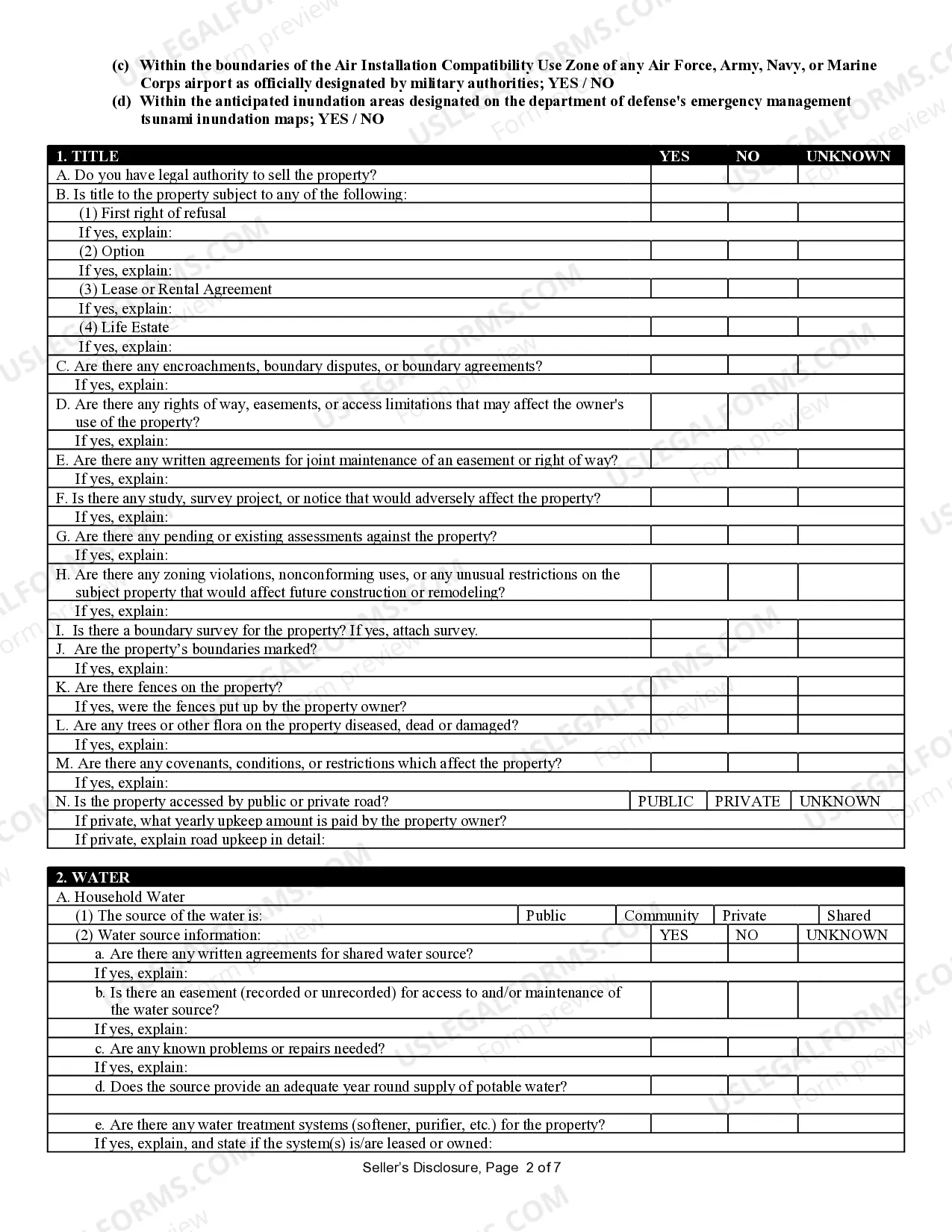
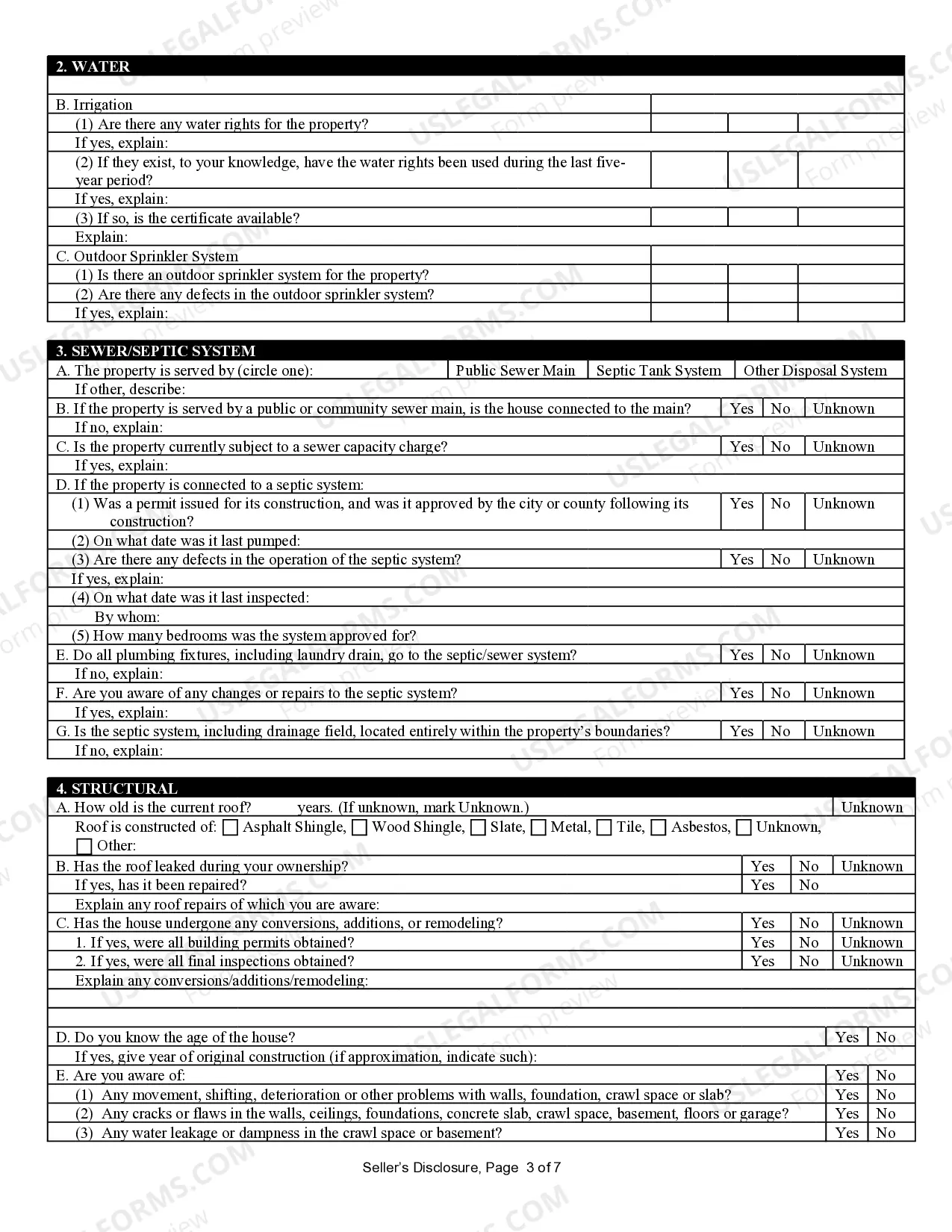
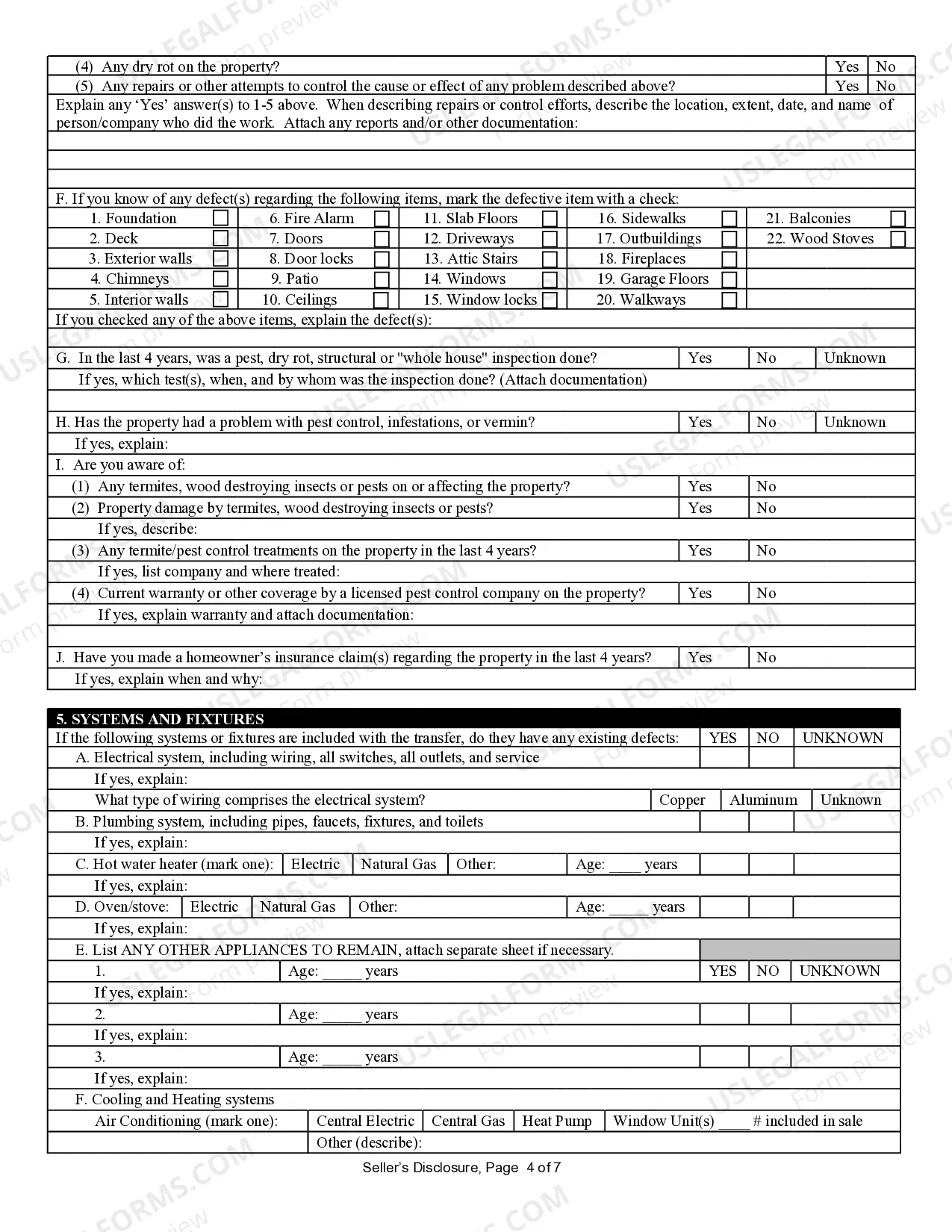
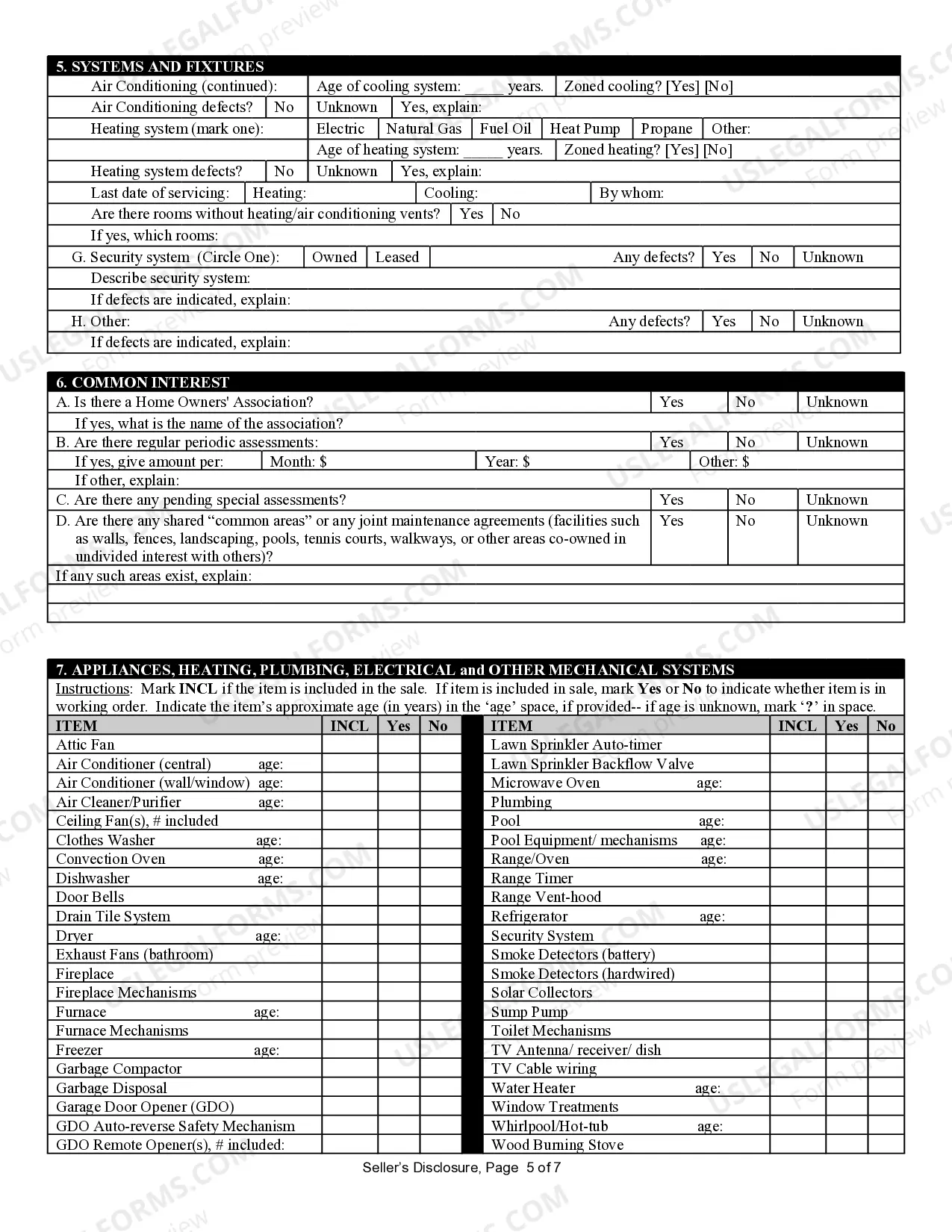
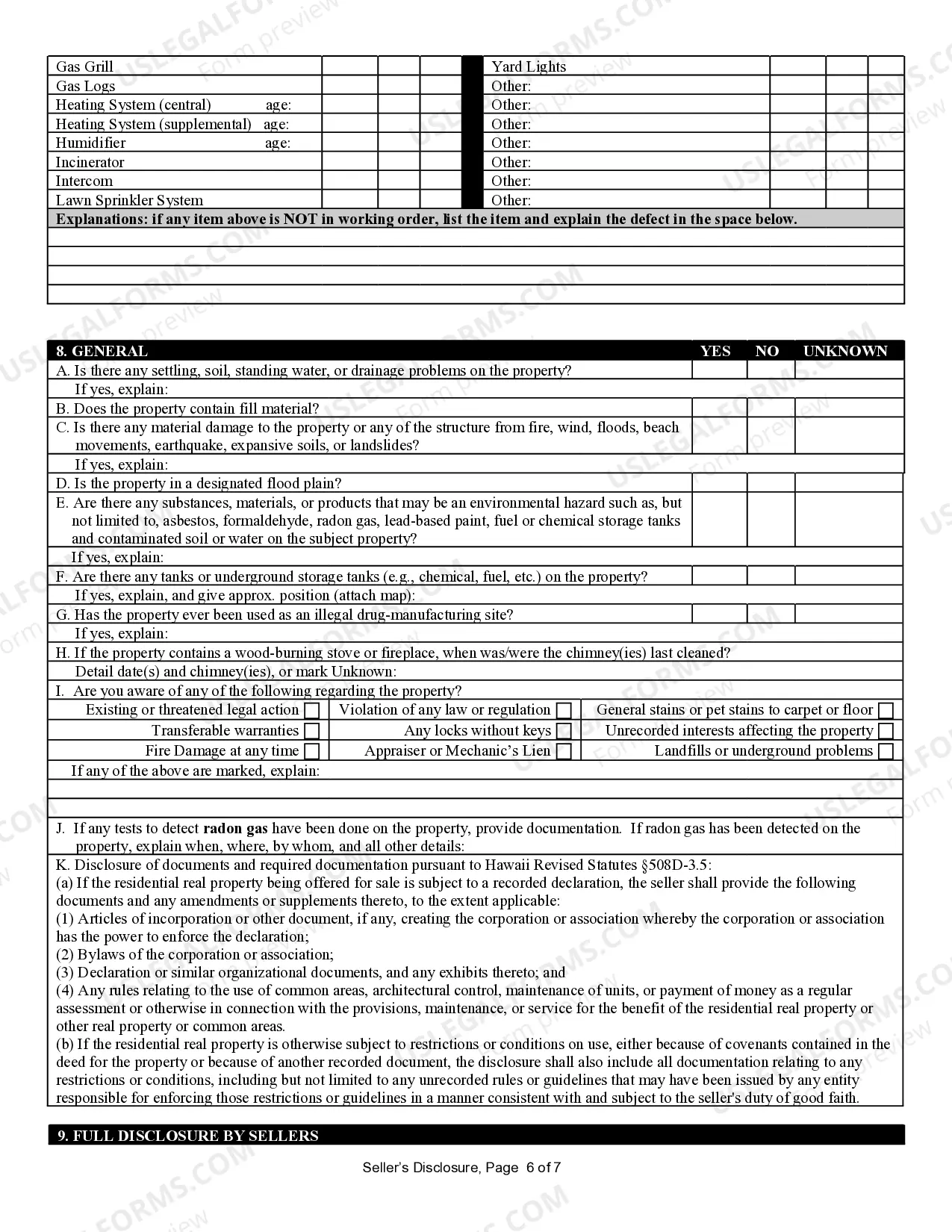
How to fill out Hawaii Residential Real Estate Sales Disclosure Statement?
The Hawaii Real Estate Marketing Guidelines you observe on this page is a versatile official template crafted by experienced attorneys in accordance with federal and state statutes and regulations.
For over 25 years, US Legal Forms has supplied individuals, entities, and legal practitioners with more than 85,000 authenticated, state-specific documents for any commercial and personal situation. It’s the fastest, most straightforward, and most dependable manner to acquire the paperwork you require, as the service assures bank-level information security and anti-malware safeguards.
Register for US Legal Forms to have validated legal templates for all of life's circumstances at your fingertips.
- Search for the document you require and examine it.
- Browse through the file you searched and preview it or analyze the form description to ensure it meets your needs. If it doesn’t, utilize the search function to locate the suitable one. Click Buy Now once you have identified the template you seek.
- Choose and Log In.
- Pick the pricing plan that fits you and set up an account. Use PayPal or a credit card to complete your payment quickly. If you already have an account, Log In and verify your subscription to move forward.
- Get the fillable template.
- Select the format you prefer for your Hawaii Real Estate Marketing Guidelines (PDF, Word, RTF) and store the document on your device.
- Fill out and sign the document.
- Print the template to fill it out by hand. Alternatively, utilize an online versatile PDF editor to swiftly and accurately complete and sign your form with an eSignature.
- Redownload your files if necessary.
- Access the same document again whenever required. Open the My documents section in your profile to redownload any previously downloaded documents.
Form popularity
FAQ
Real estate advertising guidelines in Hawaii are issued by the Hawaii Real Estate Commission. This commission sets the standards to ensure that all advertising is truthful and not misleading. By adhering to these guidelines, you can effectively navigate Hawaii real estate advertising rules and promote your properties responsibly.
Individuals or businesses that suffer damages from false advertising can pursue legal action against the offending party. This may involve filing a lawsuit for damages or seeking injunctions to stop further misleading advertising. Knowledge of Hawaii real estate advertising rules can empower you to take appropriate action if you encounter false claims.
To report a realtor in Hawaii, you can file a complaint with the Hawaii Real Estate Commission. It is important to provide detailed information about the alleged misconduct, including any relevant evidence. Understanding how to navigate these reporting processes can be vital for maintaining integrity in Hawaii real estate advertising.
Penalties for false advertising in Hawaii can include fines, cease and desist orders, and even civil lawsuits. If a business is found guilty of misleading advertising, it may be required to compensate affected parties for damages. Staying informed about Hawaii real estate advertising rules can help you avoid these serious consequences.
Hawaii law prohibits false advertising, which includes misleading statements about products or services. Advertisements must be truthful and not deceive consumers regarding the nature of the property or services offered. Familiarizing yourself with Hawaii real estate advertising rules can help ensure that your marketing efforts remain compliant and effective.
Defamation law in Hawaii protects individuals from false statements that harm their reputation. To prove defamation, a claimant must show that the statement was made to a third party and caused damage. For those engaging in Hawaii real estate advertising, it is crucial to avoid making unfounded claims about competitors to stay compliant with these laws.
The False Claims Act in Hawaii allows individuals to sue on behalf of the state if they discover fraud involving state funds or assets. This act encourages whistleblowers to report fraudulent activities by providing them with a share of any recovered funds. Understanding this act is essential for individuals involved in Hawaii real estate advertising, as it can help protect against fraudulent claims.
The 80/20 rule for realtors suggests that 80% of your results come from 20% of your efforts. This principle can help you identify which marketing strategies yield the best outcomes, allowing you to focus your resources effectively. In line with Hawaii real estate advertising rules, concentrating on high-impact tactics can lead to greater success in your advertising endeavors. Utilizing platforms like US Legal Forms can streamline your processes and help you implement effective strategies that align with these principles.
The fundamental rule of advertising in real estate is to provide honest and accurate information. This guideline ensures that potential buyers receive clear details about properties without misleading claims. Following Hawaii real estate advertising rules, agents must avoid exaggeration and represent properties truthfully to foster trust and integrity in the market. By adhering to these standards, you can build a positive reputation and encourage repeat business.
Hawaii prohibits billboards to preserve its natural beauty and landscape. The state values its scenic views and aims to prevent visual clutter that can detract from the environment. These Hawaii real estate advertising rules encourage more tasteful and less intrusive forms of advertising that align with the state's commitment to maintaining its unique charm. By focusing on quality over quantity, real estate professionals can enhance their marketing efforts while respecting the island's aesthetics.